The reviews present a mixed picture that separates direct care outcomes from facility-level operational concerns. Families and residents frequently praised frontline clinical staff and therapists for compassionate, individualized care and for achieving concrete functional gains. Physical therapy and nursing received specific commendation for effectiveness and, in some cases, critical, timely interventions that improved mobility and wellbeing. Admissions processes are described as responsive, and some families credited staff with treating residents with dignity.
At the same time, there are recurring operational problems that appear to affect the overall resident experience. Several comments raise concerns about medication-management practices that may prioritize cost, and there are references to delays or gaps in emergency response and incident follow-up. Communication inconsistencies were noted: while some staff interactions were described as respectful and supportive, other accounts describe negative tones or poor responsiveness, suggesting variability in staff conduct and communication practices across shifts or teams.
Management and administrative issues are another prominent theme. Specific concerns include limited transparency from leadership, unresolved financial or property-accountability problems, and accounts of policies that families found overly restrictive. These items point to weaknesses in administrative accountability and policy implementation that can erode trust even when individual caregivers are viewed positively.
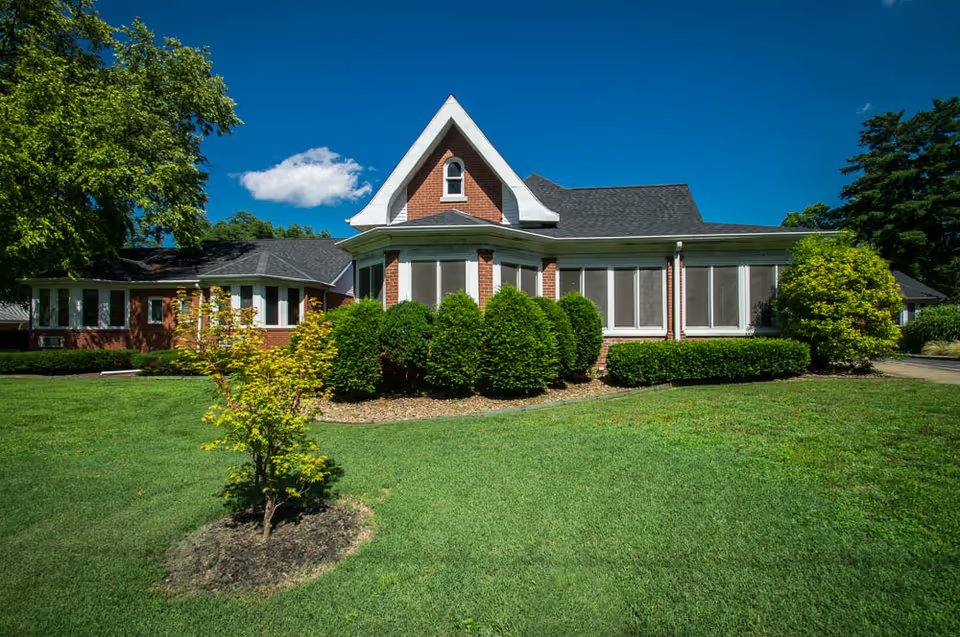
The physical environment and housekeeping received critical attention. Reviewers described an older building with maintenance and lighting shortcomings that affect perceptions of cleanliness; there are sanitation and odor concerns in some areas, as well as reports of smoking near the main entrance and circulation routes partially obstructed by equipment. These environmental and maintenance issues can influence both safety and family confidence in the facility.
Dining and activities were not a major focus in the available comments, so there is limited information to draw firm conclusions about those domains. The material that is available emphasizes rehabilitative programming and individualized care more than social programming or food quality.
For prospective residents and families, the salient pattern is: strong bedside care and effective rehabilitation are present, but systemic operational and management weaknesses create variability in day-to-day experience. When considering placement, visitors should observe staff–resident interactions across multiple shifts, ask for written policies on medication changes and emergency response, review housekeeping and maintenance schedules, inquire about property/financial safeguards, and clarify visitation and smoking policies. Following up with state inspection records and speaking with current families can help assess whether administrative concerns have been addressed.