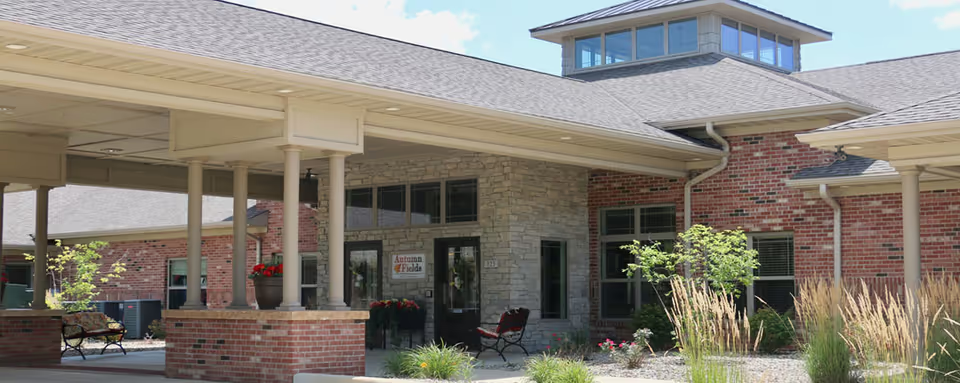
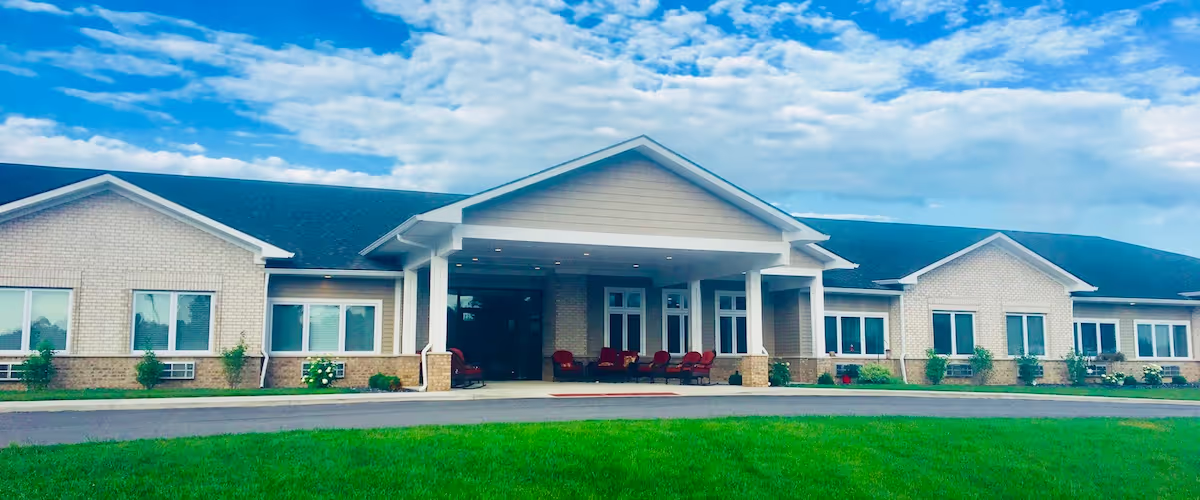
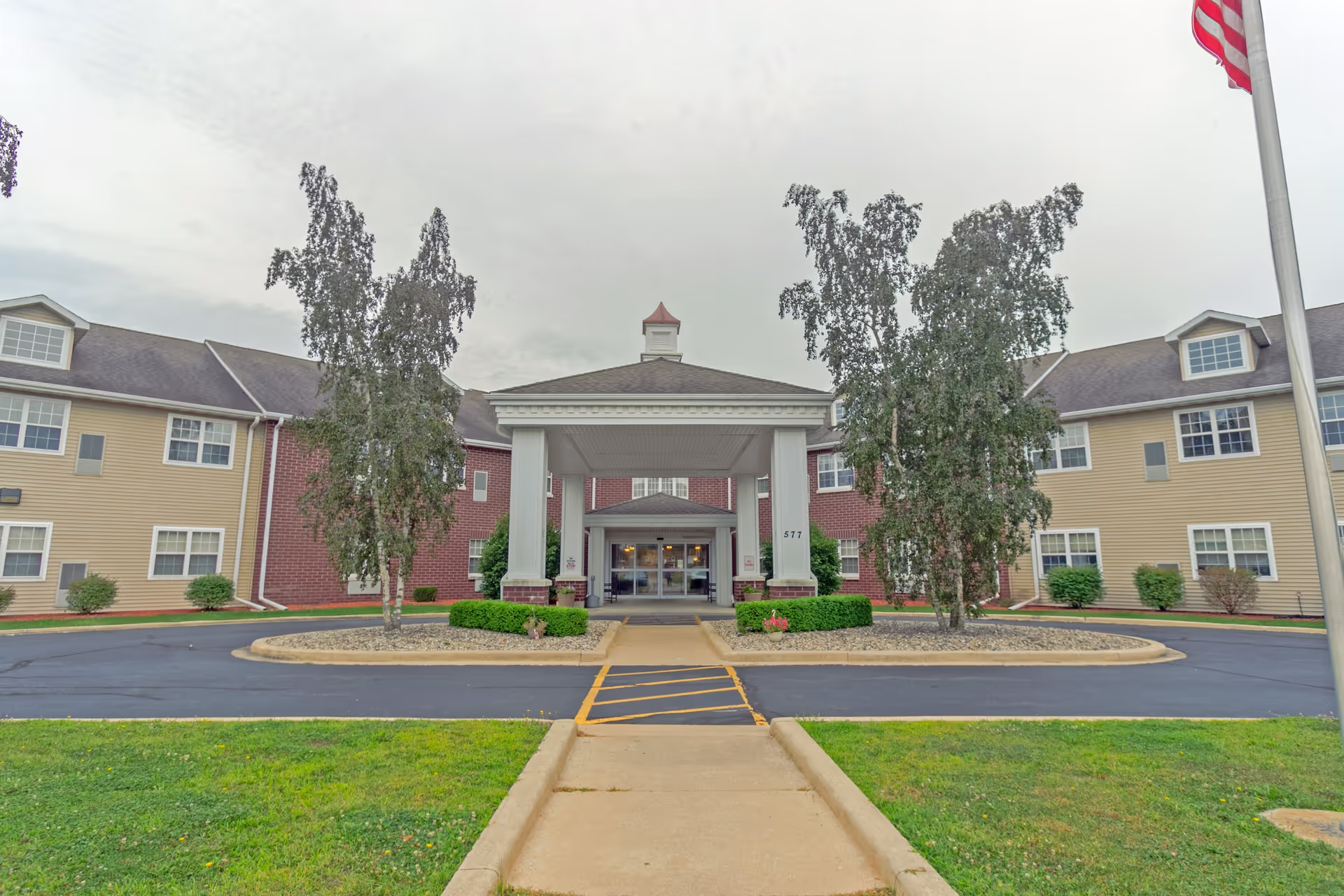
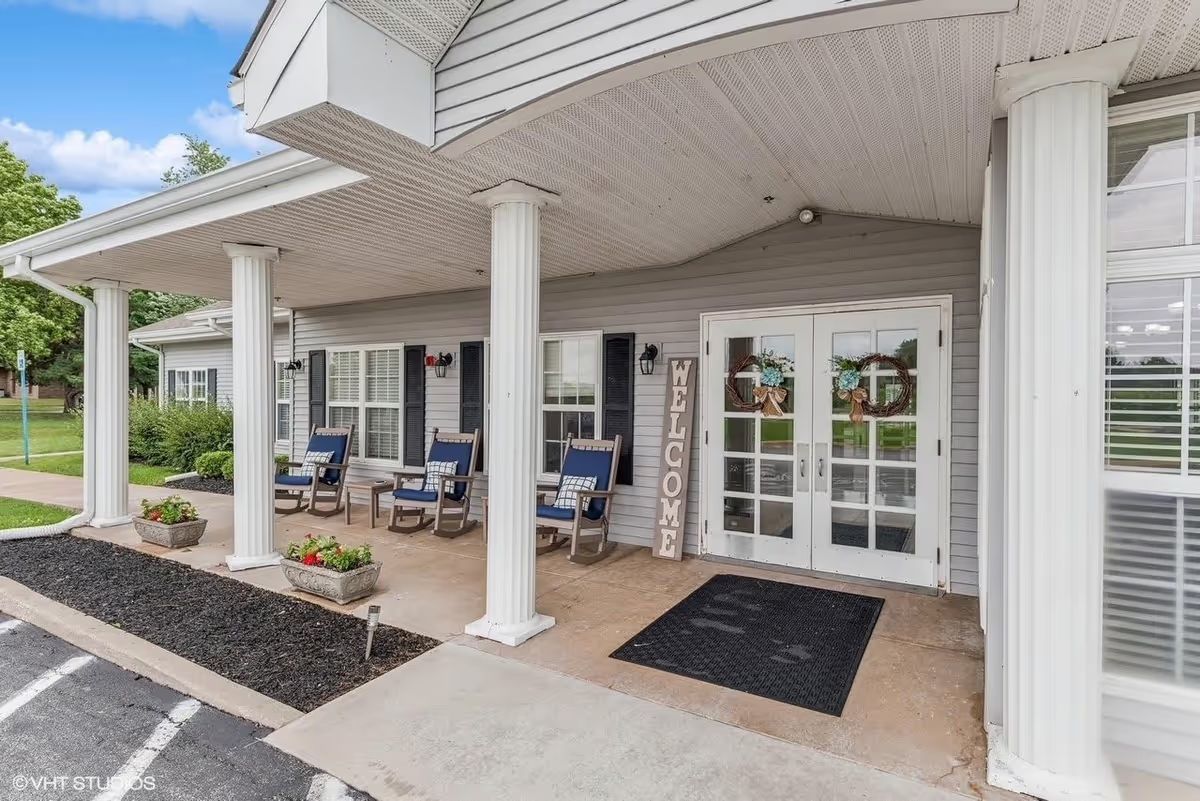
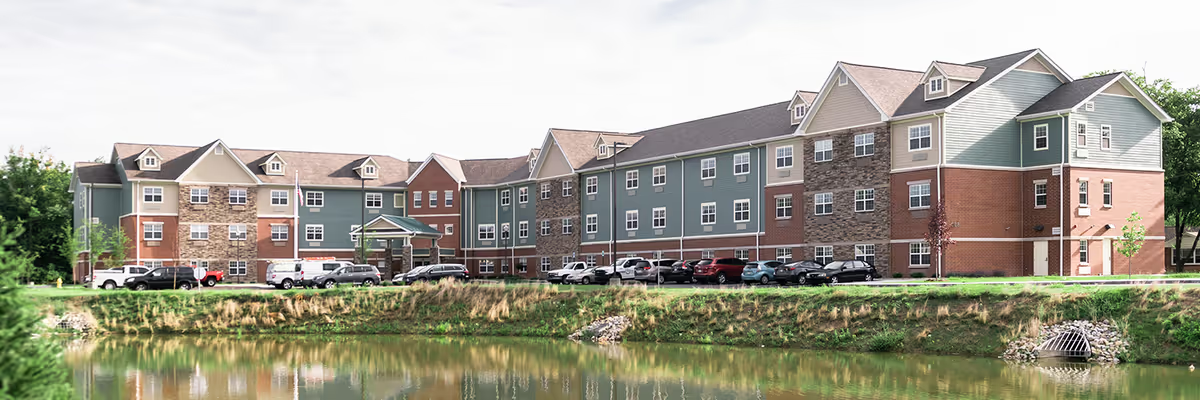
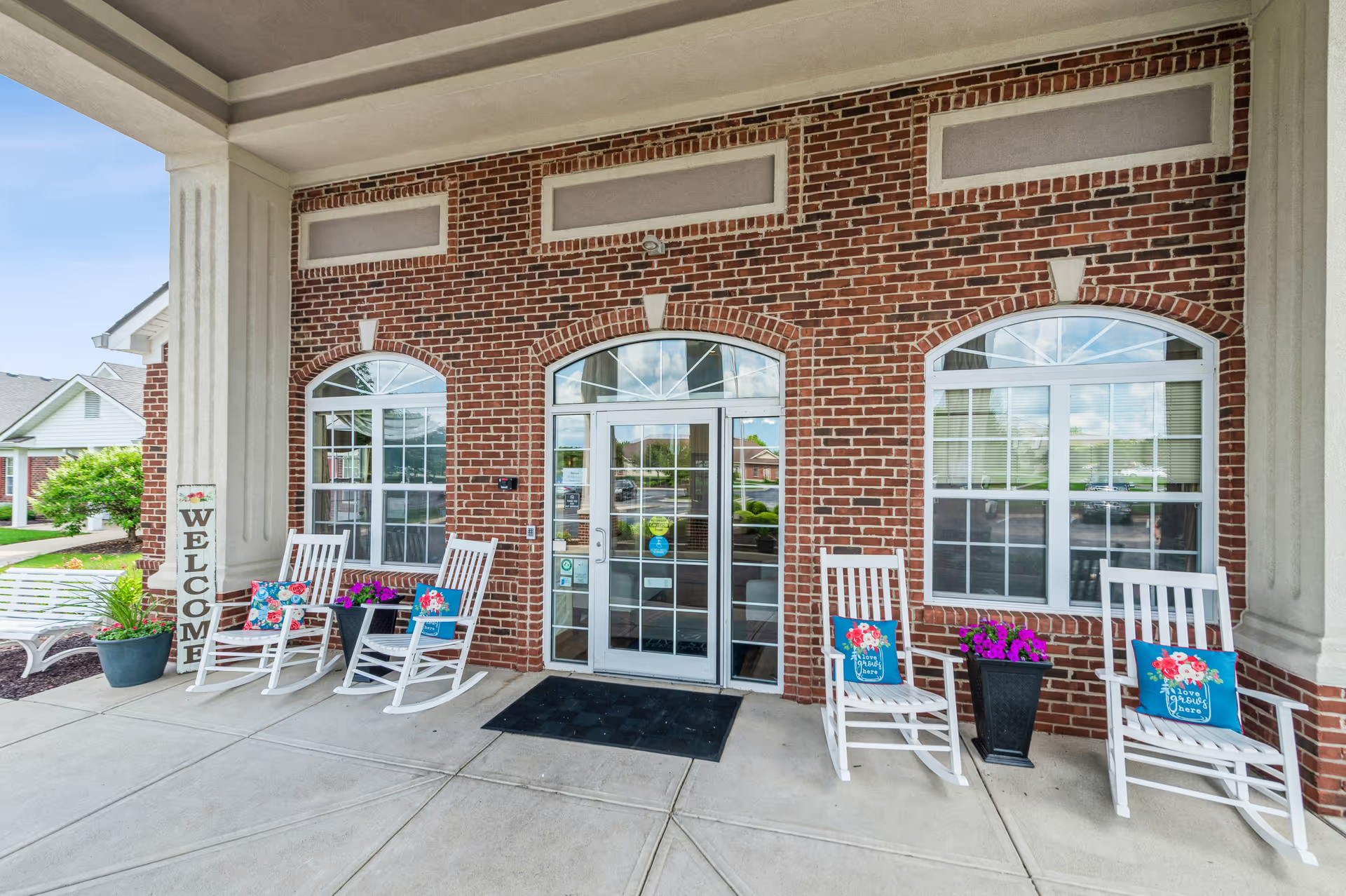
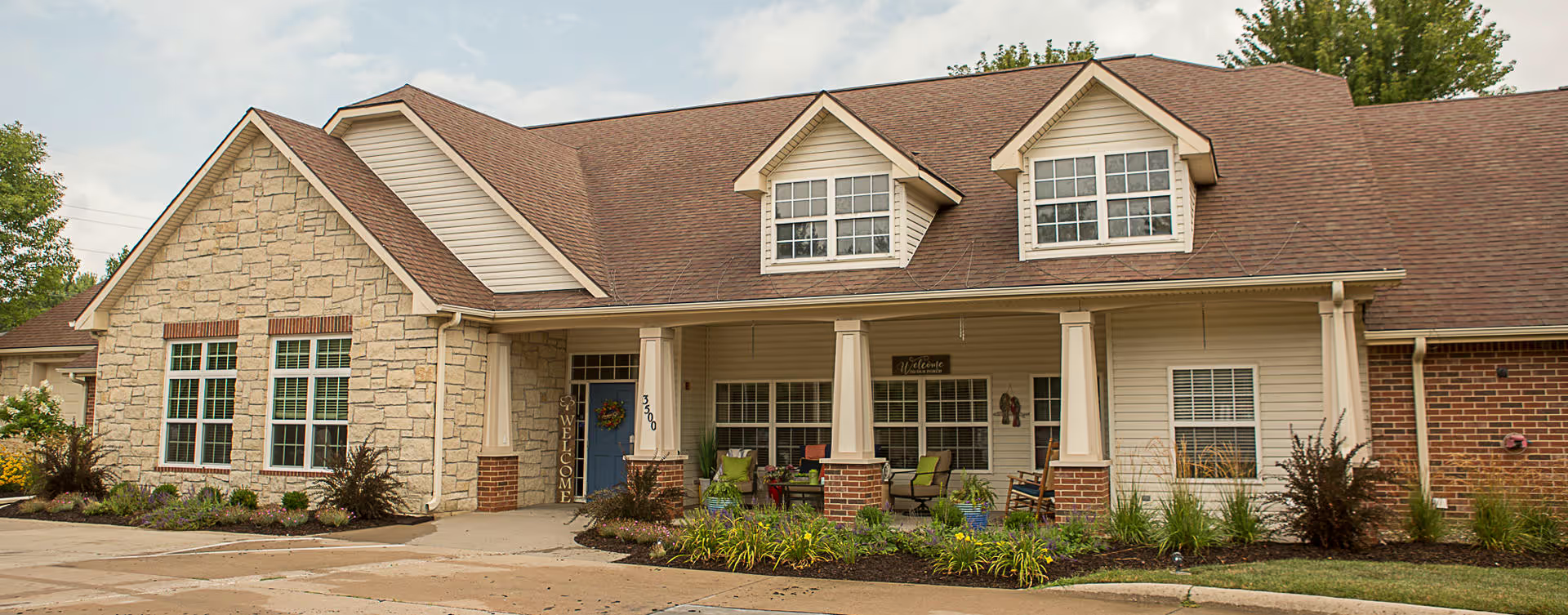
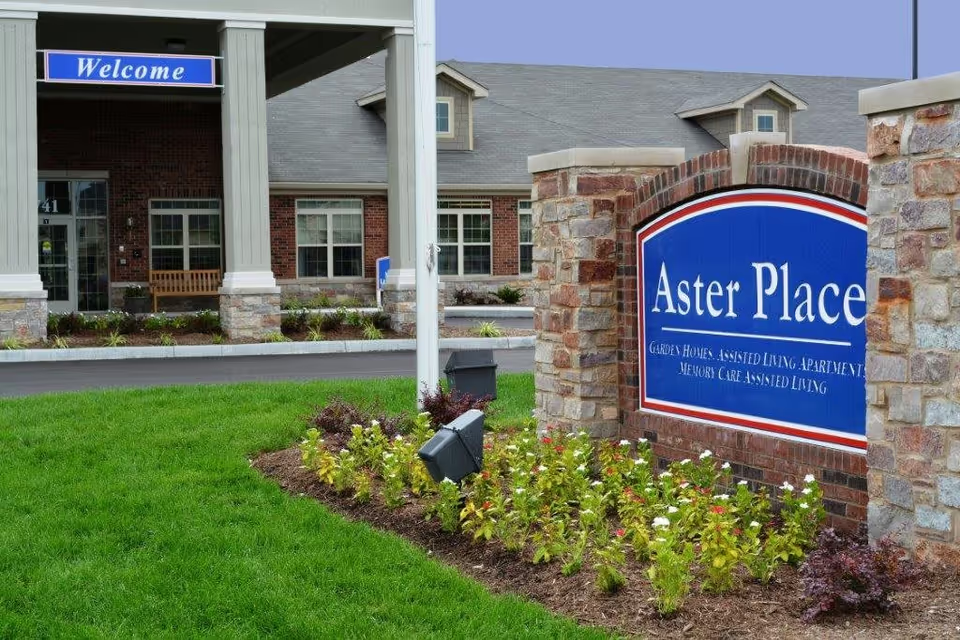
The reviews present a mixed but consistent picture: Green Hill Manor offers a generally pleasant physical environment and a number of interpersonal strengths, while exhibiting operational and clinical gaps that warrant attention. Many comments praise the facility’s appearance and atmosphere — reviewers used terms that indicate a clean, home-like setting with a welcoming front-line team. In-room telephones and a visible caregiving presence are noted as conveniences that support resident access and connection.
Care-quality concerns center on responsiveness and specific clinical competencies. Multiple reviewers described slow or inconsistent responses to call lights and pull cords, and there are several indications of delays in medication delivery, including pain-management timing. Clinical skill gaps were specifically referenced in the area of wound care, and some reviewers raised questions about rehabilitation services and oversight. In addition, there are statements indicating weaknesses in communication between the facility and physicians, which can compound clinical coordination problems.
Staffing and conduct form a salient theme. While some reviewers described individual caregivers and teams as compassionate and effective, others described staff as overextended, sometimes curt in communication, and insufficient in number to meet demand. This combination suggests staffing shortages or scheduling patterns that reduce responsiveness during peak times. Operationally, reviewers noted organizational issues — lost appointment lists and general disorganization — that point to weaknesses in record-keeping and administrative workflows.
Facility services such as dining and activities receive mixed feedback. Meal quality is described as inconsistent and below expectations by some families, and activity programming was characterized as limited. Environmental factors — elevated noise levels in certain areas and the presence of an on-site smoking area near common spaces — were cited as detractors from comfort for some residents. A small number of reviewers also mentioned odor concerns in particular areas, which may be localized cleanliness or ventilation issues.
Taken together, the pattern is one of a facility with positive interpersonal strengths and a generally welcoming environment but with operational and clinical processes that produce variability in resident experience. Prospective residents and families should consider an on-site visit focused on measurable operational items: average call-light response times, staffing levels and shift coverage, wound-care protocols and nursing credentialing, medication administration timing, appointment-management practices, the structure and staffing of the rehabilitation program, meal-service samples, activity schedules, smoking policies, and odor-control/housekeeping procedures. Asking management for documentation of staffing ratios, clinical training programs, and examples of physician-communication workflows can help clarify whether the facility’s strengths are consistently delivered and whether identified weaknesses are being addressed.