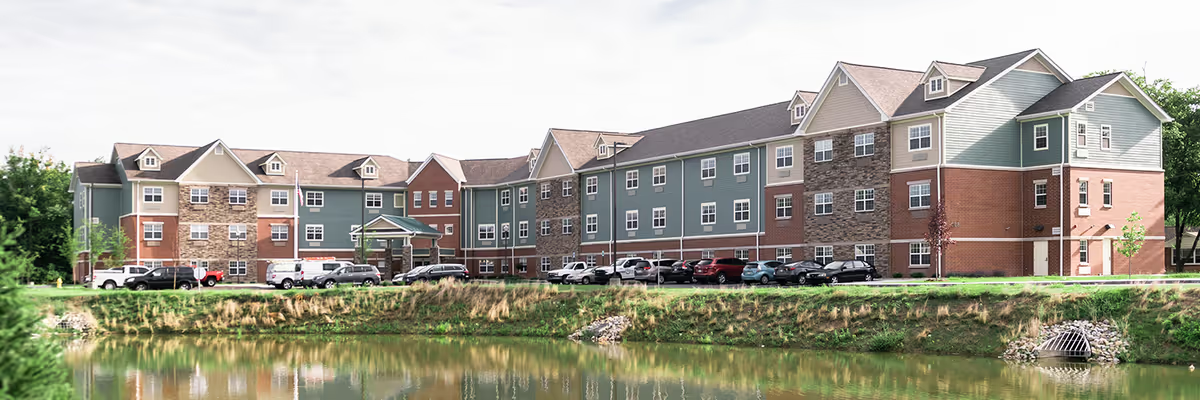
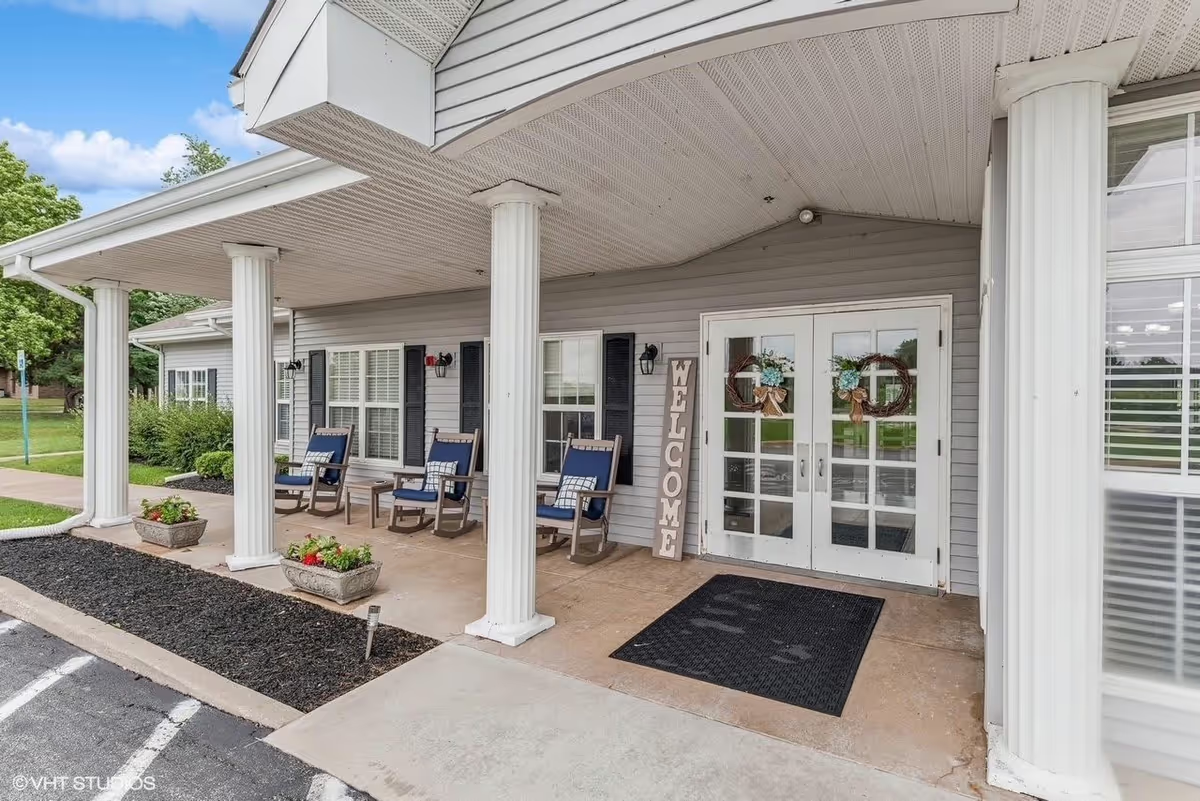
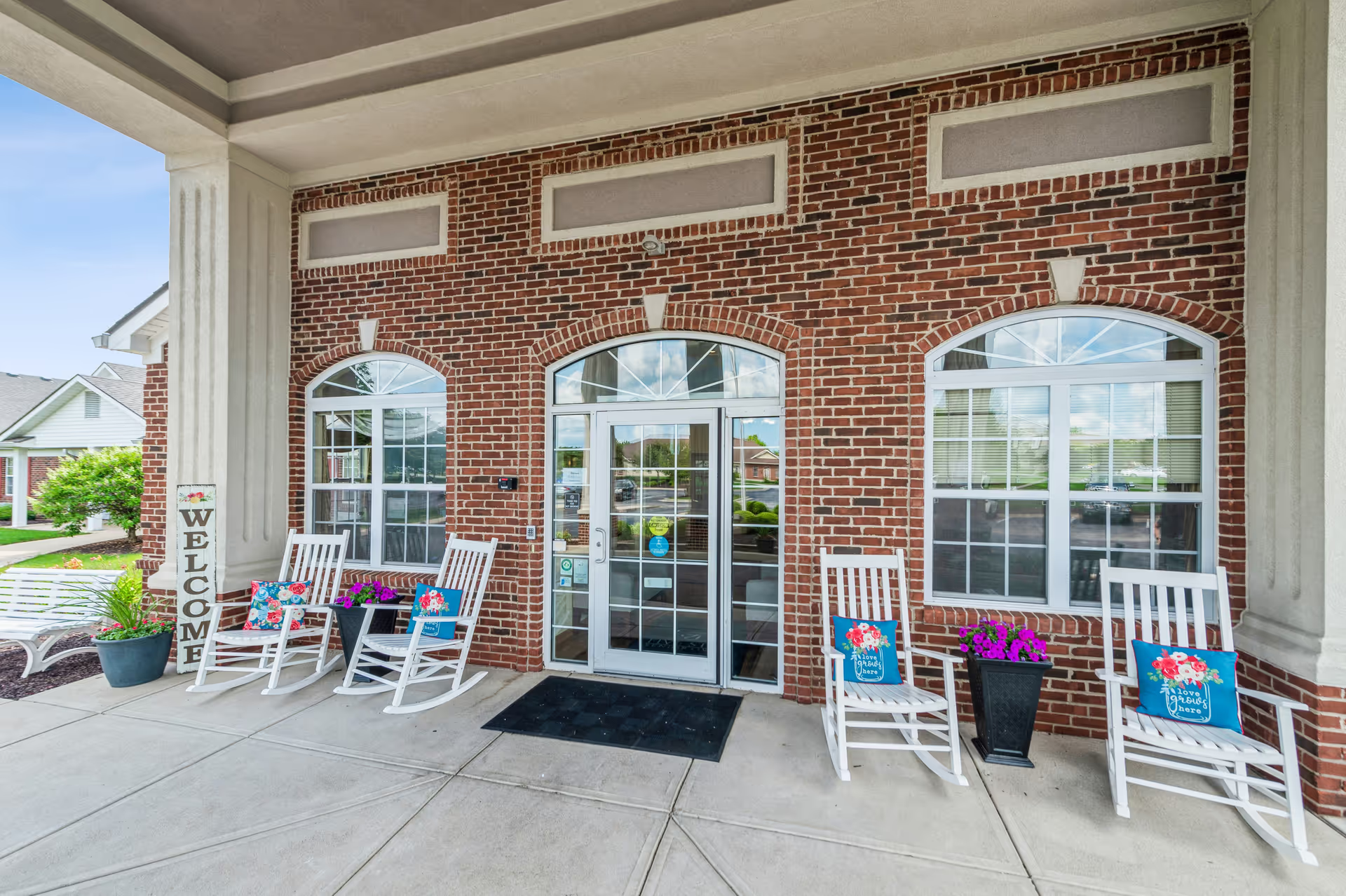
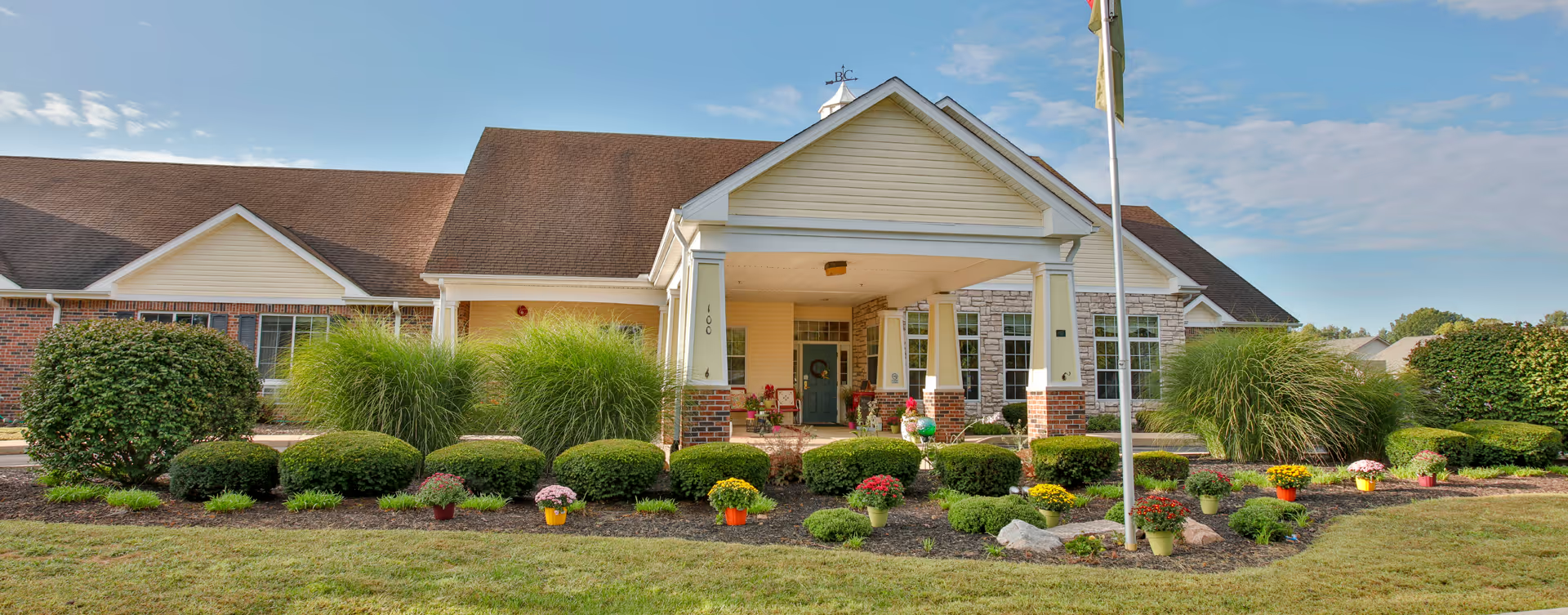
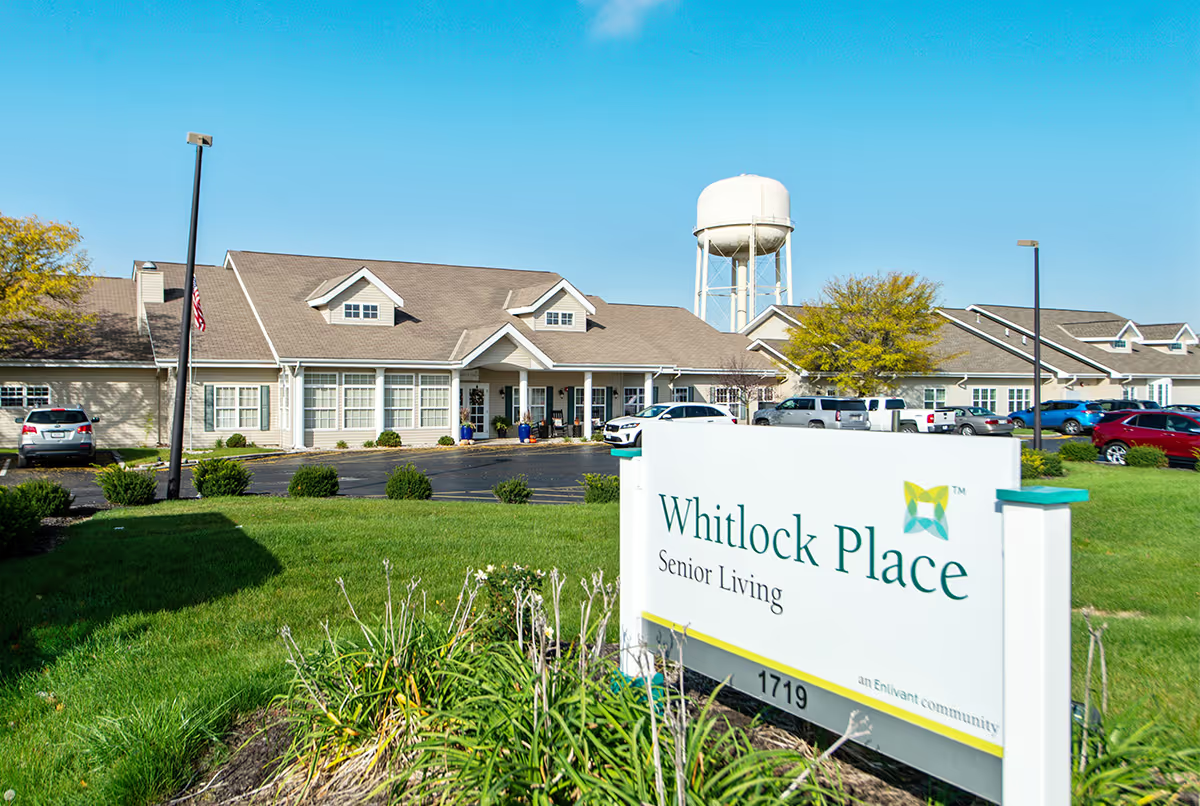
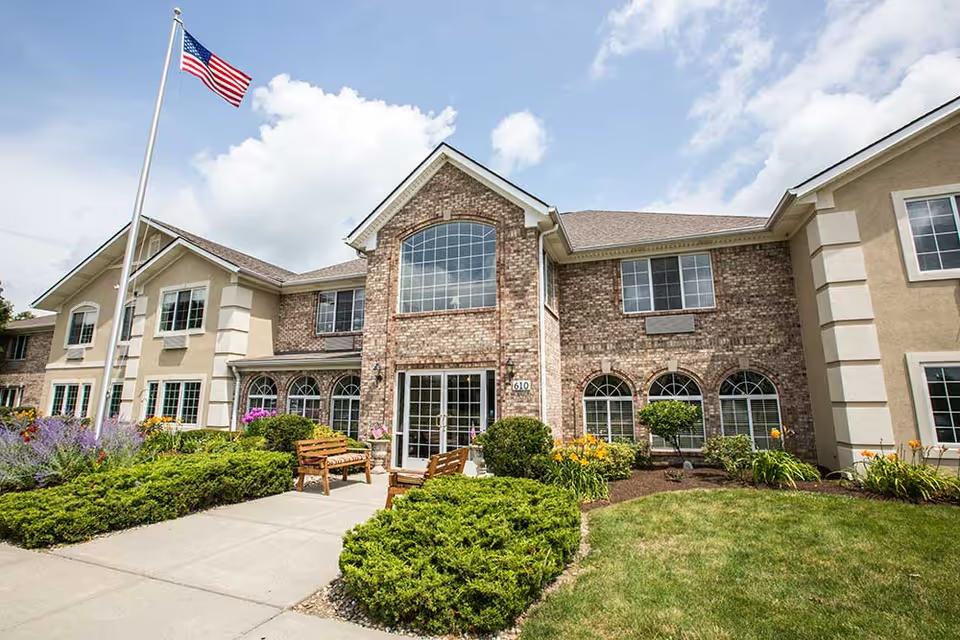
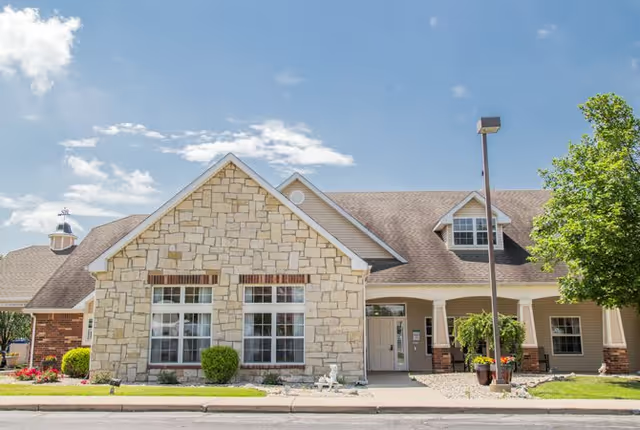
Bickford of Lafayette presents as a community with strengths in resident-centered hospitality and social programming alongside some operational inconsistencies. Many accounts describe a warm, country-club–style atmosphere with hotel-like private rooms or one-bedroom apartments that can include kitchens. Common-area amenities such as an on-site spa, fitness area, and a pleasant dining room contribute to an environment that families characterize as peaceful and inviting. Clean, well-appointed rooms and flexibility to use personal furniture were also noted.
Staff and care quality are frequent positive themes. Staff are described as personable, attentive, and knowledgeable; numerous comments highlight that staff learn residents’ names and provide personalized assistance. Volunteer involvement and regular spiritual visits supplement onsite care, and several families expressed strong satisfaction with the overall attention and day-to-day support their relatives received. At the same time, there are operational concerns tied to staffing and role allocation: instances of clinical staff performing nonclinical duties (for example, nursing staff assisting with kitchen work) suggest uneven staffing patterns that could affect continuity of clinical care.
Dining and activities receive generally favorable mentions. Dining is often described as appetizing, served by waitstaff, and able to accommodate picky eaters and guests in a separate dining room. The activity program includes both social and cognitive engagement — puzzles, cognitive tasks, group activities, and frequent visitors — though the breadth and organization of programming appear to vary across units. Some reviewers described a rich schedule of events and social spaces, while others experienced fewer activities and smaller lounges, indicating variability in common-space use and program delivery.
Facility and management observations are mixed. Positive notes include involved leadership and responsive tour/follow-up experiences; specific staff members attracted praise for their engagement. Conversely, reviewers identified small resident rooms in some areas and bathroom designs perceived as institutional, which may affect resident comfort. Several families expressed concern about pricing and perceived pressure for upfront deposits or fees. Overall, prospective residents and families should balance the facility’s strong interpersonal care culture, dining quality, and amenity profile against potential variability in staffing, activity organization, room size, and cost structure when evaluating fit.