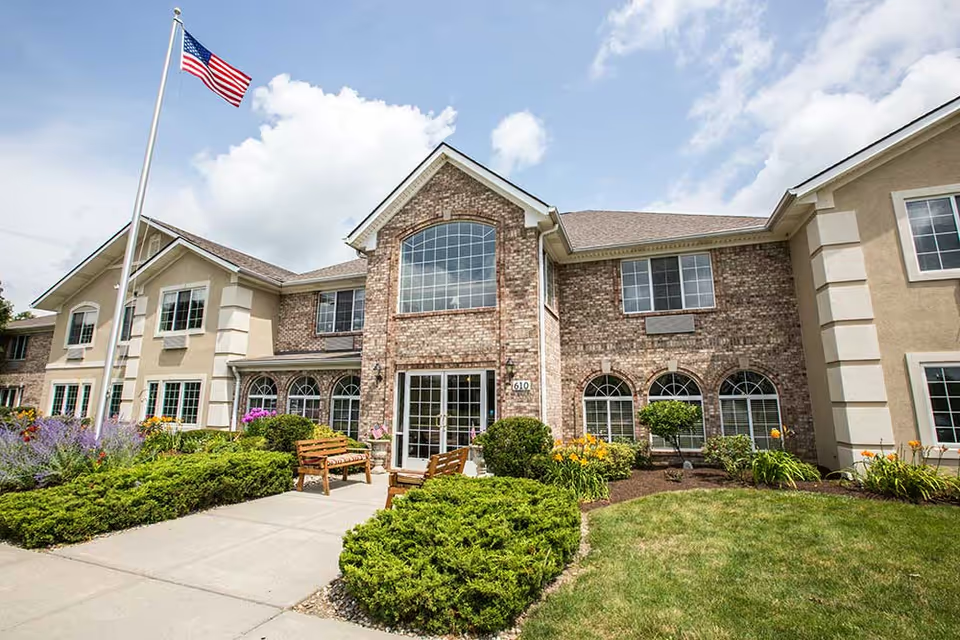
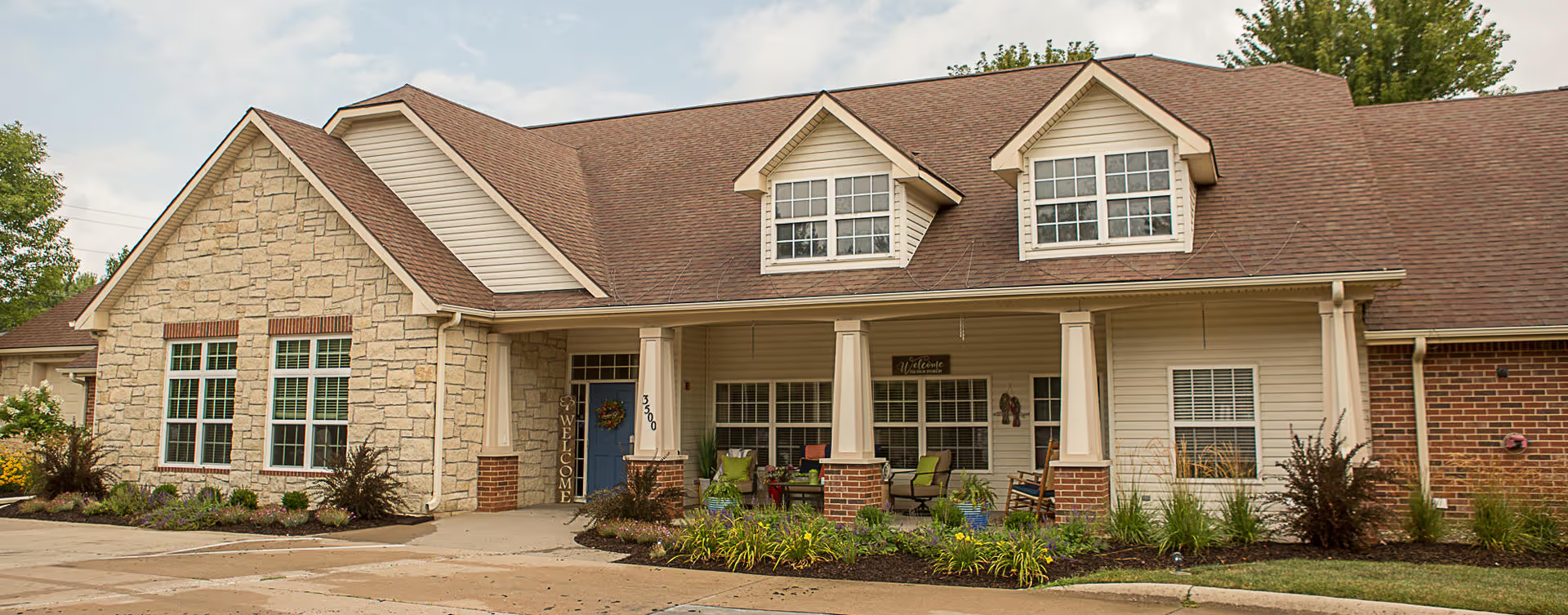
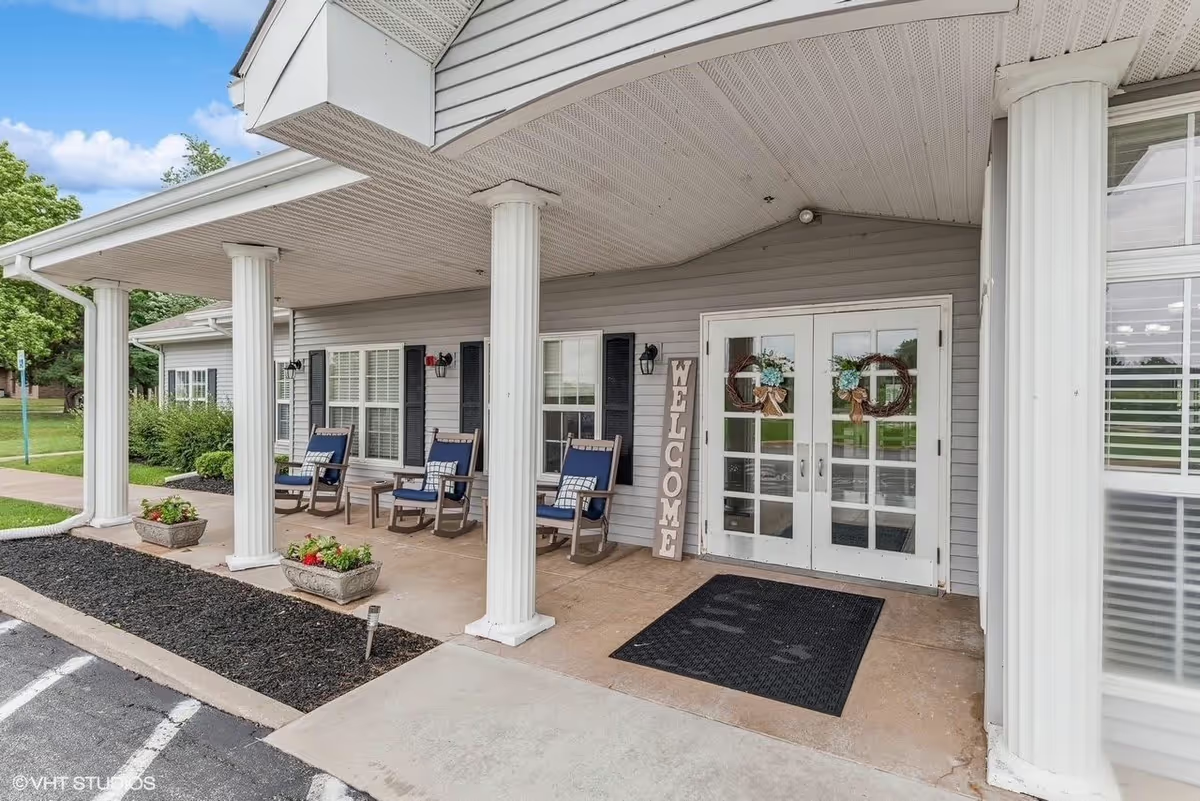
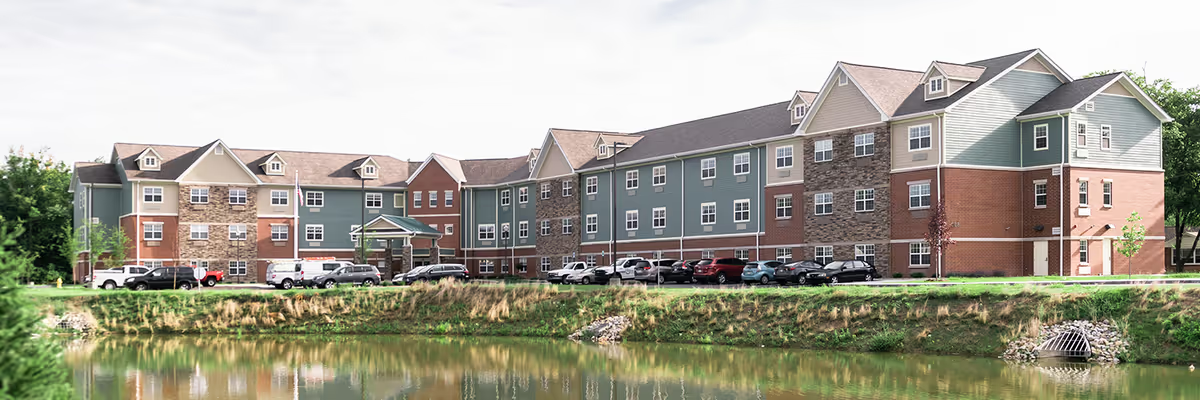
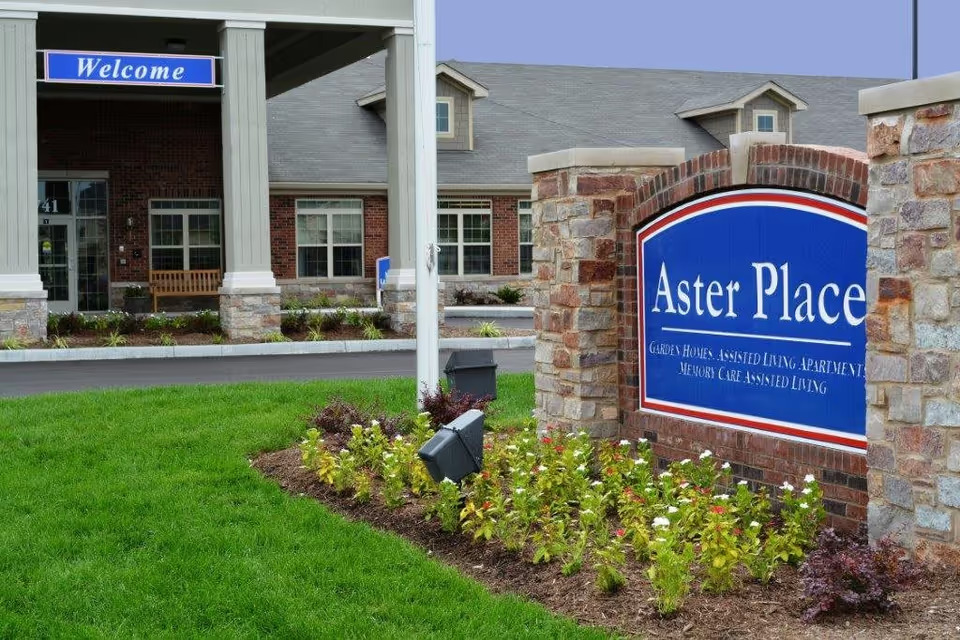
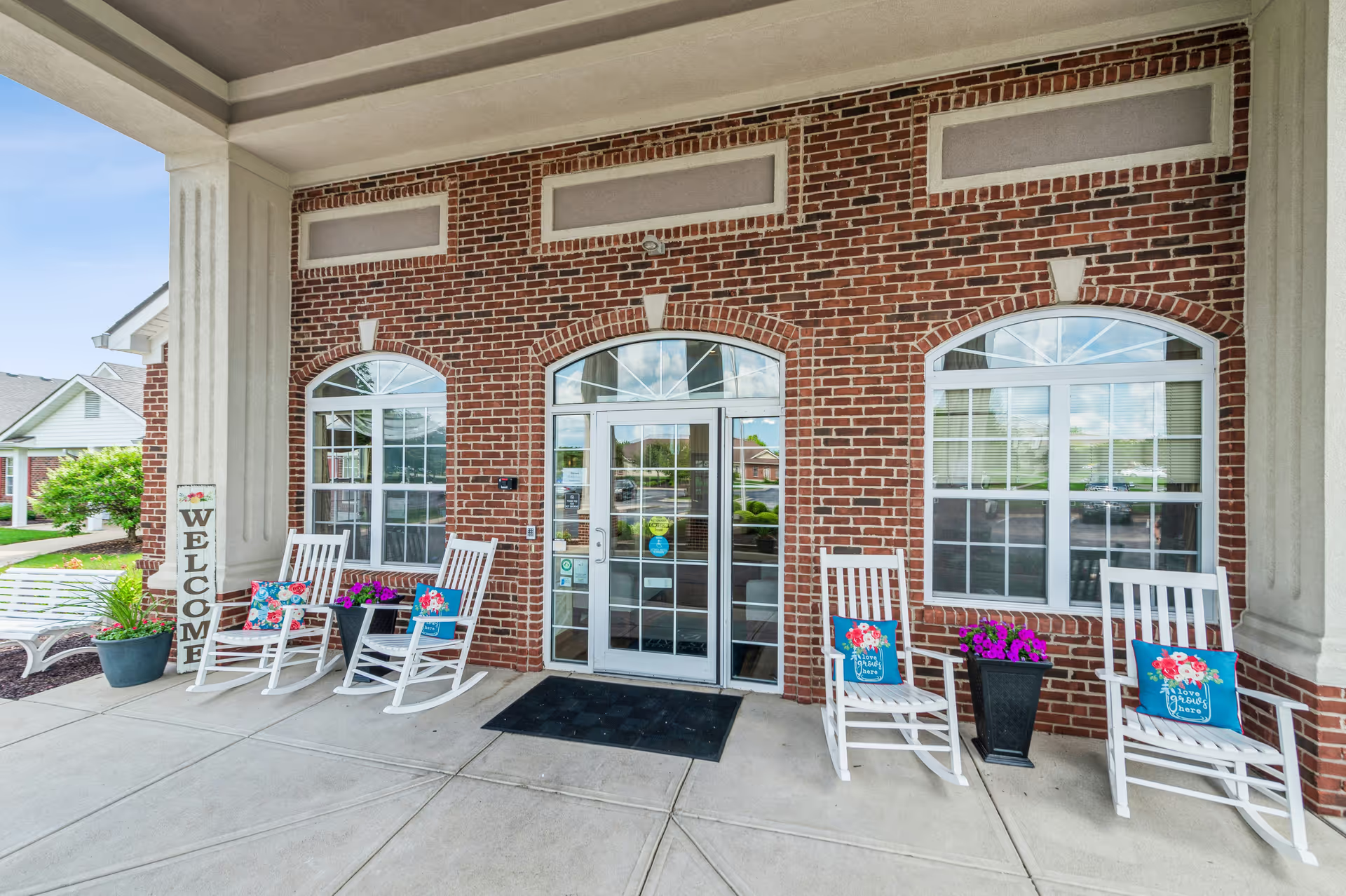
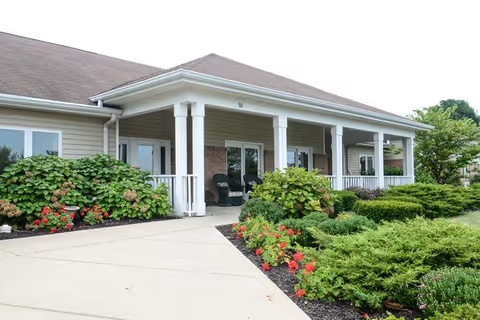
1019 Belle's Place of Crawfordsville presents a mix of strong environmental and relational strengths alongside notable operational and management concerns. Many reviewers emphasize a clean, home-like setting with welcoming common areas and pleasant smells; rooms and studio apartments are described as well maintained and attractively furnished. The facility is small in scale, which several families and staff characterize as contributing to a family-like atmosphere and individualized attention.
Staff and care quality receive generally positive comments for day-to-day interactions: caregivers are frequently described as compassionate, patient, and engaged, with some families noting staff who go above and beyond and long staff tenure that supports continuity of relationships. The memory-care approach is often characterized by personalized engagement and redirection techniques to manage agitation, and some families feel residents are treated like family. However, there is variability in clinical outcomes and behavioral management in the memory unit. A subset of families reported incidents where resident agitation led to emergency care, which points to inconsistent dementia-care approaches and occasional gaps in clinical oversight.
Dining and activity programming are frequently praised. Reviewers note an appealing menu and attractive dining rooms (tablecloths, flowers, fireplace), along with an active activities calendar that includes bingo, exercise, church services, and outings. The facility’s secure outdoor spaces and patios are seen as additional positive features that support resident quality of life. Several remarks also highlight pet-friendliness and purposeful, hobby-focused spaces.
Facilities are described as small but comfortable; the compact layout helps create intimacy but also produces circulation challenges. Multiple reviewers mentioned congested hallways and a nurses’ station location that can make navigation with walkers or mobility aids awkward. Staffing is described as friendly and organized but, at times, constrained—staff appear busy and some families perceive limits to staff availability during peak demands.
Management, administration, and communication are the clearest areas of concern. Families described inconsistent communication, incomplete follow-through on agreed plans, and a lack of formal documentation or responsiveness from leadership. There are also concerns about financial and discharge practices, including unclear refund and termination procedures and inconsistencies in billing and medication charges. An ownership transition was noted by some reviewers, with critiques that operational problems persisted despite the change in ownership. Taken together, these patterns indicate gaps in leadership accountability, documentation transparency, and certain clinical and administrative processes.
For prospective residents and families, the facility’s strengths include a warm, clean environment, personable staff, engaging activities, and an appealing dining experience. Those prioritizing strong, consistently documented administrative practices, transparent billing/refund policies, and robust, uniform dementia-care protocols should seek clarifications in writing before admission—specifically regarding discharge rules, medication administration and billing procedures, and how behavioral incidents are managed and communicated to families.