Autumn Glen is consistently described as a small, home-like assisted living community whose principal strengths are its staff and sense of family. Across reviews families and residents emphasize compassionate, attentive caregivers — including nurses, CNAs, therapists, and kitchen and housekeeping staff — and strong staff–resident relationships that contribute to residents’ physical and emotional well-being. Multiple accounts describe measurable health and mobility improvements associated with on-site therapy and proactive nursing involvement. Management and administration are commonly characterized as professional and responsive, and staff continuity and long tenure are noted as stabilizing factors.
Dining and daily living are prominent positive themes. Many reviewers praise freshly prepared, well-seasoned meals, multiple menu choices, and an engaged dining staff; several also single out a skilled chef. Activities programming is broad and socially oriented, with card games, bingo, holiday events, beautician services, walking and therapy programs, and regular outings to restaurants and shopping. These offerings support socialization and routine; reviewers frequently link activity participation to improved mood and friend-making among residents.
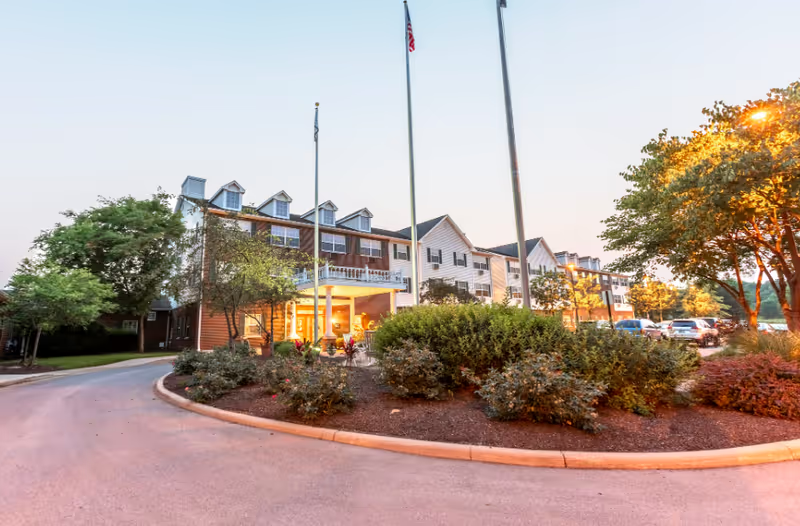
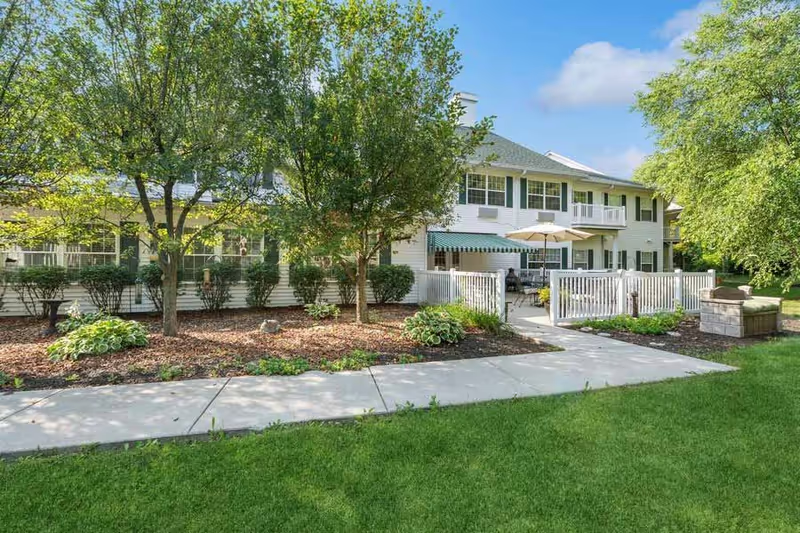
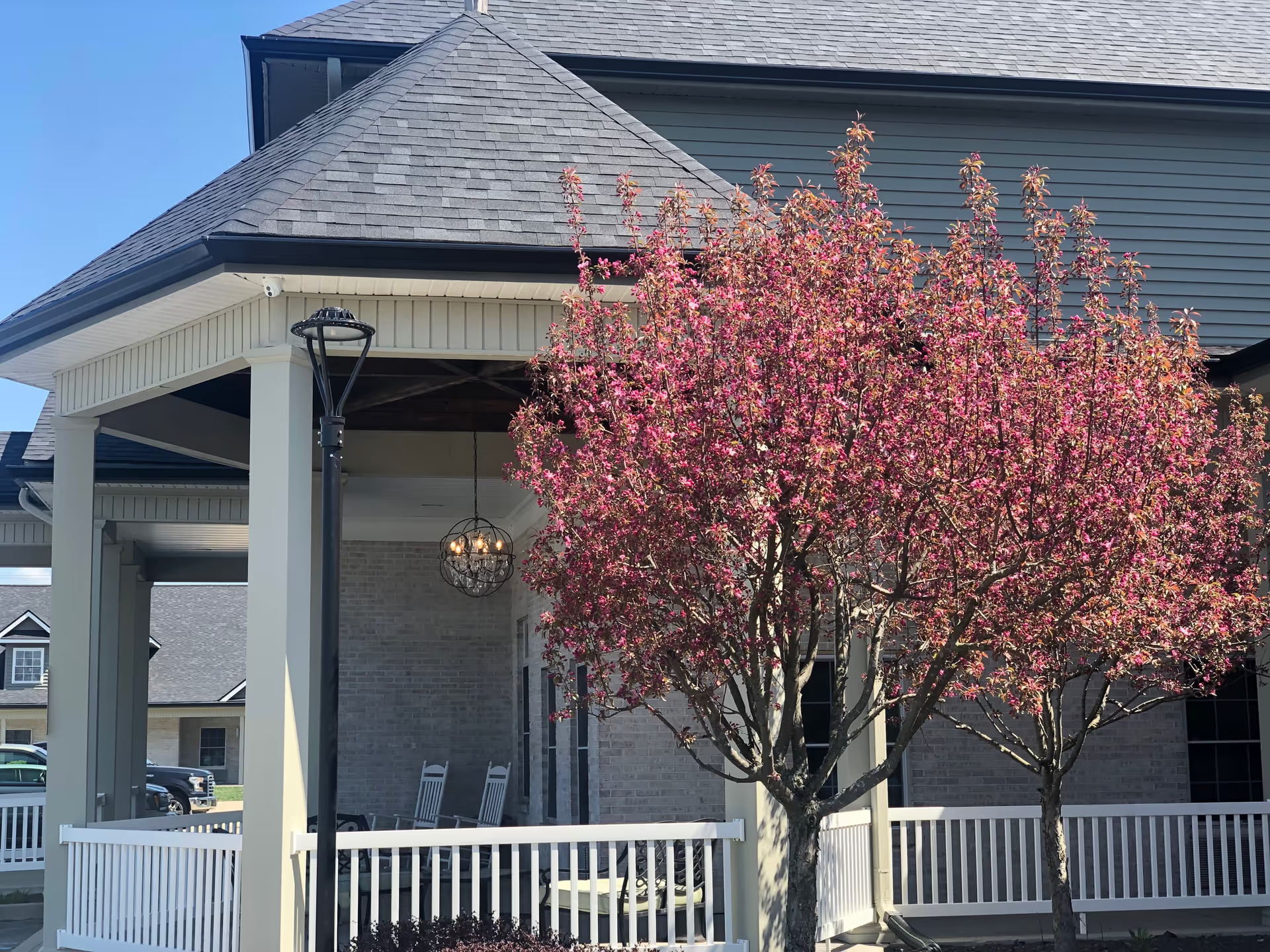
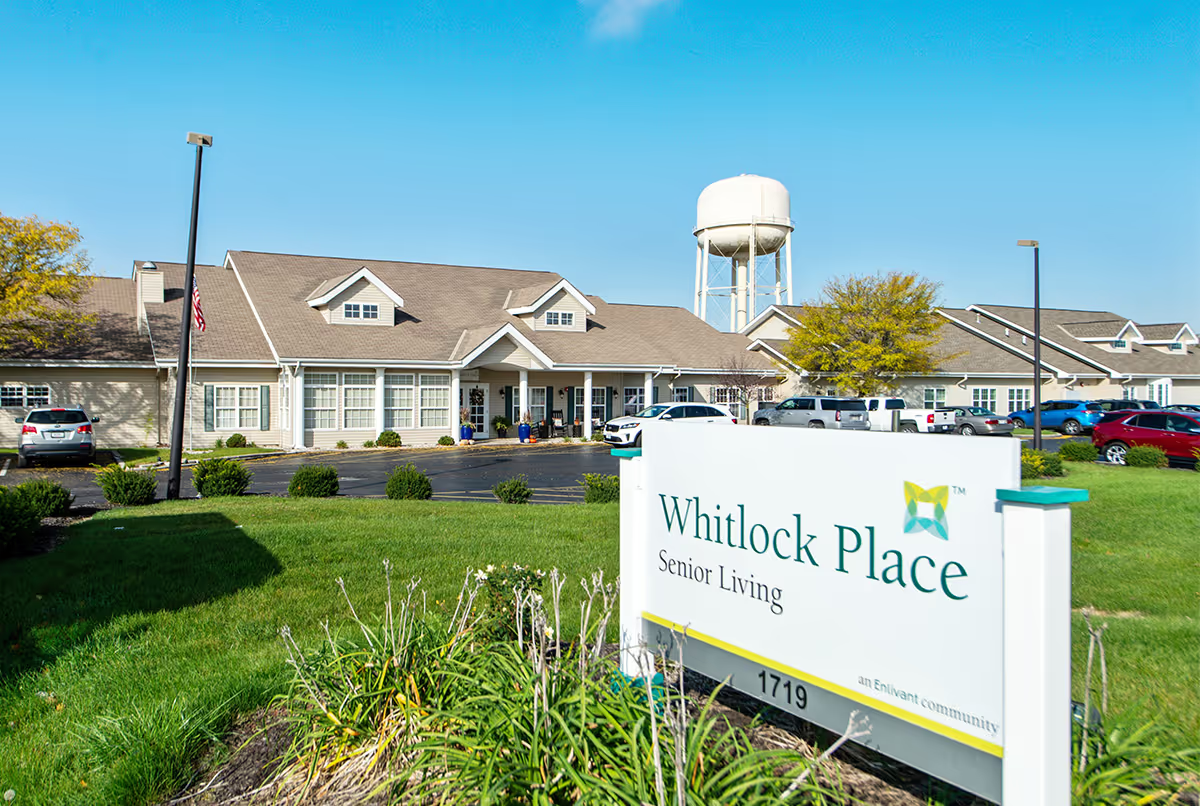
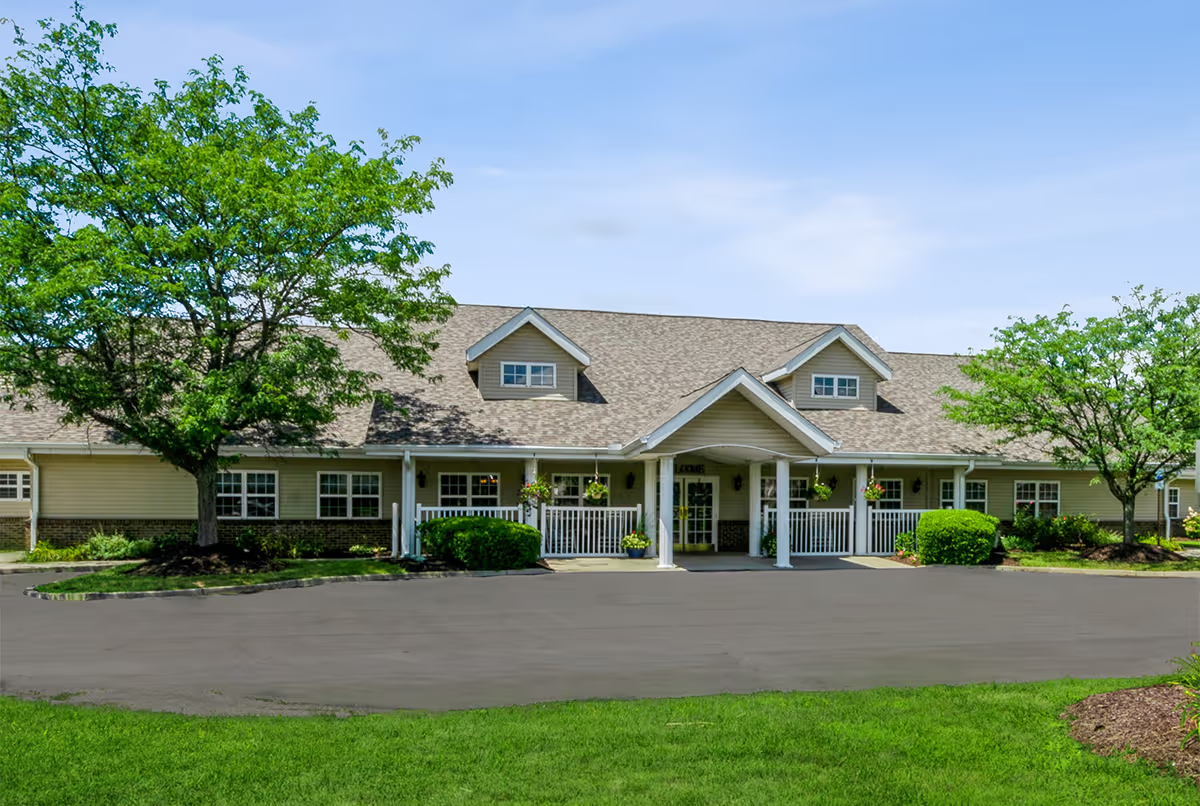
The physical plant is described as bright, clean, and well-maintained. Rooms and studios are often noted as comfortable and apartment-like, with private kitchenettes and baths available in some units. Grounds and outdoor seating areas, screened porches, and courtyard spaces are valued. Accessibility features such as wide hallways and handrails are highlighted. At the same time, the facility’s small scale is a double-edged characteristic: it contributes to a close-knit atmosphere but limits expansion of outdoor amenities and private-space options.
Notable operational limitations recur in reviews and merit attention from prospective residents and families. Autumn Glen does not appear to have a secured memory-care unit or locked residential wing, and reviewers explicitly link the open-access layout to elopement risk. Nighttime staffing levels are described as thinner than daytime coverage, which some families view as a potential vulnerability. There is also a pattern of variable dining quality connected by multiple accounts to changes in food-service providers, and a few mentions that medication-administration availability has been inconsistent at times. Finally, the facility’s smaller size is associated with relatively higher costs for some families.
For prospective residents and families: Autumn Glen offers a high degree of personal attention, strong social programming, and a clean, home-like environment with on-site clinical support. Those considering the community should ask specifically about dementia care protocols and secured-exit safeguards, nighttime staffing ratios and response procedures, current food-service arrangements, and medication-administration policies and continuity. Clarifying these operational details will help determine whether the facility’s family-oriented model aligns with a resident’s clinical and safety needs.