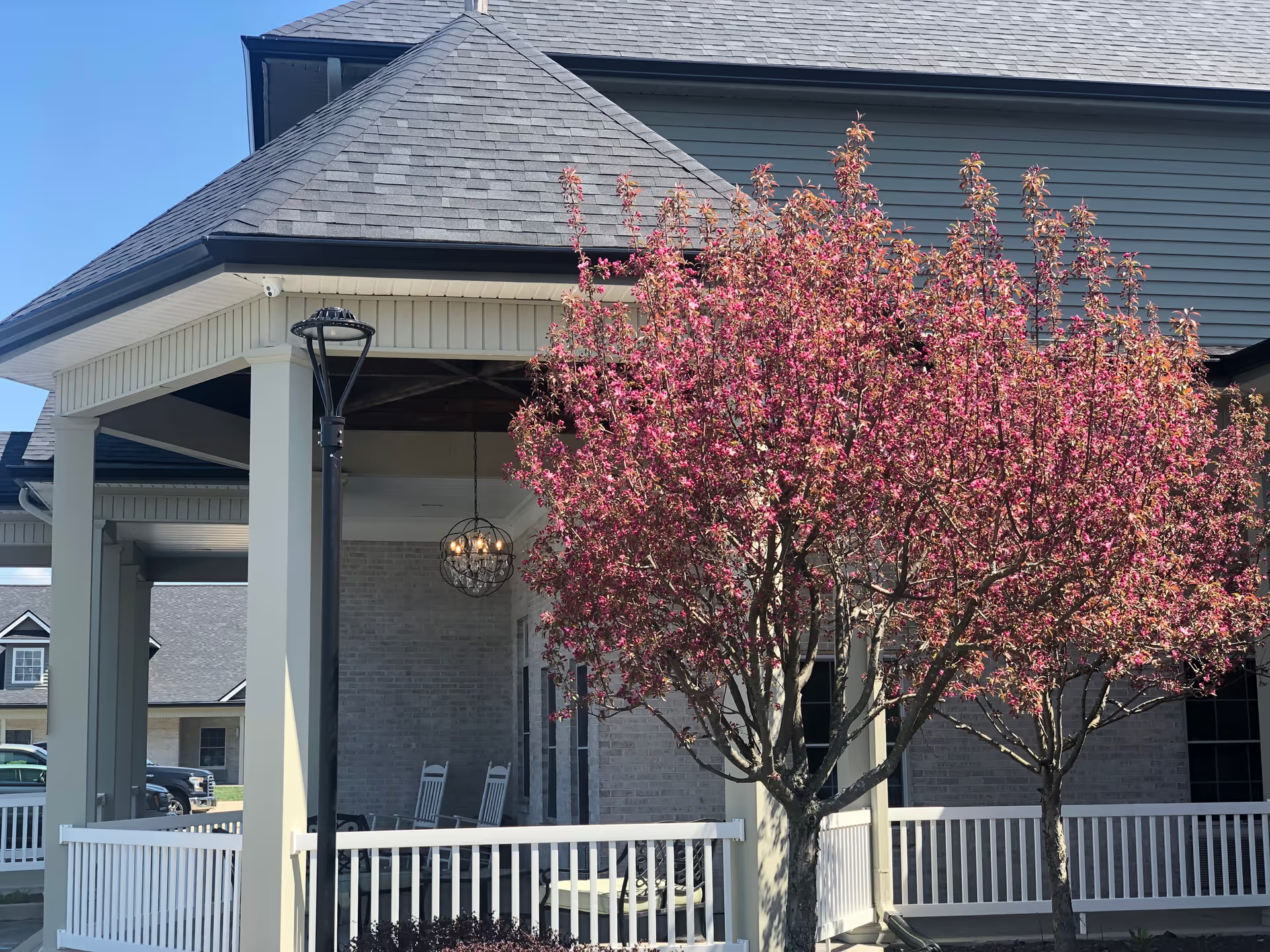
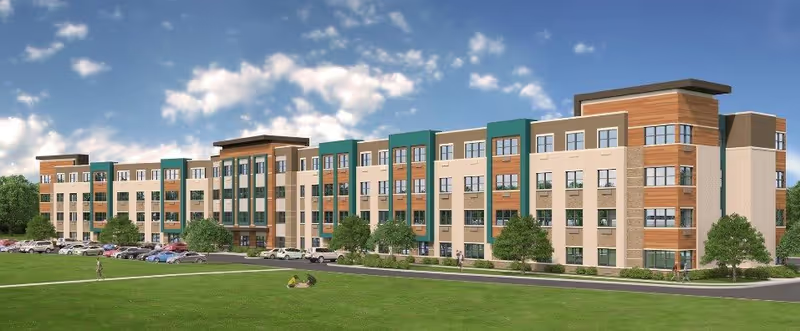
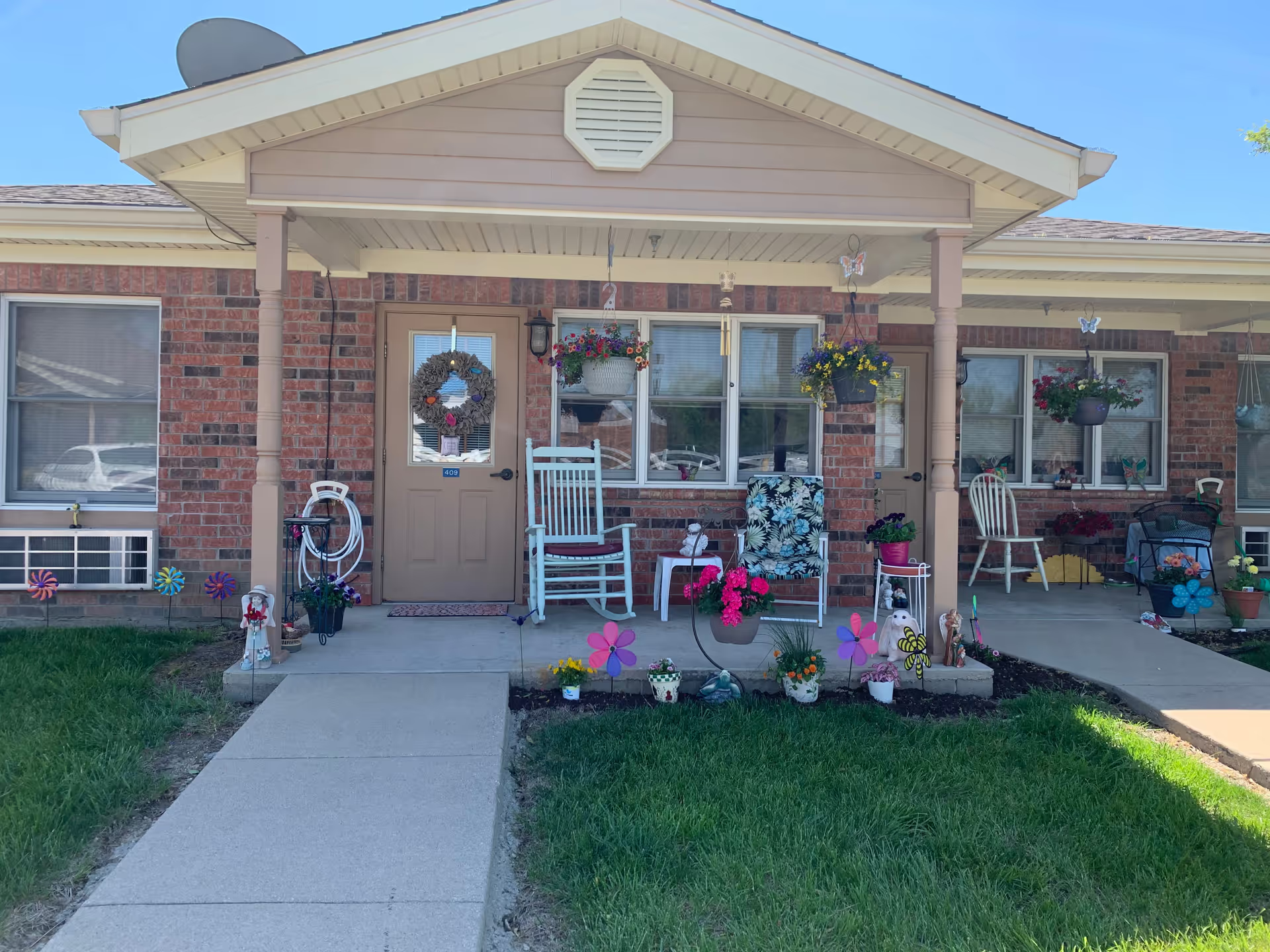
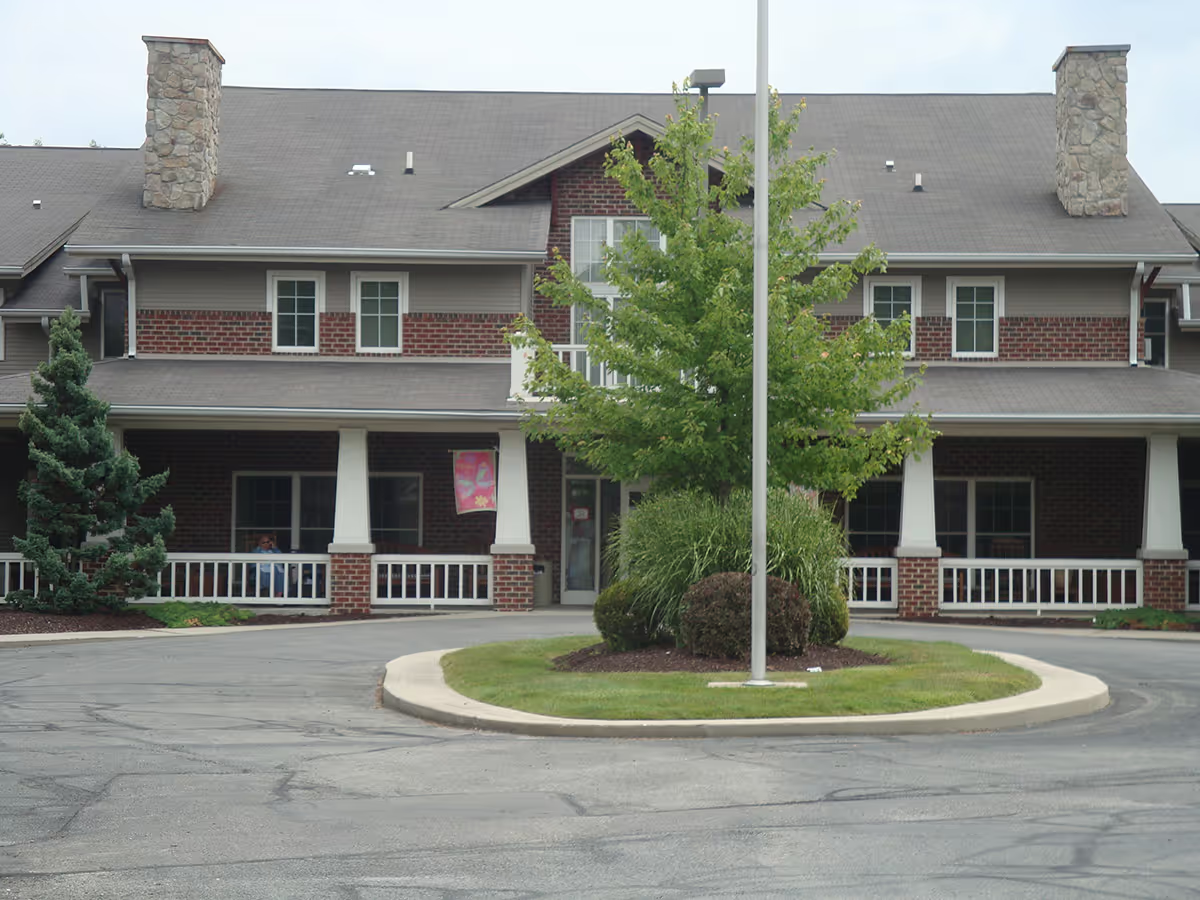
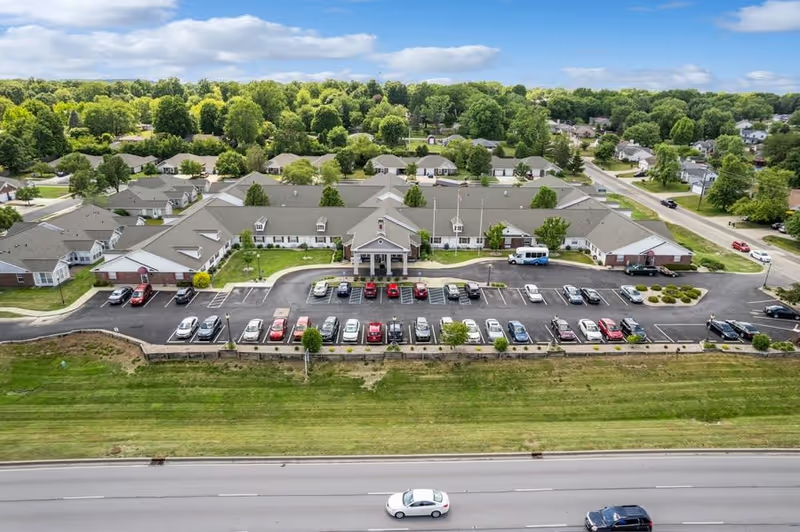
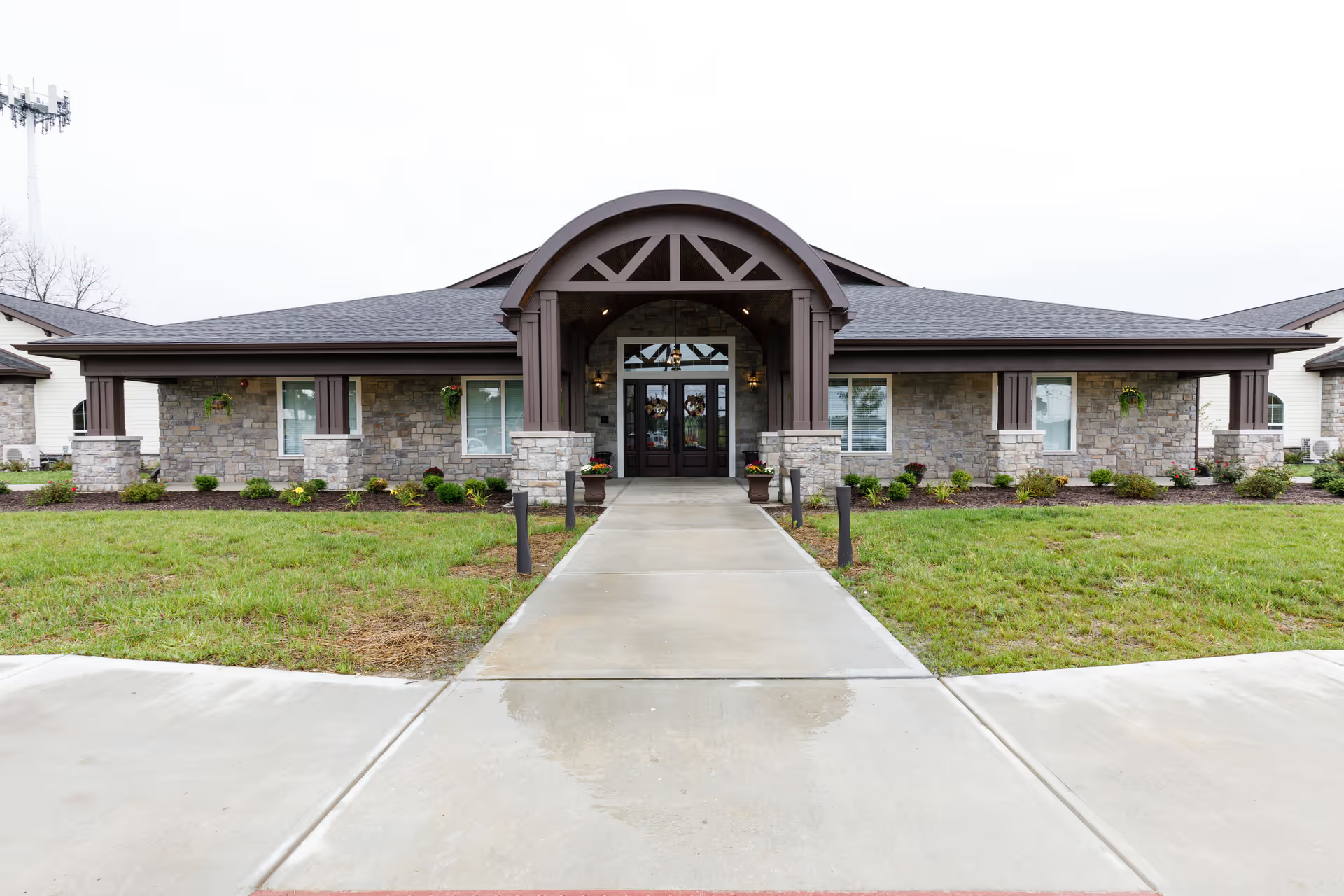
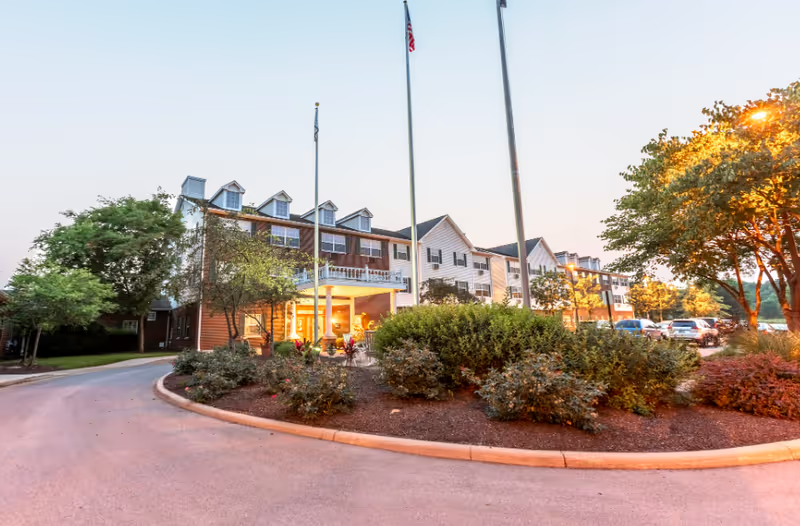
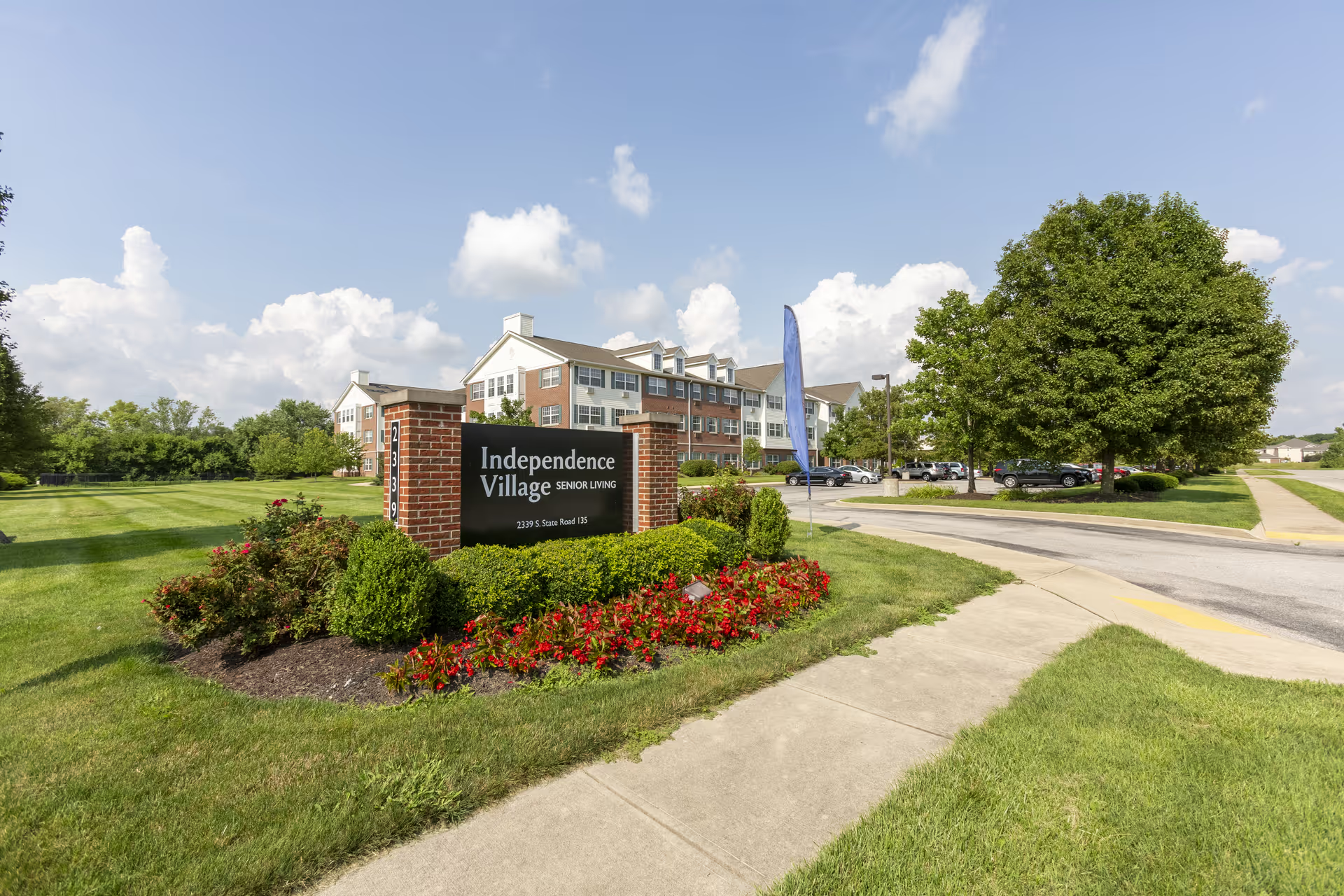
Worthington Place presents as a small, residential-style assisted living community with a consistent emphasis on quality of life. Reviewers frequently describe a home-like atmosphere, a compact population (about 39 apartments), and communal spaces that are bright and well-appointed. Private units are commonly noted as roomy for the setting, many with kitchenettes and walk-in showers. Onsite amenities such as a salon, exercise room, courtyard seating, and regular transportation for appointments and outings are repeatedly cited as strengths.
Care quality and staffing: Families and residents often praise the caregiving team as compassionate, attentive, and engaged. Reviewers highlight individualized attention, hospice support, effective wound care in some cases, and staff who take extra time with residents. The community receives particular positive mention for memory-care programming and wanderer-safety features. At the same time, recurring operational concerns appear around staffing consistency — periodic short-staffing, delays in response, and turnover among lead clinical staff are themes. These workforce issues have been linked in some accounts to delays in care response and to family frustration about timeliness and follow-up after clinical incidents.
Dining and activities: The activities program at Worthington Place is one of its most consistent strengths. Families note daily exercise classes, live music, crafts, socials, field trips, and holiday events that foster resident engagement. An active activities director is a frequent compliment. Dining spaces are described as bright and formal in presentation, with communal meal options and opportunities for families to join; however, food quality is characterized variably — some families praise the meals while others find them bland or inconsistent.
Facilities and safety: The building design and cleanliness receive strong positive comments: well-maintained common areas, clean apartments, and accessible features like walk-in showers and safety alarms for residents at risk of wandering. Transportation and therapy services (PT/OT) are available on site or via the community. A minority of accounts raise sanitation or odor concerns in specific common areas and cite exterior grounds maintenance issues; prospective families may want to inspect both interior and exterior upkeep during a visit.
Management and operations: Experiences with leadership and administrative processes are mixed. Several reviewers commend proactive administrators and responsive communication; others identify management inconsistency, admissions/placement-process problems, and perception of unfulfilled promises. Financial and contractual matters also emerge as a recurring theme: higher private-pay pricing, limited acceptance of Medicaid, and confusion or dissatisfaction with billing and fee policies in certain cases. Additionally, some reviewers question advertised clinical coverage (for example, around 24-hour licensed nursing) versus actual onsite licensed-nurse availability.
Patterns and considerations for families: Overall, many families report high satisfaction driven by a caring staff, active programming, and a comfortable, small-community environment. However, there are consistent operational caveats: verify current staffing models (including licensed-nurse coverage), clarify admission and billing terms, confirm cleaning and grounds-maintenance practices, and ask about incident-response protocols and family communication pathways. A tour that includes meeting direct-care staff, seeing an apartment, and discussing specific clinical and financial policies will help align expectations with the mixed operational reports reflected in these reviews.