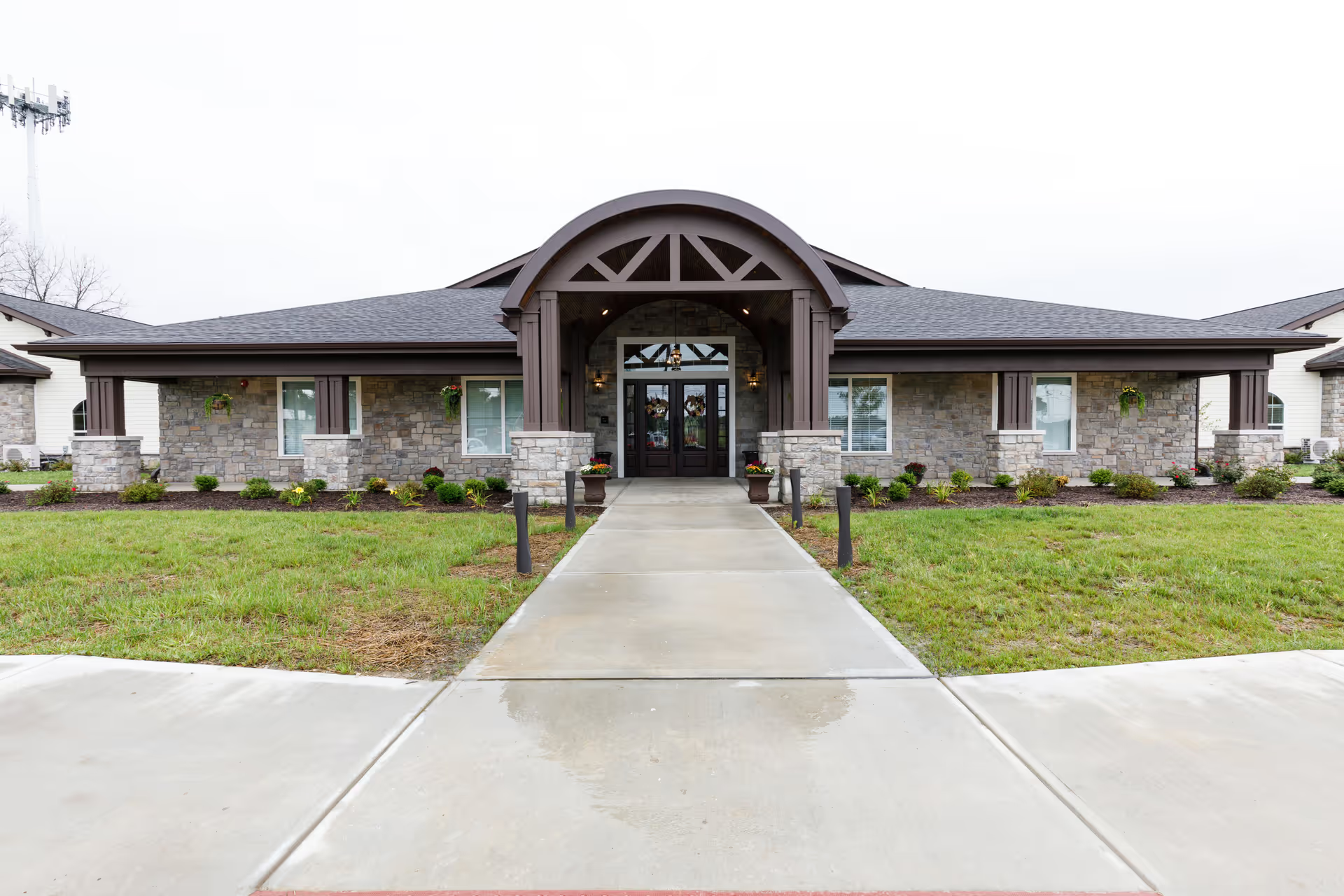
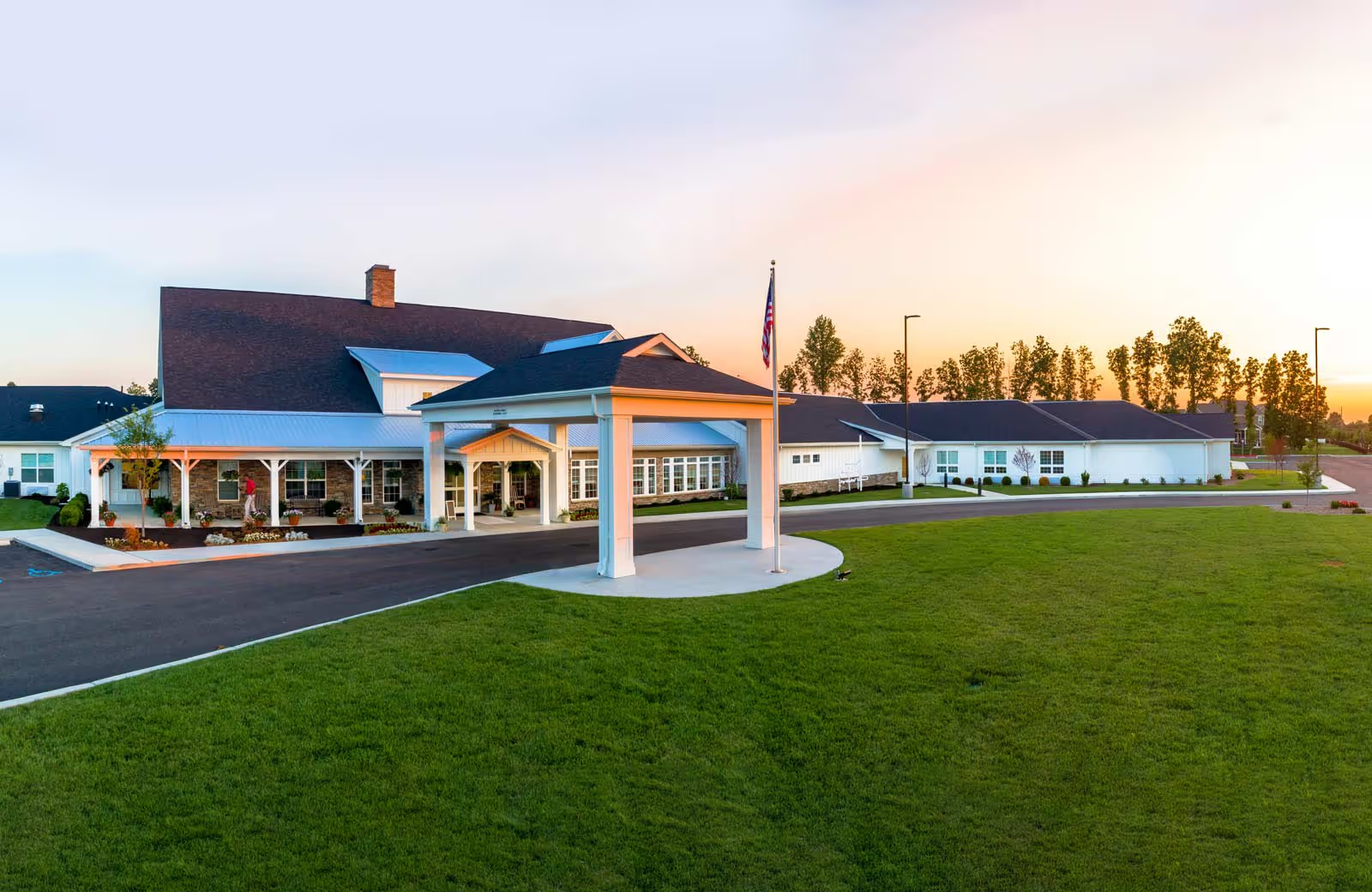
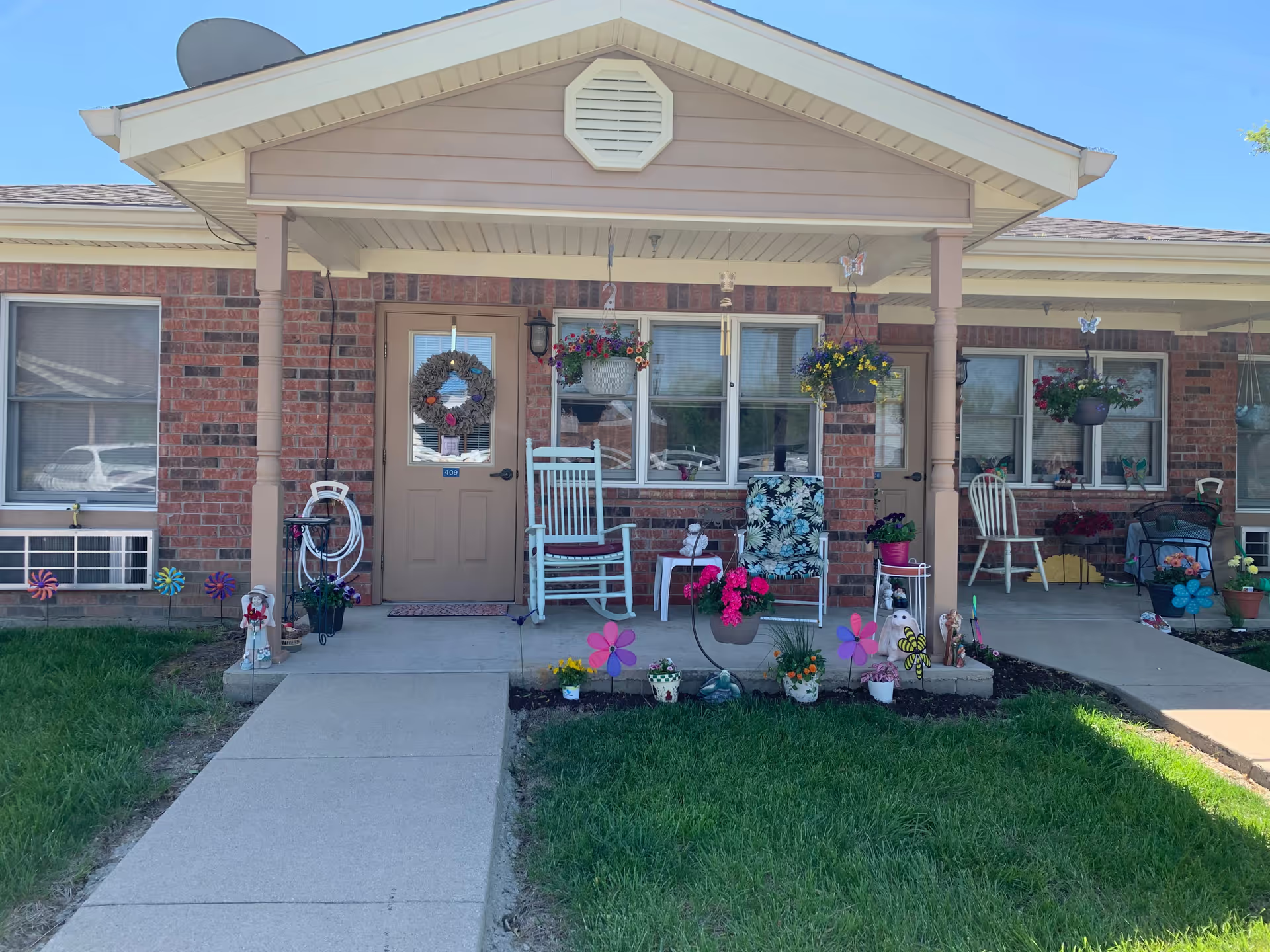
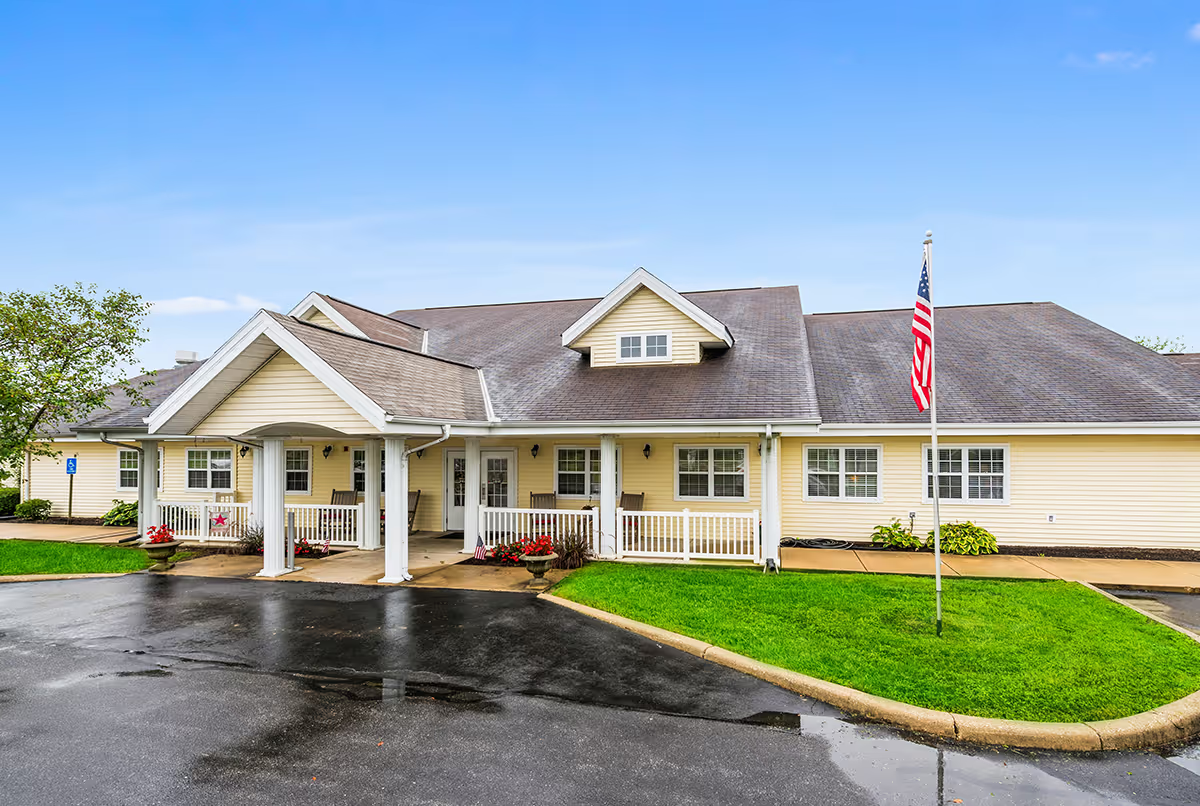
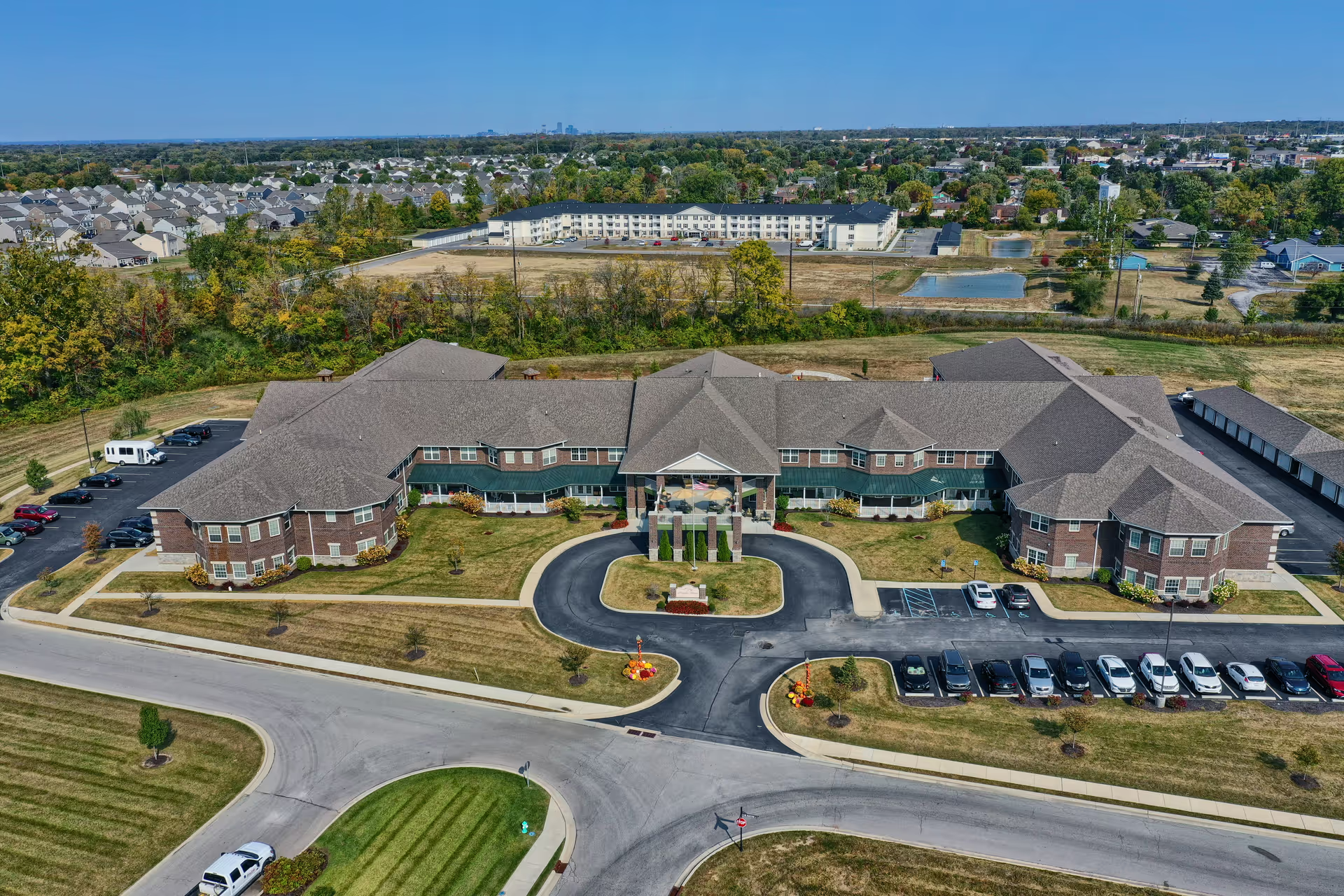
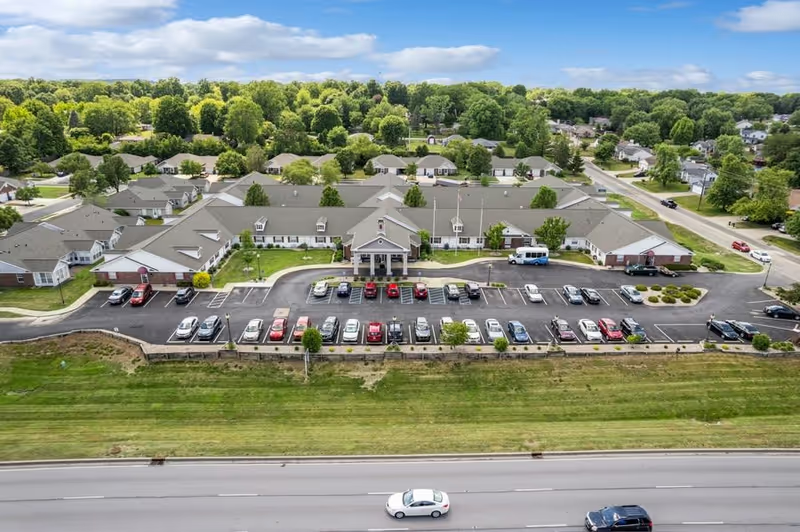
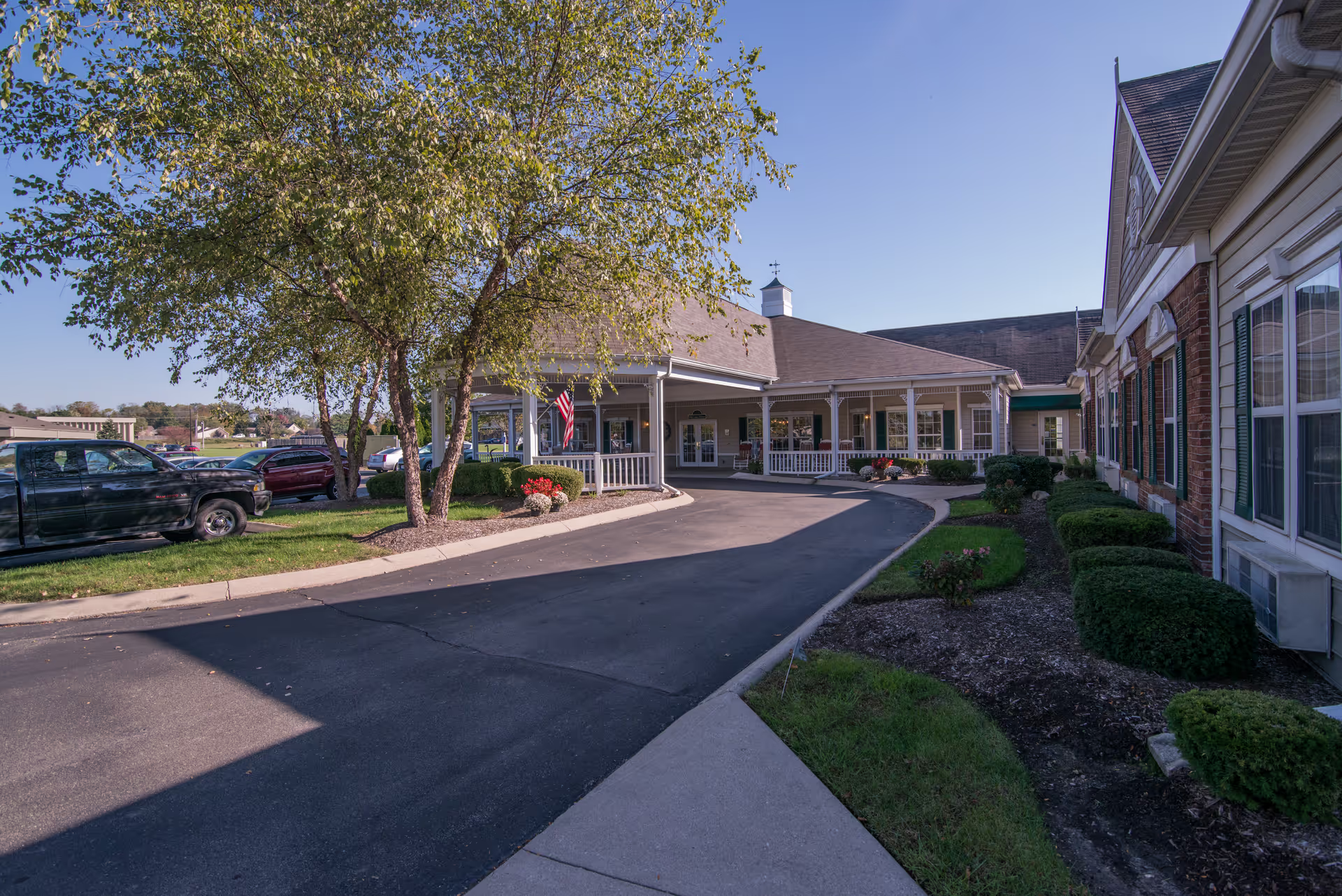
Grand Victorian of Greenwood elicits a broad range of experiences; many reviewers describe warm, attentive caregivers, strong rehabilitation services, and an active social environment, while others describe operational inconsistencies that affect daily care. Strengths most consistently cited include a caring frontline workforce, onsite physical and occupational therapy, physician and nurse-practitioner availability, and a restaurant-style dining program. The campus and common areas are frequently described as bright, renovated, and well maintained, with apartment-like units, pleasant grounds, and a range of amenities that support socialization and short-term rehabilitation.
Clinical care and staffing present a mixed picture. Several reviewers praised knowledgeable nursing staff—particularly in memory-care settings—and reported meaningful clinical improvements during short-term stays. At the same time, recurring themes include inconsistent staffing levels, high staff turnover, and episodic delays in responding to resident calls or assistance requests. These operational weaknesses have been linked to variable care quality, medication-management concerns, and gaps in clinical coverage that have, in some instances, required family intervention or transfer of care.
Dining and activities are frequently described as positive contributors to resident life. Many residents and families appreciate the fresh, varied menus, restaurant-style service, and an active calendar of outings, bingo, and themed events. However, others note variability in meal options and occasional reductions in offered items. The life-enrichment program is generally regarded as energetic and diverse, though reviewers also describe periodic activity cancellations and a desire for more dementia-specific programming within memory-care units.
Facility condition and operations show contrasts between well-renovated public spaces and areas needing attention. Multiple accounts highlight recent upgrades, cheerful lobbies, and clean common areas; conversely, reviews also indicate unit-level sanitation inconsistencies, odor concerns in some hallways, and rooms that would benefit from refurbishment. Laundry handling and personal-item management have been raised as recurring operational problems, including damaged or lost items and organizational lapses.
Management and administrative themes are similarly mixed. Families often praise responsive front-desk staff and particular admissions or coordinator staff who facilitate moves and communication. Conversely, there are repeated concerns about billing transparency, unresolved reimbursement or deposit issues, unclear spend-down/Medicaid processes, and unreturned administrative communications. Reviewers additionally cite security and access-control reliability issues and occasional lapses in infection-control practices as areas needing clearer protocols and follow-through.
Overall pattern: prospective residents and families can expect a community with strong social programs, rehabilitation services, and many caring staff members, but should be prepared to ask specific operational questions during touring and contracting. Recommended pre-admission inquiries include current staffing ratios and turnover, medication-administration and clinical-coverage procedures, housekeeping and laundry protocols, security/access procedures, infection-control measures, dementia-programming specifics, and detailed financial and Medicaid policies. Observing meal service, an activity session, and current unit cleanliness during a visit will help assess whether the facility’s operational performance matches the positive aspects described by many families.