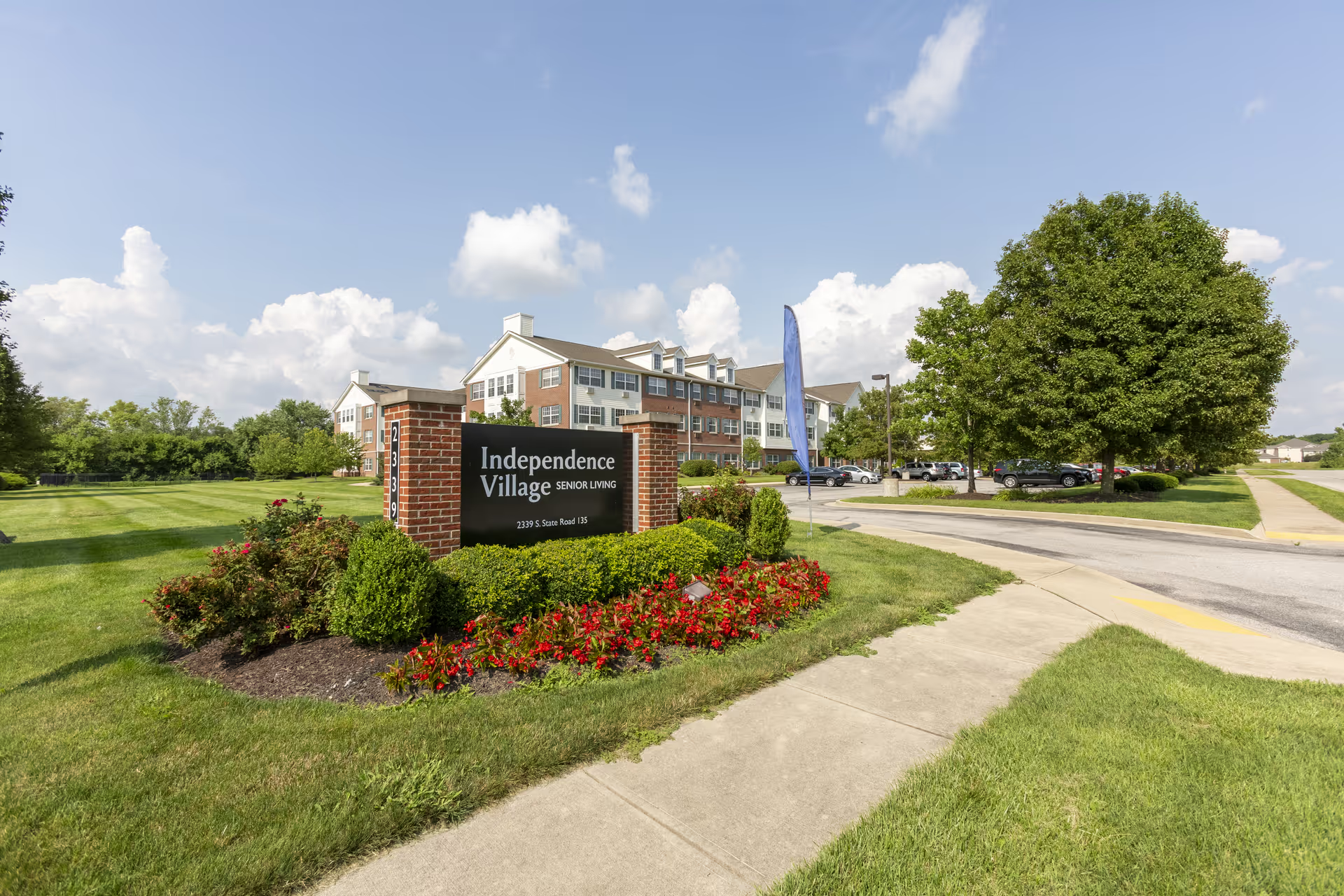
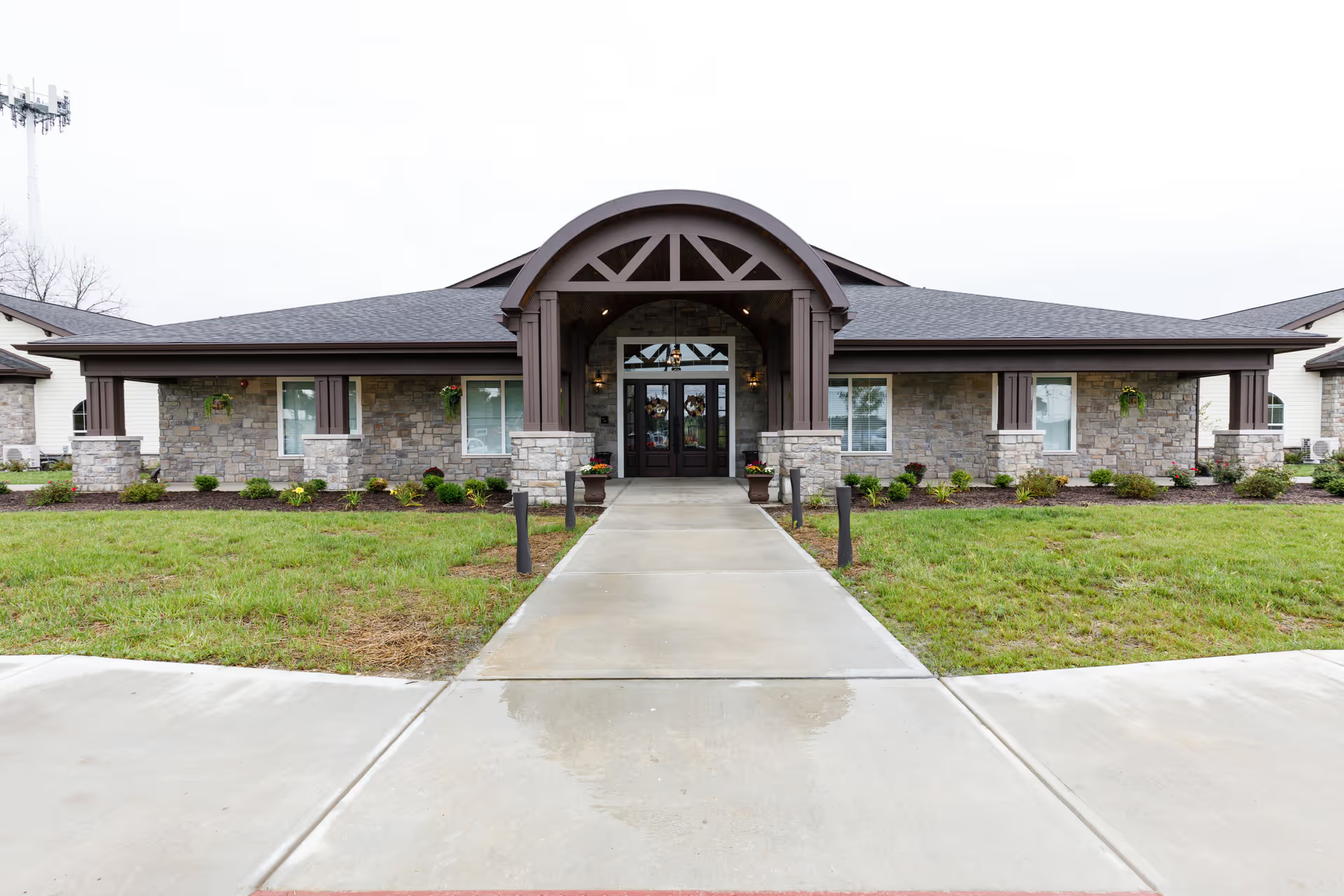
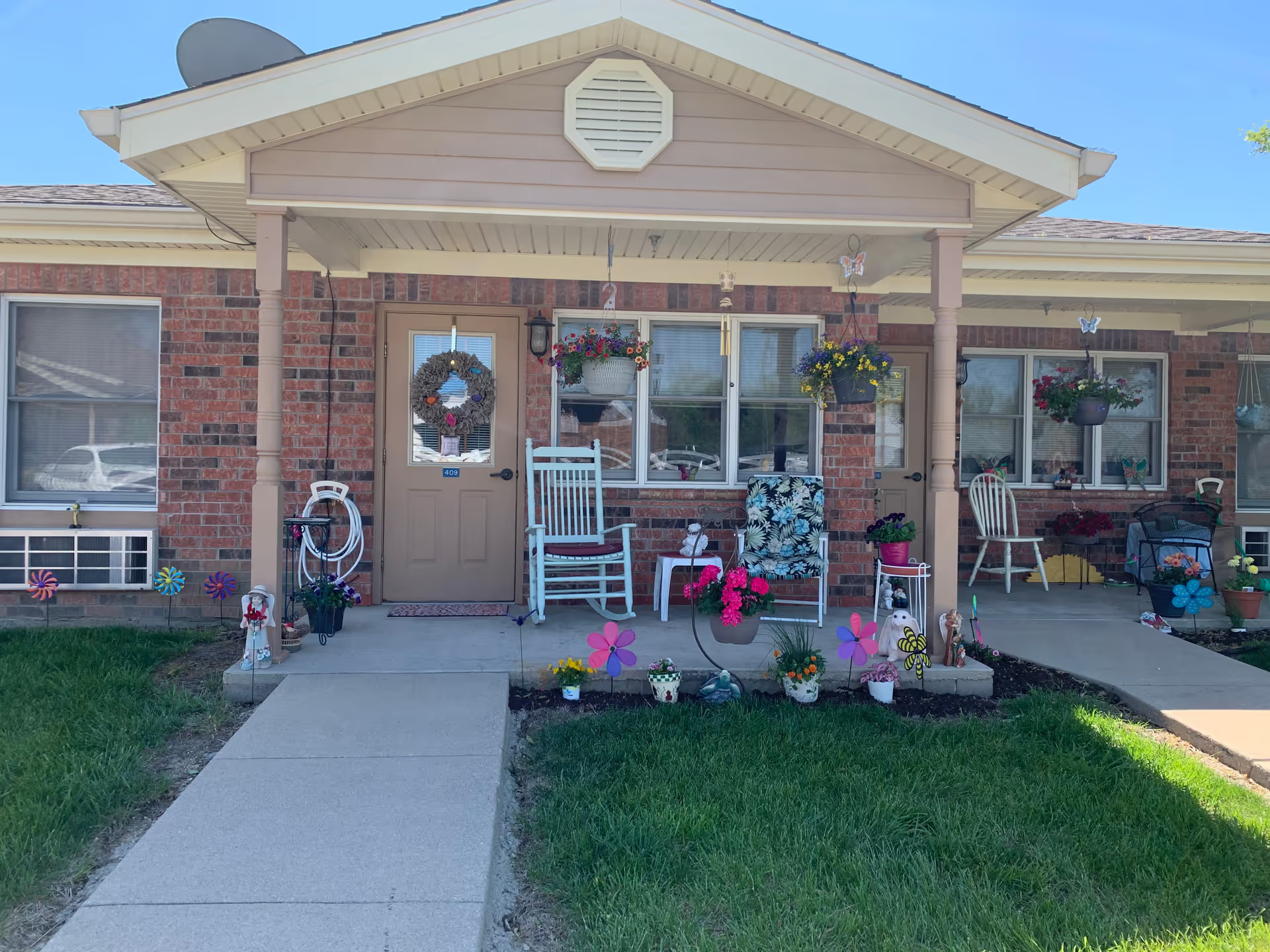
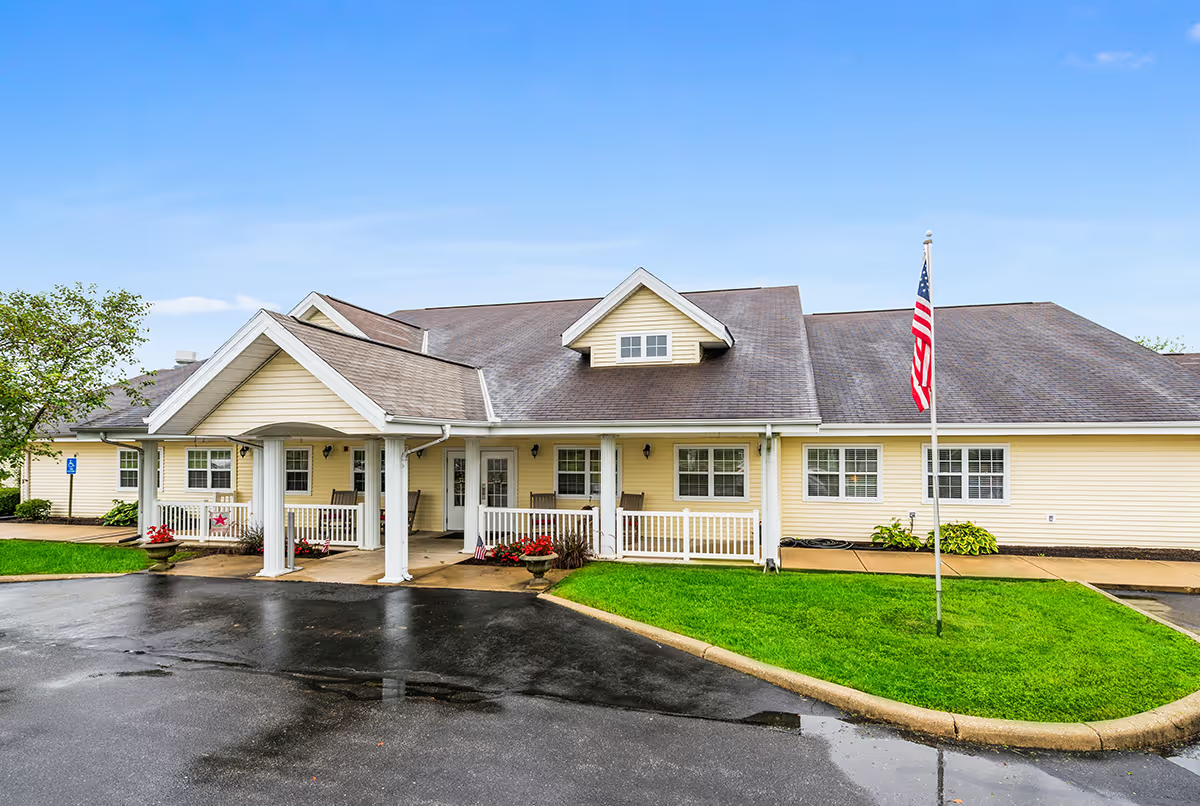
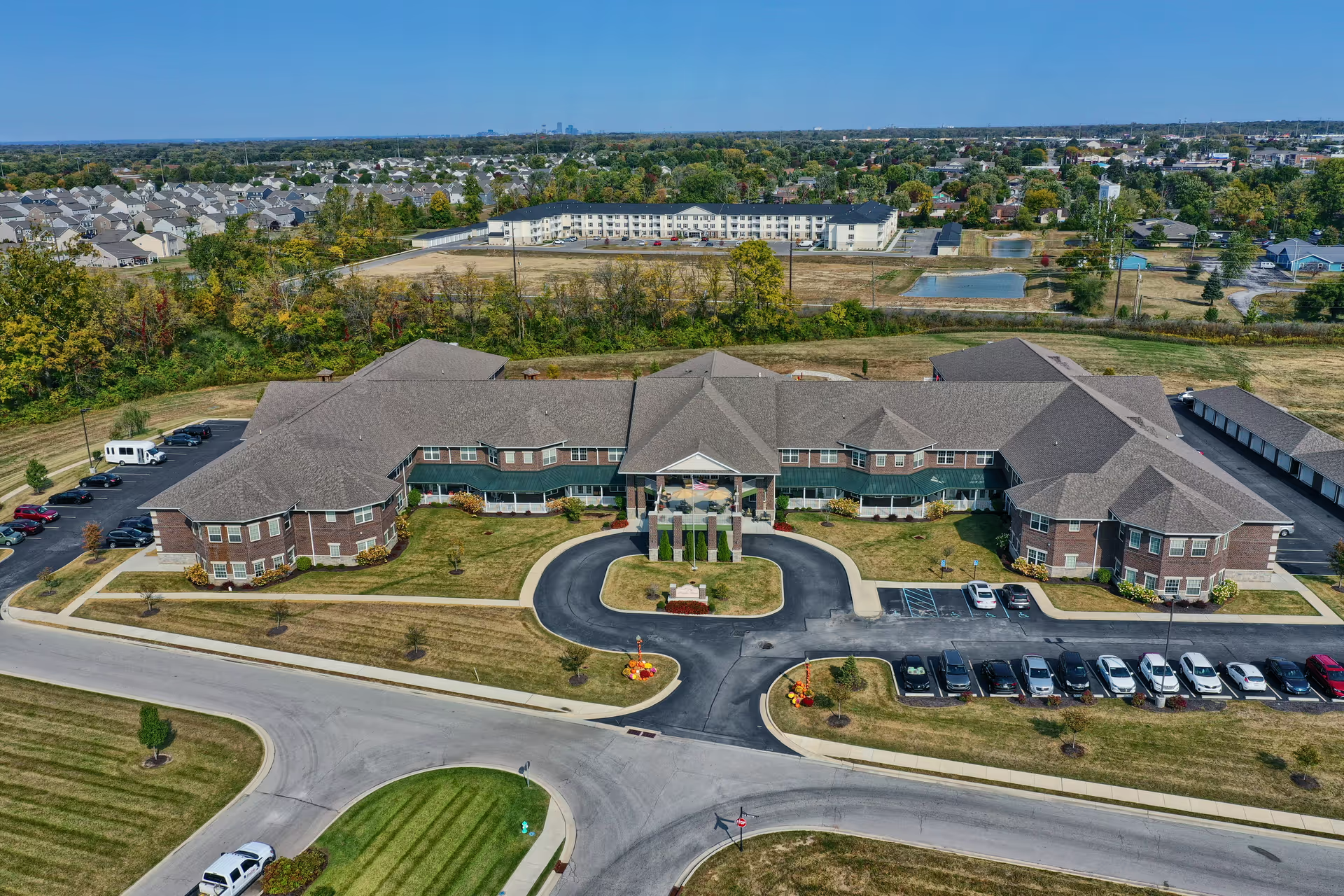
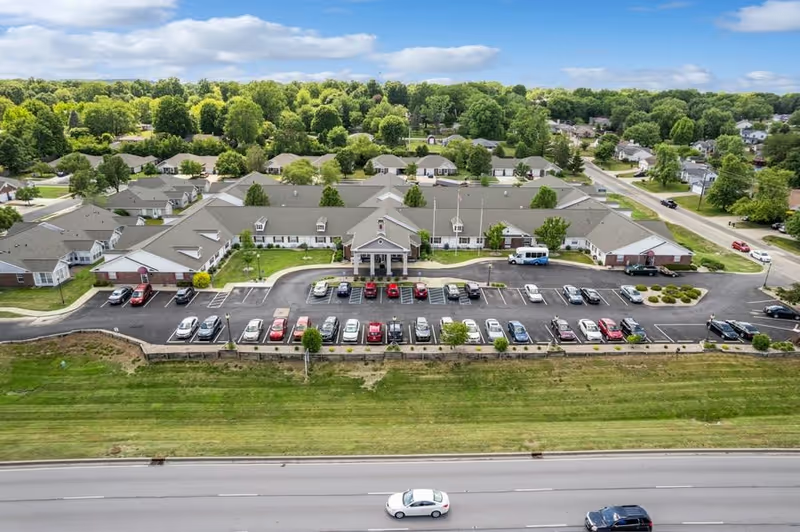
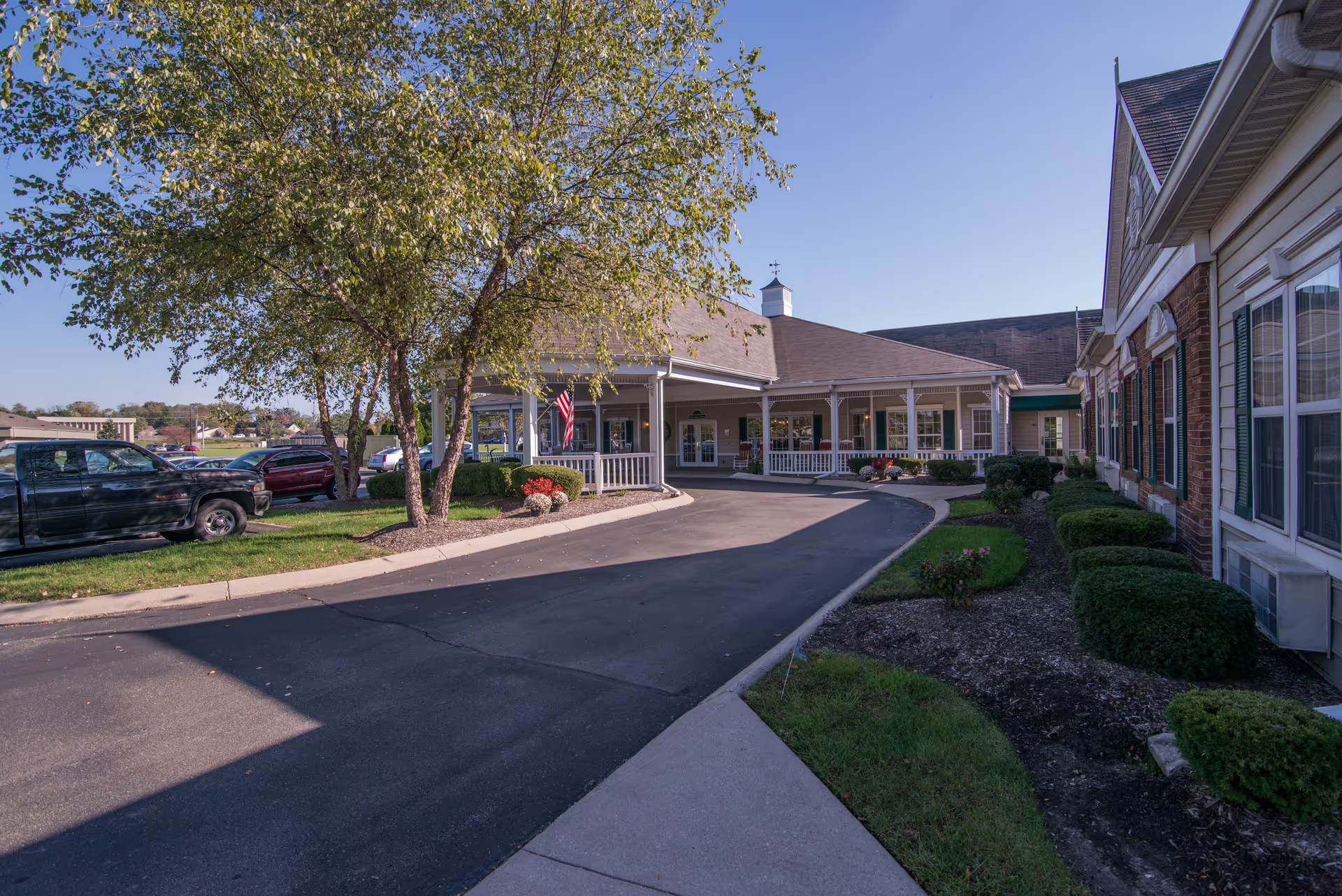
Overall impression: Demaree Crossing is frequently described as a visually appealing, modern community with a home-like atmosphere and extensive common spaces. Many families and observers praise the facility’s cleanliness, attractive décor, and thoughtfully designed memory-care common areas, along with amenities such as sensory items, indoor gazebos, and an on-site salon. The physical plant and activity spaces are often singled out as strengths, and transportation and communal dining areas support an active lifestyle for residents.
Care and staff: Reviews show a split between strong, individualized caregiving and operational challenges. Numerous comments highlight compassionate frontline staff, engaged nurses, and activity personnel who take time to know residents. At the same time, recurring concerns point to high staff turnover, use of temporary/agency staff, and periods of understaffing that leave caregivers stretched. These operational pressures have been linked to inconsistent personal-care routines (for example, variable bathing and grooming schedules), occasional medication-management issues, and reports of delayed emergency response or incomplete incident documentation. Prospective families should assess staff continuity, staff-to-resident ratios, and medication-administration controls during a tour.
Dining: Dining is a prominent positive for many families; frequent remarks note from-scratch smells, appealing presentation, and a generally favorable menu. Conversely, some reviewers describe variability in food quality, portion sizes, and meal-service timing (including long waits). The dining experience appears to be a relative strength overall but with occasional inconsistencies in execution and portioning that merit clarification when considering placement.
Activities and memory care: Activity programming is often cited as a major strength — residents are described as active and engaged with a broad schedule of outings, crafts, music, exercises, and family events. Activity leadership receives specific praise in many accounts. Memory-care experiences are mixed: the facility offers sensory-focused design features and communal memory-care spaces that families appreciate, yet several reviewers describe limited or inconsistent programming and staff continuity in the memory unit. This suggests that while the physical memory-care environment is well considered, program delivery and staffing stability in memory care can vary.
Management and operations: Feedback on management is polarized. Some reviewers commend accessible administrators and collaborative clinical relationships, while others raise concerns about leadership instability, abrupt director turnover, lack of transparency around pricing and billing, and weak communication following incidents. Billing and pricing clarity are recurring operational issues, including examples of unexpected charges and difficulty obtaining verified pricing up front. Documentation and incident-reporting processes also emerge as areas needing improvement based on family accounts.
Notable patterns and guidance for families: The collective reviews present a polarized pattern—many very positive endorsements of the environment, activities, and caring staff coexist with concrete operational concerns around staffing stability, communication, medication oversight, and billing transparency. When evaluating Demaree Crossing, prospective residents and families should tour multiple times, request staffing and turnover metrics, ask about use of agency staff and typical staff-to-resident ratios, review medication administration and incident-reporting protocols, verify pricing and extra fees in writing, and observe an activities calendar and a sample of recent family communications or social-media postings. These targeted questions will help determine whether the facility’s strong physical environment and programmatic offerings are supported by consistent clinical and operational practices for a particular resident’s needs.