The reviews describe a facility with a strong core of compassionate, committed caregivers and therapy staff alongside persistent operational challenges. Many families and visitors praise individual nurses, aides and therapists for attentive, person-centered care; several reviewers noted long-tenured staff and a team-oriented atmosphere on the floor. Activity programming (bingo, baking, church services, holiday events) and community-building events drew consistent positive mention, and multiple accounts highlight clean, comfortable resident rooms with adequate storage and in-room amenities.
At the same time, a recurring theme is inconsistent staffing and high turnover, which reviewers link to delays in assistance, variable caregiver experience, and uneven day-to-day performance. Several accounts describe understaffed shifts and a perceived lack of on-floor management presence; reviewers expressed that these staffing gaps contribute to slower response times and inconsistent personal care routines (for example, bathing and toileting support).
Clinical and safety-related concerns appear in a subset of narratives and warrant careful consideration. Some reviewers described troubling medication and psychiatric oversight issues, delayed medical responses, and gaps in how the facility handles clinical incidents and family communication. There are also allegations of missing resident property. These issues, combined with mentions of past state findings, suggest prospective families should review recent survey results and ask about current medication-management, incident-response protocols, and property safeguards.
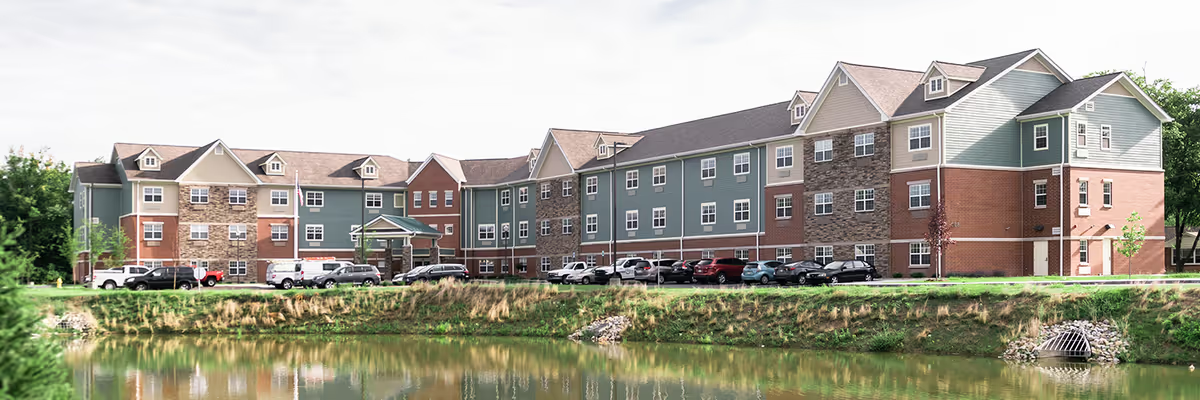
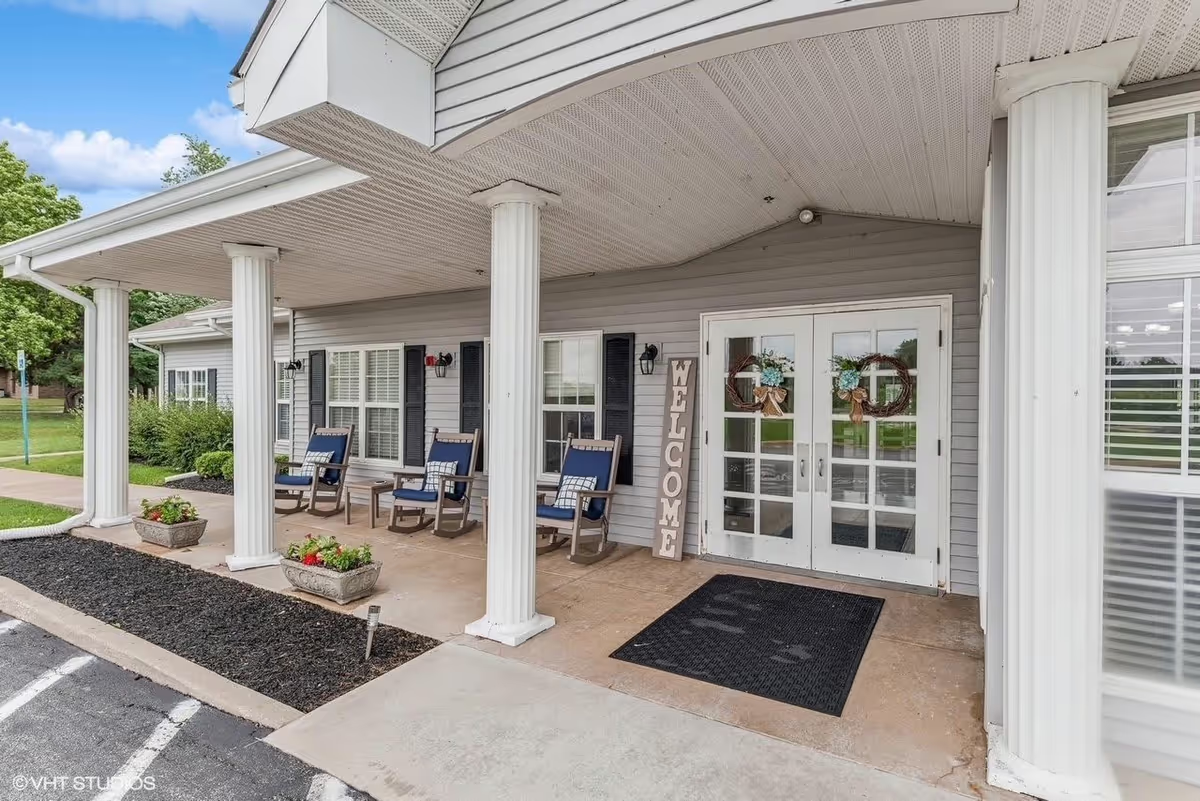
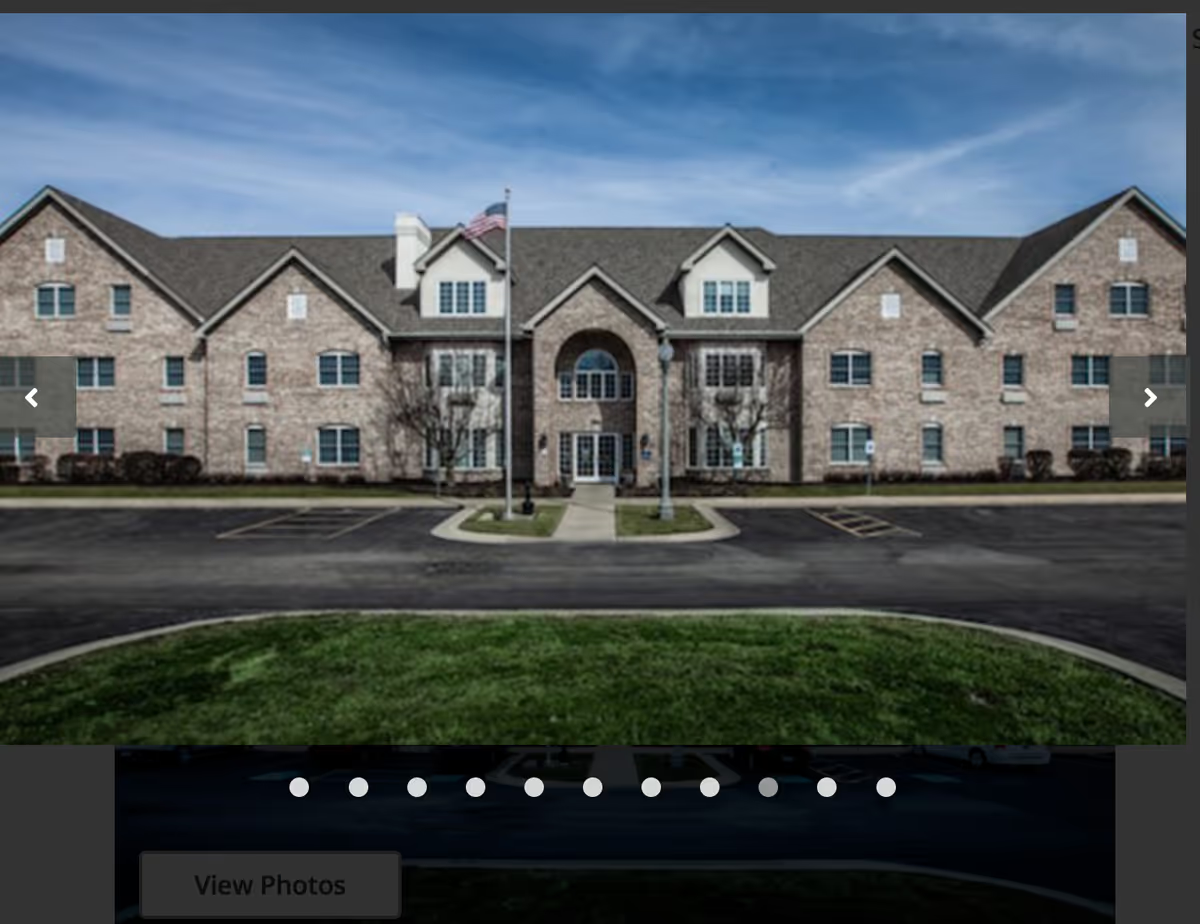
Cleanliness and the physical environment receive mixed feedback. Multiple reviewers describe very clean rooms and well-kept beds, but others identify inconsistencies in housekeeping, odor concerns in particular common areas, and a general impression of aging infrastructure in parts of the building. Linen shortages, laundry return problems, and descriptions of specific dirty common spaces indicate inconsistencies in environmental services rather than a uniform condition across the facility.
Dining impressions are mixed: some residents and families liked the food and the social aspects of meals, while others found meal quality inconsistent. Activities and social programming are a consistent strength, providing meaningful engagement for residents. Management and culture are another polarized area—while some named leaders and office staff receive praise for openness and responsiveness, other reviewers criticize corporate-driven budgeting, a perceived lack of frontline recognition, and marketing that may not reflect typical unit conditions.
Overall, Clinton House Rehabilitation and Healthcare Center presents a combination of notable caregiving strengths and operational weaknesses. Families considering placement should arrange an in-person tour during a mealtime and an activity period, speak with nursing leadership about current staffing levels, turnover, medication-management safeguards, recent state survey results, and laundry/housekeeping schedules, and ask to speak with other families about their experiences. Observing staff–resident interactions on the floor and verifying how the facility addresses the specific concerns above will help determine whether the facility’s strengths align with an individual resident’s needs.