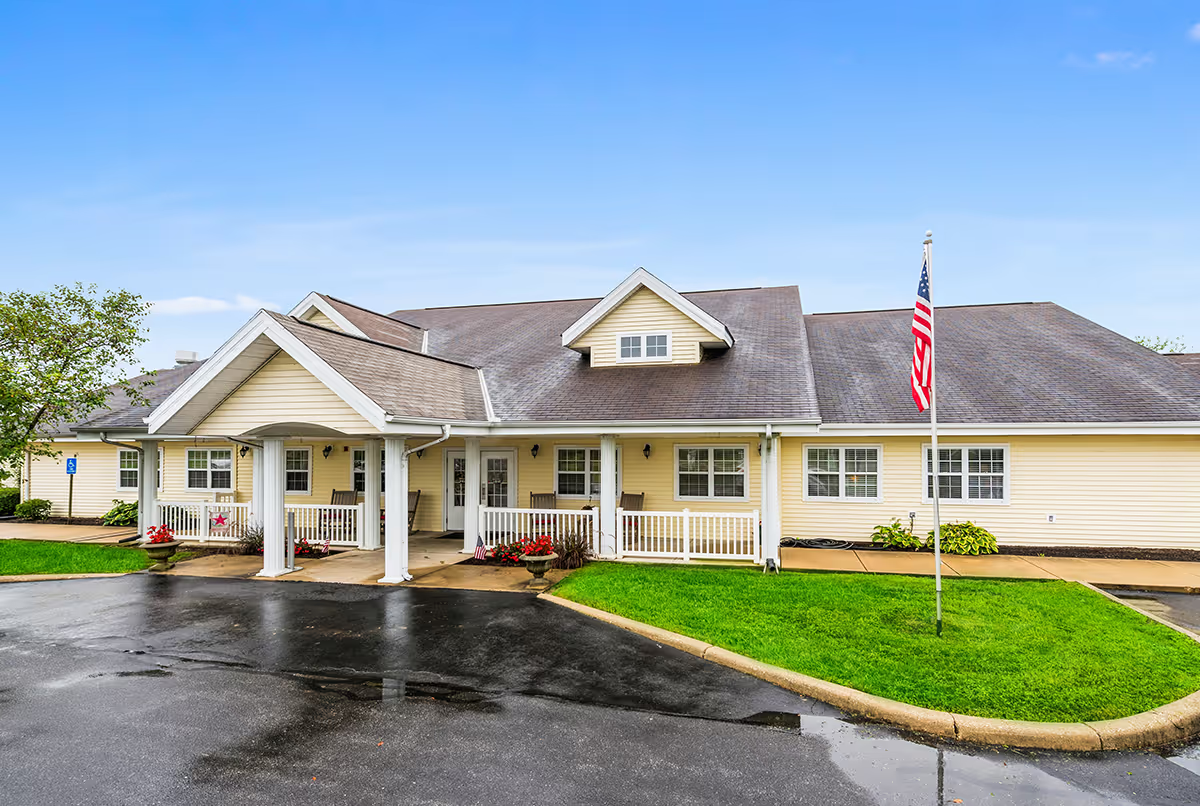
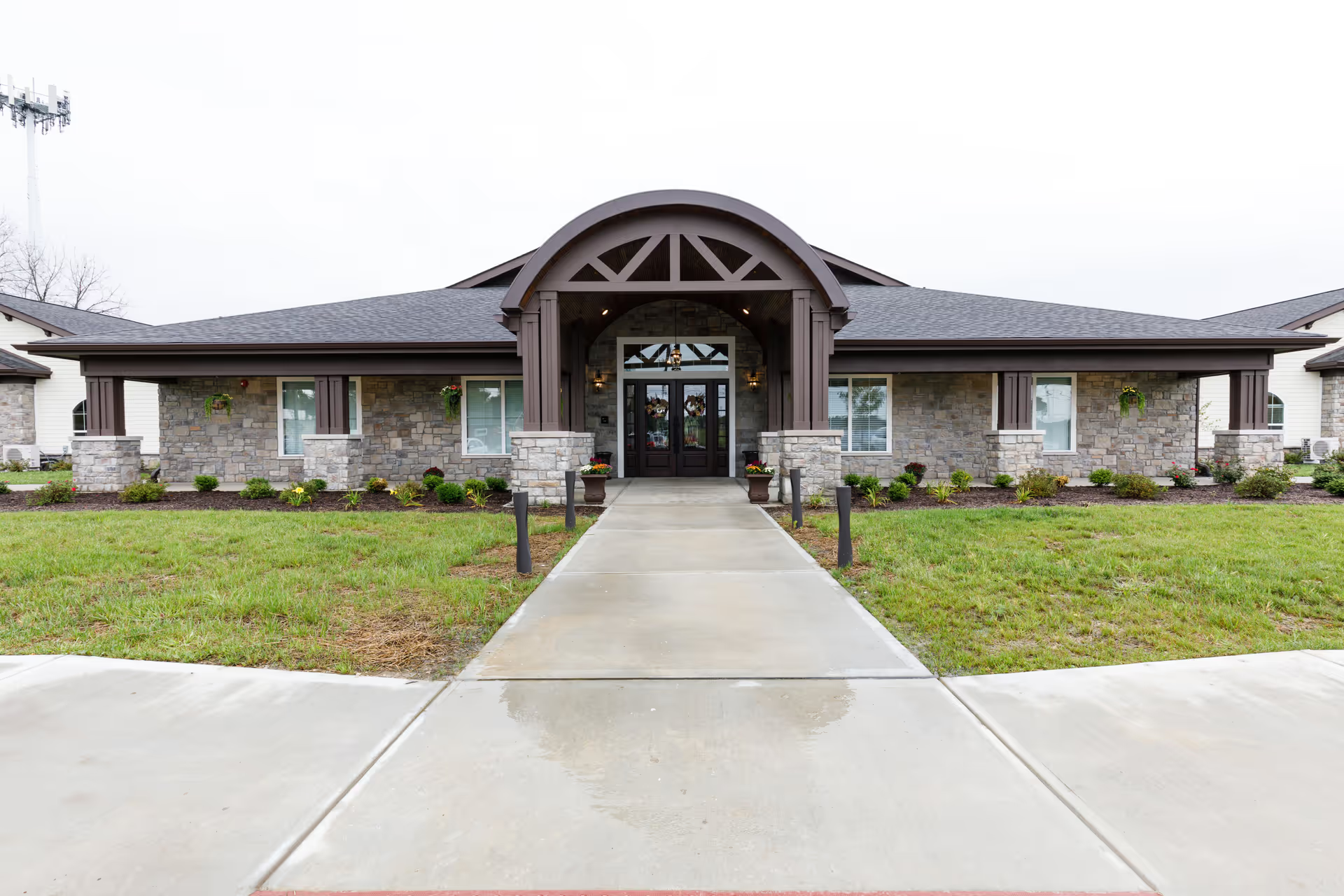
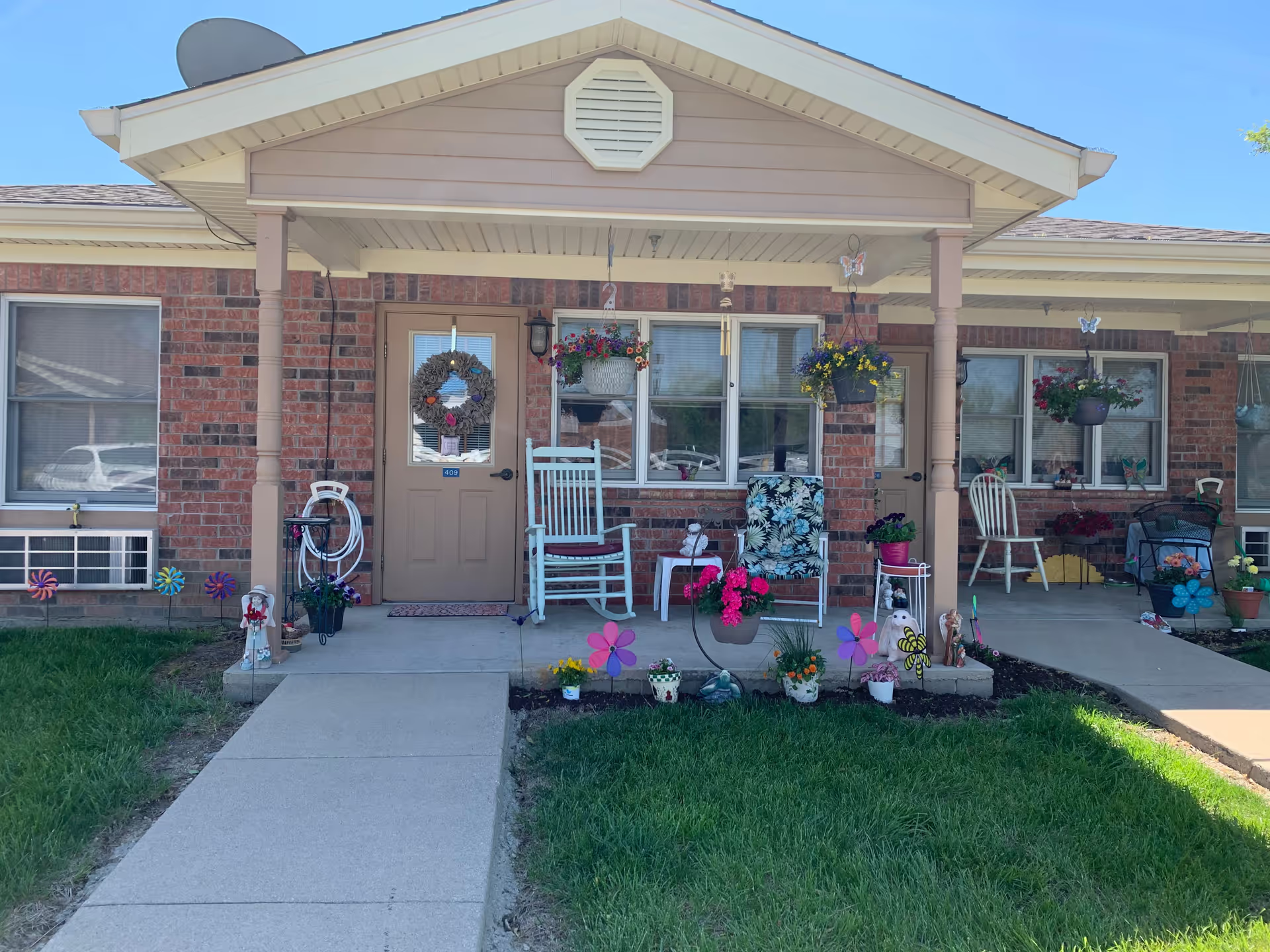
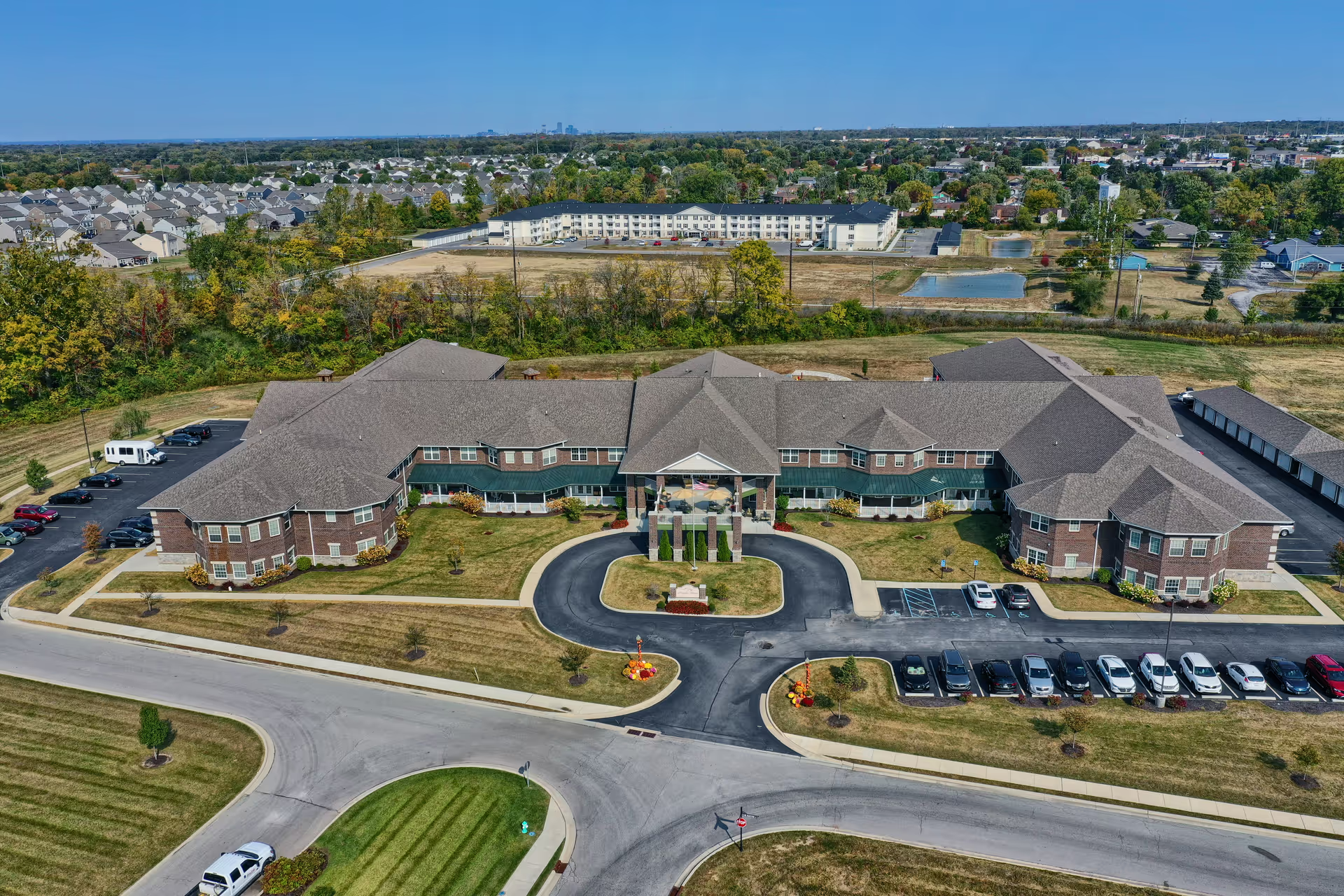
Homeview Health and Rehabilitation Center elicits a mixed but informative picture. Many families and former residents describe high-quality clinical care driven by a compassionate, experienced nursing and therapy team. The facility receives consistent praise for rehabilitation outcomes, an active therapy program, private rehab suites and a rehab gym, and frequent clinical oversight including physician visits. Reviewers frequently highlight a family-like atmosphere, individualized care plans, proactive infection-control measures during the COVID period, and strong communication with families through regular care conferences.
Staff performance is the facility's most commonly noted strength. Numerous accounts emphasize attentive nursing, knowledgeable therapists, and engaged leadership who make residents and families feel known. This is reinforced by positive remarks about onsite personal services (barber, foot care), a busy activities calendar (bingo, Bible study, live music), and housekeeping leadership. These factors combine to create improved functional outcomes for many short-term rehab residents and a pronounced sense of safety and comfort for many long-term residents.
At the same time, there are recurring operational concerns that prospective families should evaluate. Cleanliness and maintenance are inconsistent across accounts: while some reviews describe spotless units, others cite sanitation concerns in private rooms and food-preparation areas and intermittent maintenance lapses. Food and dining quality also shows variability, with some families praising meals and others noting declines in taste and weight-related concerns for residents. Staff responsiveness is uneven in certain shifts, with reports of delays responding to call lights and variation in aide availability.
Memory-care emerges as a focal area of concern. Several reviewers assert that the unit struggles to manage advanced dementia-related behaviors and that behavior-management practices can lead to transfers to external psychiatric services. These items point to limitations in scope of care for high-acuity cognitive impairment rather than to a single type of isolated event. In addition, a small number of serious allegations — including claims about medication administration — were raised and warrant direct inquiry by families during the tour and admission process.
Administrative and logistical issues recur as well: families mention business-office process gaps related to billing and documentation, limited parking and exterior access, and occasional crowding or small room footprints. There are also intermittent maintenance and pest-control concerns that prospective families should verify during a visit.
In summary, Homeview appears to offer strong clinical and rehabilitative services with a caring staff culture and robust family communication for many residents. However, variability in housekeeping, dining, responsiveness, and memory-care capacity are consistent themes that prospective residents and their families should assess directly. Recommended steps before placement include touring the specific unit, observing cleanliness and room size, asking for current staffing ratios and memory-care protocols, reviewing medication-administration and incident-reporting procedures, and clarifying billing and business-office practices.