The reviews of Envive Healthcare of Indianapolis present a highly mixed picture, with clear areas of strength alongside recurring operational concerns. Families and employees describe an active engagement program and a number of compassionate, capable staff members—particularly within activities and rehabilitation—while also citing persistent problems related to staffing, cleanliness, medication control, and management responsiveness.
Care quality appears variable across the facility. Positive comments highlight attentive rehabilitation personnel and administrative staff members who support transitions and resolve problems. Conversely, several accounts raise concerns about medication administration and monitoring, including insulin handling and missed or delayed medications, as well as inconsistent delivery of personal-care tasks such as bathing, grooming, and assistance with mobility. These patterns suggest gaps in clinical oversight and handoff processes that can affect daily resident well-being.
Staffing and staff conduct are recurring themes. Reviewers note the presence of several caring, compassionate employees and administrators who provide emotional and spiritual support and who have facilitated notable resident improvements. At the same time, there are repeated observations of understaffing, high workload, abrupt or intimidating communication styles, and occasional role-clarity problems where unlicensed personnel appear to be performing clinical tasks. These operational tensions are consistent with reports of staff burnout and turnover, and they appear to contribute to delays in care and inconsistent resident experiences.
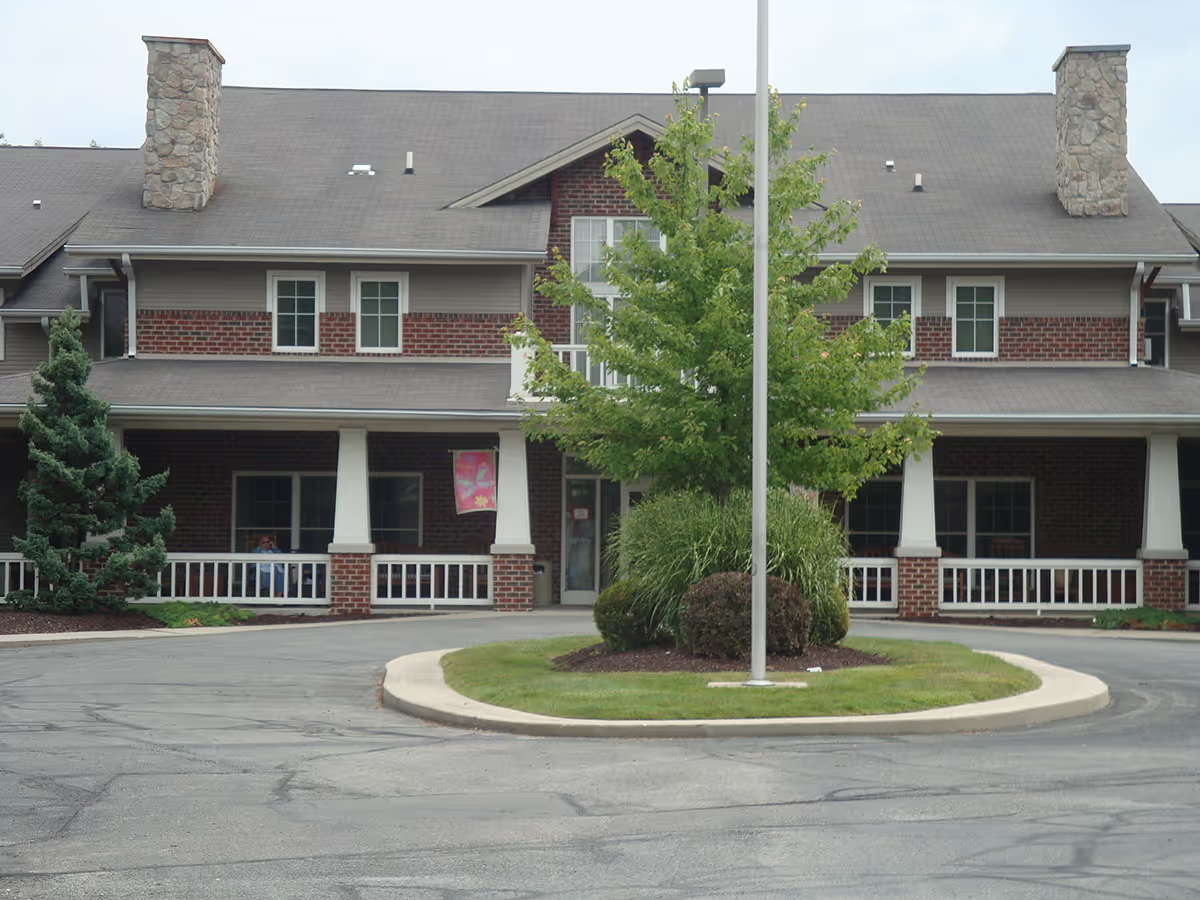
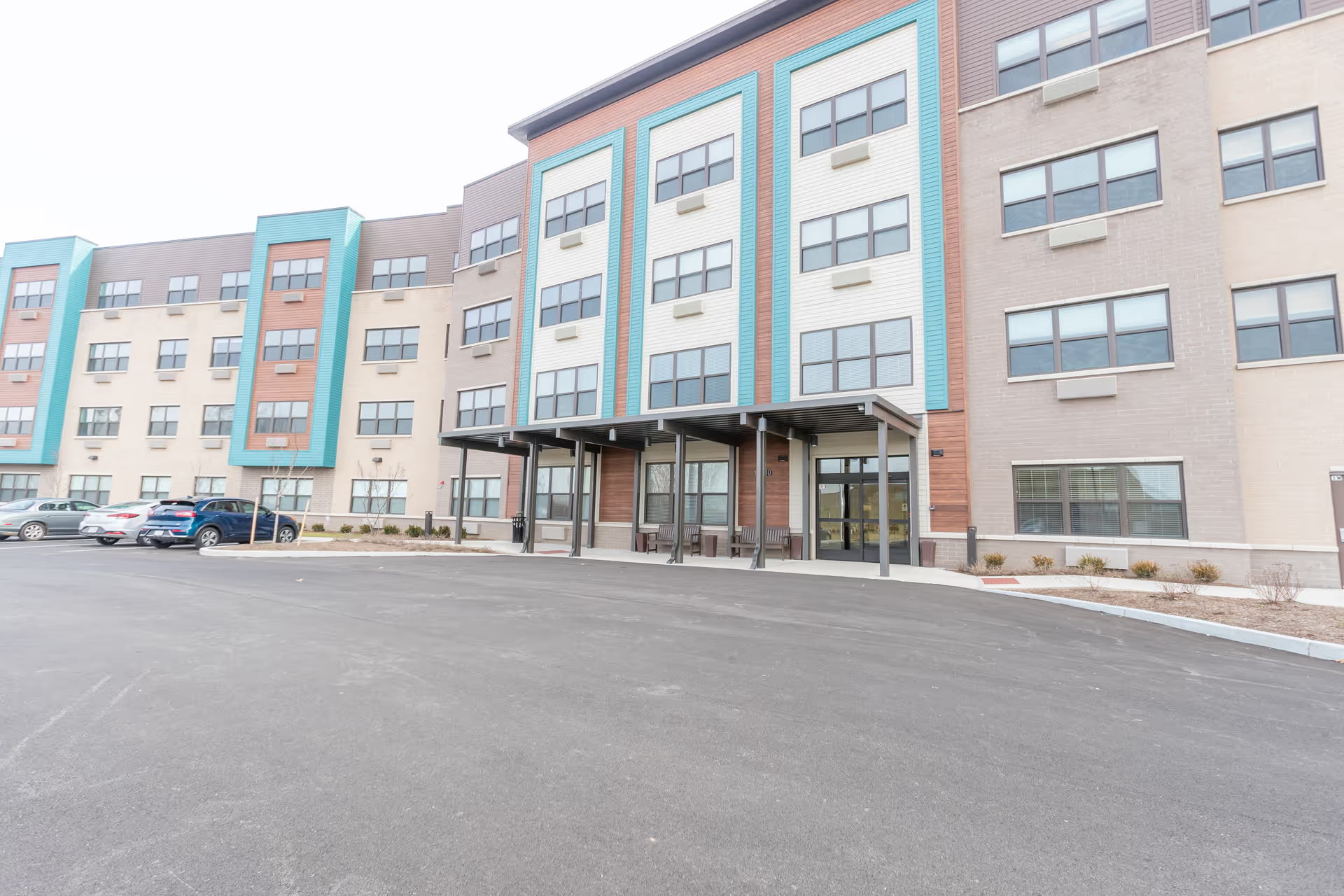
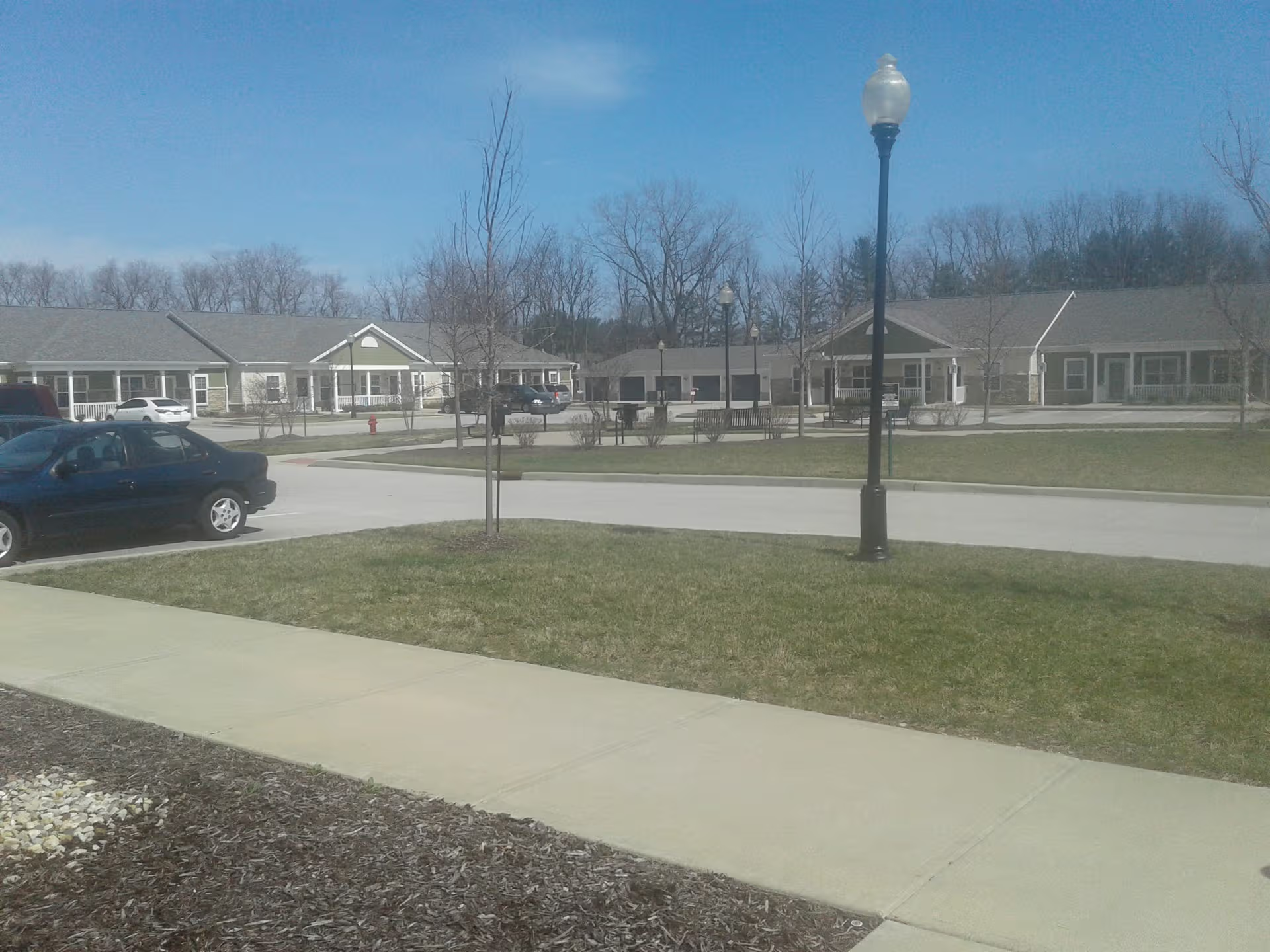
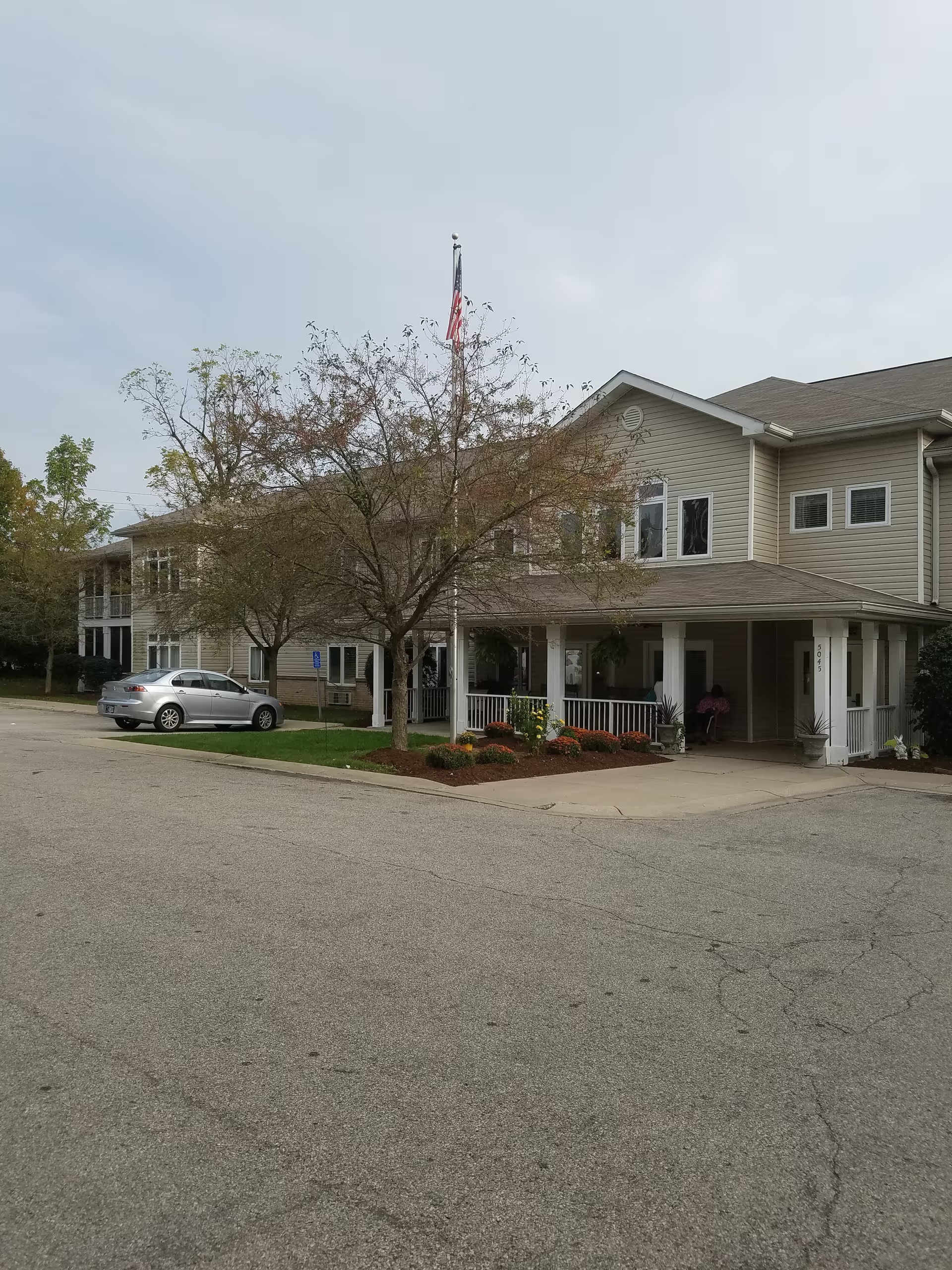
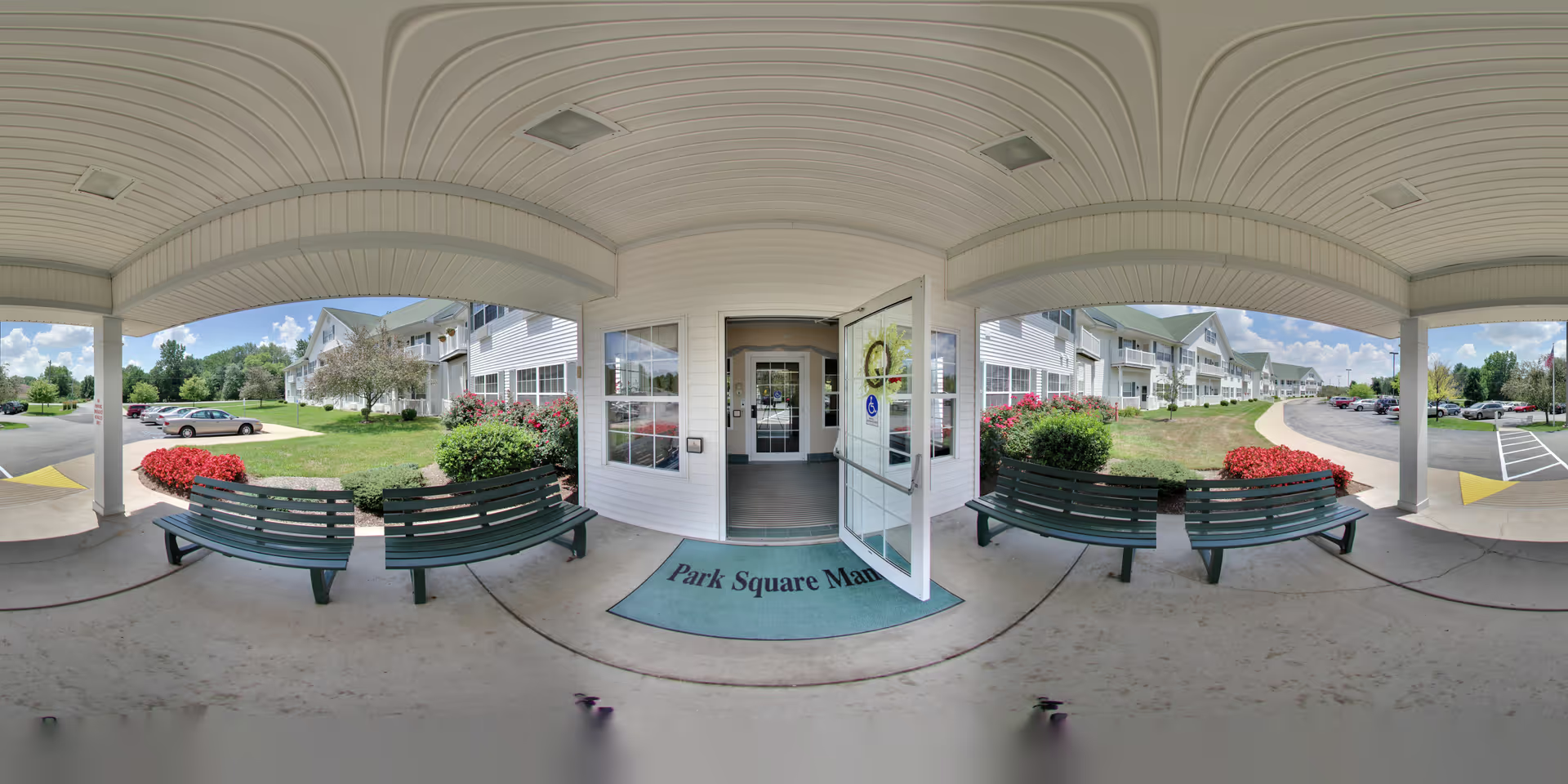
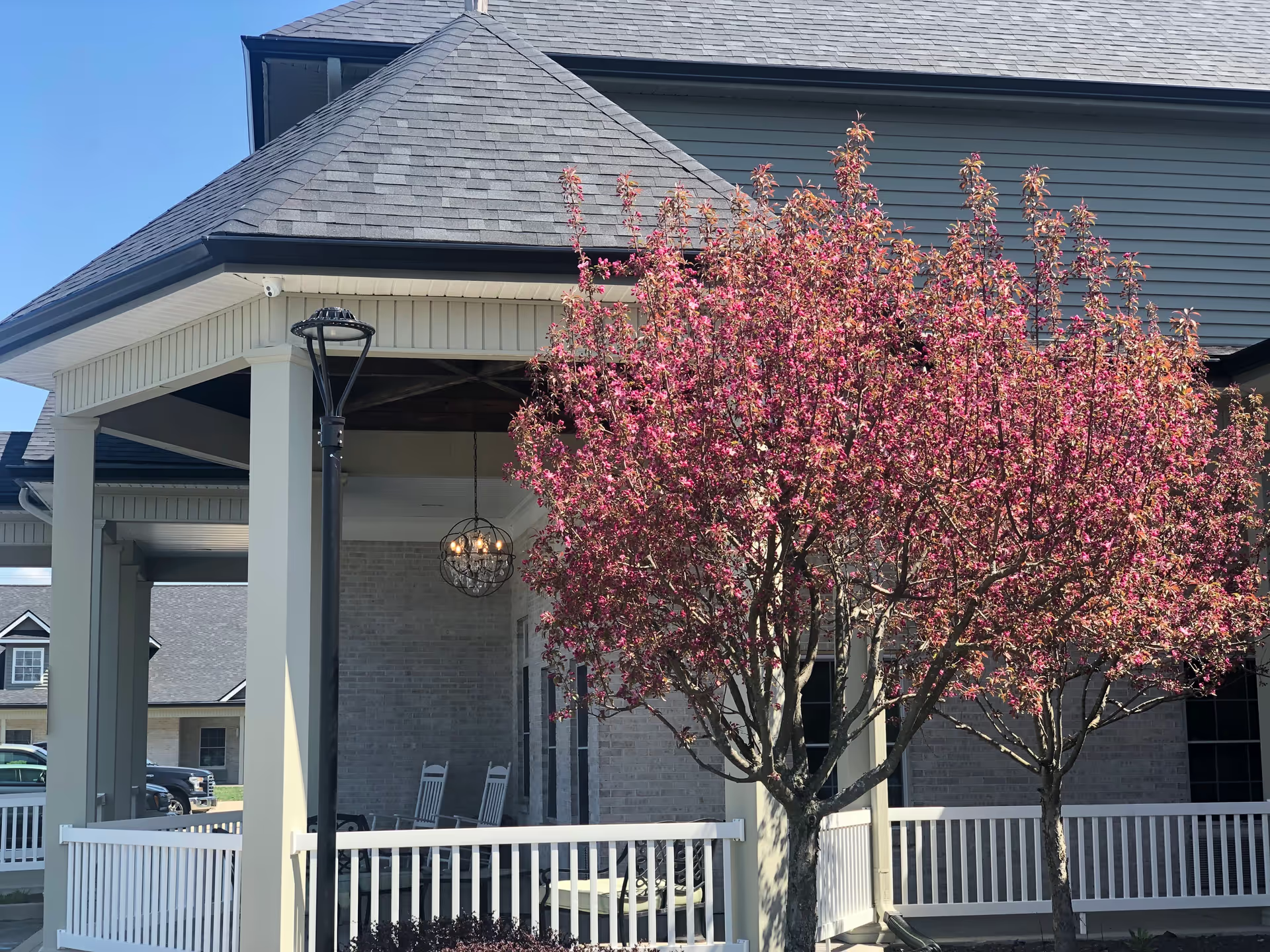
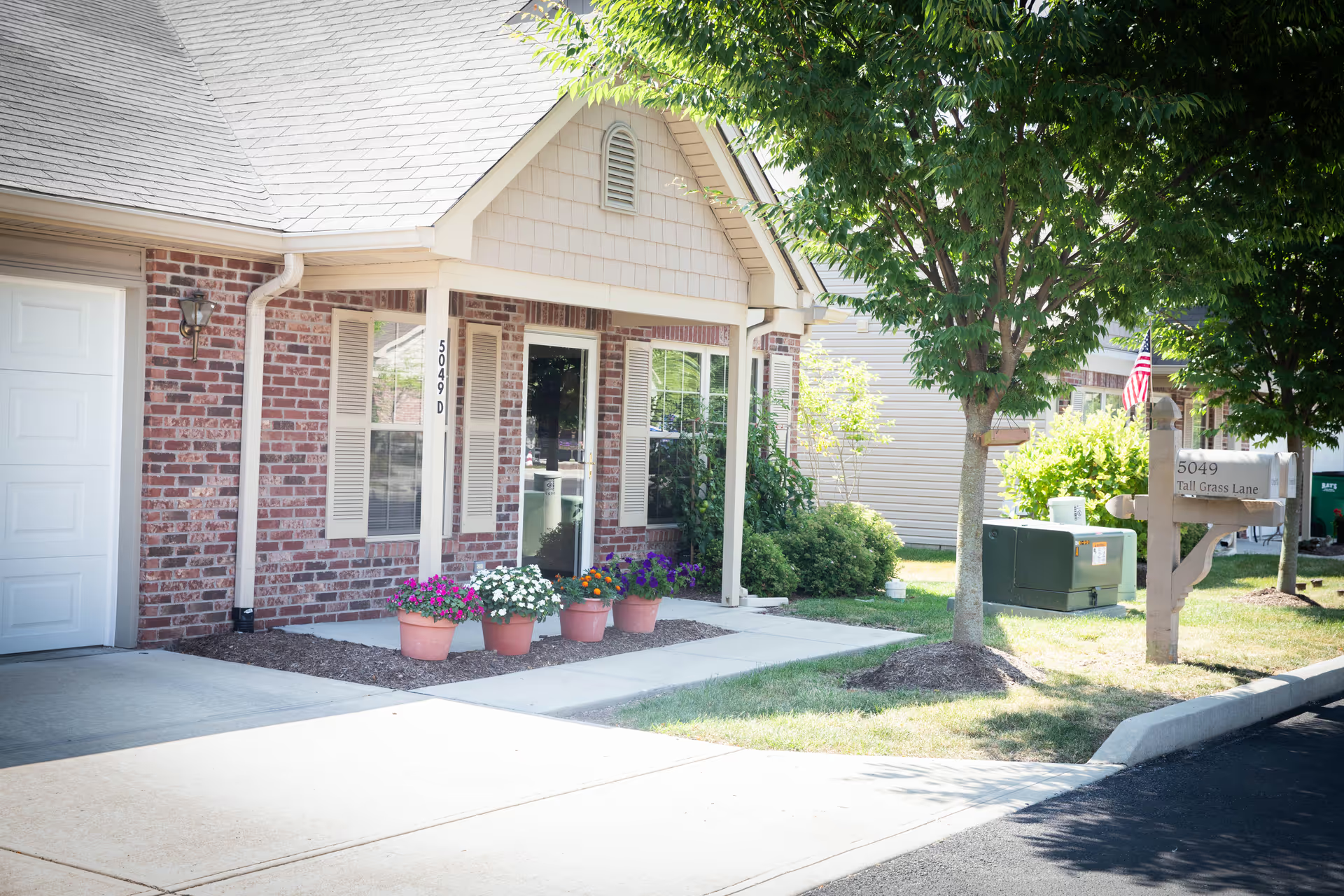
Facility environment and maintenance receive both praise and criticism. Some observers note active remodeling and visible quality-improvement efforts, while others identify sanitation and odor concerns in rooms and common areas, as well as maintenance and safety hazards such as damaged flooring and bedding issues. These environmental items indicate a need for sustained attention to infection-prevention practices, housekeeping standards, and routine maintenance to ensure resident safety and comfort.
Activities and dining are generally cited as strengths. The facility’s activities program—including local outings and a recognized activity director—receives positive comments for engagement and resident morale. Several reviewers also complimented the dining experience and friendly interactions in communal areas. However, therapy and rehabilitation availability are described as inconsistent in some cases, with interruptions or refusals of recommended services tied to communication breakdowns or staffing constraints.
Management and governance show a split perception. Families praised specific administrators and staff for responsiveness, problem-solving, and transition assistance; other accounts criticize management’s handling of complaints, oversight of staff performance, and responsiveness to serious concerns. Allegations of missing personal items and privacy/HIPAA-related issues have been raised, and some reviewers urged regulatory attention. Given these divergent impressions, prospective residents and families should seek direct clarification on staffing ratios, medication policies, sanitation protocols, property safeguards, and complaint-resolution processes during tours and admissions discussions.
In summary, Envive Healthcare of Indianapolis demonstrates meaningful strengths in activities, some therapeutic areas, and pockets of committed staff and administration. However, consistent operational improvements are needed in staffing reliability, medication oversight, personal-care delivery, environmental maintenance, and governance to reduce variability in resident experience. Families considering this facility should investigate those specific operational areas and verify current corrective actions and oversight measures before placement.