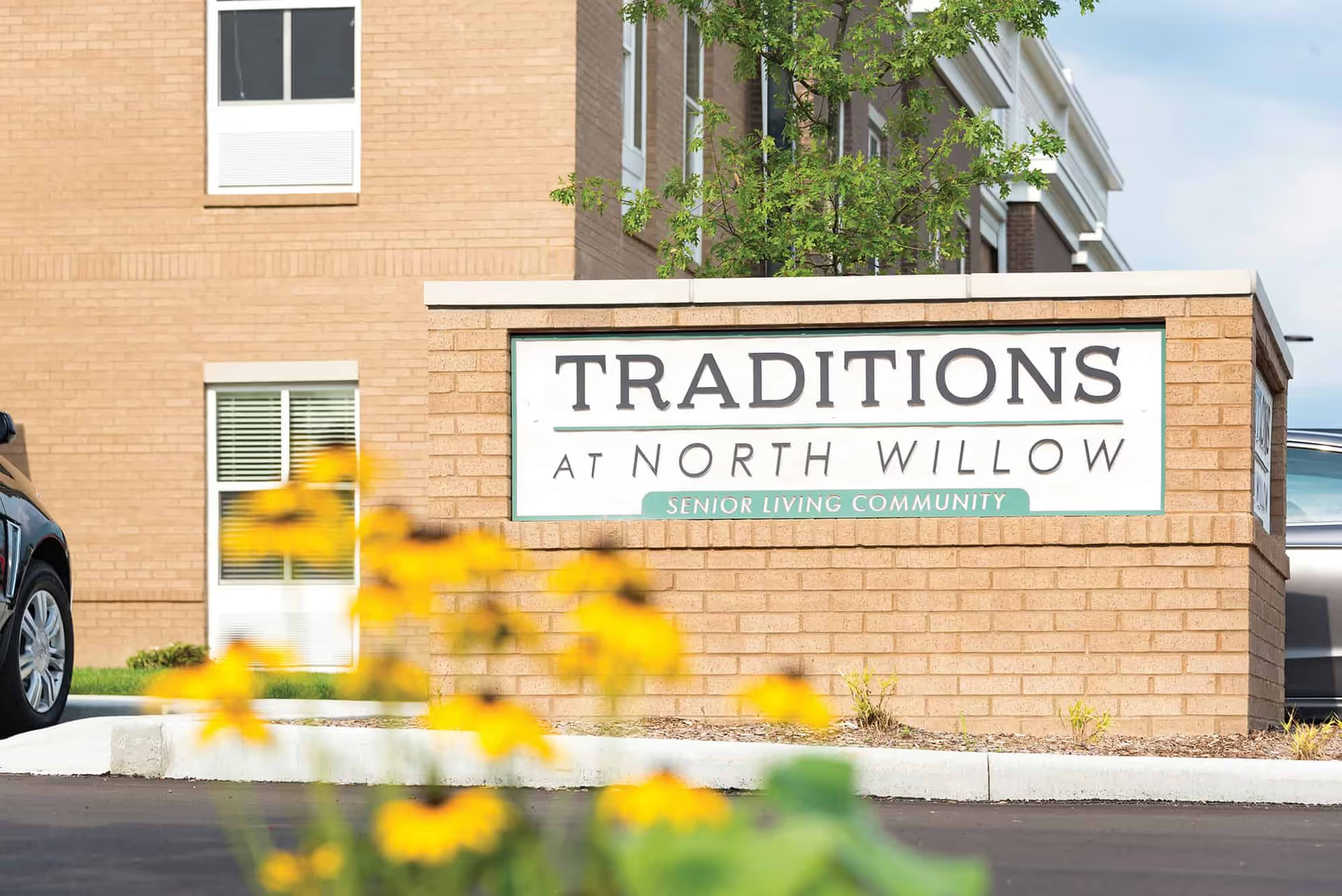
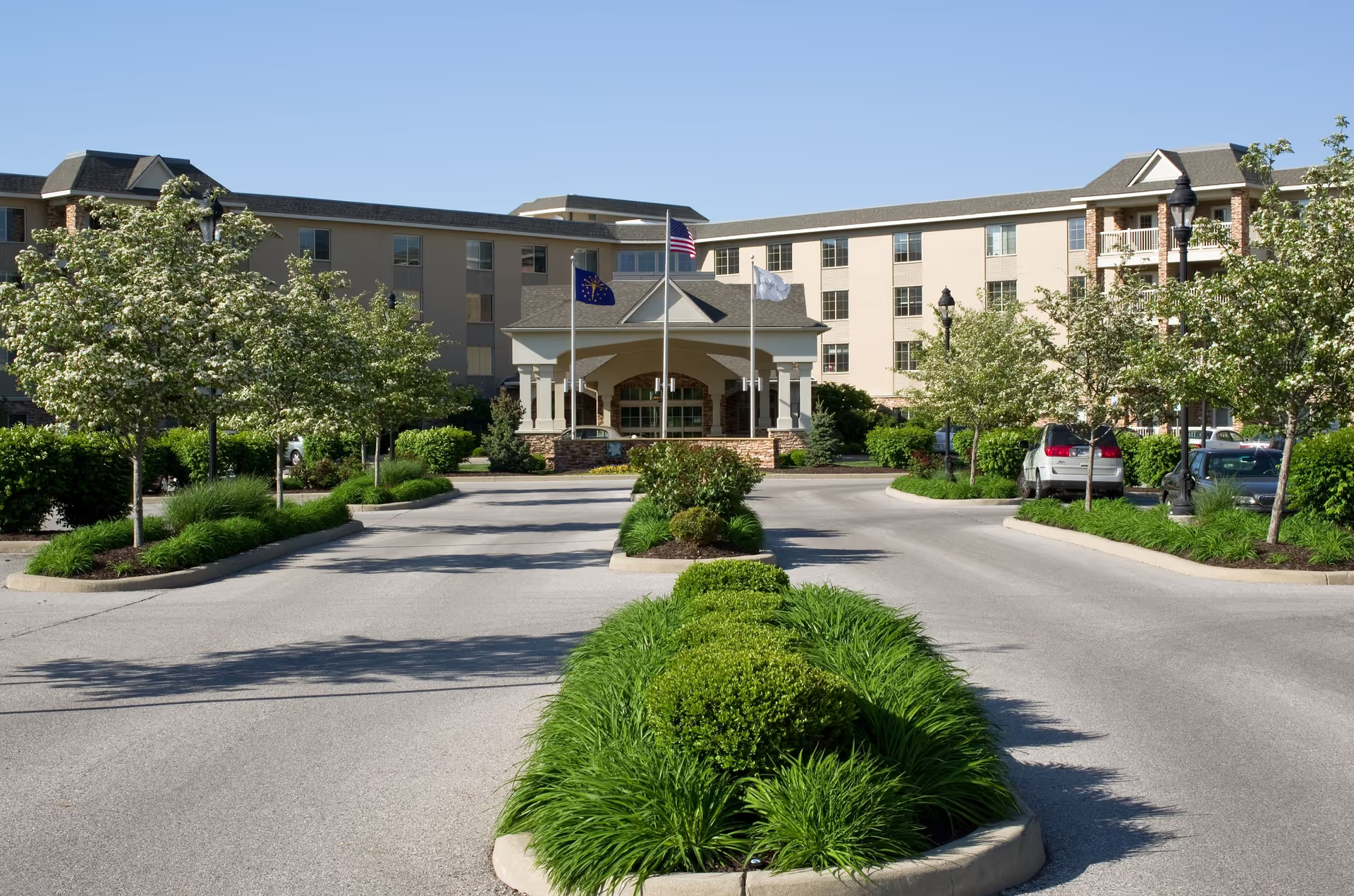
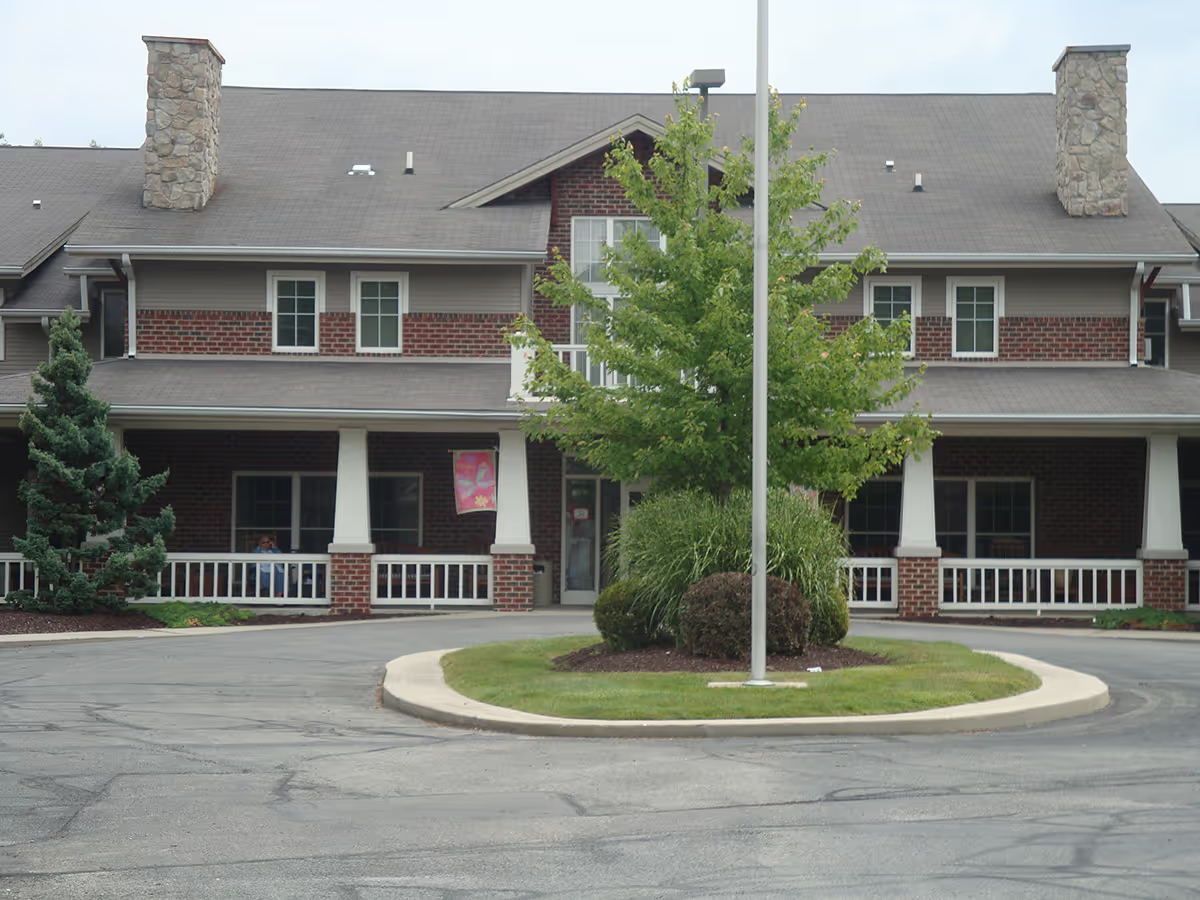
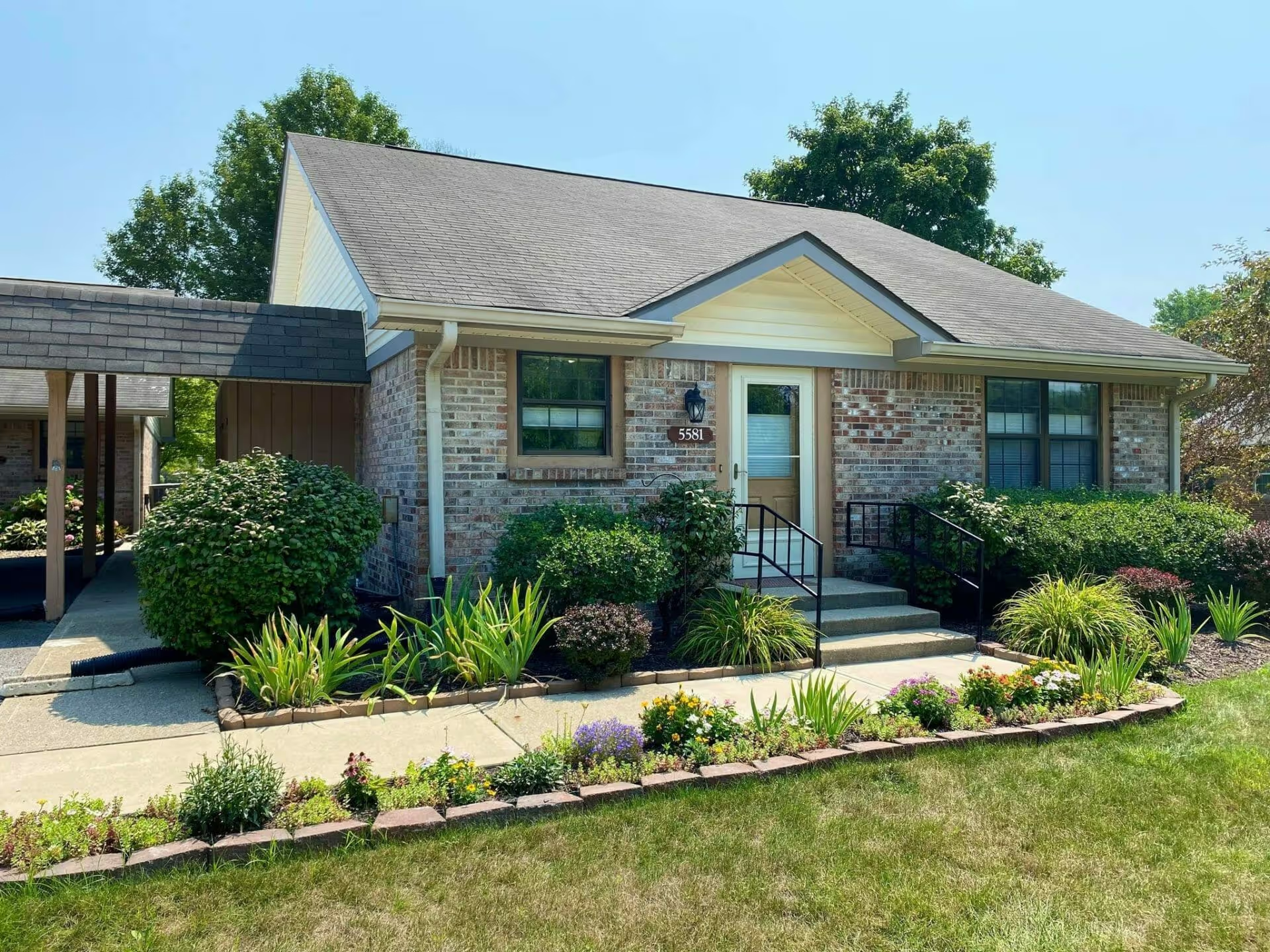
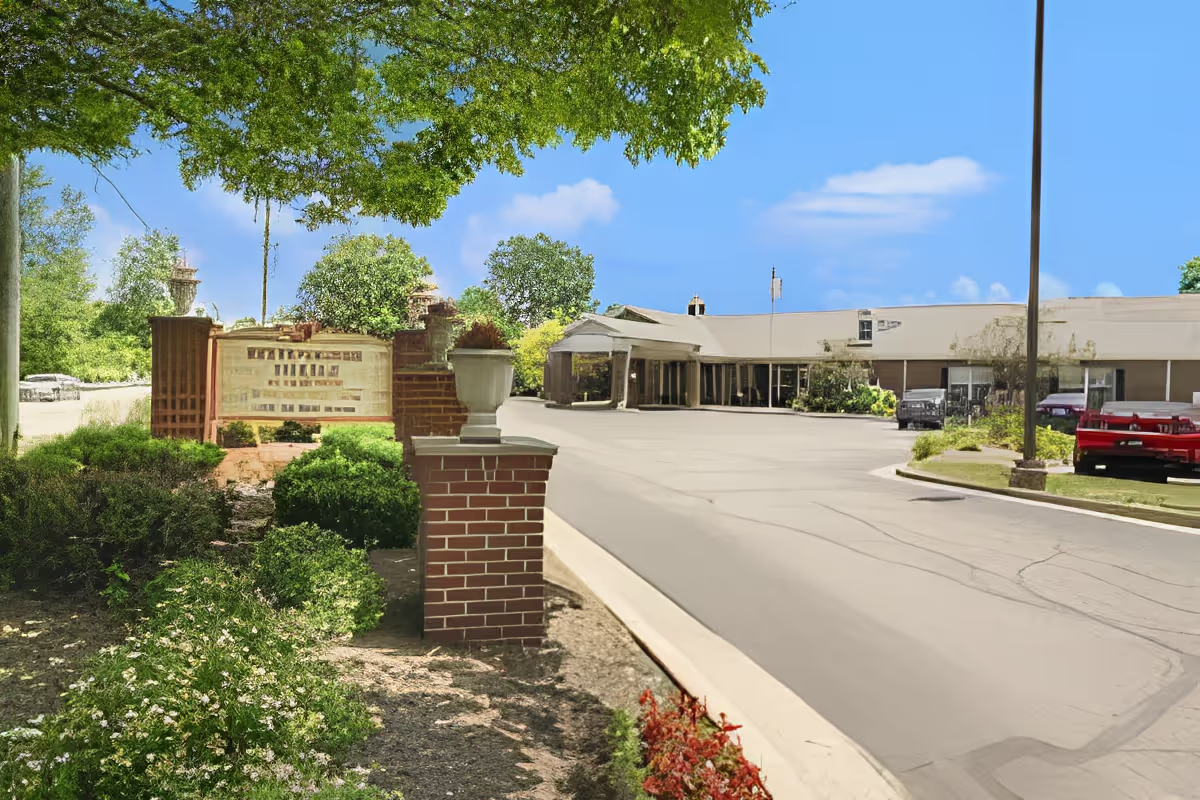
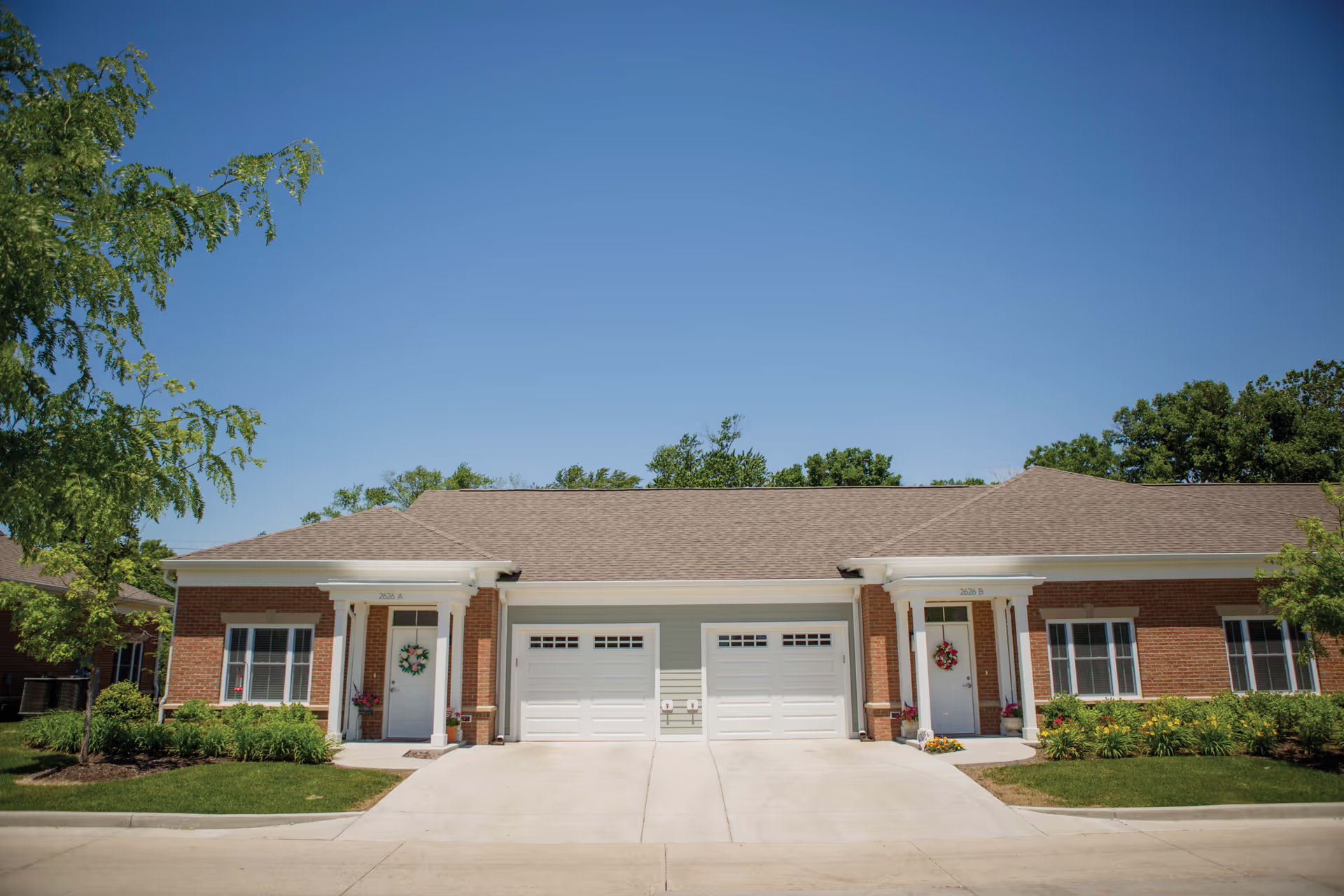
The reviews portray Evergreen Crossing & The Lofts as a facility with strong physical-therapy resources, attractive modern rooms, and an active social program, alongside persistent operational inconsistencies. Positive experiences highlight an engaged therapy team, some standout nursing and aide staff who clearly advocate for residents, convenient on-site dialysis, a hair/beauty service, and frequent recreational offerings. The building itself is often described as clean, modern, and comfortable, with private rooms, natural light, and pleasant common spaces that support recovery for a number of residents.
Conversely, a substantial portion of feedback describes variable care quality that appears linked to staffing and organizational processes. Common operational concerns include inconsistent staffing coverage, long call-light delays, gaps in toileting and bathing assistance, and examples of pressure-injury care needs that families felt were not consistently addressed. Several accounts point to medication-administration and documentation problems, admission/discharge paperwork errors, and breakdowns in coordination between nursing, therapy, and kitchen teams. These process weaknesses have translated for some families into delayed clinical responses and the need for repeated requests to obtain basic care actions.
Dining and daily-living services are described unevenly: some families praise chef-prepared meals and celebratory events, while others report cold meals, missed feeds, and brown-bagging by families. Laundry, belongings inventory, and phone/front-desk responsiveness are additional areas of inconsistency. A number of reviews flagged sanitation and pest-control concerns, and others raised safety issues such as room placement for fall-risk residents and incidents of unassisted falls that suggest weaknesses in fall-risk management and bed/transfer safety practices.
Management and leadership impressions vary across accounts. Several reviews commend visible, responsive managers and individual leaders who improved outcomes and responsiveness; others describe perceived dismissiveness, unhelpful administrative interactions, and lapses in investigating family concerns. Taken together, the pattern is highly mixed: some residents experience strong, recovery-oriented care and active engagement, while others encounter significant service and safety gaps. Prospective families should tour multiple times, take specific notes on staffing levels, call-response times, clinical documentation practices, and sanitation measures, and ask for written policies on medication administration, wound care, fall prevention, and admission/discharge procedures before making placement decisions.