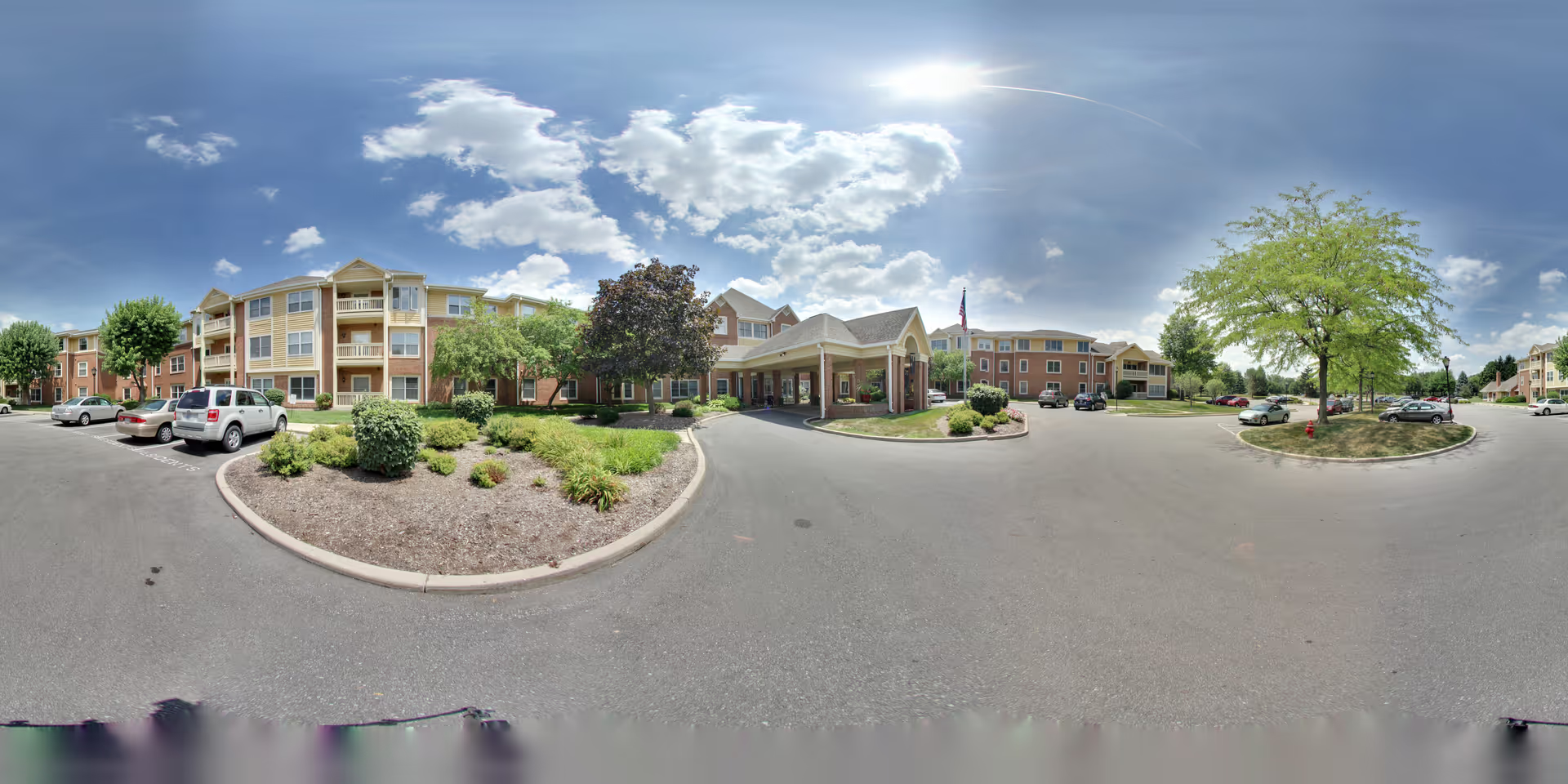
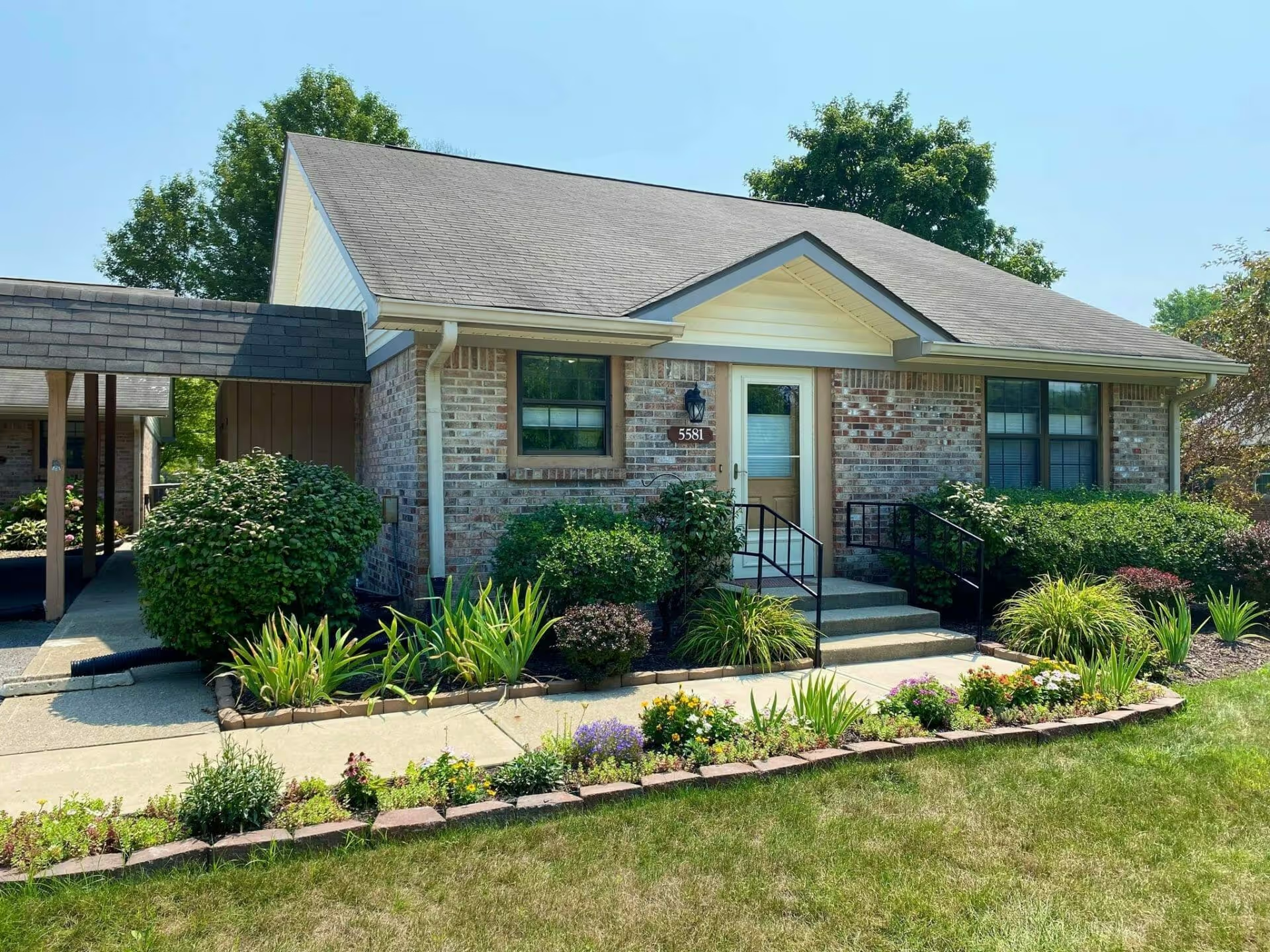
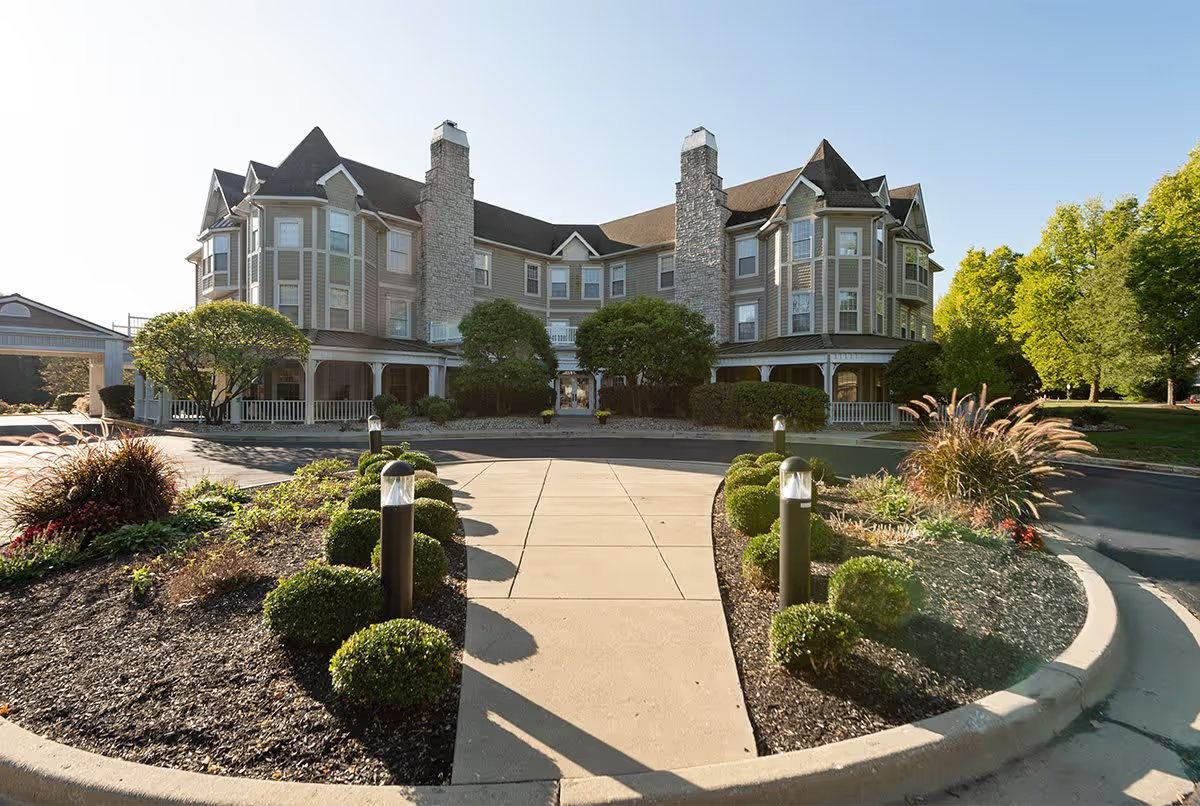
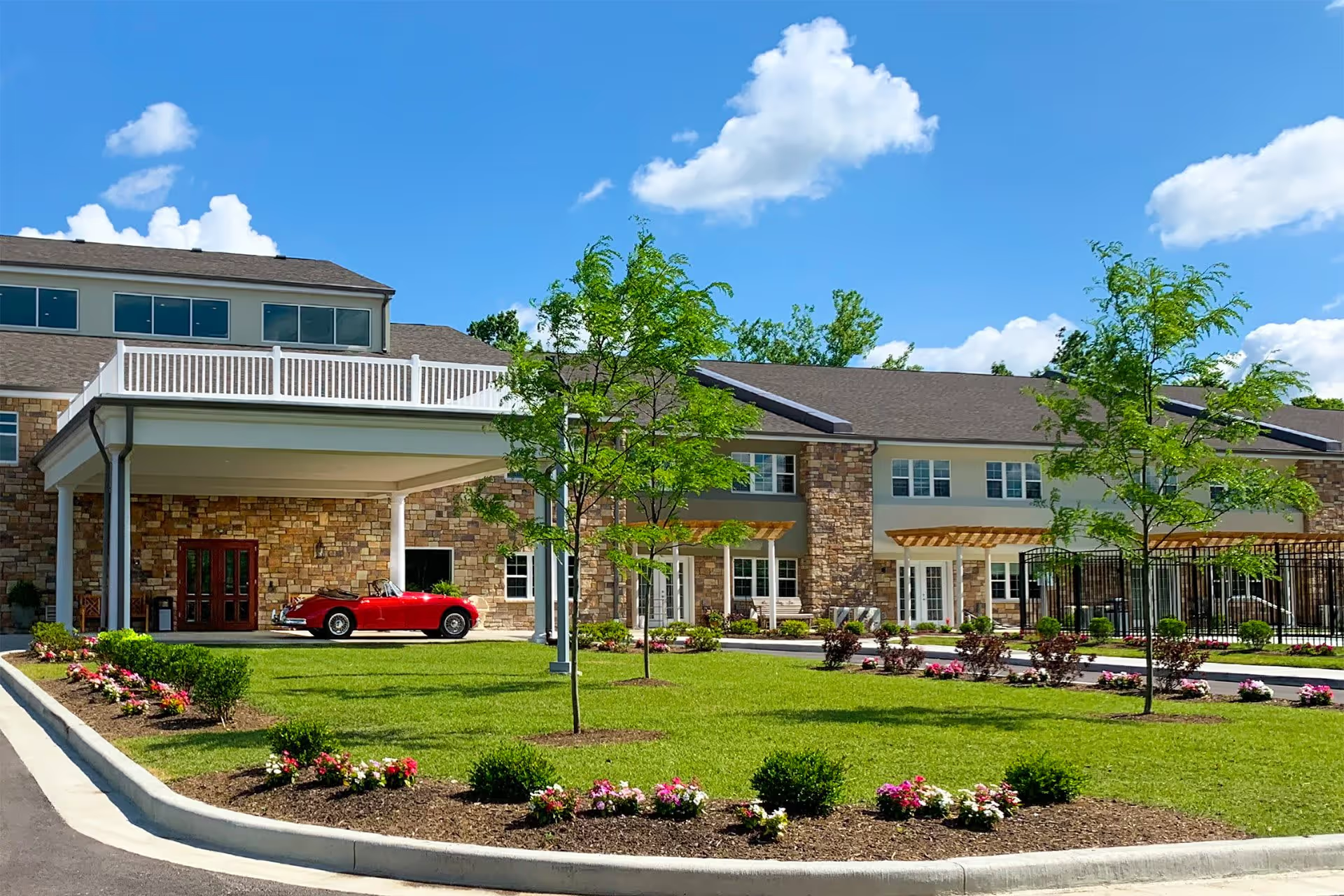
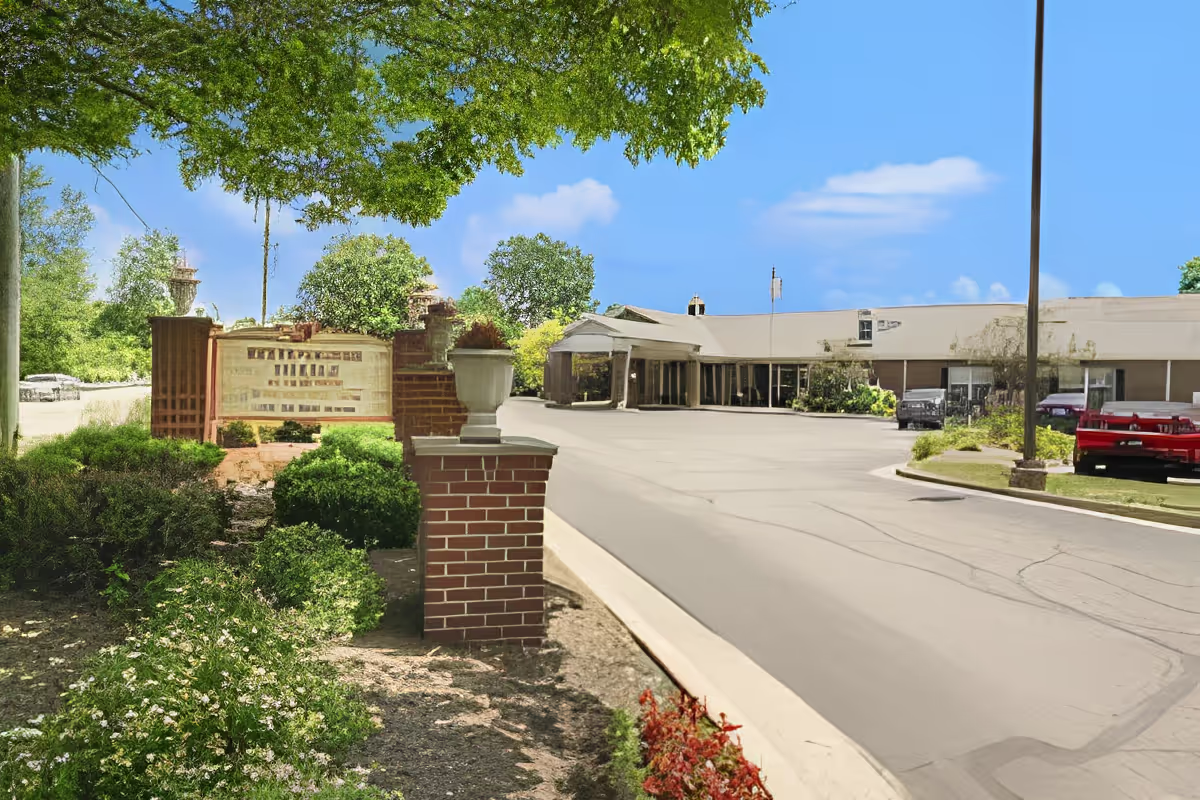
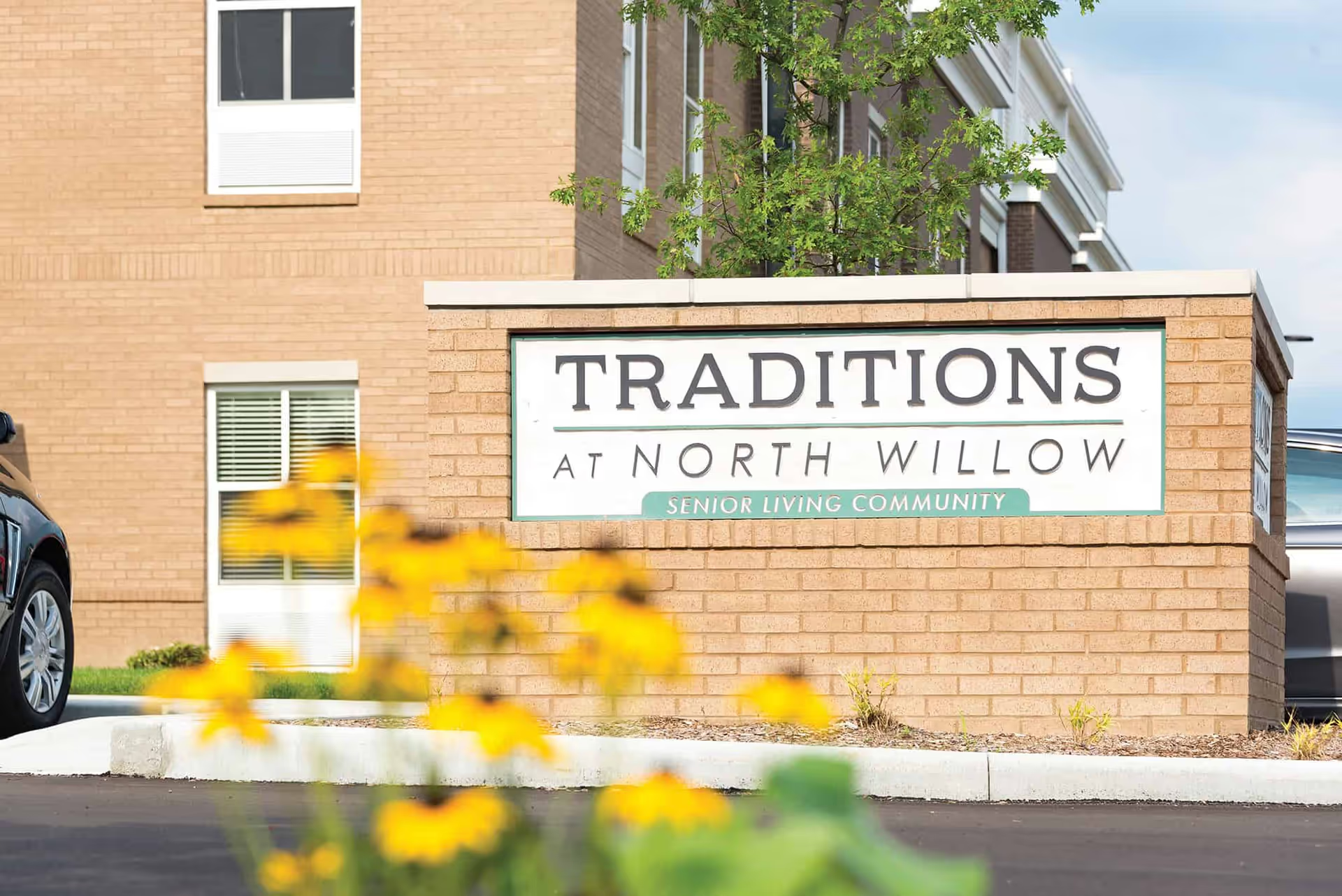
Traditions at Solana presents as a well-appointed, riverfront senior community with a broad set of amenities and many elements that families and residents commonly praise. The campus offers multiple housing options — including independent cottages, one- and two-bedroom apartments, and assisted-living units — with updated interiors, balconies or patios, and landscaped grounds. On-site services such as physical therapy, podiatry, a salon, a theater room, laundry, and transportation add convenience, and the social calendar is robust with live music, outings, exercise classes, bingo, and frequent communal events that support resident engagement and a strong sense of camaraderie.
Front-line staff and direct caregivers receive frequent positive comments for warmth, personalization, and hands-on assistance; many accounts describe receptionists, CNAs, activities staff, and select nurses as attentive and welcoming. Move-in coordination and initial transitions are often smooth, and the community atmosphere is frequently described as family-like. Maintenance responsiveness and attractive common areas — including restaurant-style dining rooms and multiple party spaces — are consistent strengths.
That said, reviews show a clear pattern of operational inconsistencies. Dining service quality and menu execution are uneven: some families praise the chef and meals, while others report cold entrees, substitutions, limited variety, and staffing-related delays in the dining room. Housekeeping and sanitation standards also appear variable across the campus, with intermittent complaints about cleanliness and odor concerns in certain common areas. Staffing shortages and shift-level reliability issues are a recurring theme; these gaps are linked in reviews to missed care tasks, delayed hygiene assistance, and occasional failures in clinical follow‑through (for example delayed notification after incidents or inconsistent assistance with personal care). Related concerns include limited 24/7 clinical monitoring for residents with higher medical needs and uneven dementia-specific preparedness in memory-care settings.
Management patterns contribute to mixed perceptions. Several accounts describe frequent turnover in middle and senior leadership, inconsistent responsiveness from administration and clinical leadership, and problems with front-desk coverage and family communication. Financial concerns surfaced as well, including disputes over charges and instances where families felt billed for services that were not clearly delivered. There are also isolated, serious allegations about operational or reporting practices; these warrant direct follow-up with the provider and review of regulatory inspection records.
For prospective residents and families: the community offers many desirable features — attractive campus, varied programming, and strong interpersonal rapport among many staff and residents — but also shows variability in consistency of care, dining, housekeeping, and management stability. A focused tour and specific questions are recommended: ask for current staffing ratios, turnover history, dementia-care protocols and training, sample weekly menus and meal-service procedures, housekeeping schedules, incident-reporting practices and family notification protocols, and a clear explanation of monthly fees and billing dispute resolution. Reviewing recent state inspection reports and speaking with current residents and families about recent operational trends will help determine whether Traditions at Solana’s strengths align with your care expectations and priorities.