Overview Bloom at Kessler / Kesslerwood Place elicits strongly mixed feedback: many families praise the caregiving staff and social programming, while others raise operational concerns that affect confidence in day-to-day reliability. The facility appears to deliver a warm, home-like culture with staff who are frequently described as compassionate, personable, and committed. At the same time, recurring service-level issues — particularly around staffing, cleanliness, dining, and clinical leadership — are prominent themes that prospective residents and families should evaluate during a visit.
Care and staff A consistent strength across reviews is the caring approach of direct-care staff: aides and nurses are often described as attentive, friendly, and invested in resident well‑being. Several comments highlight long-tenured employees, strong teamwork, and staff who go beyond routine duties. However, staffing shortages and reliance on temporary or external staff are also repeatedly noted; those shortages are linked to longer call-light response times, missed or delayed assistance, and uneven consistency in day-to-day care. There are also concerning notes about medication-management communication and examples of poor responsiveness from nursing leadership. Taken together, the pattern suggests strong frontline commitment but variable operational consistency when staffing pressure is present.
Dining Dining impressions are mixed. Many reviews praise portion sizes, variety on certain days, and enjoyable desserts, and some families say meals have been a positive aspect of the community. Conversely, other families report limited daily choices (sometimes only two options), inconsistent meal quality, and issues that raise questions about food‑safety and transparency, including comments about kitchen location and food‑holding practices. These contrasting experiences indicate that meal quality may vary by day, meal period, or staffing level; families should ask about current menus, meal-selection policy, and food-safety procedures during a tour.
Activities and therapies The community receives regular praise for its activities program. Reviewers describe a robust calendar, frequent outings, and staff who encourage participation, which supports social engagement and a home-like atmosphere. In-house therapy services and restorative programming are also mentioned positively, contributing to residents’ activity levels and functional maintenance.
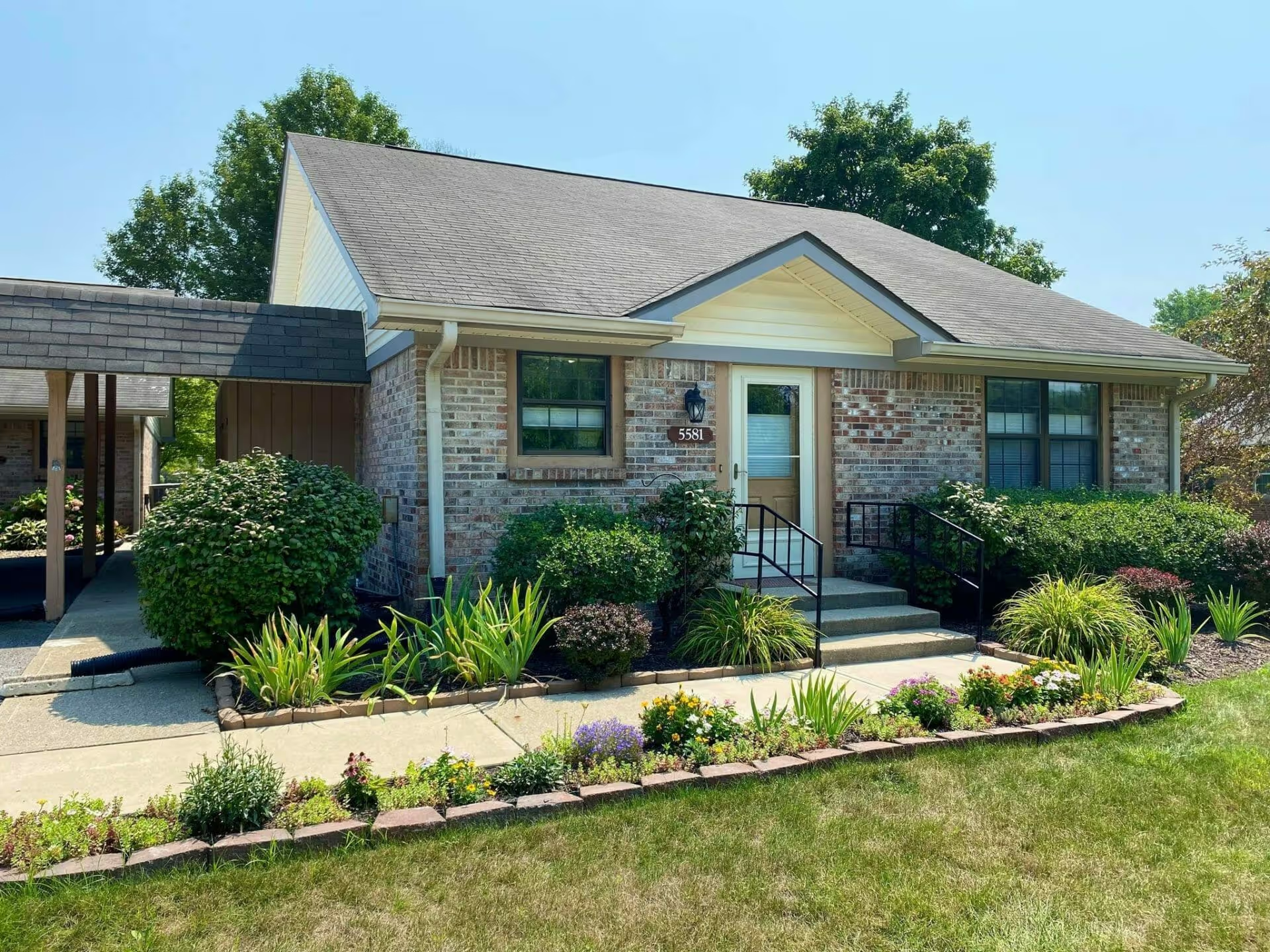
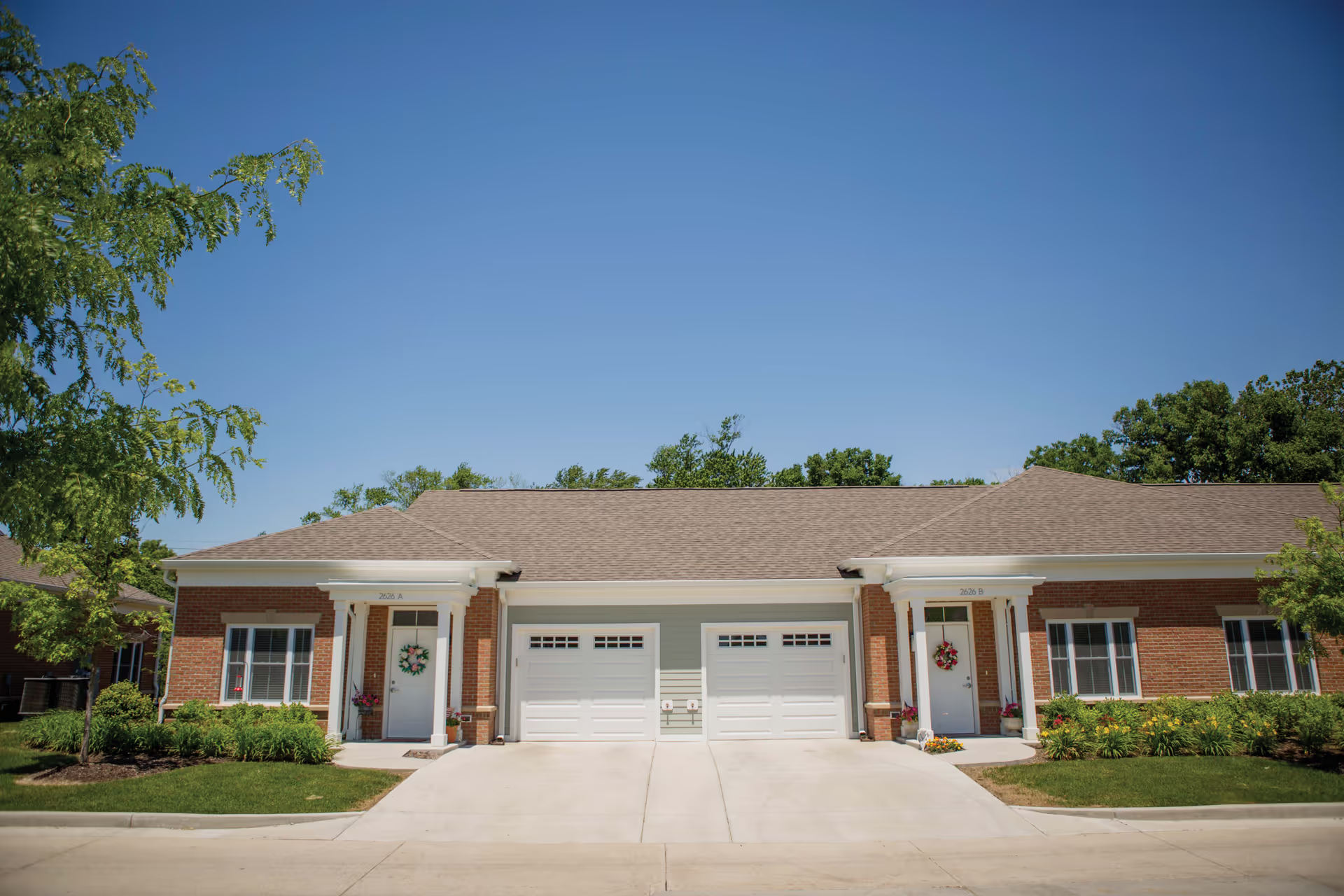
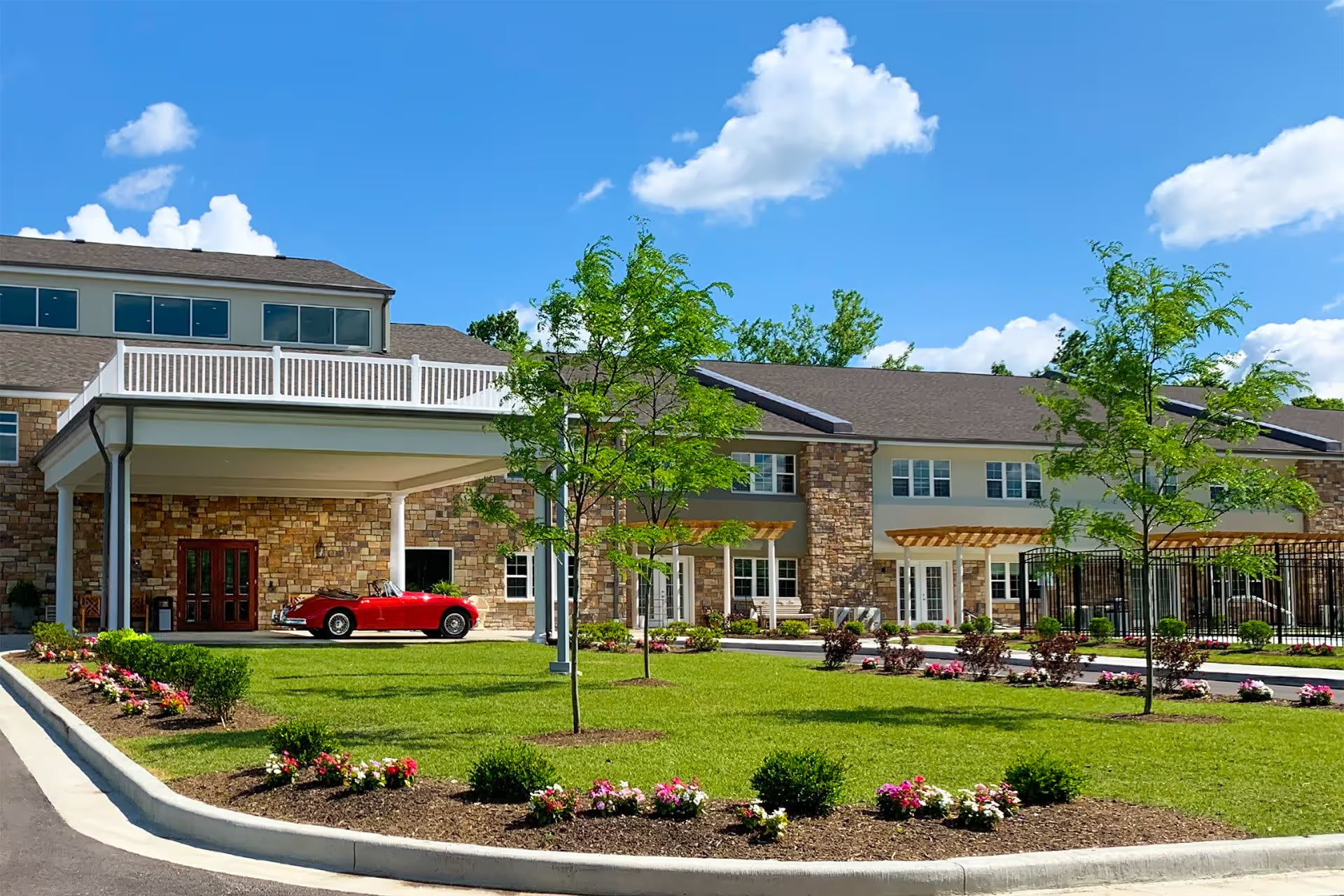
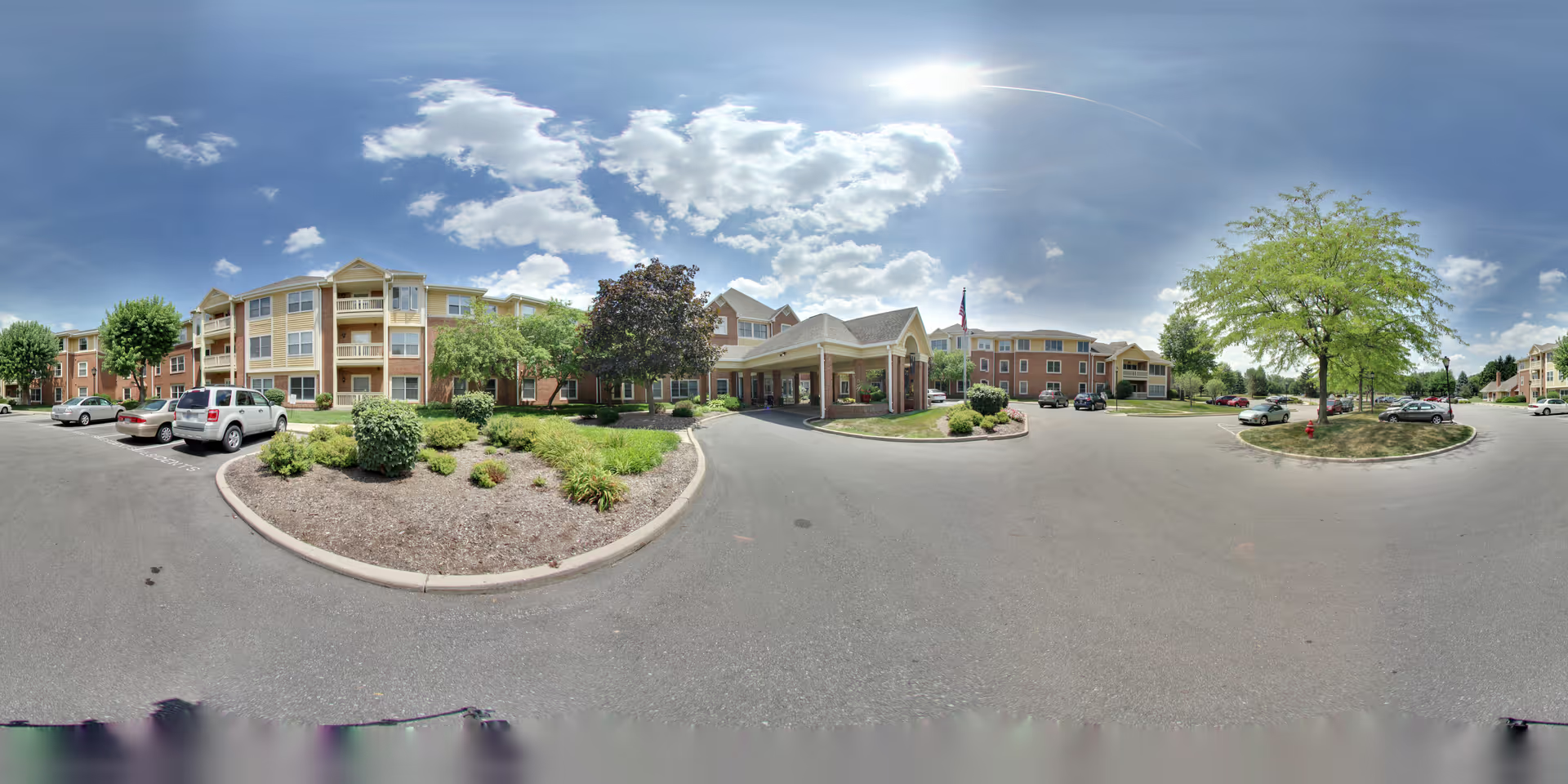
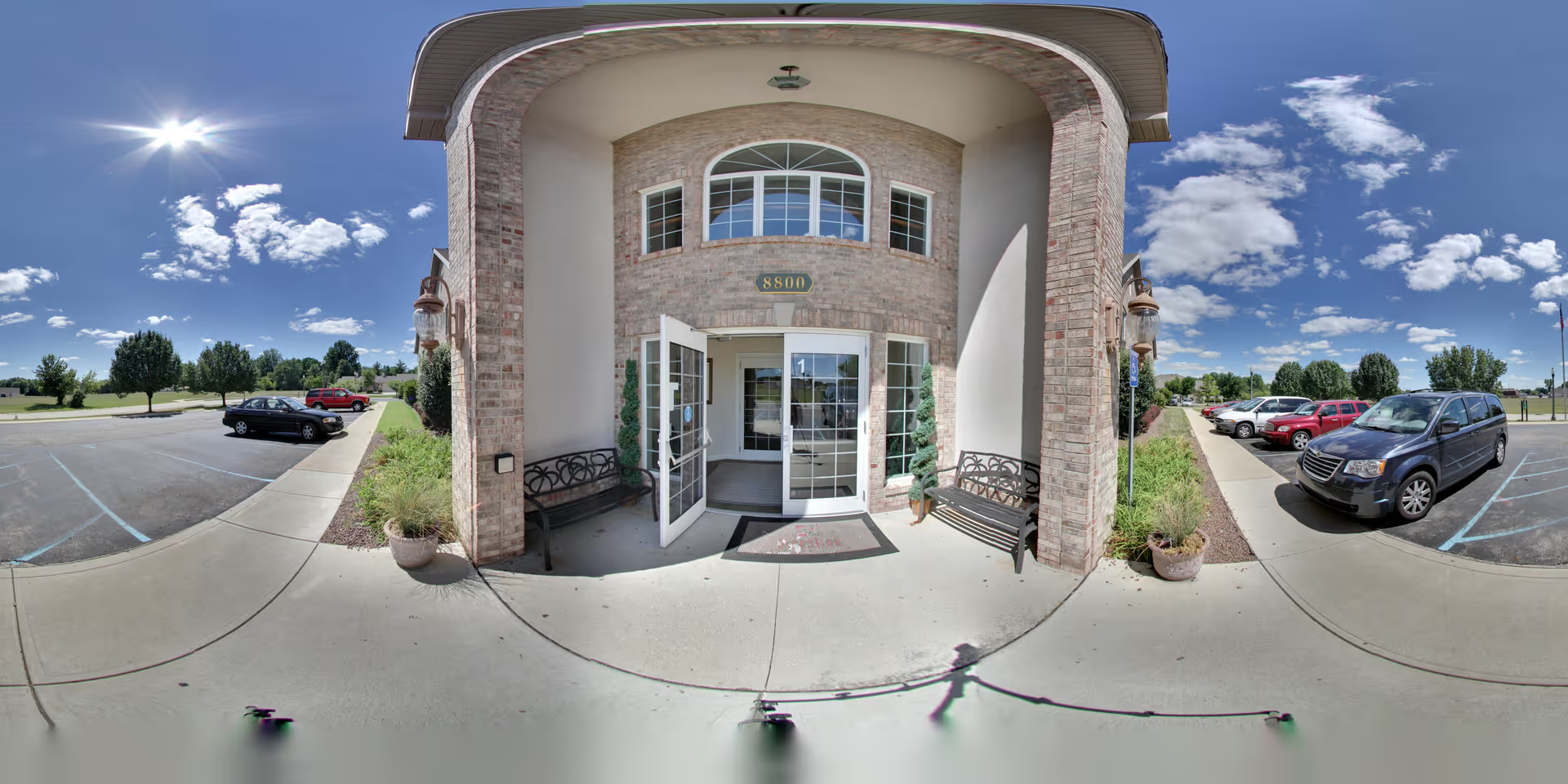
Facilities and maintenance Comments about the physical plant are mixed. Many reviewers find common areas clean, attractive, and comfortable, but others describe sanitation concerns and persistent odor issues on certain floors, including memory-care areas. Exterior maintenance deficits (siding, landscaping, missing gate pieces) and specific safety questions (multi-level stair access and railing or gate integrity) were raised; these indicate uneven upkeep of both interior and exterior spaces. Prospective residents should assess unit-level cleanliness and inspect outdoor access and safety features in person.
Management and policies Perceptions of leadership vary significantly. Several reviewers praise management, the executive director, and front-office staff for organization, communication, and resident-centered practices. In contrast, other families express frustration with clinical leadership—particularly the director of nursing—citing inconsistent assessments at intake, testing-policy inconsistencies, and poor communication about medication changes or incidents. There are also isolated but serious allegations regarding staff conduct; these warrant direct, specific inquiry with administration and review of any available oversight or regulatory records. Overall, leadership stability and the clarity of clinical policies appear to be an inconsistent element of the resident experience.
Notable patterns and considerations Two consistent patterns emerge: (1) strong interpersonal care from many front-line staff, and (2) operational variability that can affect safety, cleanliness, dining, and clinical communication. Price sensitivity was also mentioned; some families felt cost was high relative to the inconsistencies they experienced. For families considering this community, a focused tour is advisable: ask about current staffing ratios, use of agency staff, housekeeping schedules, kitchen location and food-safety protocols, medication-administration procedures, intake-assessment practices, and recent quality or inspection reports. Speaking with both day and evening staff, and arranging to visit during a meal and an activity, will help clarify whether the community’s strengths align with your priorities.
Bottom line Bloom at Kessler shows clear strengths in staff compassion, social programming, and a generally home-like culture, but also exhibits recurrent operational concerns that can materially affect resident experience. These mixed signals mean the facility can be an excellent fit for some families, particularly where day-to-day interactions with caregiving staff are the priority, but prospective residents should do targeted due diligence on staffing, housekeeping, dining, and clinical leadership before making a decision.