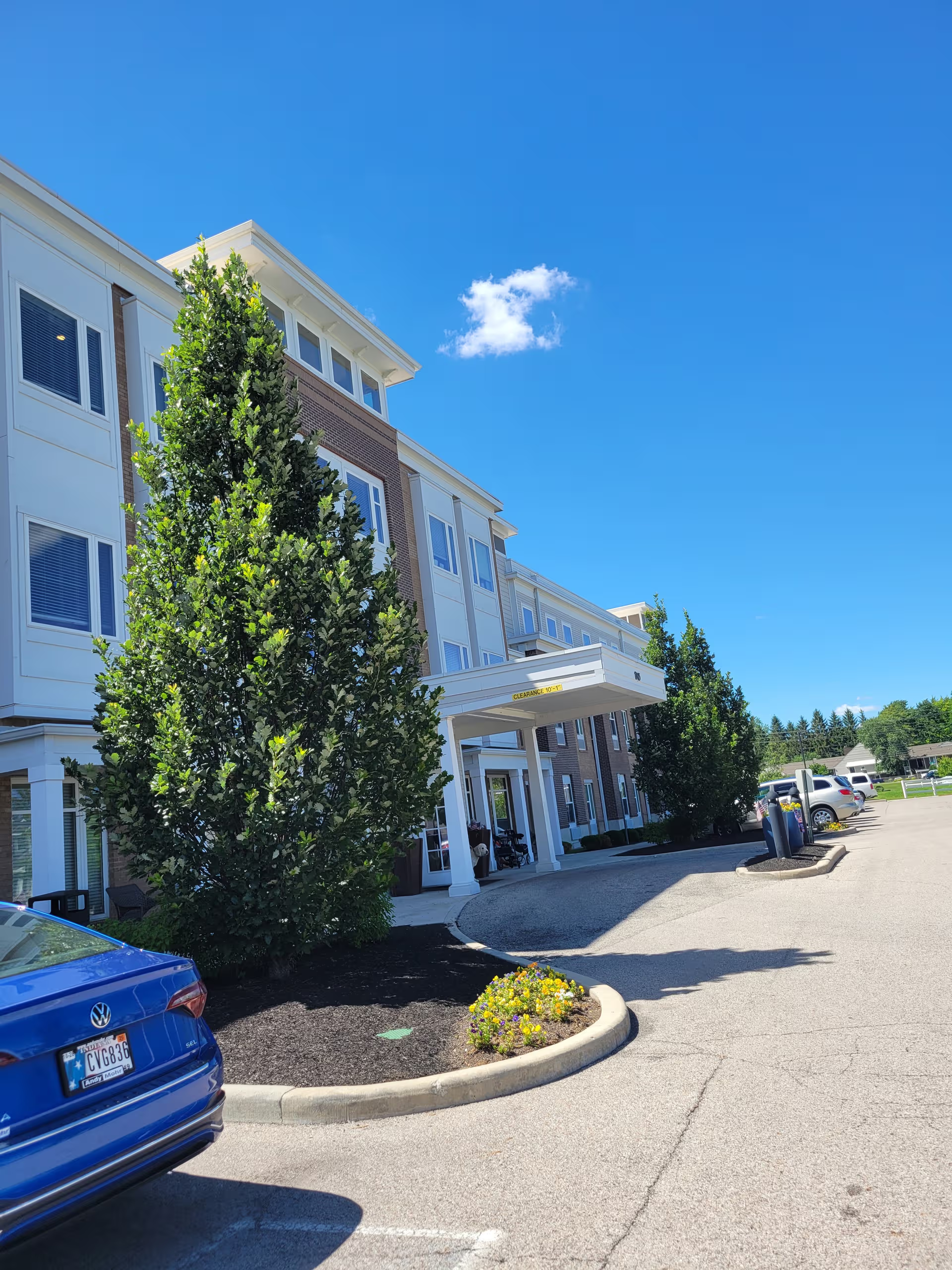
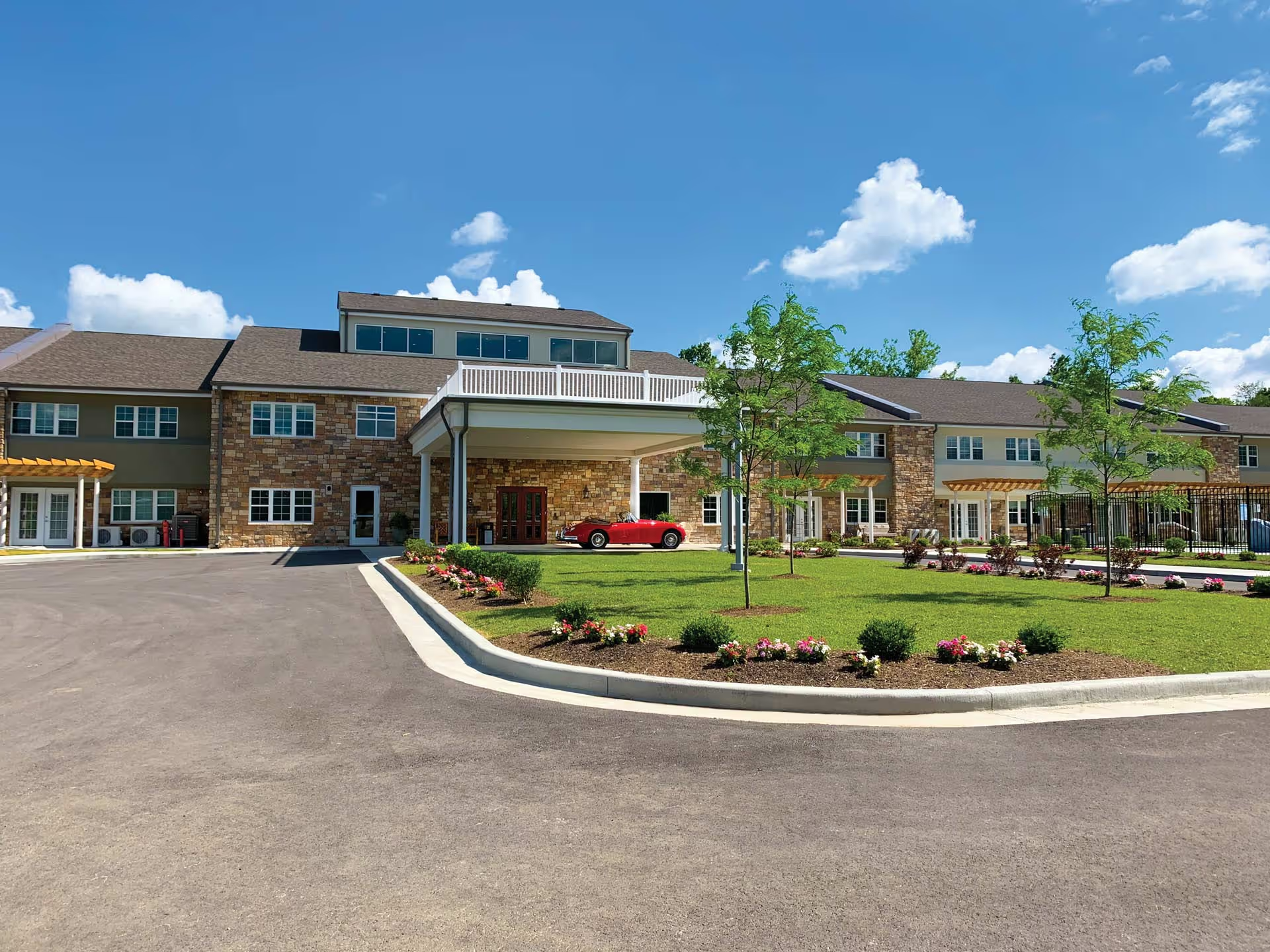
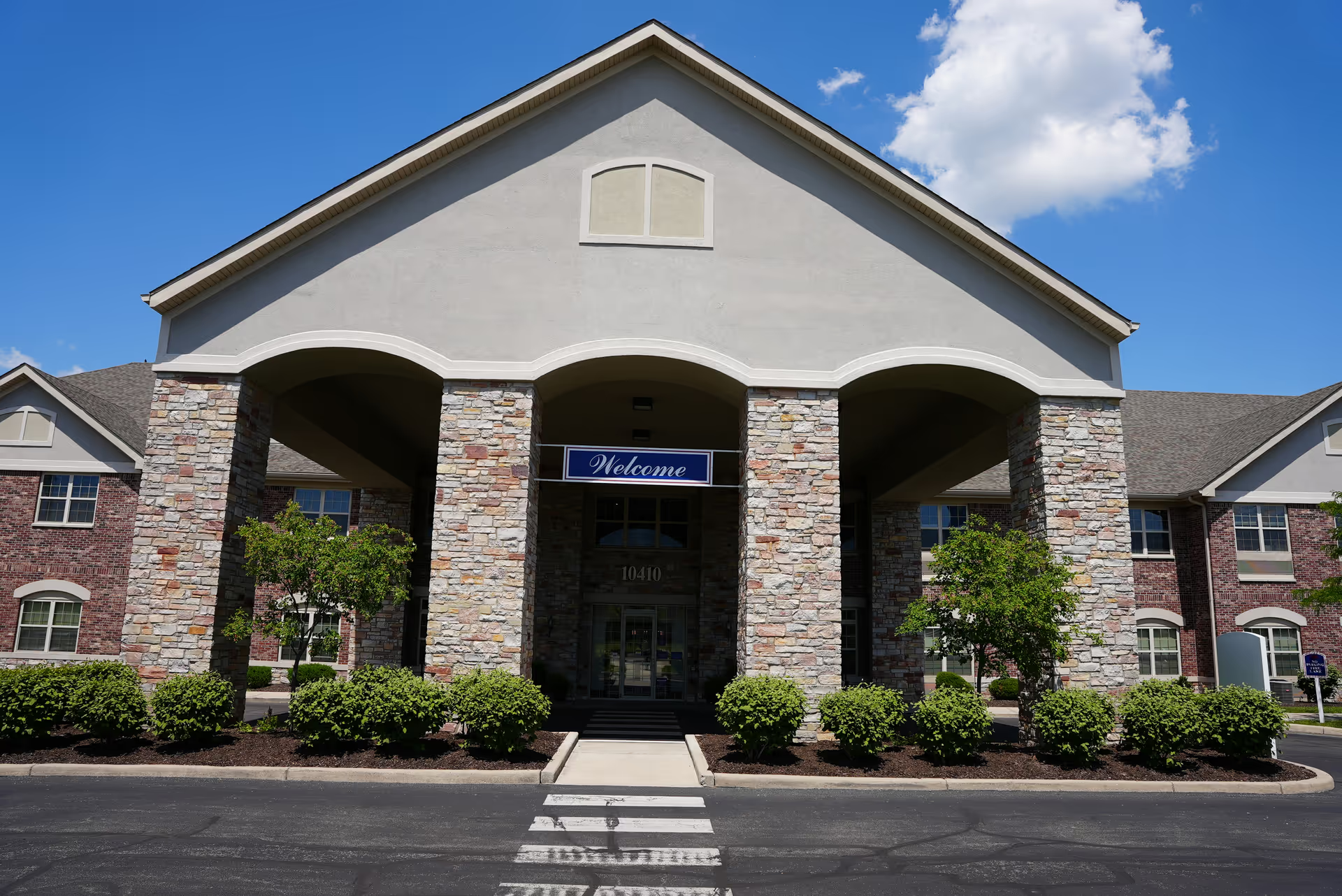
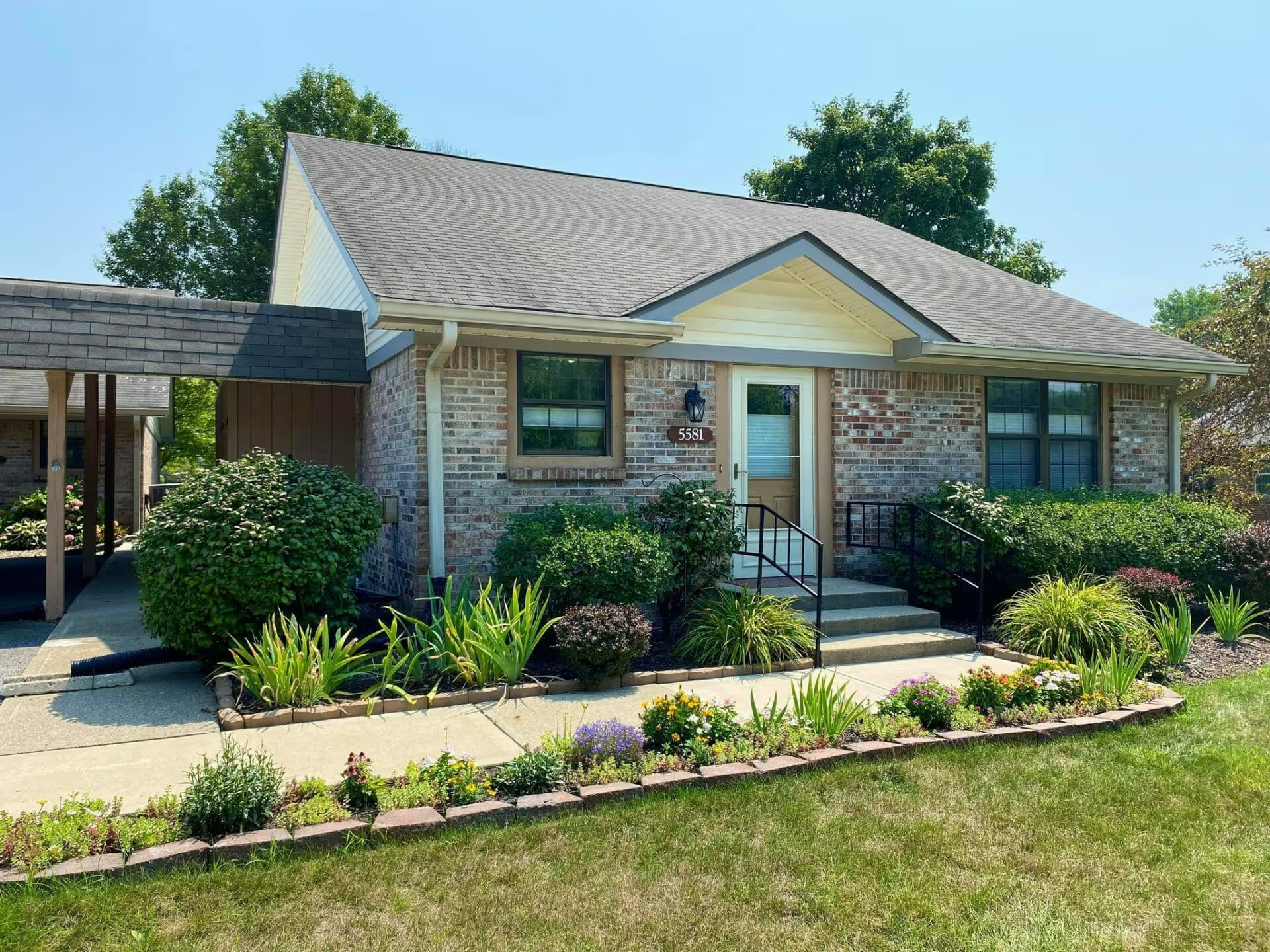
Overall impression: The Forum at the Crossing is generally described as a socially active, service-rich senior community with many families praising the staff, dining program, and continuum of care. Strengths most consistently highlighted include compassionate frontline employees, an engaged resident population, restaurant-style dining with a chef-driven menu, and a broad calendar of activities that support socialization and wellness. Many reviewers emphasized personalized attention in memory care and the availability of on-site therapy and medical-related services.
Care and staff: Staff and direct-care employees receive strong, repeated praise for bedside manner, individualized attention, and willingness to assist families with transitions and equipment. Therapy teams and certain clinical staff were called out positively for diligent rehabilitation work and family communication. At the same time, reviewers describe operational inconsistencies that can affect day-to-day care: staffing variability or turnover, intermittent delays in responding to call buttons, and occasional concerns about monitoring hydration/nutrition and supervision in certain memory-care instances. These indicate that while many families experience high-quality, attentive care, continuity and responsiveness can vary by shift or unit.
Dining and activities: Dining is a clear selling point for the community — restaurant-style service, customizable menu options, and a convivial dining room were frequently noted. Social dining, happy hours and themed events contribute to a lively social environment. That said, several accounts describe variability in meal quality and at least one period of decline in food service, so prospective residents should assess current dining operations during a tour and ask about recent changes to food-service staffing or vendors.
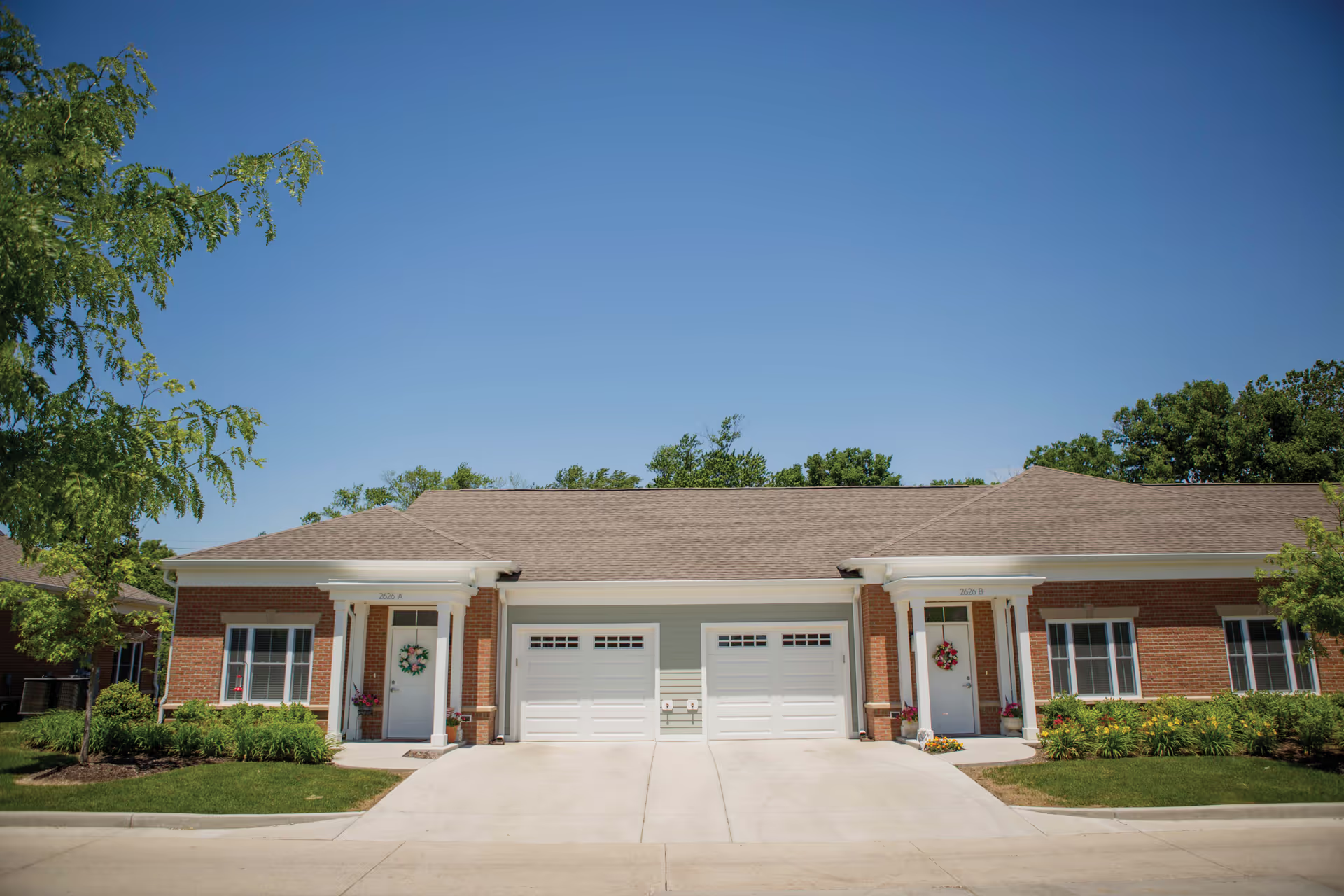
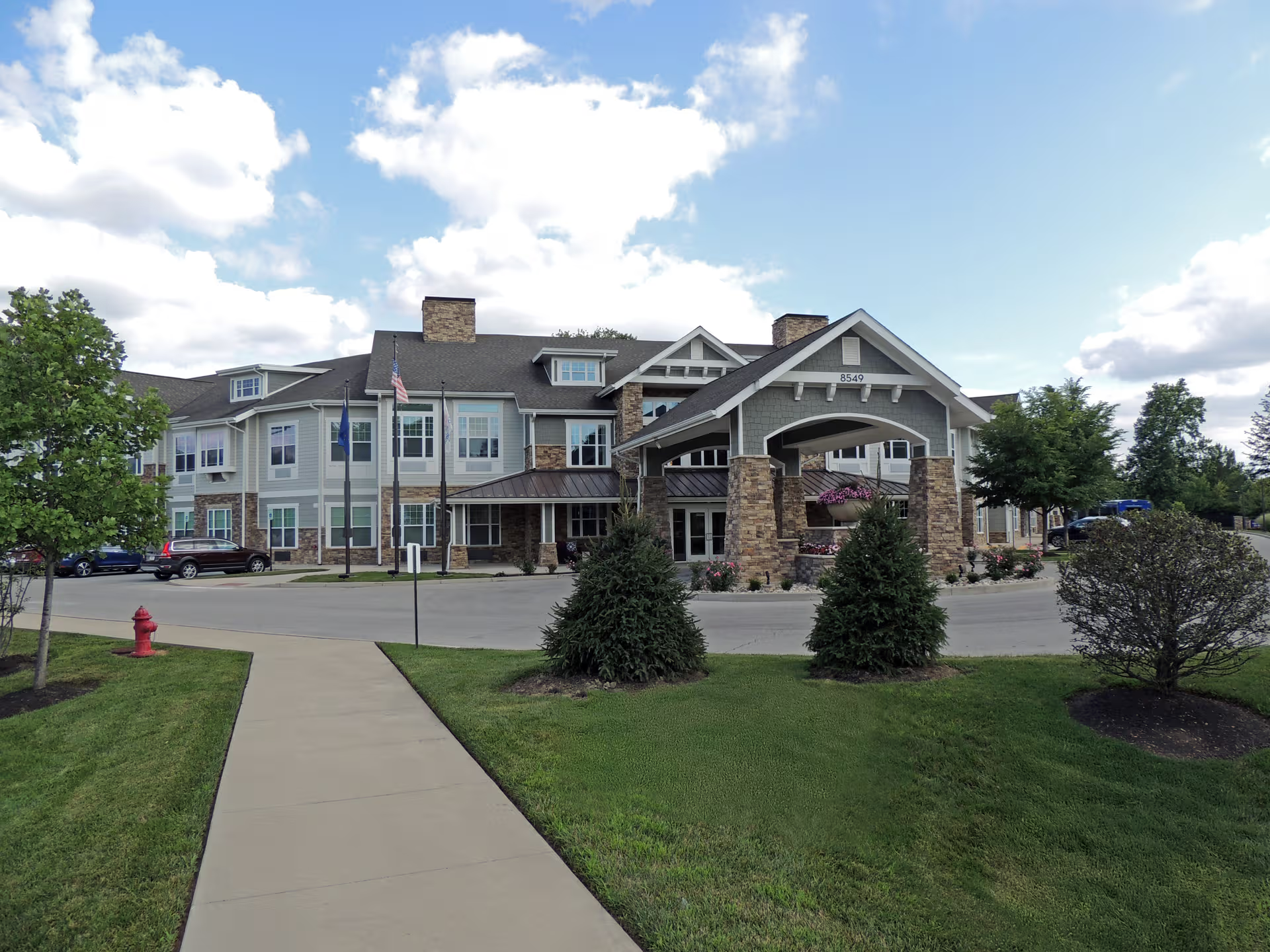
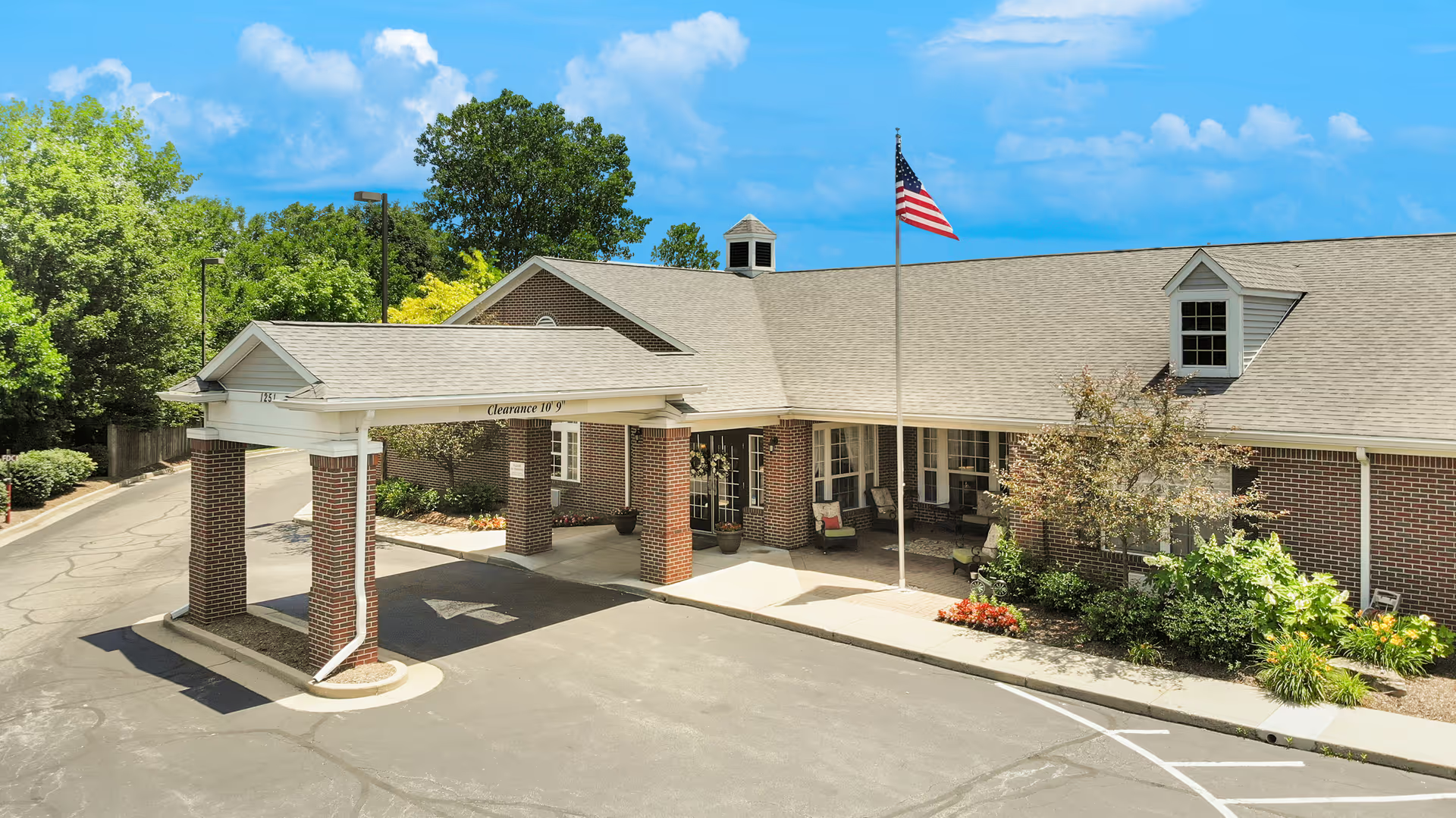
Facilities and maintenance: The campus benefits from well-maintained grounds, recent apartment and common-area renovations, and desirable apartment amenities (washer/dryer hook-ups, patios, storage). However, the physical plant is mixed: an older building infrastructure has produced recurring HVAC, boiler, electrical and water-system issues for some residents, and maintenance response times were flagged as inconsistent. There are also isolated sanitation and pest-control concerns cited. Apartment sizes and ceiling heights were noted as smaller in some floor plans relative to cost, so comparing unit dimensions is advisable.
Management and operations: Many families praised proactive, helpful front-desk and leasing staff who facilitate move-in and ongoing communication. There are also comments reflecting a perceived prioritization of financial objectives over resident needs in select cases; coupled with staffing variability and inconsistent rehab performance, these observations suggest operational areas for closer inquiry. Positive management behaviors include transparent communication with families, assistance arranging care equipment, and flexibility with respite and pet accommodations.
Notable patterns and guidance: The Forum presents as a strong option for families seeking a socially active community with robust dining, organized activities, and an available continuum of care — particularly for those who value compassionate direct-care staff and on-site therapy. Prospective residents and families should prioritize a tour that evaluates current dining quality, recent maintenance work orders, HVAC reliability, pest-control protocols, staffing ratios and call-response times, and specifics of memory-care supervision and daily programming. Asking for recent quality surveys, infection-control procedures, and examples of how management resolves maintenance and staffing issues will help assess whether the facility’s current operations align with your expectations.