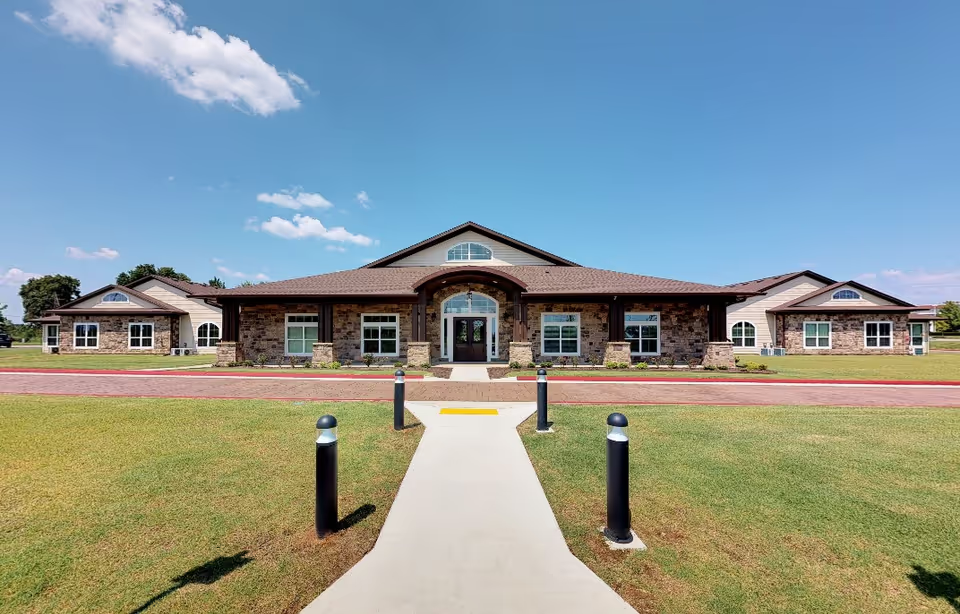
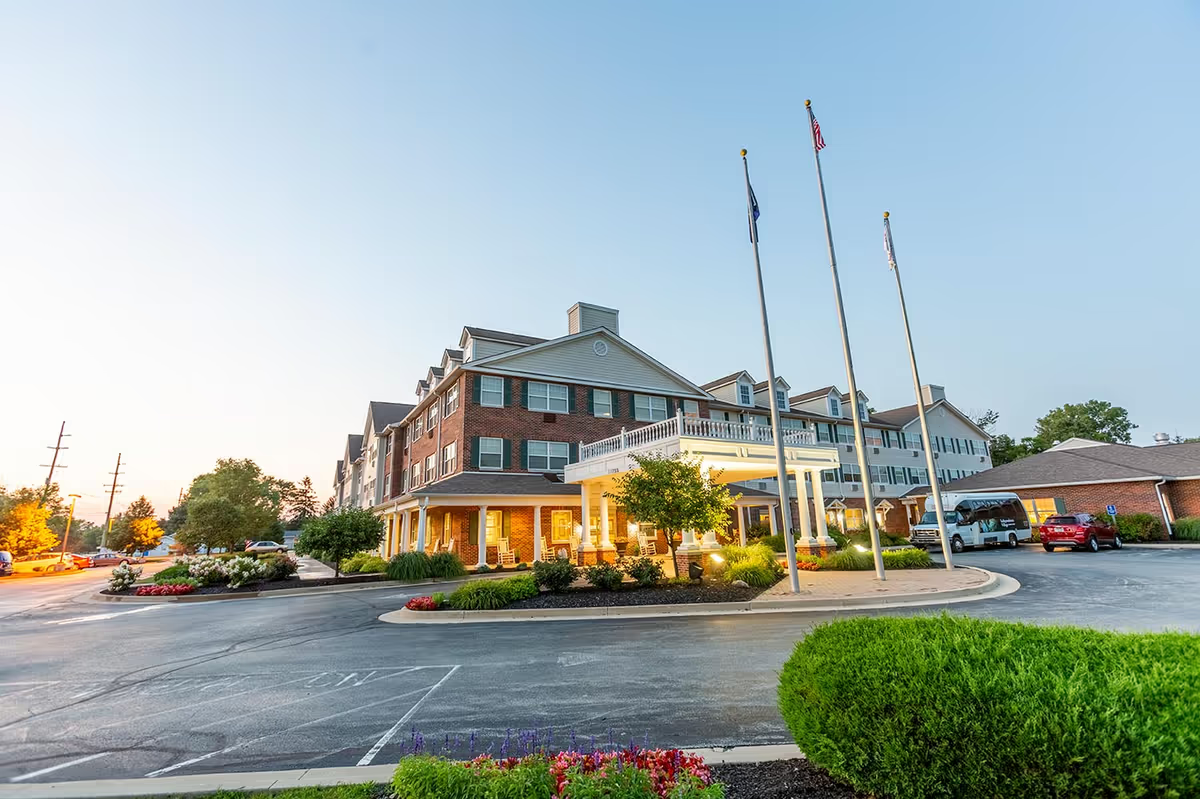
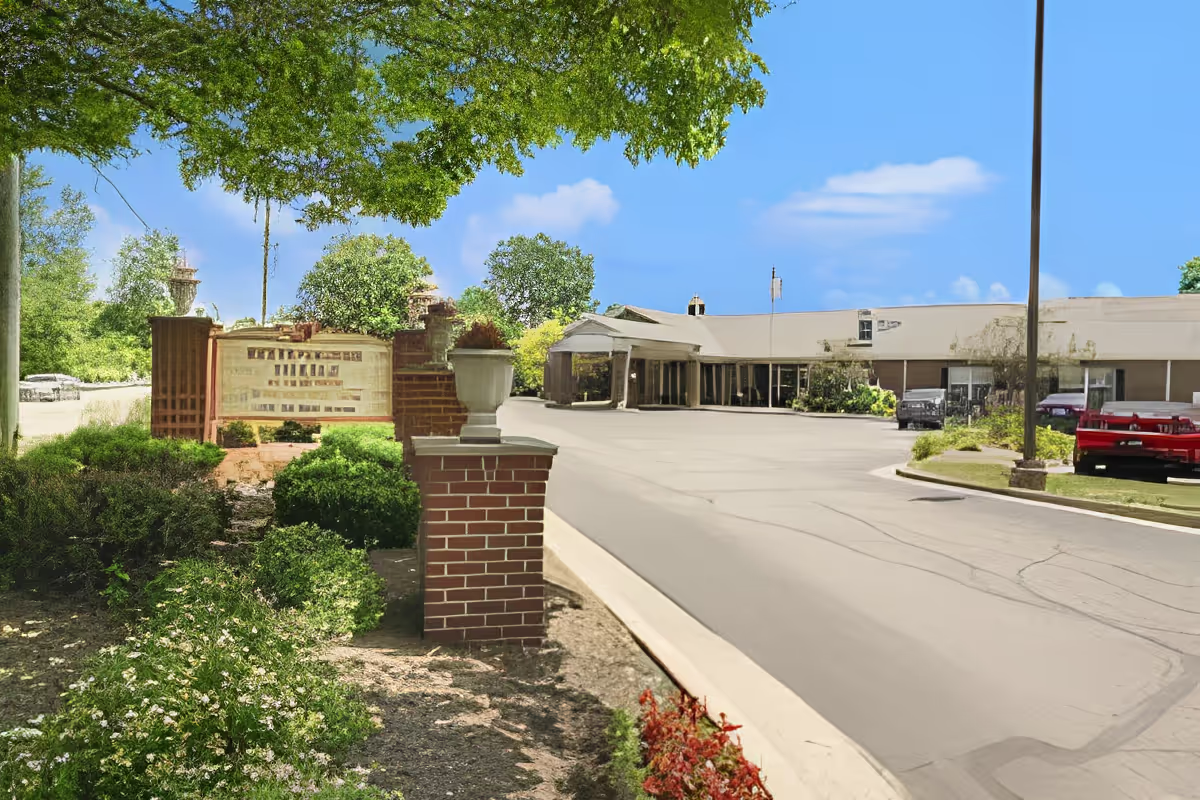
Hoosier Village presents as a large, well-appointed senior living campus with a broad range of housing choices and lifestyle options. Reviewers consistently describe attractive grounds, a gated entrance and a mix of duplexes, cottage-style homes and condo-sized residences alongside apartments in the main building. The community emphasizes active living: an aquatic center, full fitness facilities, robust programming (bingo, classes, musical performances, crafts, bus trips and guest speakers), scheduled transportation and a community garden are highlighted features. Families also note an on-site chaplain and regular worship services as a valued offering.
Care and staffing impressions are mixed. Many families praise individual staff members, therapy teams and the warm atmosphere of the health center; physical and rehabilitation therapy are frequently described as strengths. At the same time, reviewers raise operational concerns: staffing levels are uneven, clinical coverage (including registered-nurse availability) is limited at times, and some memory-care areas lack consistent dementia-focused training and supervision. Several reviewers described delays in responding to calls or alarms and variability in caregiver availability, which translate into perceived gaps in day-to-day clinical oversight.
Dining and activities receive similarly mixed commentary. The facility offers multiple dining rooms and diverse meal options; some reviewers describe high-quality meals and a wide variety of dining experiences. Others characterize food quality as inconsistent and note interruptions to meal service. Activities programming and transportation are generally strong features—organized outings, entertainers, fitness classes and social spaces are recurring positives—though activity consistency can vary by building and resident cohort.
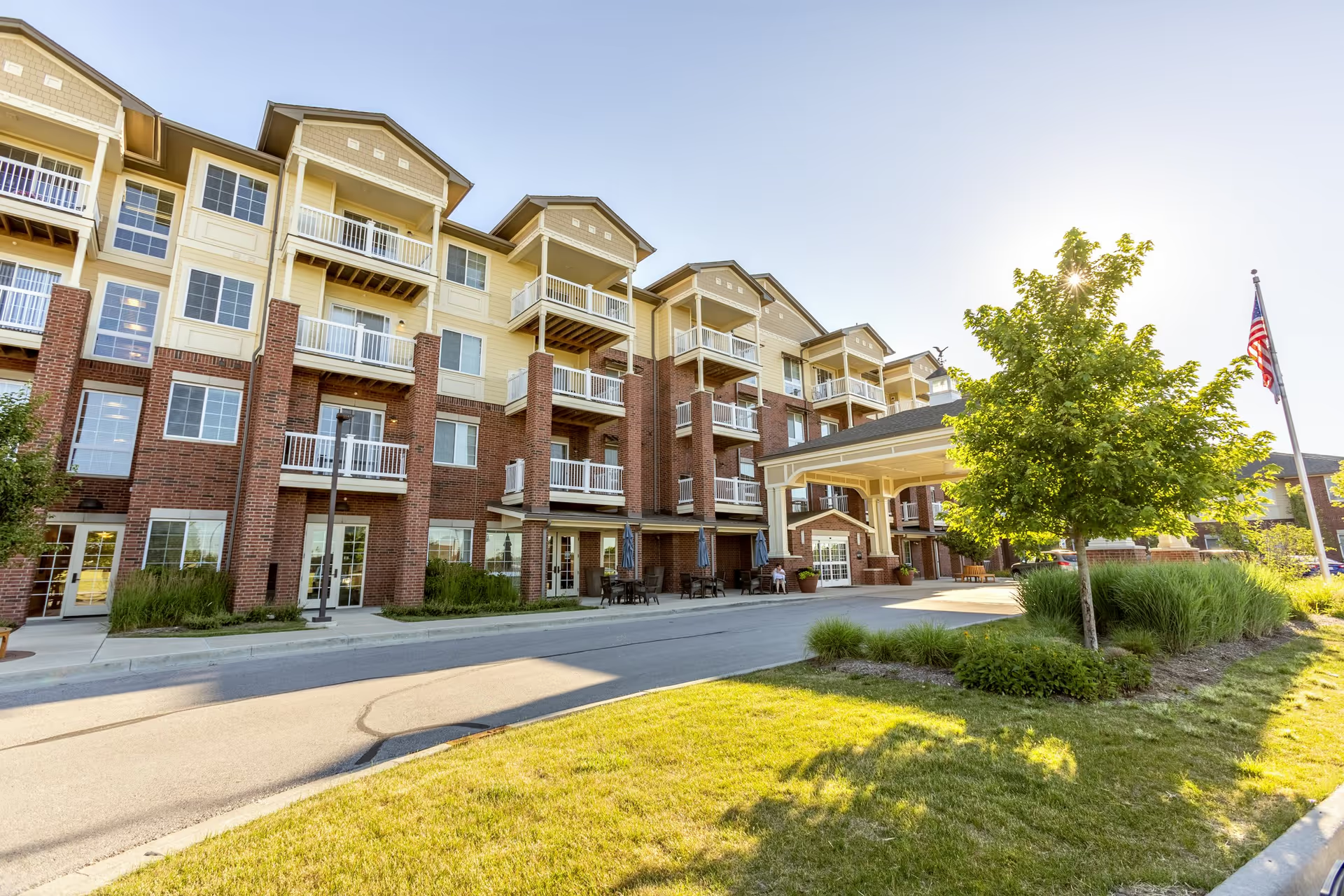
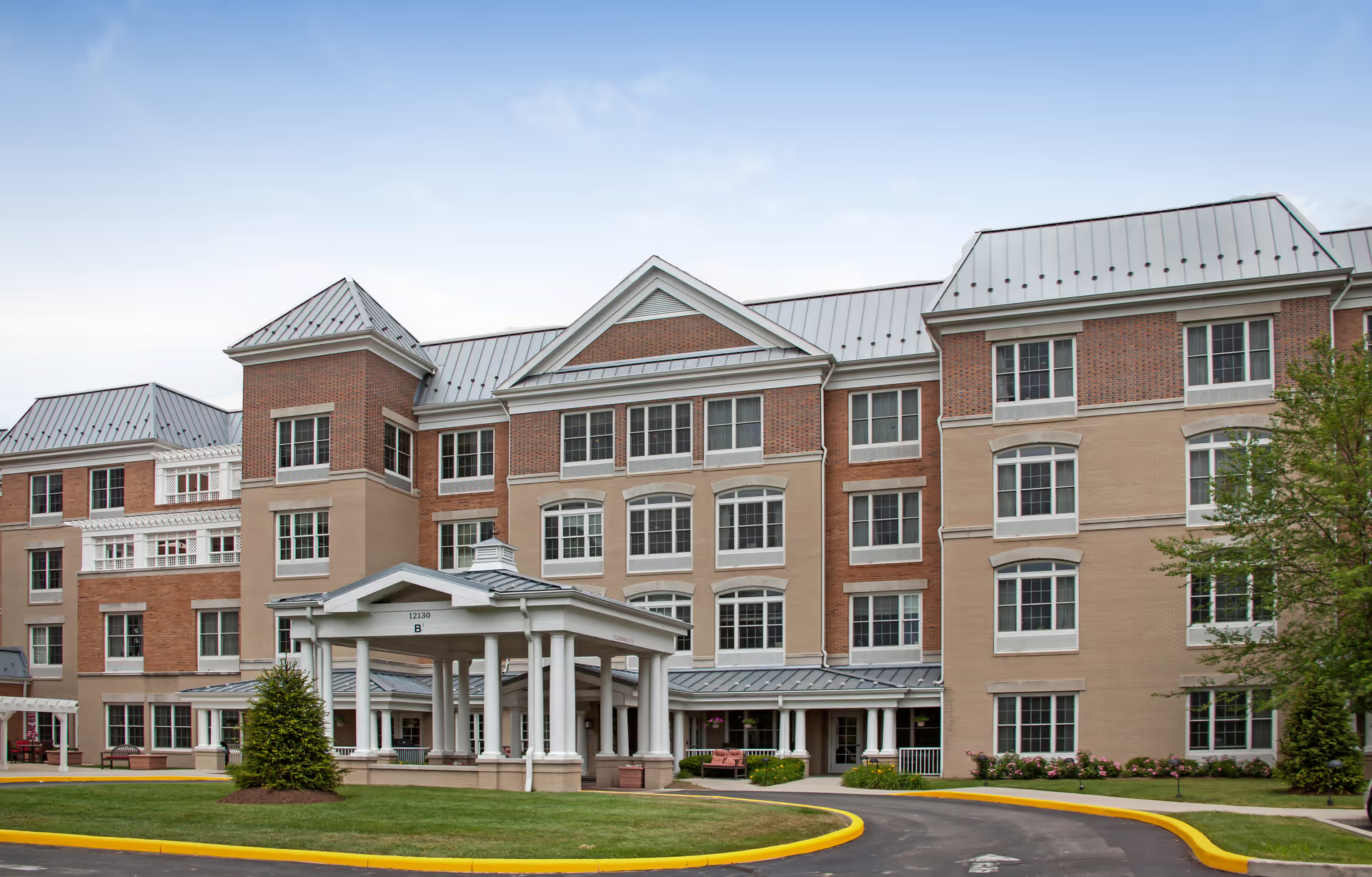
The physical plant is notable for both its amenities and its scale. Newer buildings, a luxury lobby area and well-maintained outdoor areas contribute to an upscale feel. There is also clear heterogeneity across the campus: some older buildings and wings are described as run-down or less well maintained, and the campus footprint means residents may need transportation (golf carts or vehicles) to reach main dining or activity hubs. Unit sizes range widely, with some condo-style units offering generous square footage and garages.
Management and policy themes recur in reviews. Marketing and admissions materials present a polished, state-of-the-art image, but several families raised concerns about transparency in billing and advance-care pricing; unexpected charges and limited discount flexibility for future care were cited. Reviewers also perceive a tension between visible investments in appearance and amenities and the level of investment in staffing and clinical training. Policies in memory care (for example, mobility restrictions) and variability in staff experience were also called out as areas needing clearer communication or revision.
In sum, Hoosier Village offers substantial lifestyle amenities, varied housing formats, and strong therapy and activity programs that appeal to many prospective residents. At the same time, consistent clinical staffing, dementia-care training, response timeliness and billing transparency emerge as the principal operational concerns families should evaluate during visits. Prospective residents and families would be well served to inspect specific buildings, review staffing and clinical-coverage patterns, ask for written explanations of memory-care policies and fee structures, and observe mealtime and response-time practices during a tour.