Overall impression: Reviews are mixed and polarized. Many families and residents praise the facility for strong therapy services, compassionate caregivers, and effective end-of-life support; others raise significant operational and safety concerns. The result is a pattern in which high-quality clinical and rehabilitative care is visible alongside recurring issues with everyday operations and environmental maintenance.
Care and clinical quality: The rehabilitation program (PT/OT and cardiac rehab) receives consistent praise for knowledgeable, patient therapists and measurable functional gains. Nursing staff and CNAs are described both as highly compassionate and as insufficiently trained or inconsistent in performance; this split produces uneven clinical experiences. Reviewers cite delays in medication delivery, documentation gaps, and occasional medication mismanagement. Clinical outcomes cited include urinary and respiratory infections and pressure injuries that reviewers associate with delayed or inconsistent care, indicating gaps in routine clinical monitoring and timely interventions.
Staff and responsiveness: Many individual staff members are highlighted as strengths—nurses, aides, therapists, admissions staff, and social workers are named for their kindness, communication, and problem-solving. At the same time, systemic staffing shortfalls, slow responses to call lights, and perceived undertraining of CNAs are recurring themes. Communication with families is uneven: some administrators are described as responsive with an open-door approach, while others are perceived as unhelpful or misleading, especially around transitions, transports, and insurance-related matters.
Dining and activities: Activity programming (movies, bingo, tributes, events) and engagement opportunities are frequently cited positively, contributing to a more social atmosphere for many residents. Dining experiences vary: several reviews compliment meal quality and variety, yet others describe bland food or inconsistent meal service. Overall, recreational and therapeutic activities are a relative strength, while food service consistency appears variable.
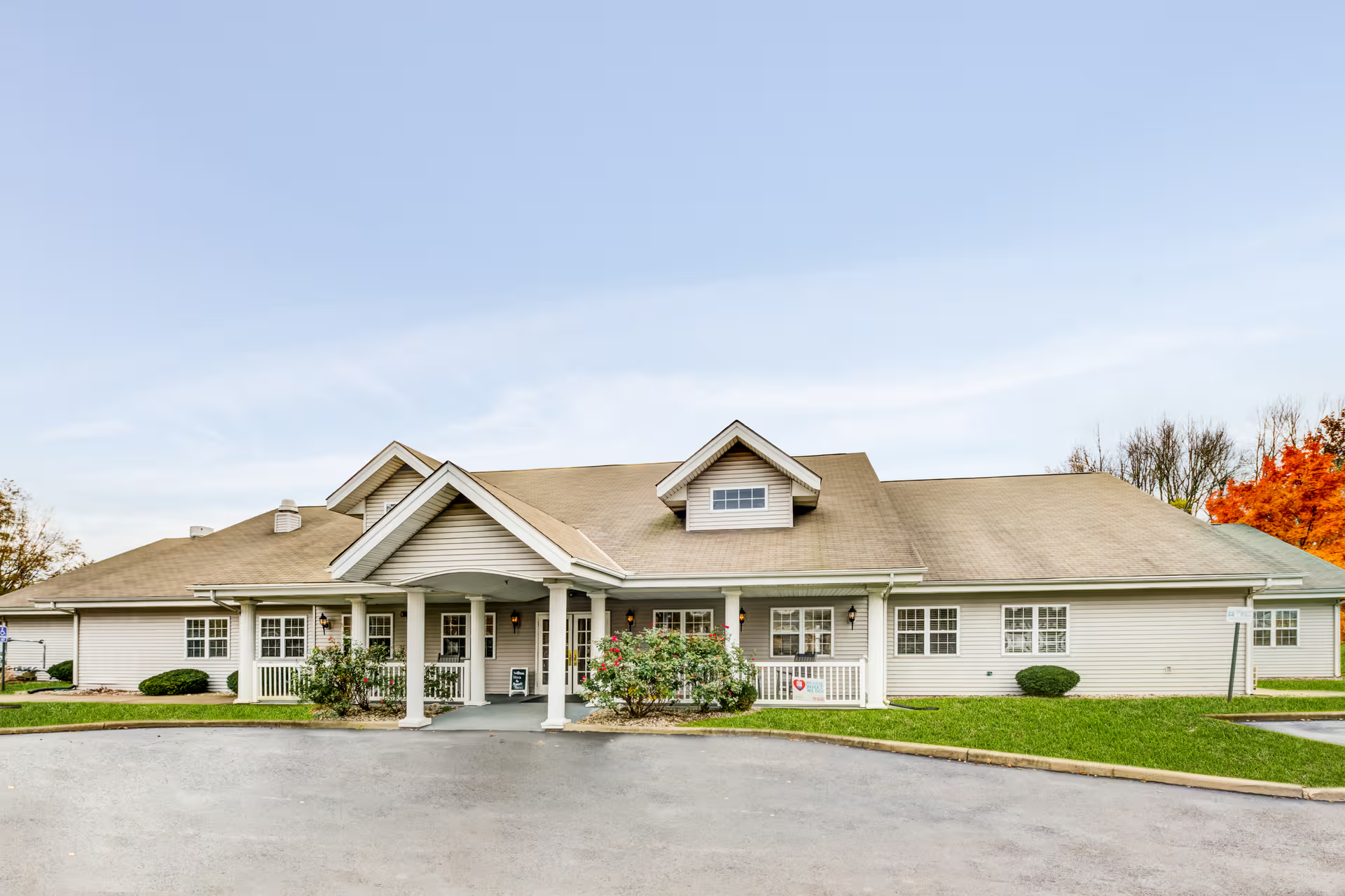
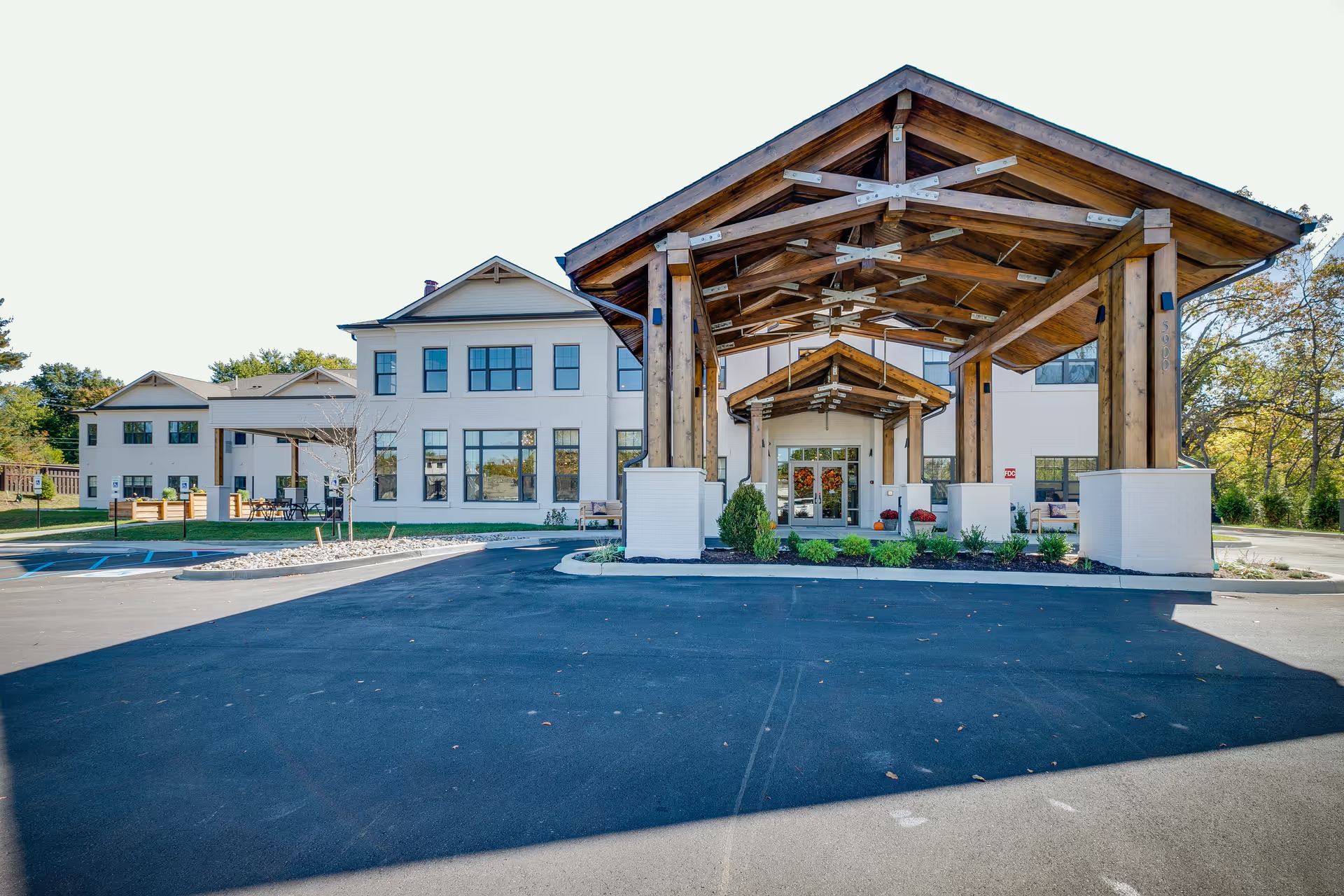
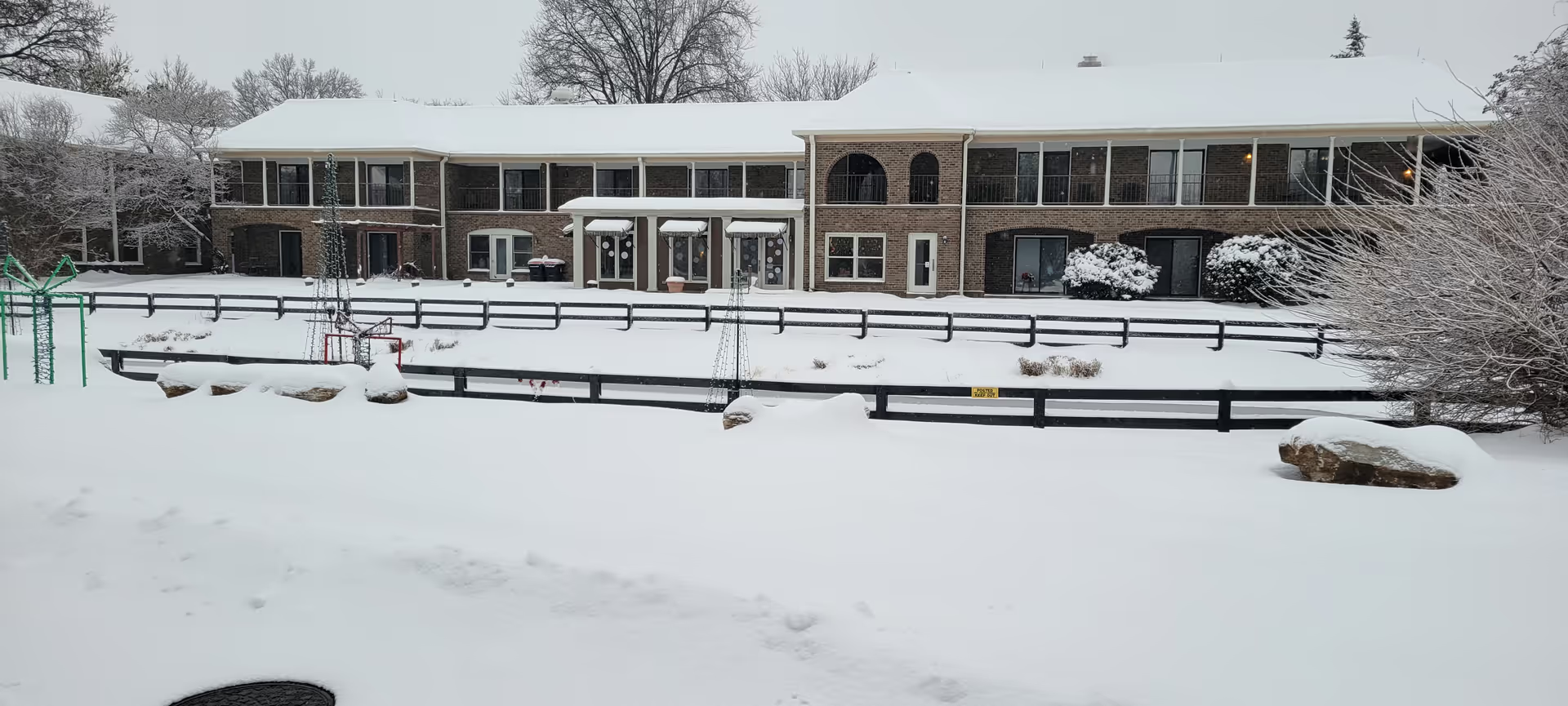
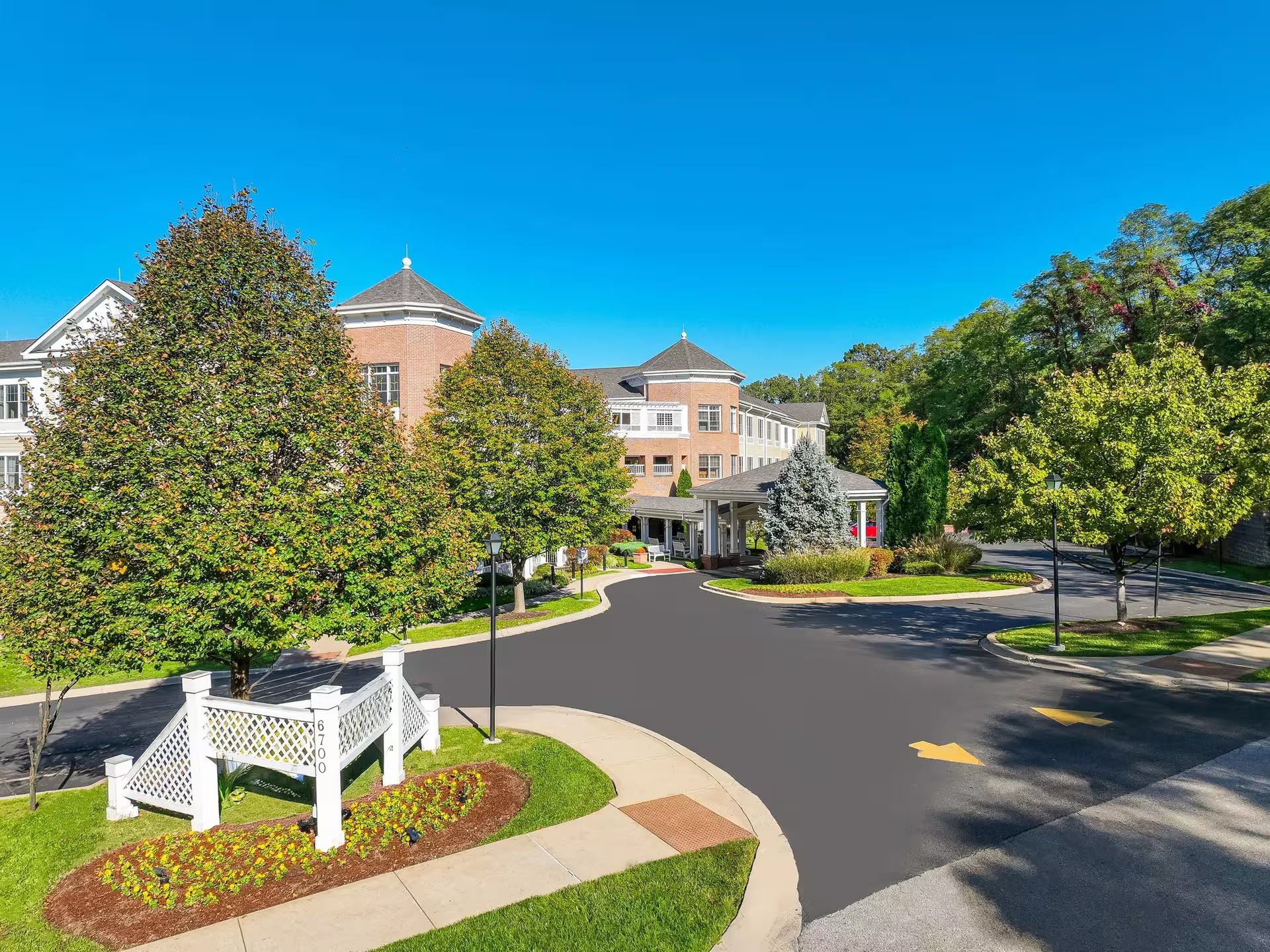
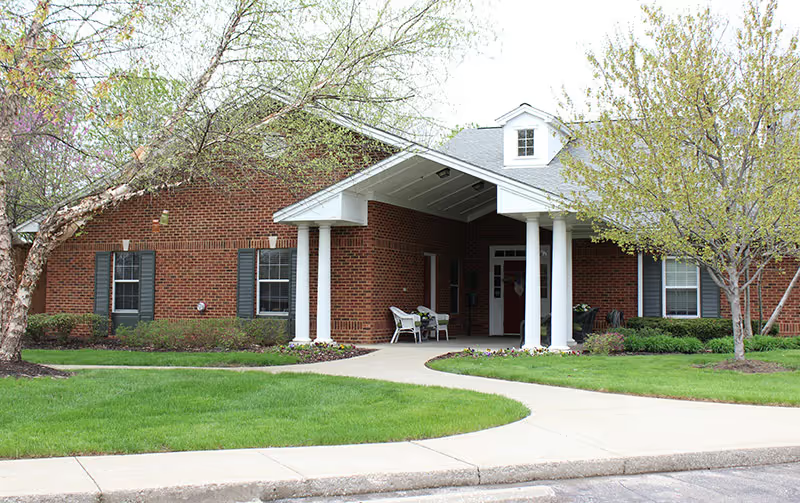
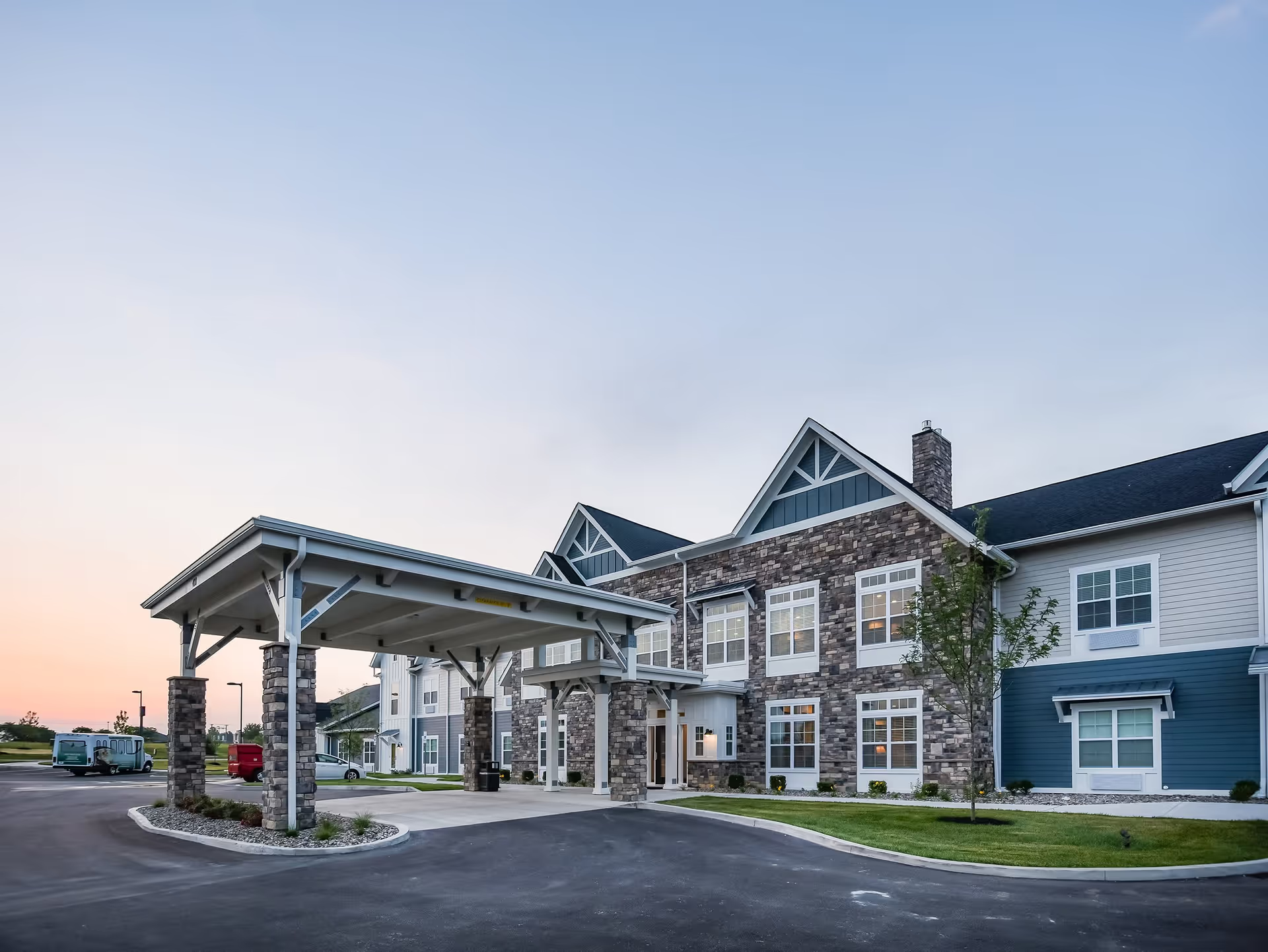
Facilities and environment: Multiple reviewers note maintenance and environmental issues—temperature-control problems, HVAC dust or mold concerns, odors in common areas, and specific sanitation lapses in food- and beverage- service areas. There are also mentions of pest-control concerns and problems with laundry, lost personal items, and room upkeep. Shared rooms and obstructed views raise privacy concerns for some residents. These facility issues affect resident comfort and raise infection-control and safety considerations.
Management and administration: Administrative experiences are inconsistent. Positive accounts describe helpful admissions, effective social-work support, and business-office responsiveness. Negative accounts include billing disputes, miscommunication about insurance and transports, and inadequate follow-through on maintenance or staffing complaints. The combination of strong individual staff performance and uneven organizational processes suggests that effective leadership interventions could reduce variability in care and operations.
Notable patterns and considerations for families: If rehabilitation and individualized therapy are priority needs, the facility’s therapy programs and some clinicians are a clear strength. For families placing residents with higher assistance needs or complex clinical risk, the reviews indicate attention to staffing levels, medication administration controls, sanitation protocols, and management responsiveness should be part of the decision process. Prospective families may want to ask about current staffing ratios, infection-control policies, medication-administration safeguards, recent maintenance or pest-control work, and how the facility escalates and documents family concerns to gauge whether the operational weaknesses described have been addressed.