Riverbend elicits strongly mixed but consistent themes. Many families and residents praise the caregiving staff as compassionate, attentive, and experienced; reviewers frequently highlight helpful move-in support, thoughtful communication with families, and staff who go beyond basic duties. The community offers a broad activities program, regular celebrations, transportation and outings, laundry and housekeeping services, and on-site clinical access including regular provider visits. Dining is often described positively — restaurant-style service, multiple meal choices, and caring dining staff — and several accounts note good value for cost and effective hospice or end-of-life support in familiar surroundings.
At the same time, a number of operational weaknesses recur across reviews. Activity schedules and calendars are described as unreliable in some cases, with cancellations and last-minute changes that affect resident engagement. Outdoor access policies and courtyard availability are also a common concern; reviewers describe the courtyard being locked or access restricted at times. Medication practices are another frequent theme: timing and administration of medications (for example, night-time dosing and earlier bedtimes) raised questions for families about consistency and oversight. Staffing variability and workload pressure appear to affect service delivery in certain shifts or units, contributing to delays, perceived minimal staff–resident interaction, and staff who seem stretched thin.
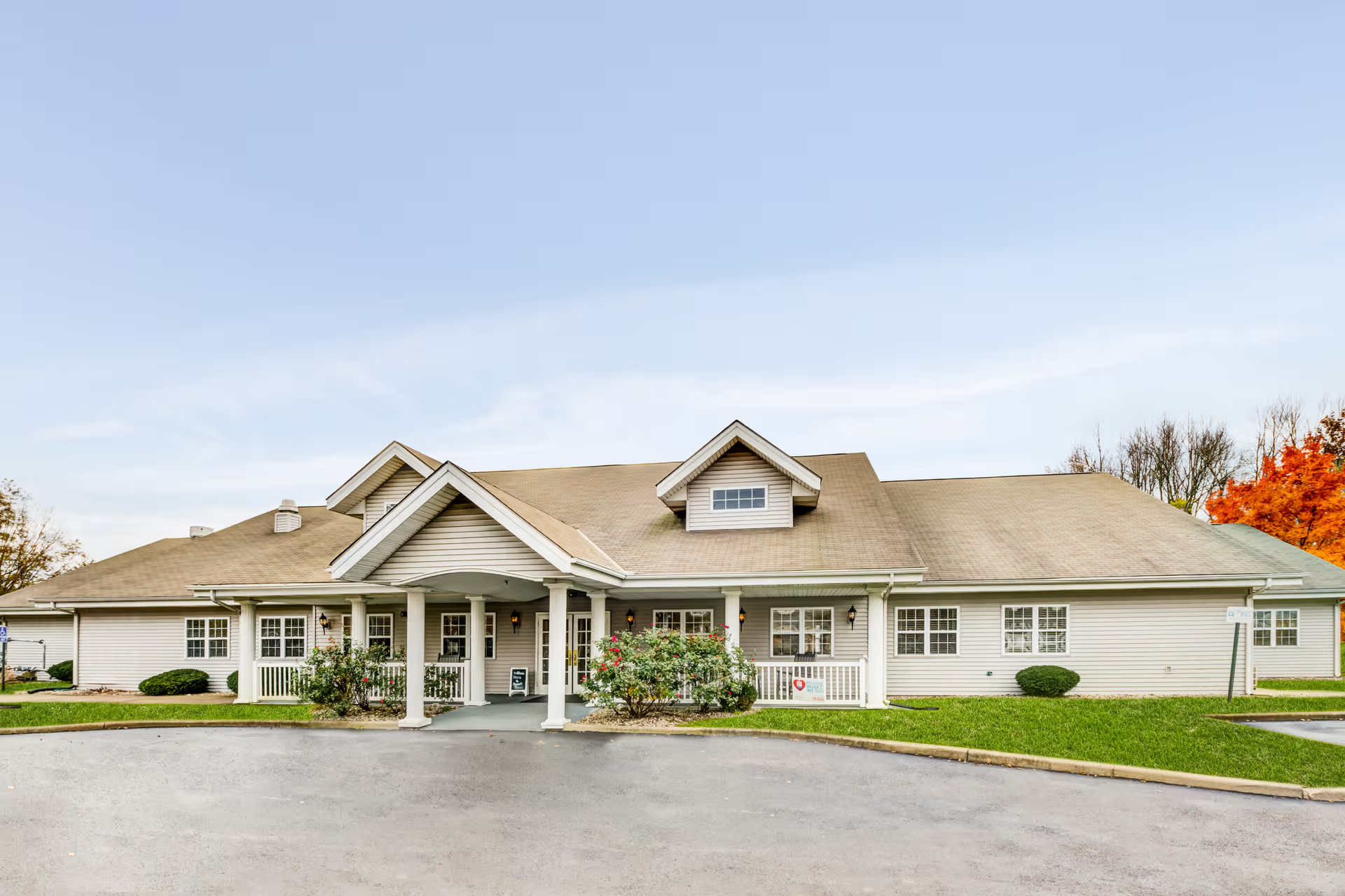
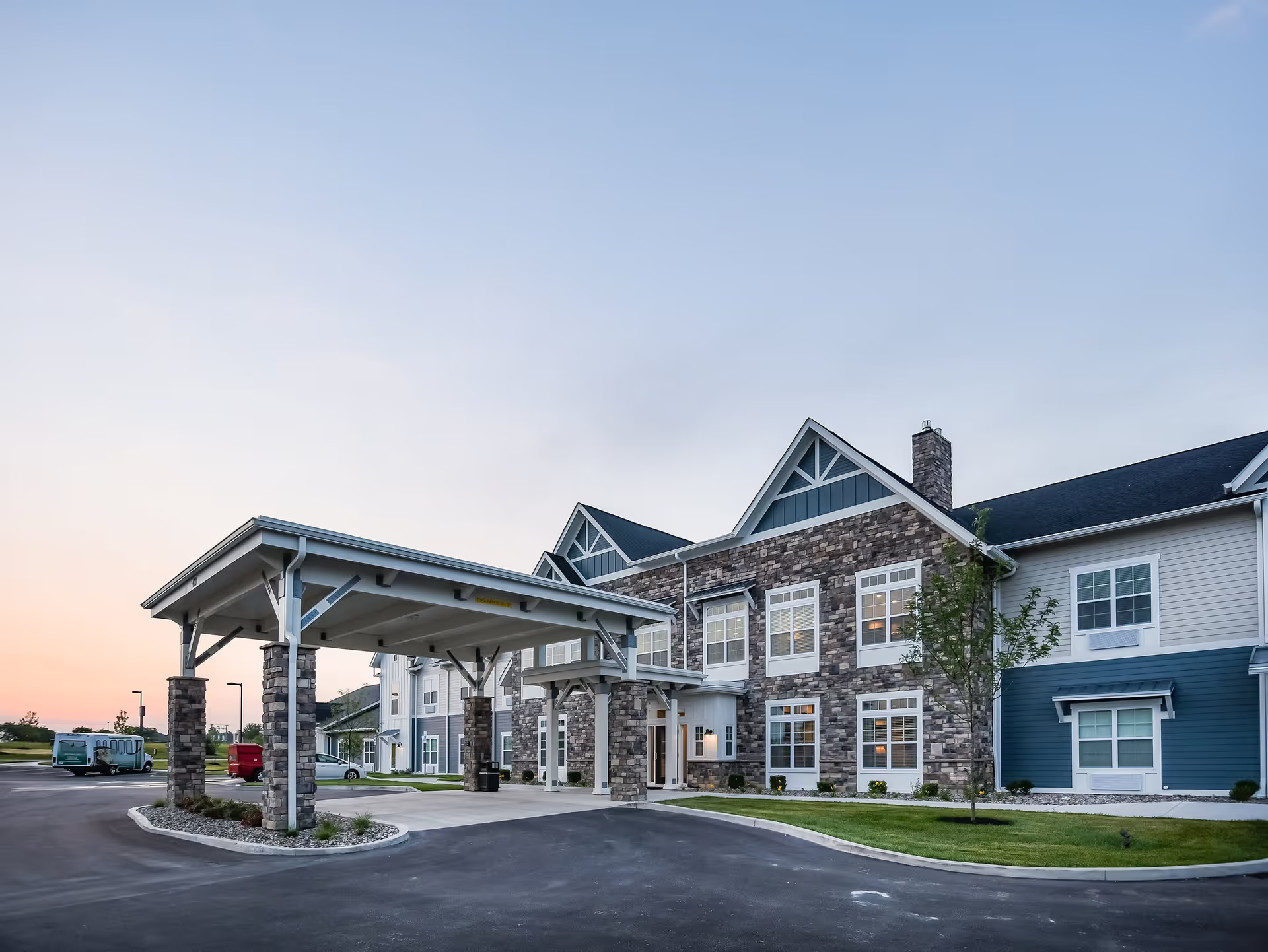
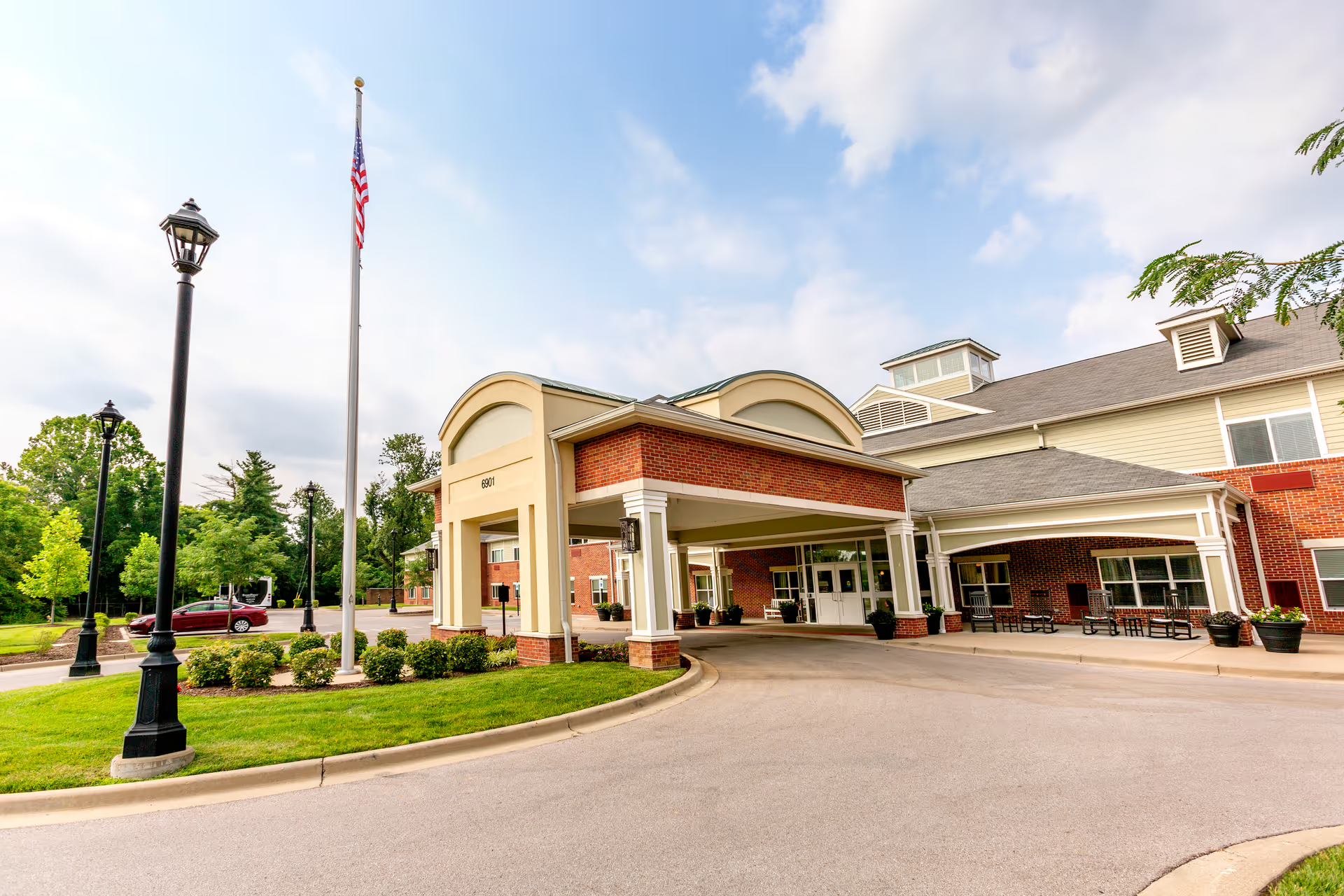
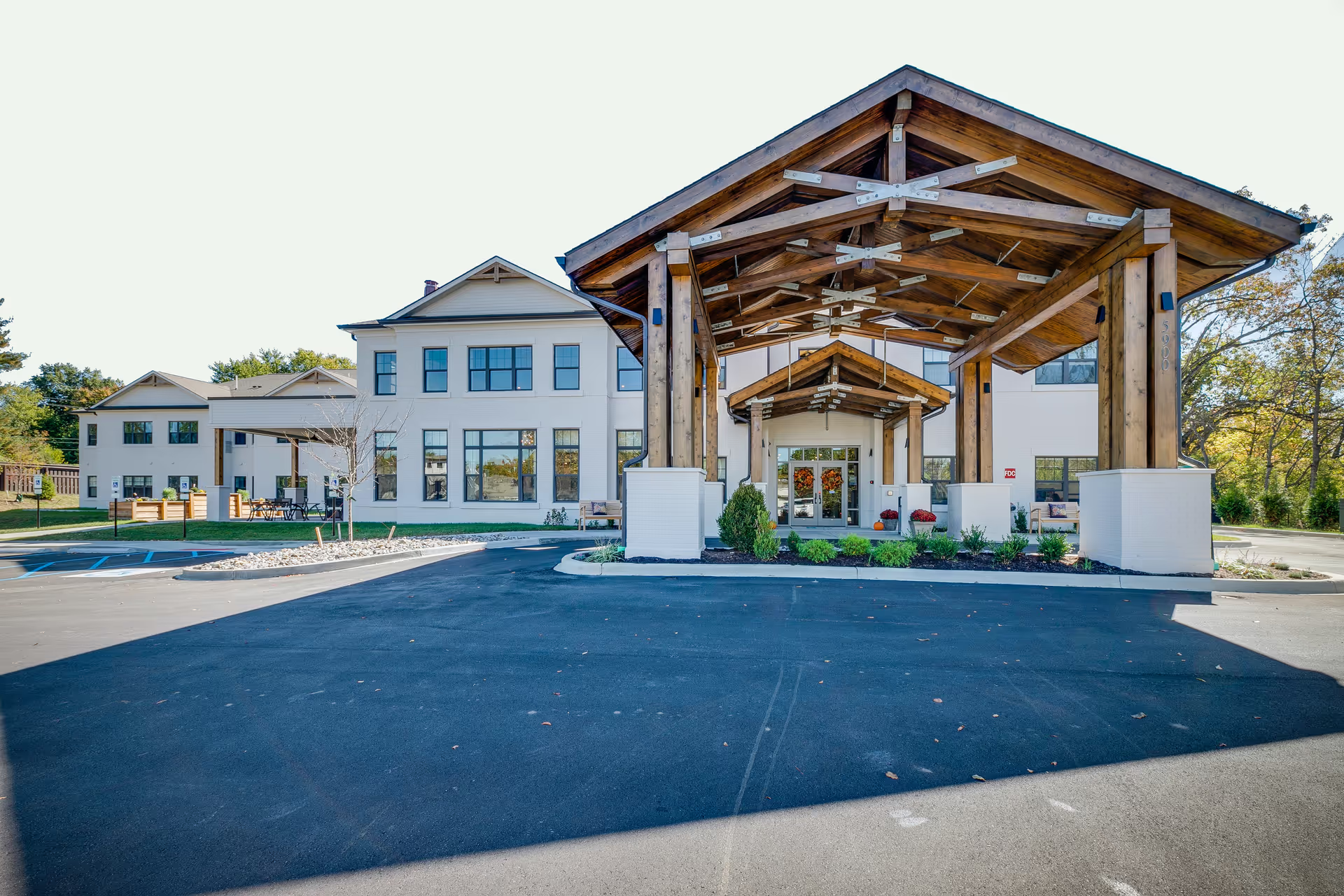
Facility condition and housekeeping are generally described as clean and well-maintained in many reports, but there are also accounts of uneven sanitation and cosmetic needs (carpeting, paint, some dated areas). Memory-care accommodations receive mixed comments: several reviews praise structured programming and staff engagement, while others describe small or cramped rooms and activity offerings that may not meet the needs of residents with more advanced cognitive impairment. Dining receives overall positive mentions but also notes inconsistent dietary accommodations and concerns about diabetic meal planning in some instances.
Management and administrative practices show a divided pattern. Some families commend specific directors and coordinators for responsiveness, while others describe defensive or unresponsive leadership, billing errors, mail or sign-in process problems, and communication breakdowns following clinical incidents. A few reviewers raised serious safety and clinical concerns — including transfers to psychiatric care and issues identified around a resident's decline — which underscore the importance of reviewing incident-response protocols and family-notification practices.
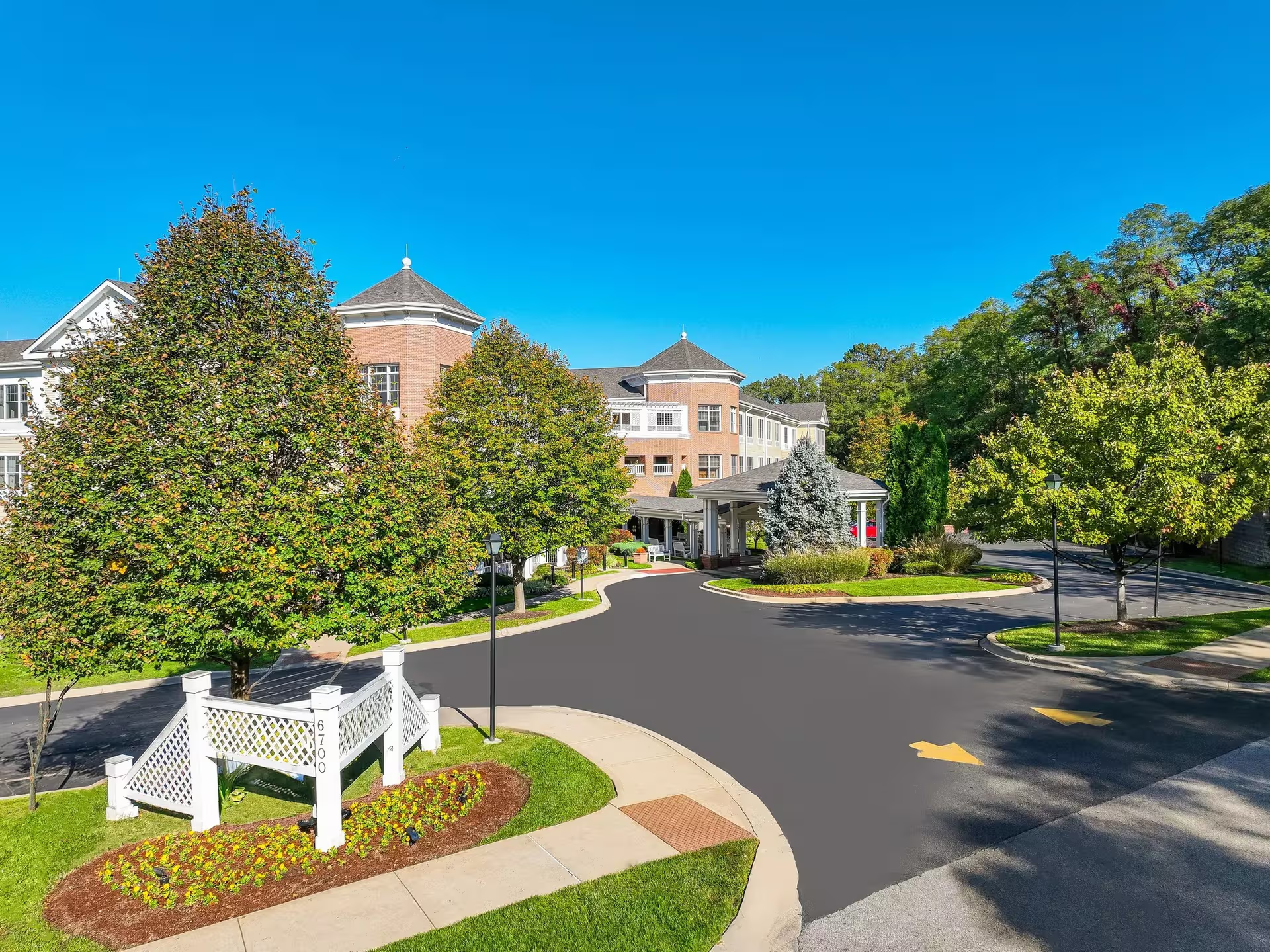
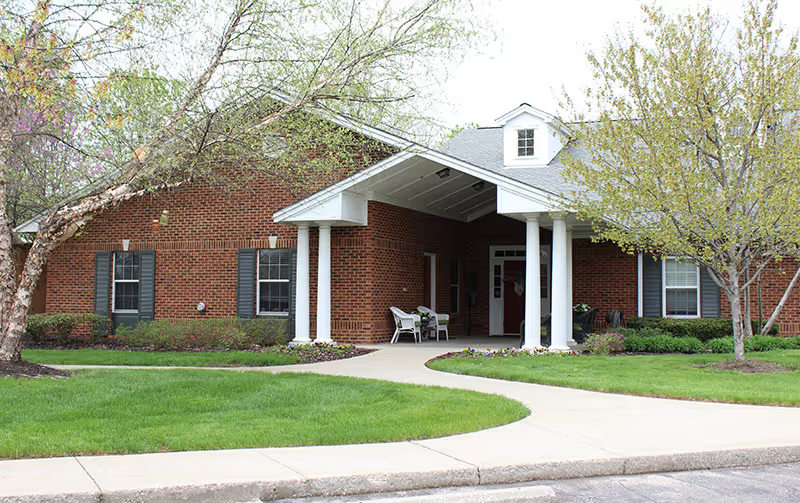
Overall, Riverbend appears to provide warm caregiving, active programming, and generally positive dining and community features for many residents. However, variability by unit and shift is a clear pattern: activity consistency, medication management, staffing levels, housekeeping thoroughness, and administrative responsiveness are areas where prospective families should seek specific, current information. Recommended follow-up when evaluating the community includes asking for details on activity schedules and cancellation policies, medication administration and oversight, outdoor/courtyard access rules, staffing ratios by shift, housekeeping schedules, dietary accommodations for medical conditions, and protocols for incident reporting and family notification.