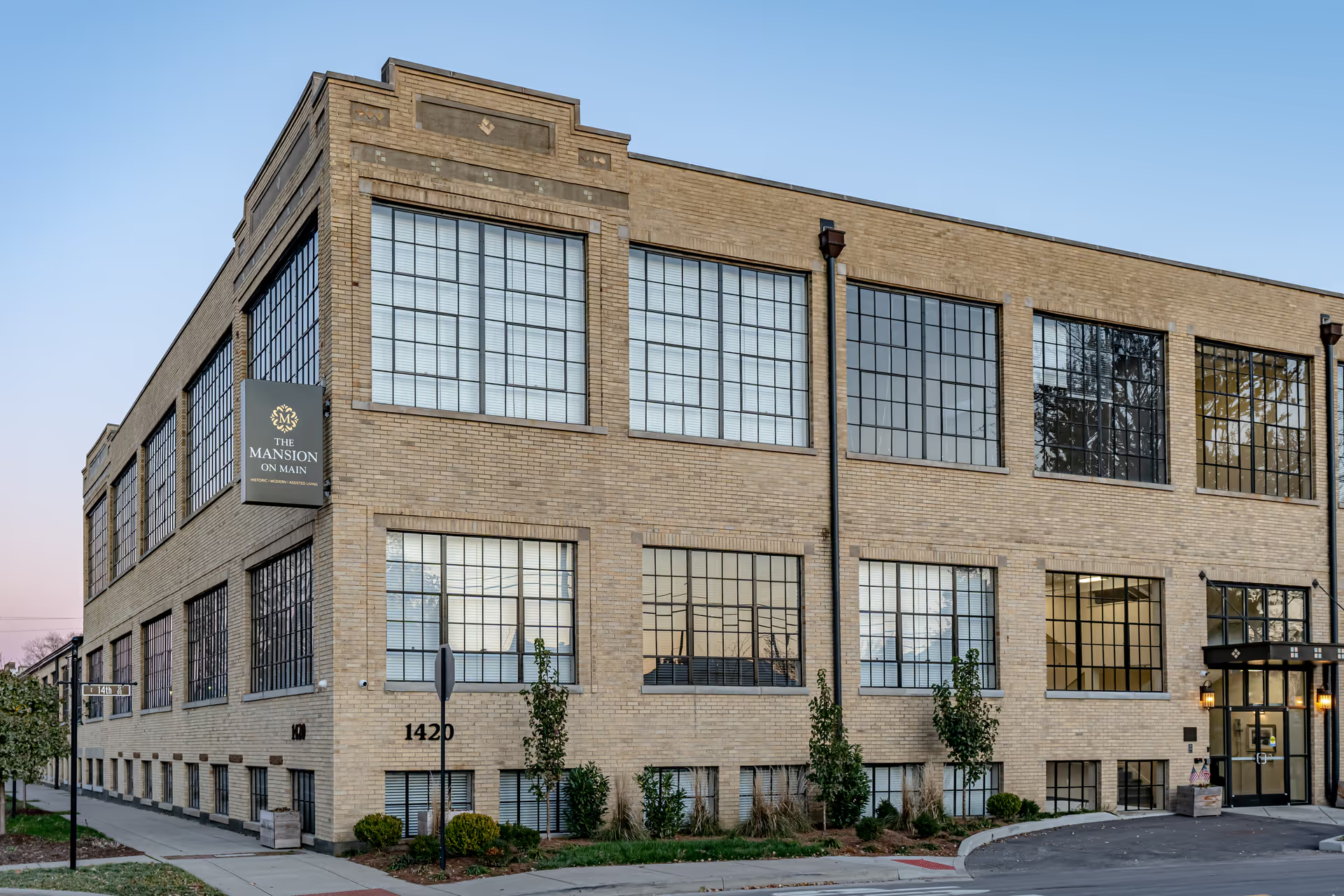
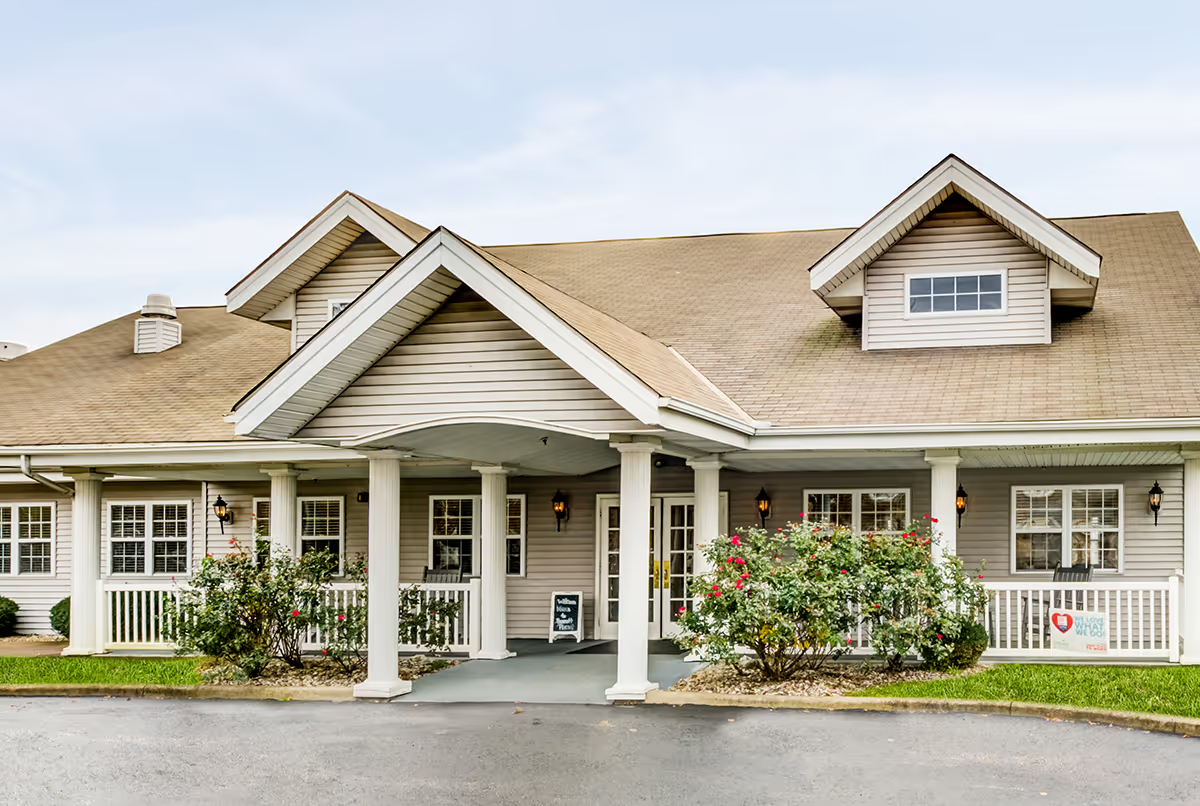
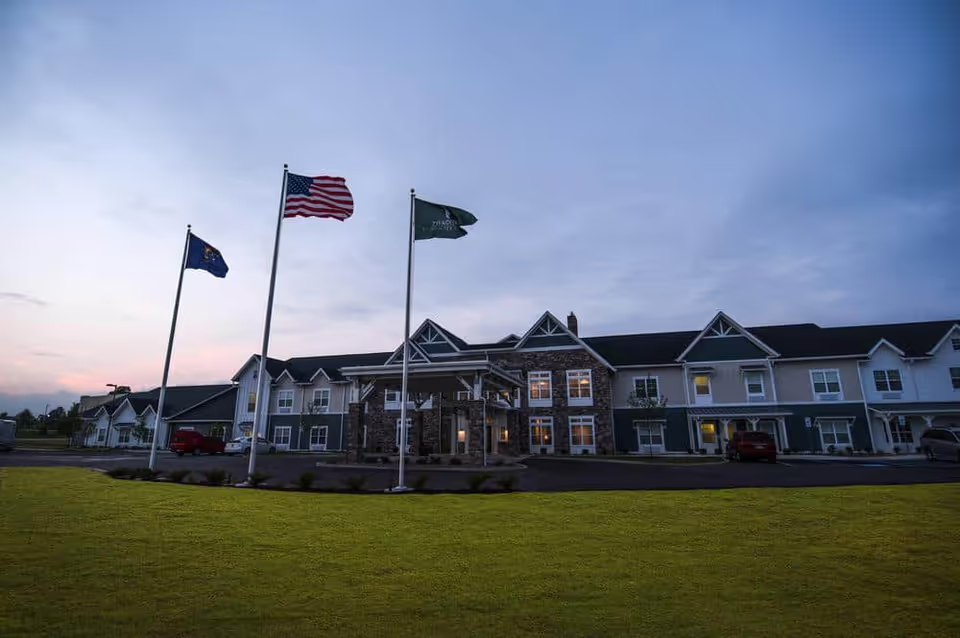
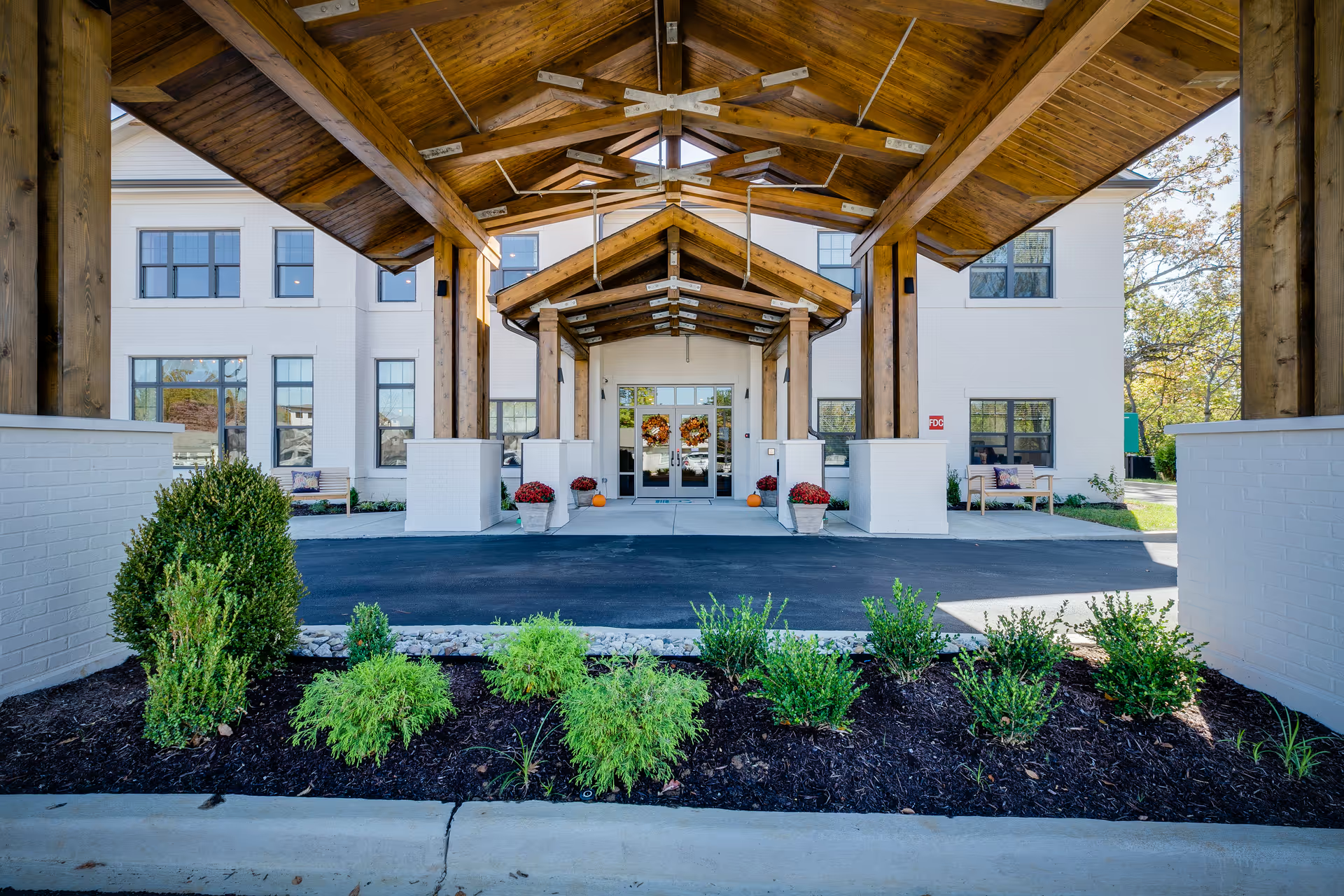
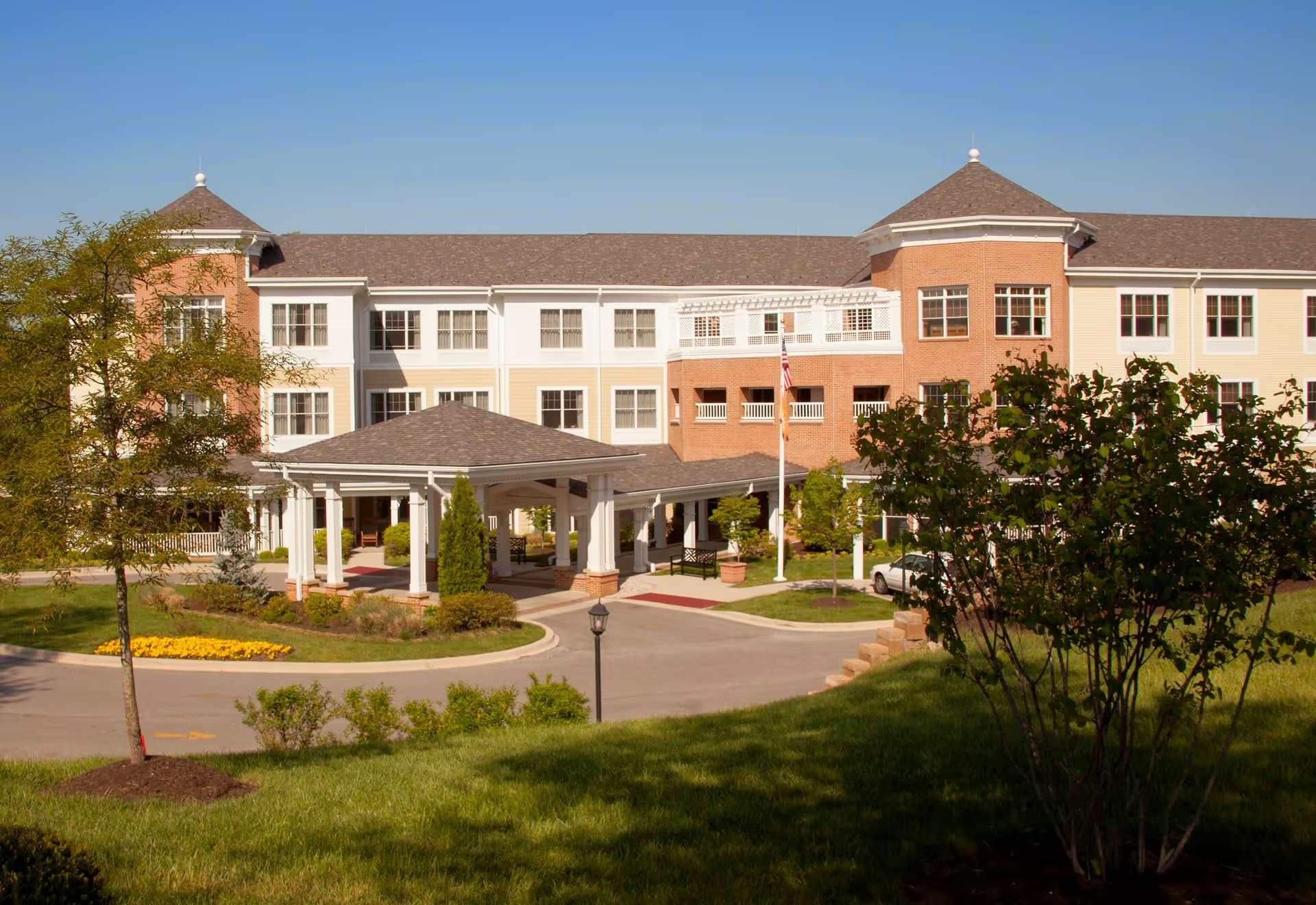
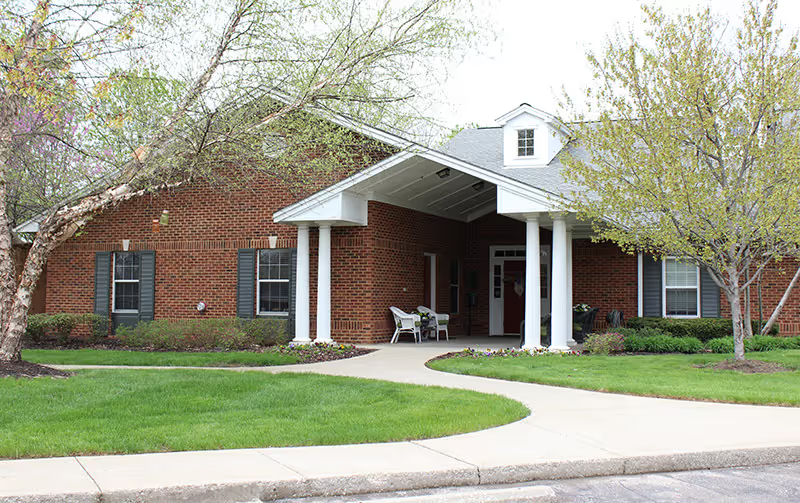
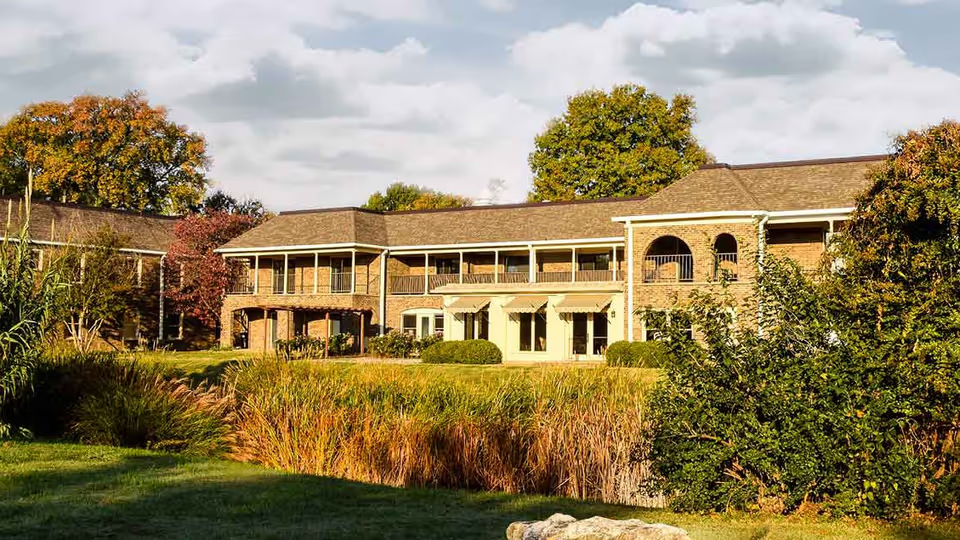
Vivera Senior Living of Jeffersonville is described as a new, attractive community with many built-environment strengths: a modern building, tasteful furnishings, accessible layouts, outdoor courtyards with raised gardening, and a visible dining presence. Reviewers consistently praise cleanliness, the appearance of common areas, and amenities such as an on-site transportation van, active activity schedules, and well-equipped apartment kitchenettes. Many accounts emphasize a warm, family-like community culture in which residents feel included and staff offer courteous service.
Care quality feedback is mixed. Positive notes include attentive, professional caregivers and responsive staff during routine interactions. However, a recurring operational concern is the facility’s handling of higher-acuity and memory-care needs. Several descriptions indicate that admissions and level-of-care decisions can be inconsistent or policy-driven, with examples of provisional acceptance followed by denial when clinical needs are assessed as higher than anticipated. Related workforce issues — notably understaffing and overworked direct-care staff — were raised and correlate with concerns about the facility’s ability to manage residents with elevated fall risk or more complex clinical requirements.
Staff performance and communication also present a mixed picture. Many reviewers highlight friendly, engaged, and professional employees and note strong team dynamics and a positive workplace culture. At the same time, other accounts describe disorganized tours, unprepared or unresponsive front-line staff during admissions inquiries, and variability in staff conduct. One review includes an allegation of manager misconduct; that claim suggests a need for independent follow-up to assess management practices and transparency. Communication lapses with families and prospective residents — especially around admissions criteria and care-level expectations — are a consistent theme.
Dining and activities generally receive favorable comments: meals are described as acceptable to good, dining spaces are open and well-situated, and the activity program and outdoor amenities are seen as strengths that support independence and social engagement. Apartment quality impressions vary: several reviewers praise spacious studios with large bathrooms and ample closet space, while others note smaller unit sizes. Overall sanitation and housekeeping are described positively.
Management and operations show unevenness between presentation and clinical readiness. Reviewers indicate a strong focus on aesthetics and marketing, but highlight operational gaps when clinical needs exceed routine assisted-living support. Specifically, there are patterns of unclear admissions communication, variability in staff levels across shifts, and practical deficiencies in fall-risk and emergency-response procedures.
Recommendations for prospective residents and families: confirm in writing the facility’s written admissions and level-of-care criteria; request a clinical nursing assessment that specifies whether the facility can meet anticipated needs over time; ask for typical staff-to-resident ratios by shift and for examples of how higher-acuity needs are handled; observe a full meal period and an activities program during a visit; and seek clarification about any complaints or investigations if management conduct is a concern. For families with memory-care or higher-acuity needs, consider validating clinical capability and staffing stability before committing to placement.