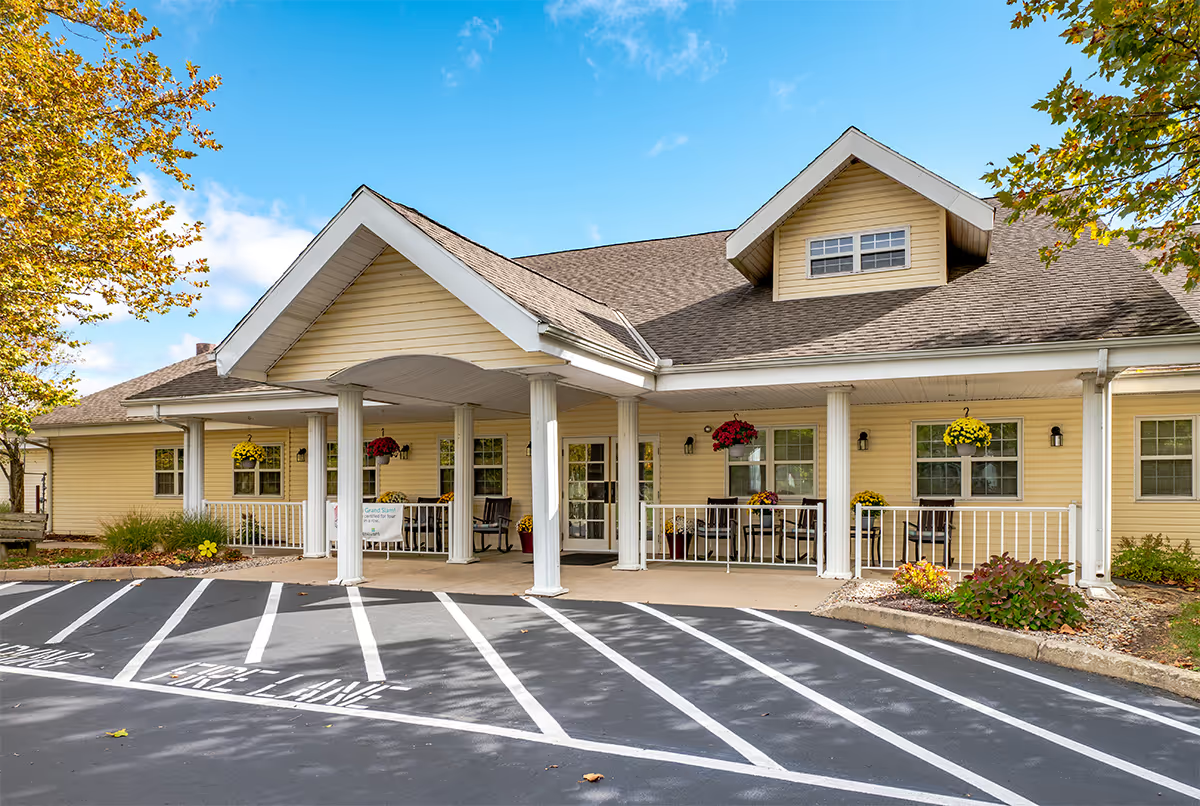
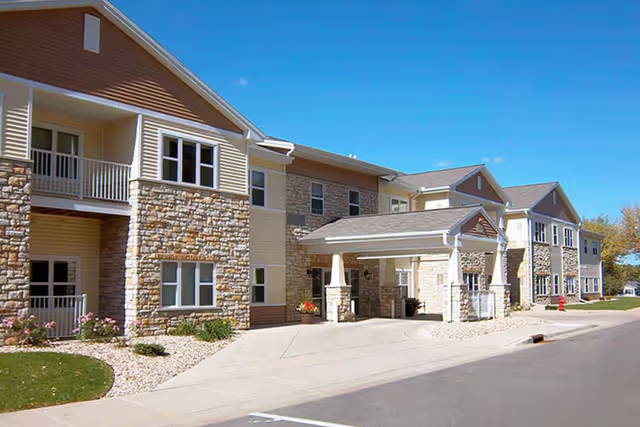
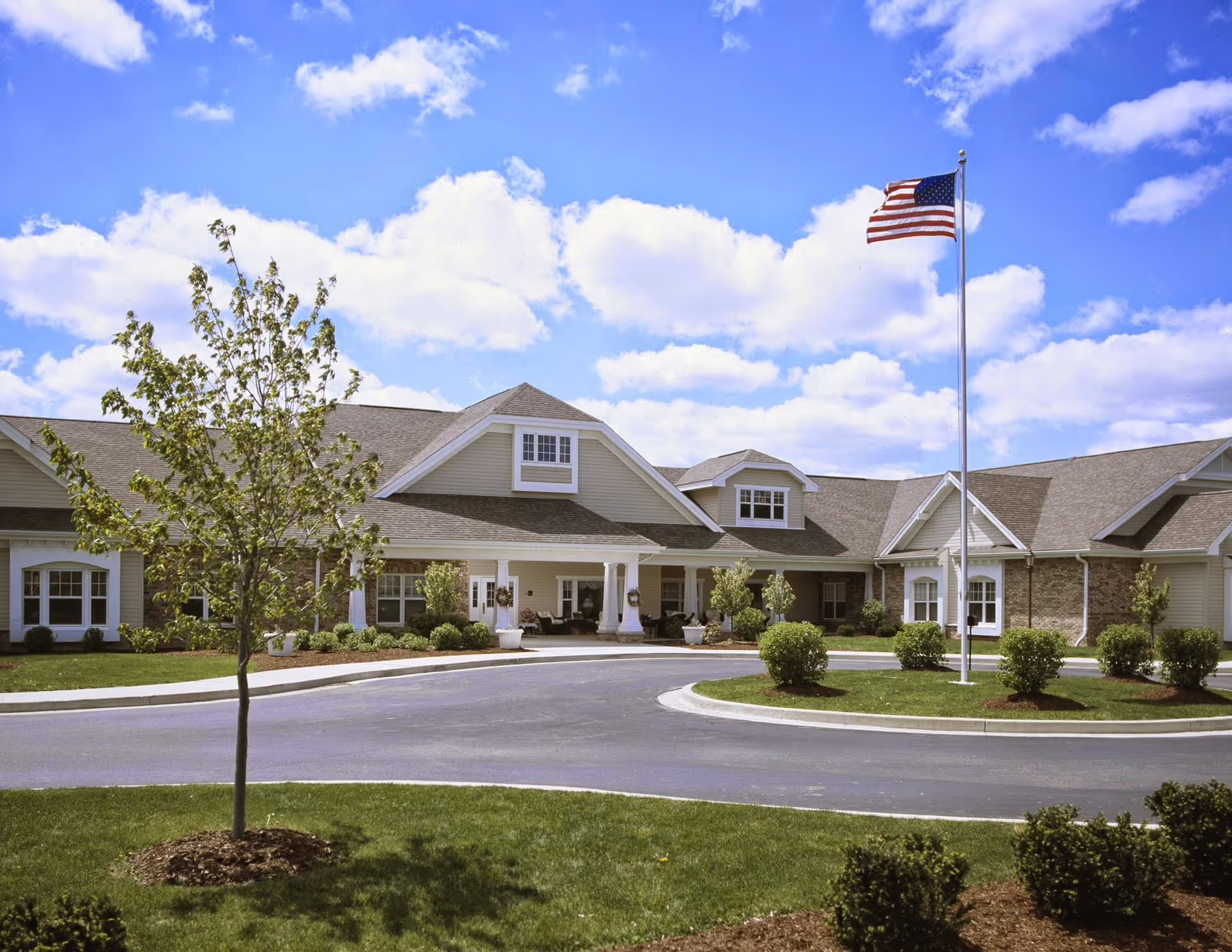
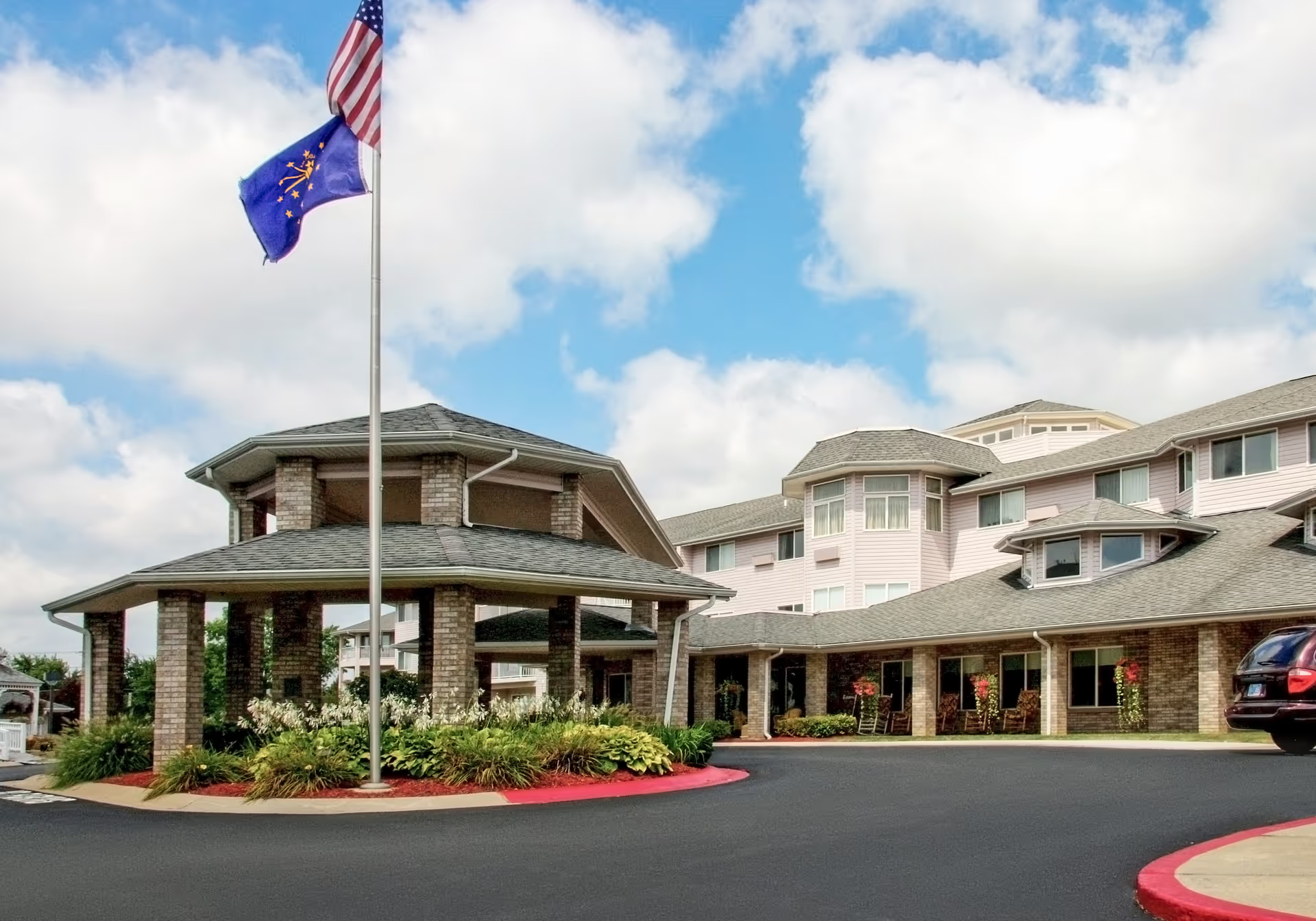
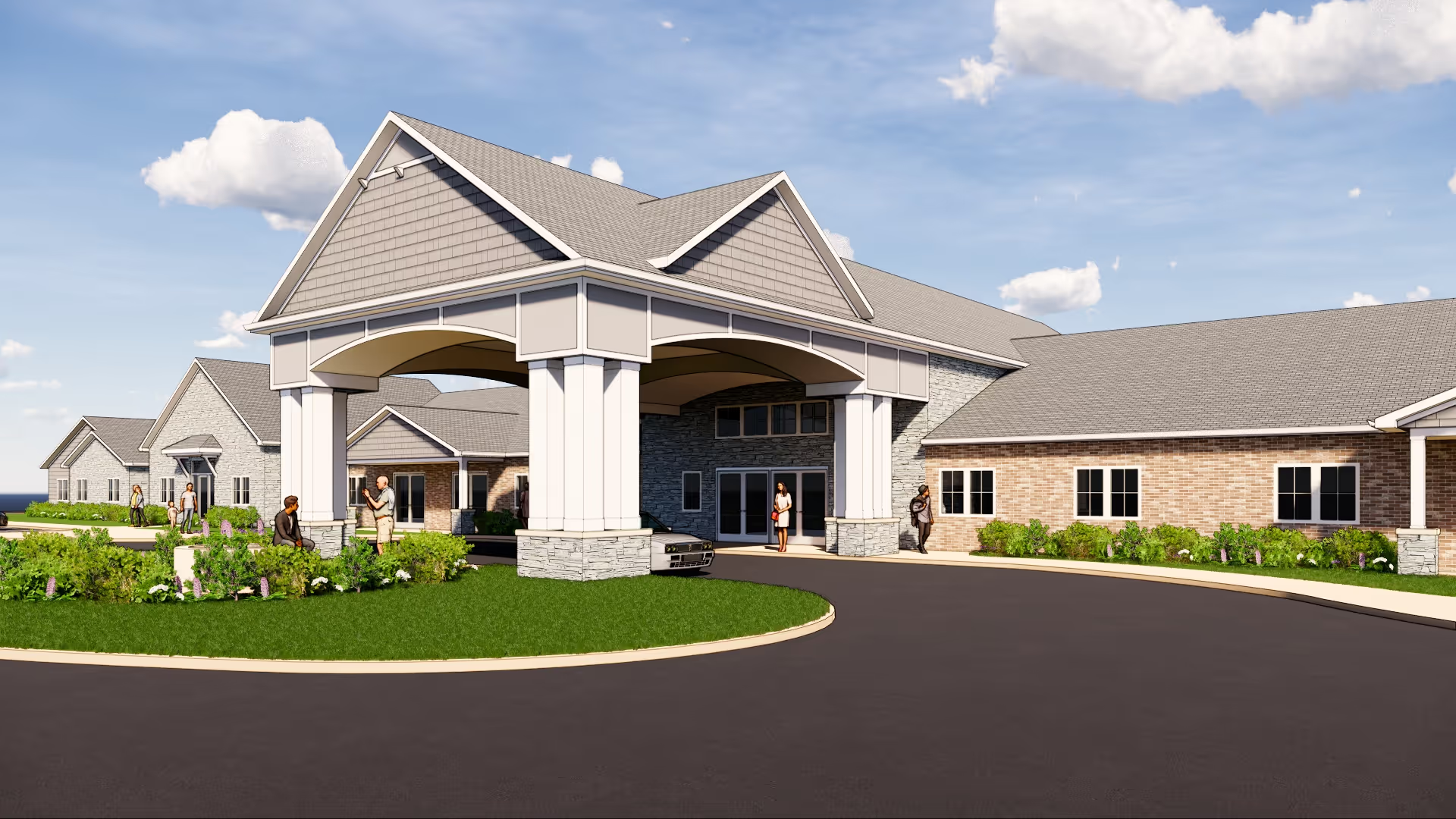
Overall impression: Lutheran Life Villages – The Village at Kendallville appears to provide several strengths that families and residents value, particularly around person-centered care, dementia services, and facility presentation. Review content highlights compassionate and professional staff, a dedicated Alzheimer’s unit, well-furnished rooms, an attractive dining room, and positive external recognition. At the same time, comments indicate variability in day-to-day operational performance that prospective residents and families should evaluate during a visit.
Care quality and clinical services: The facility is noted for delivering strong end-of-life care and for having an established memory-care unit for residents with Alzheimer’s disease. Clinical and therapeutic services are perceived as professional and effective in many accounts, and some families describe experiences that exceeded expectations. That said, there are indications of inconsistent care experience across different units or shifts; this suggests the need to confirm current staffing levels, clinical oversight, and protocols for transitions and symptom management during tours.
Staff and day-to-day responsiveness: Many reviews praise caregiving staff as caring, supportive, and professional, and at least one comment suggests the campus can be a positive place to work. Conversely, there are critiques indicating occasional unkind interactions and instances where nursing-assistant duties were not fully completed. The pattern suggests variability in staff conduct and responsiveness rather than a uniformly consistent culture; prospective families may want to observe staff–resident interactions, ask about training and supervision, and request information on staff turnover and CNA-to-resident ratios.
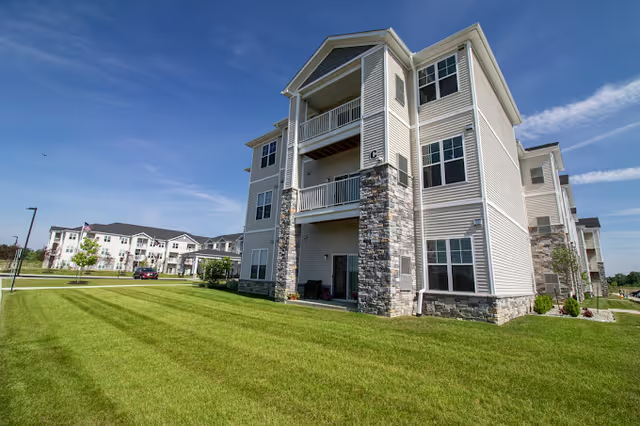
Facilities, dining, and activities: Physical aspects of the community receive favorable notes—residents have access to pleasant, well-maintained rooms and a nice dining area. The campus is described as visitor-friendly and welcoming for family visits. Specifics about activity programming are less detailed in the summaries provided, so visitors should inquire about daily schedules, social and therapeutic activities, and dementia-specific engagement offerings during a tour.
Management and communication: Some reviewers raised concerns about management responsiveness and communication with families. These comments point to potential gaps in complaint resolution, family updates, or administrative accessibility rather than a technical deficiency in clinical care. When assessing the community, ask managers how they handle family communications, care-plan meetings, incident follow-up, and escalation procedures.
Notable patterns and recommended questions: The dominant pattern is a contrast between strong clinical and environment features (memory care, end-of-life services, rooms, dining) and intermittent operational inconsistencies (staff conduct, CNA performance, management communication). Prospective residents and families should prioritize an in-person visit, observe mealtime and staff interactions, request current staffing ratios and turnover data, review dementia and end-of-life care protocols, and ask for examples of how the facility addresses service concerns. This approach will help determine whether the community’s strengths align with a particular resident’s needs and whether the facility’s operational consistency meets family expectations.