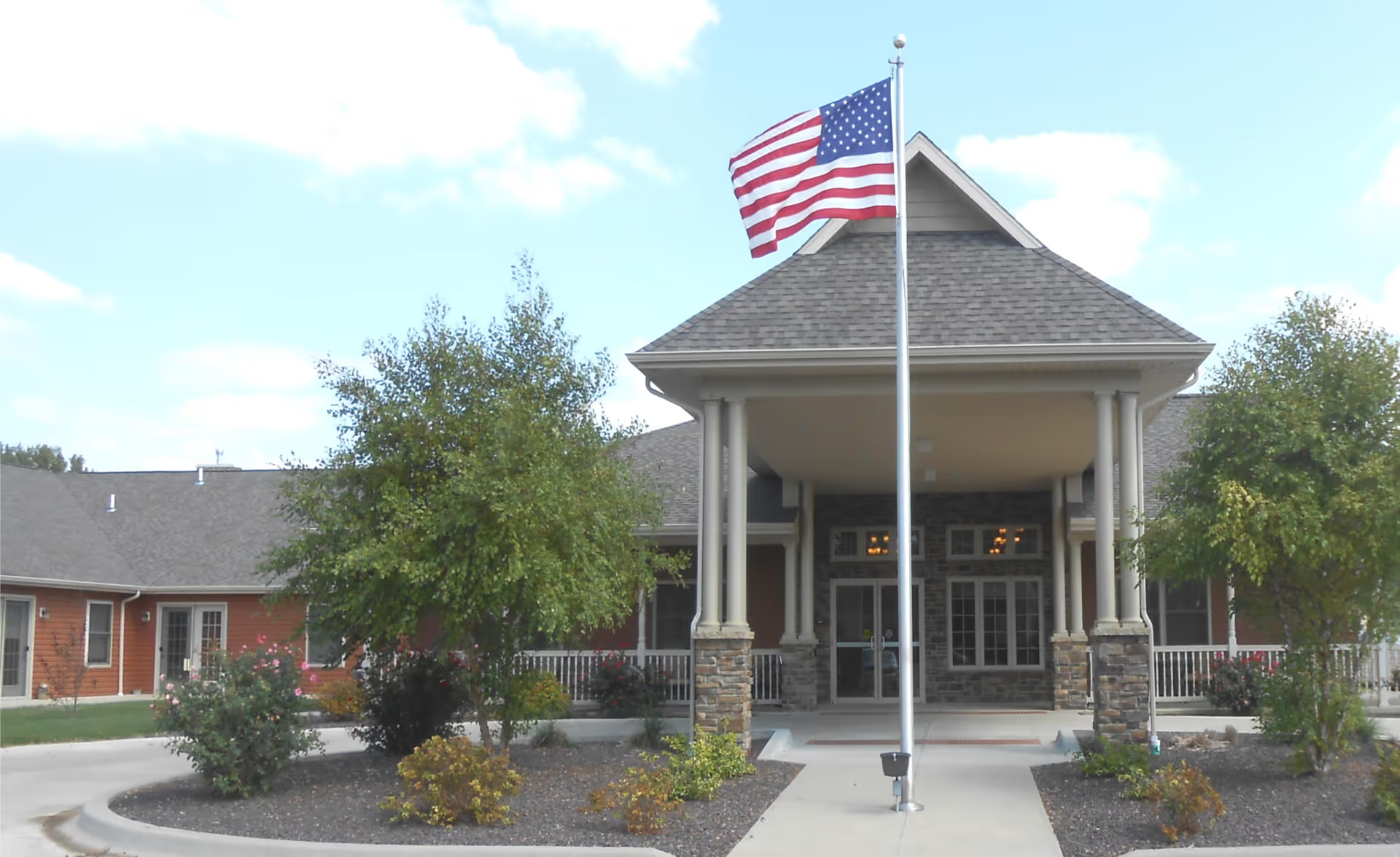
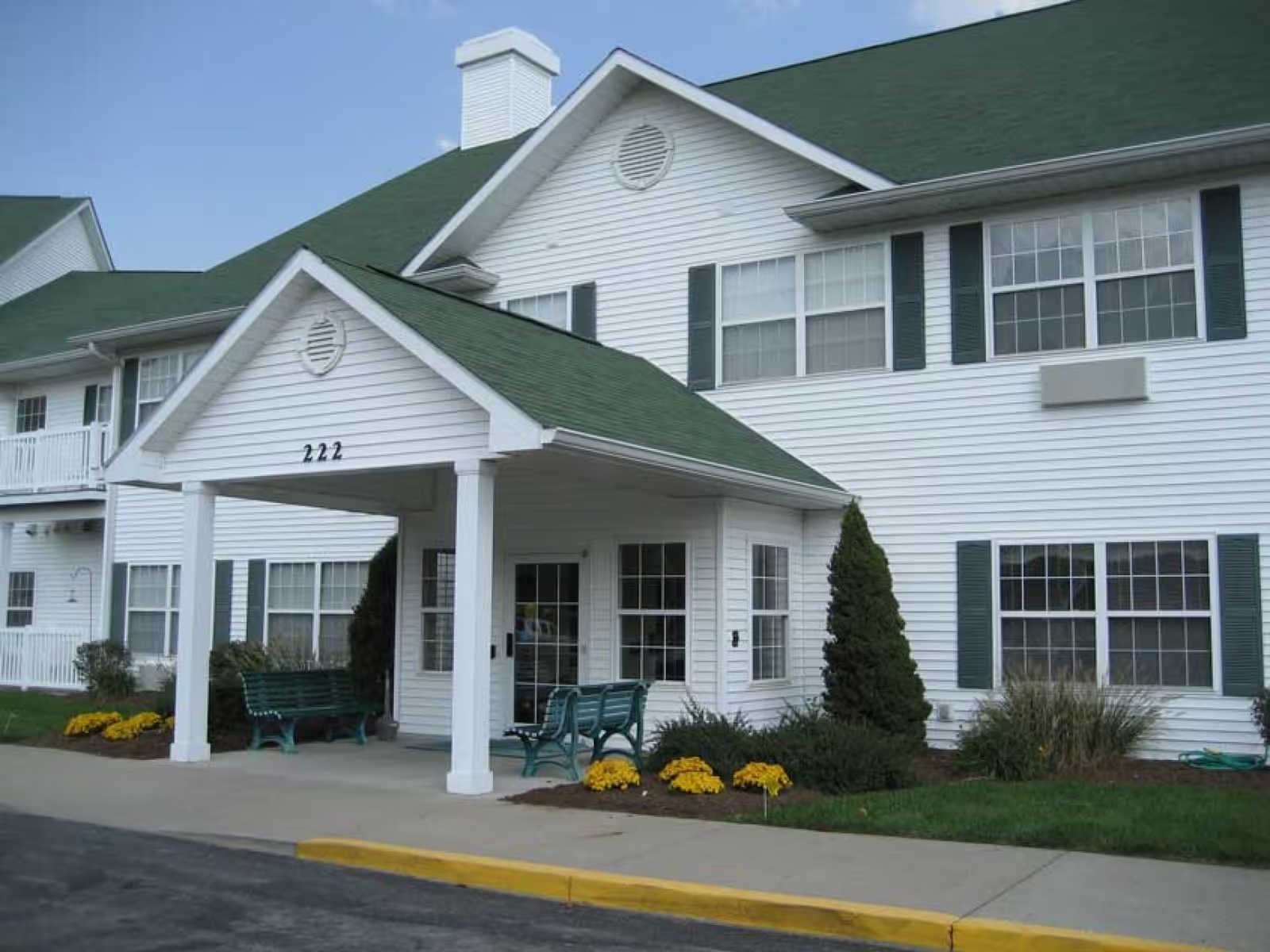
Overview: Reviews for Glenburn Home present a mixed picture. Many families praise the frontline clinical team and therapy department and highlight tangible strengths such as clean common areas, spacious rooms, an outdoor garden, and a supportive social environment. At the same time, there are persistent operational concerns that affect confidence in day-to-day care and administration. Prospective families should weigh the facility's rehabilitative strengths against reported inconsistencies in other aspects of care and operations.
Care quality and clinical practice: Clinical reports are polarized. Several accounts describe attentive nursing, effective medical attention, and rehabilitation that enabled discharge home after therapy. Conversely, other accounts describe lapses in basic care and coordination: delayed assistance with activities of daily living and mobility, inconsistent documentation and handoffs between staff, and concerns about medication-management processes. These contrasting reports suggest variability in clinical performance and highlight a need to verify current staffing, documentation practices, and medication-safety protocols during a tour.
Staff and interpersonal conduct: Many reviewers characterize staff as friendly, caring, and professional; social-services staff are frequently described as responsive. However, a number of accounts raise concerns about staff conduct and communication tone, including confrontational interactions with families and inconsistent enforcement of policies. There are also notes suggesting leadership and morale issues among supervisory staff. These patterns indicate meaningful variability in staff behavior and unit leadership that families should assess directly with administrators.
Dining, ADLs, and support services: Feedback on dining and ADL support is mixed. Some families report sufficient assistance and 24/7 availability, while others cite inadequate feeding support, missing personal-assistive-device management (hearing aids, dentures), and gaps in day-to-day care. Food quality and mealtime assistance were specifically mentioned as areas of dissatisfaction by some reviewers. Clarifying meal-service routines, dining assistance protocols, and how the facility supports residents with eating and personal devices is advisable.
Therapy, activities, and community: The therapy and rehabilitation department is a clear strength for many reviewers: skilled therapists, strong outcomes, and successful transitions home are noted. The facility’s social areas and outdoor garden receive positive remarks, and there appears to be an active community presence. Activity offerings and therapy capacity should be confirmed for individual needs, as some reviewers described inconsistent therapy intensity or outcomes.
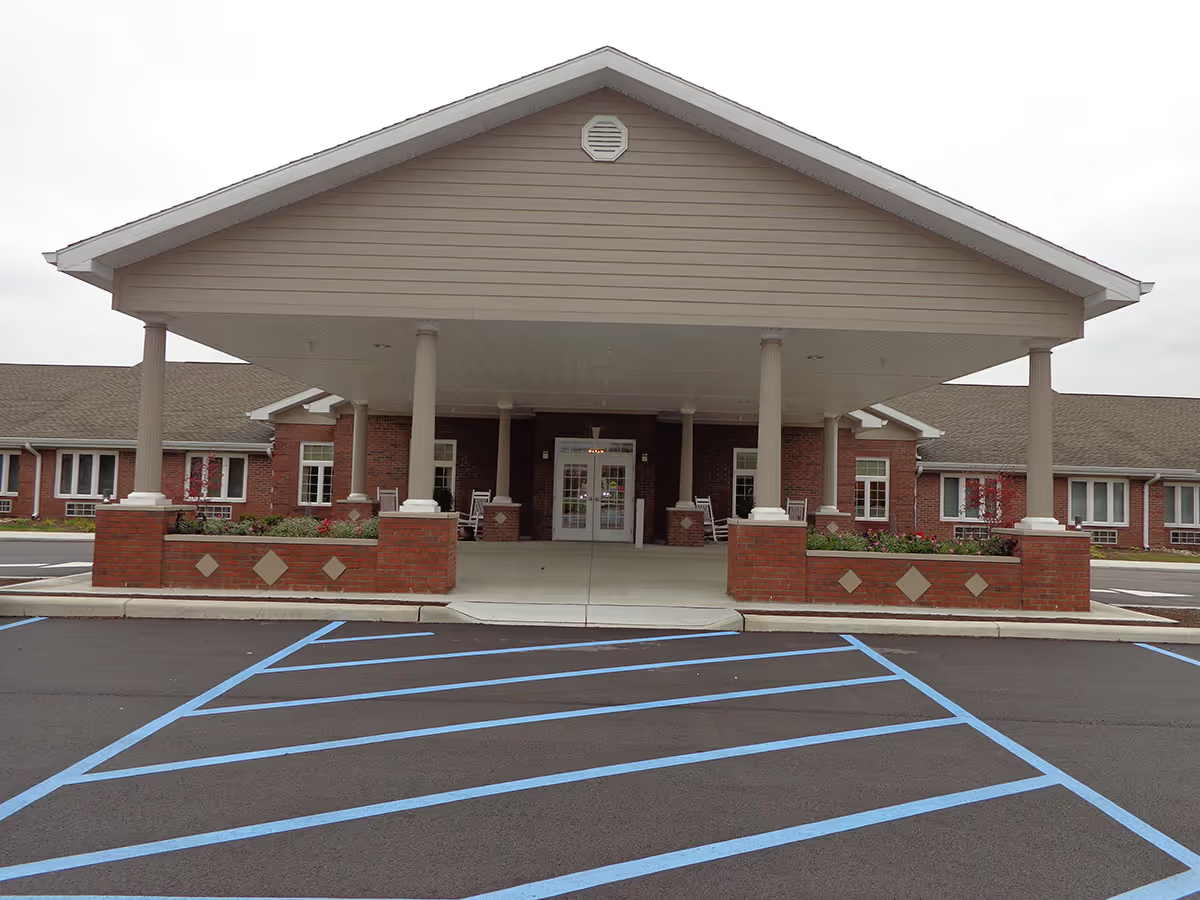
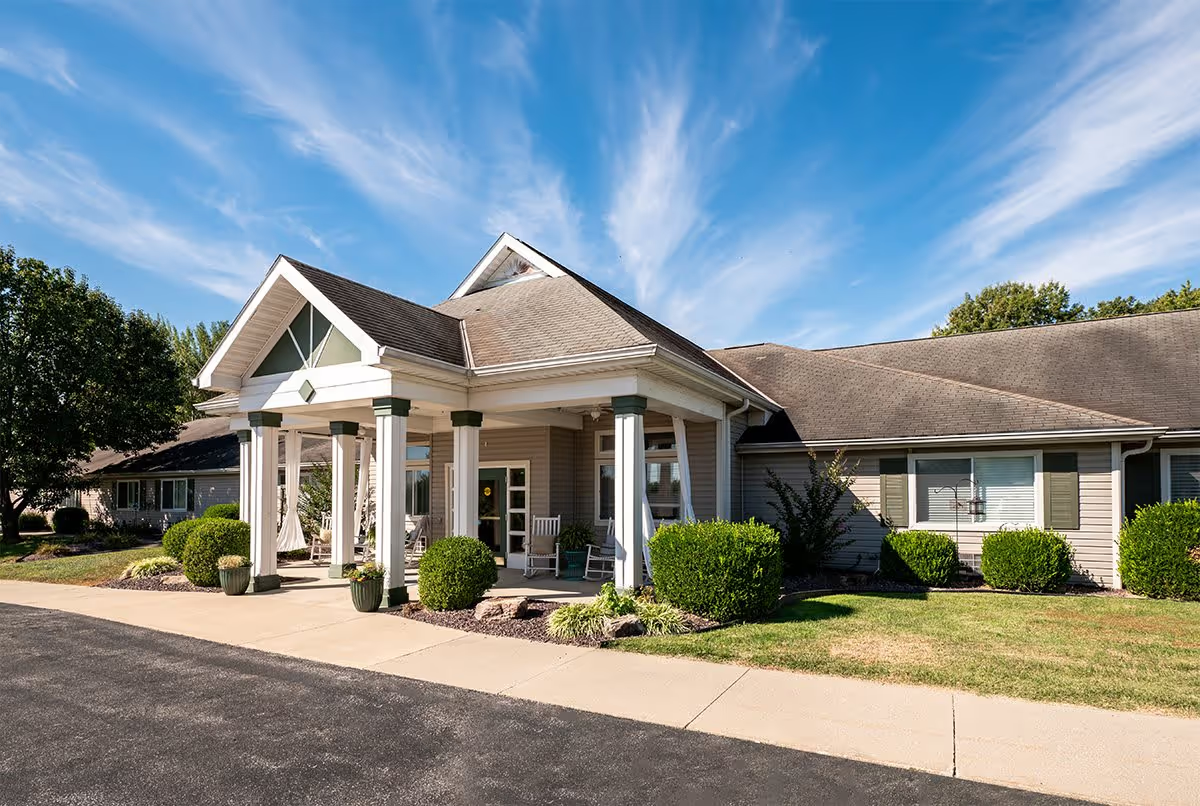
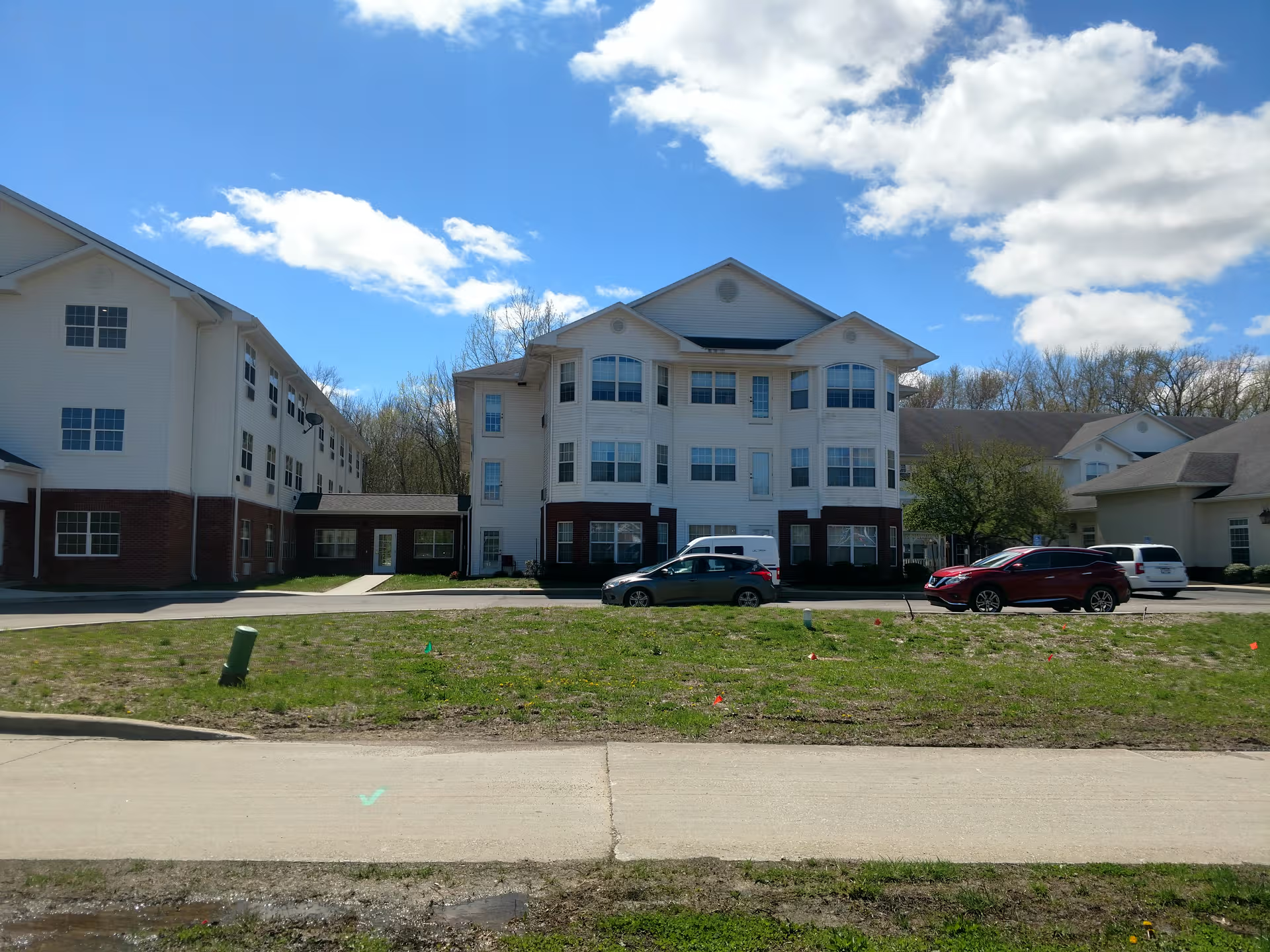
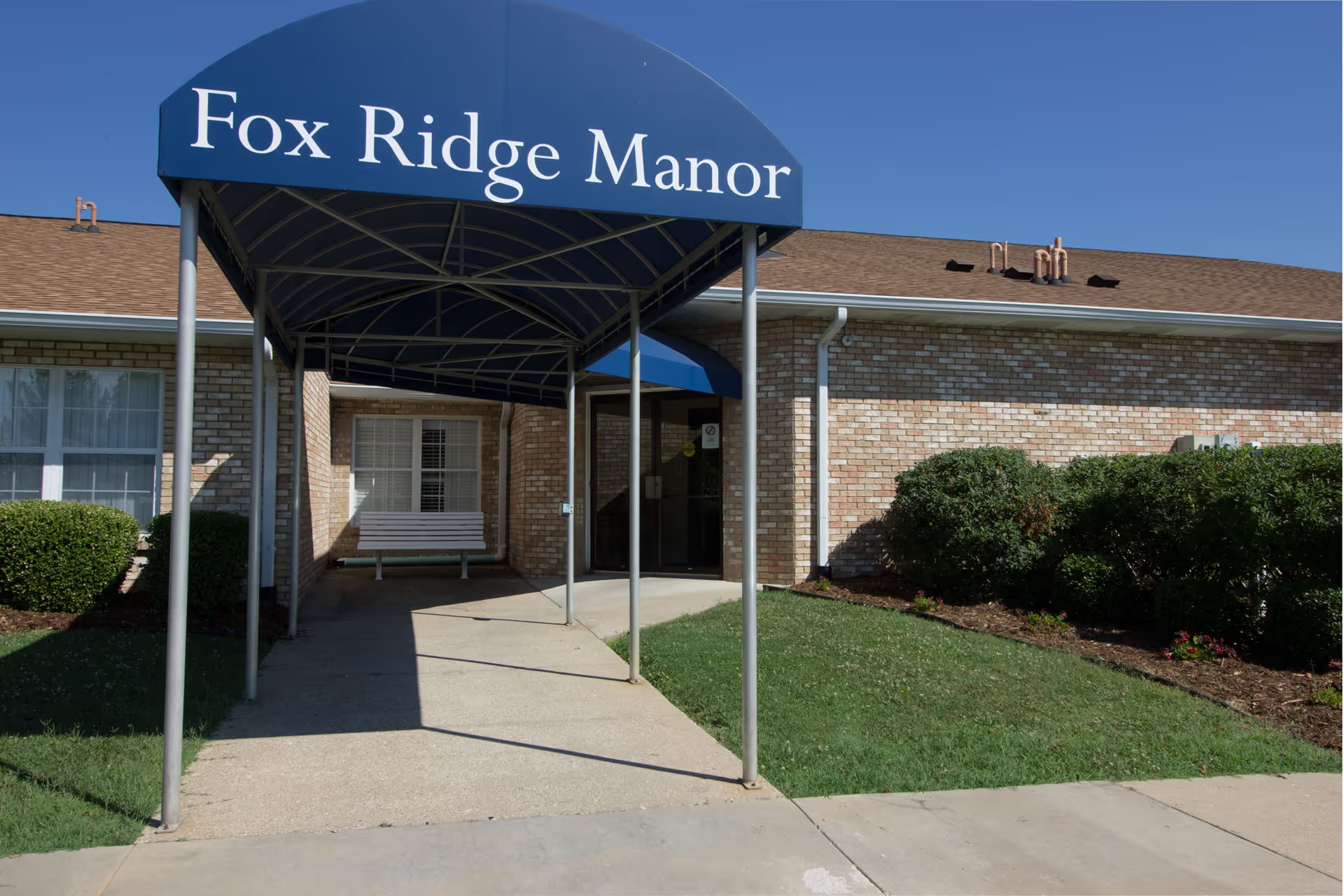
Facilities and environment: Physical impressions are mixed. Several reviewers praise cleanliness in hallways and restrooms and describe a well-kept garden and social spaces. Other reviewers describe the interior as dated, dark, or in need of renovation and note underinvestment in updates. These differing impressions suggest that some units or wings may be better maintained than others; a site visit to inspect resident rooms and common areas is recommended.
Management, policies, and communication: A recurring theme involves unclear or inconsistently enforced policies: visitation or nighttime rules, quarantine/infection-control communication, and billing around Medicare transitions. Families report unexpected costs and last-minute policy changes in some instances. Administrative follow-through and leadership consistency were also questioned. Given these operational risks, ask for written policy descriptions (visitation, infection-control, billing) and examples of recent family communications when evaluating the facility.
Notable patterns and recommendations: The reviews indicate strong capabilities in rehabilitation and caring frontline staff, but also meaningful inconsistencies in documentation, ADL support, medication coordination, facility upkeep, and administrative communication. There are isolated and serious individual allegations of confrontational conduct and distressing end-of-life experiences; those warrant direct follow-up. When considering Glenburn Home, prospective residents and families should: tour during mealtimes, request current staffing and therapy schedules, review medication-safety procedures and incident reporting, ask for written visitation and billing policies, and speak directly with social-services staff about discharge and care-planning timelines.