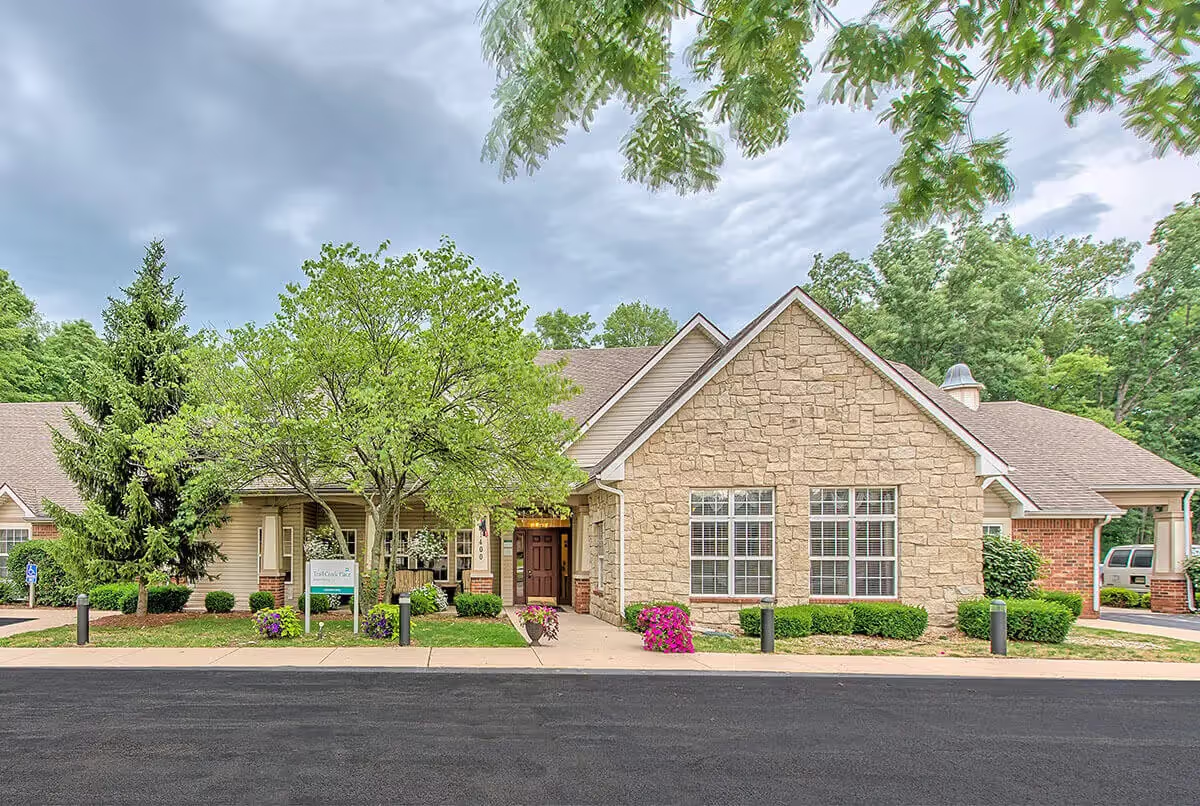
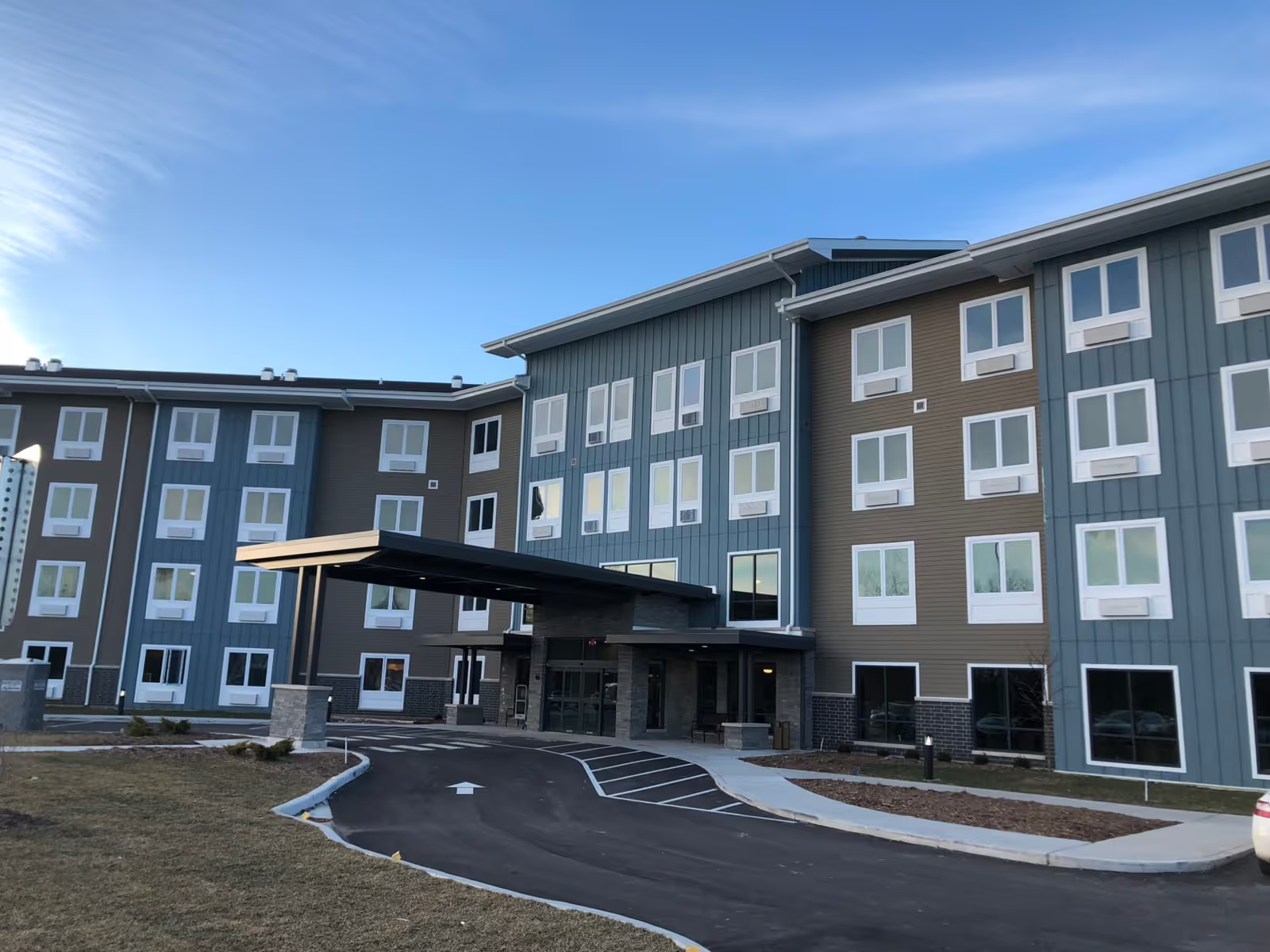
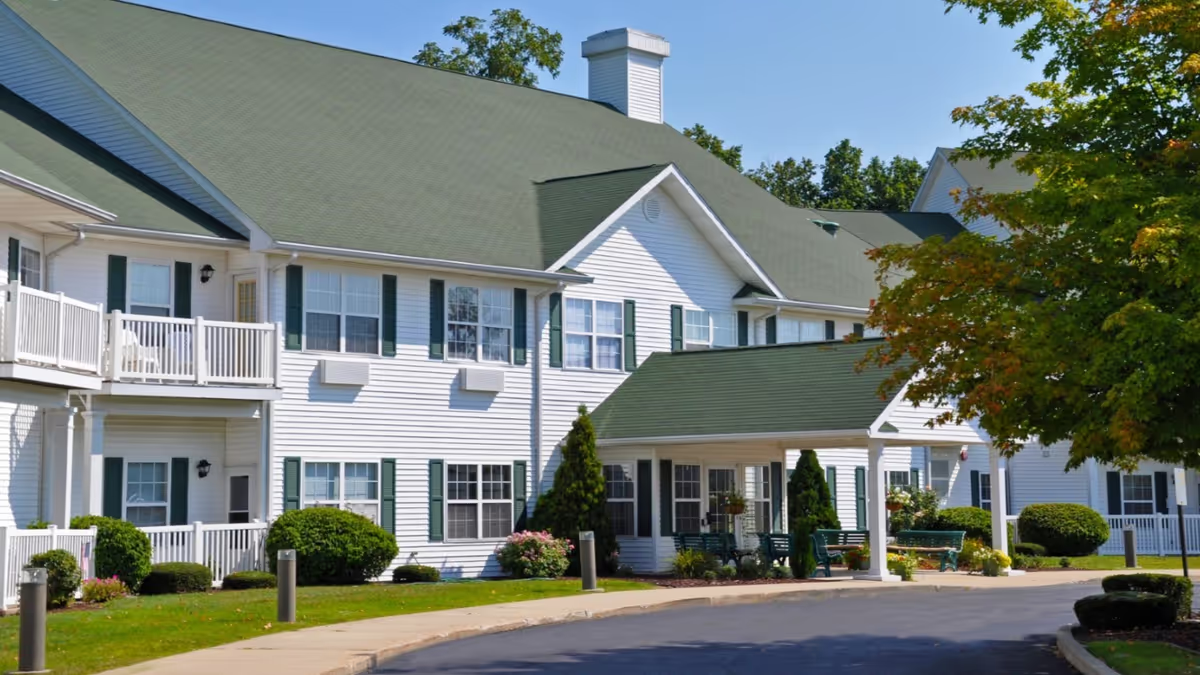
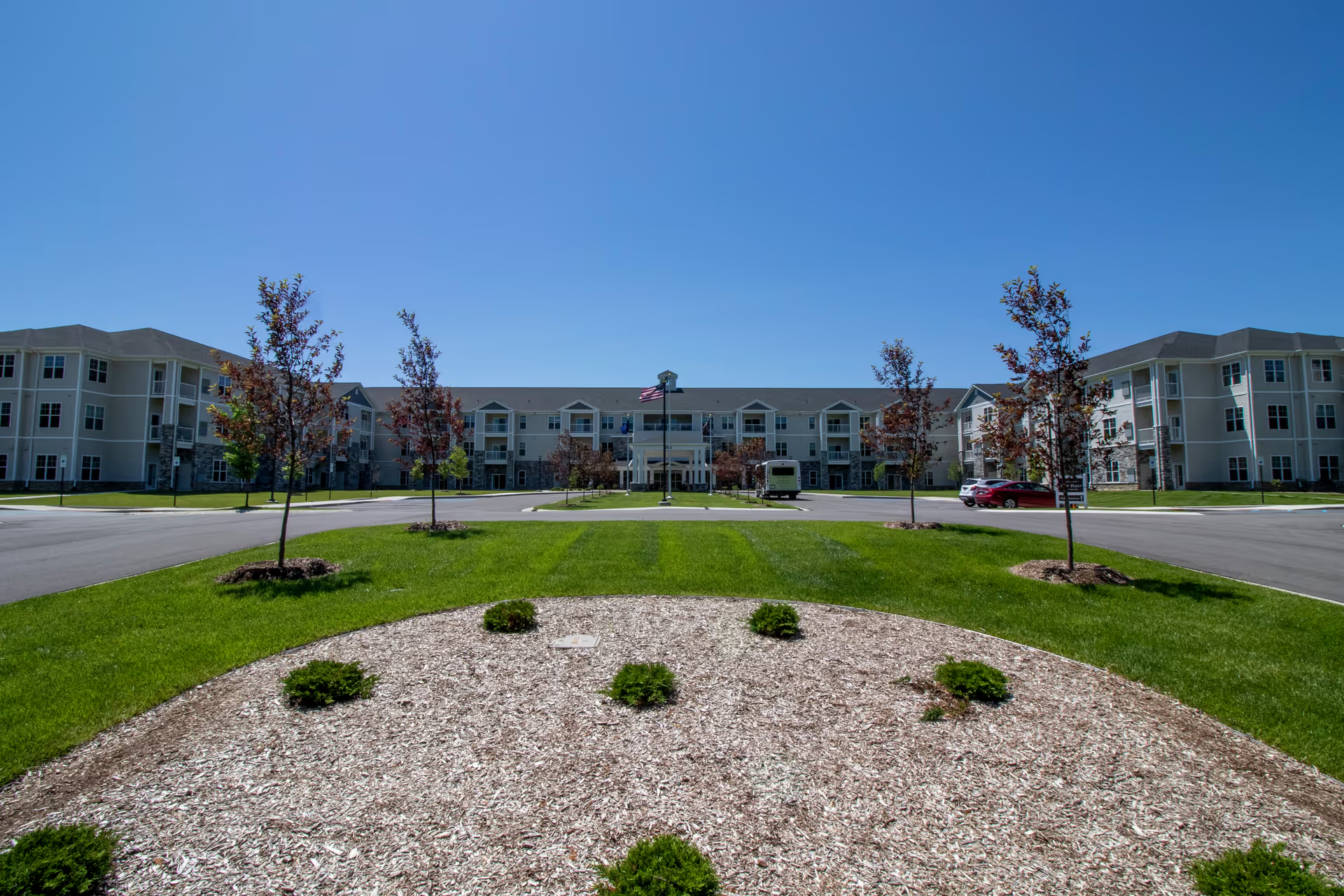
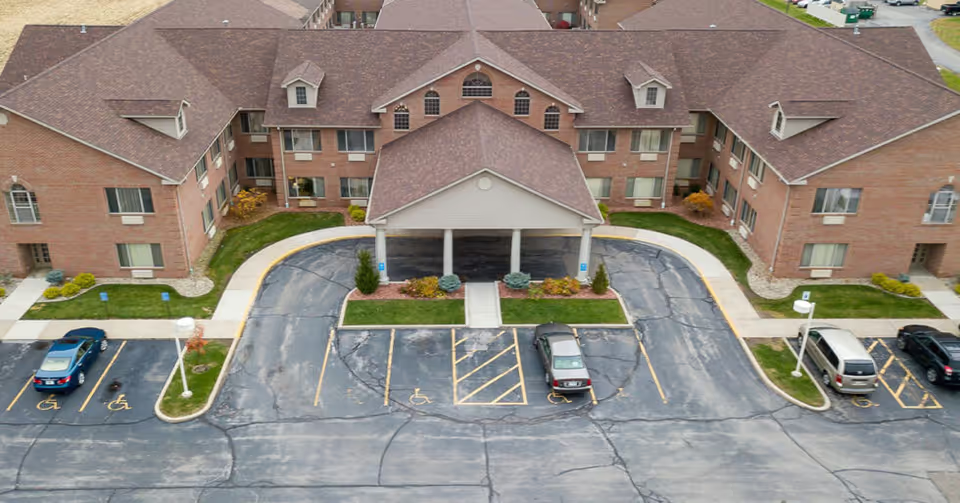
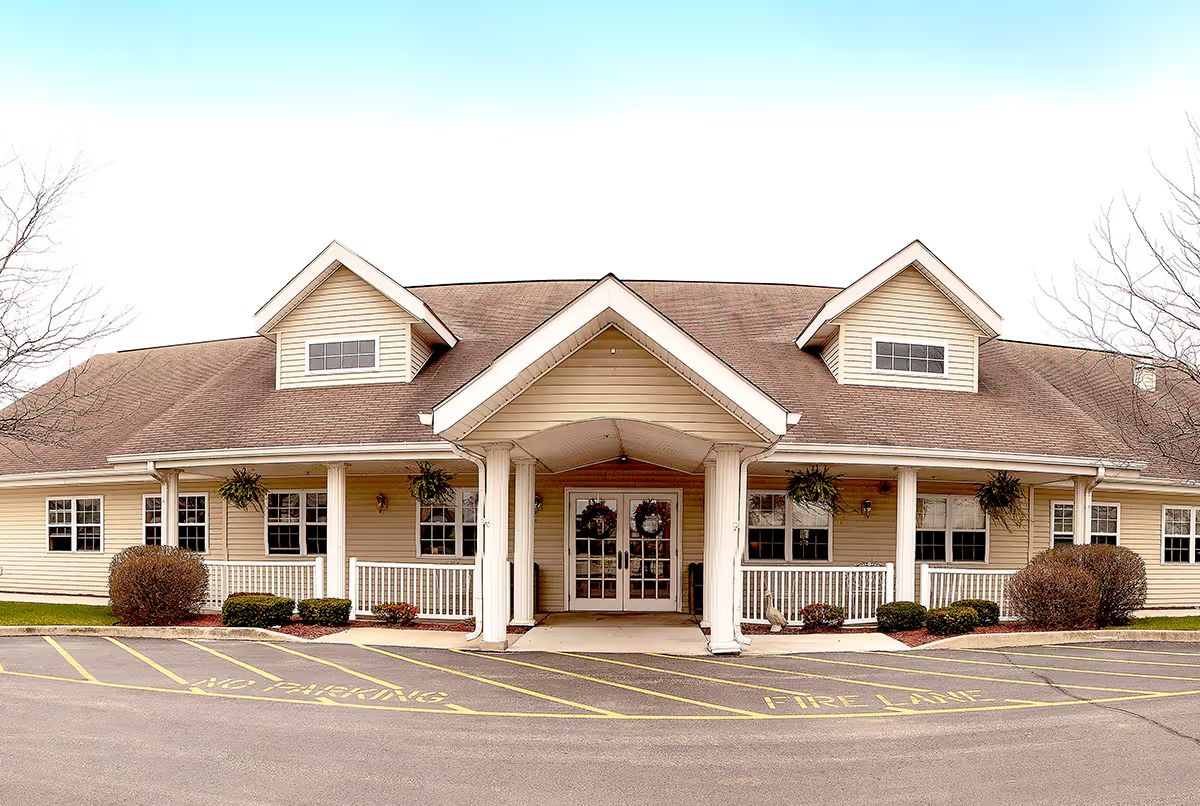
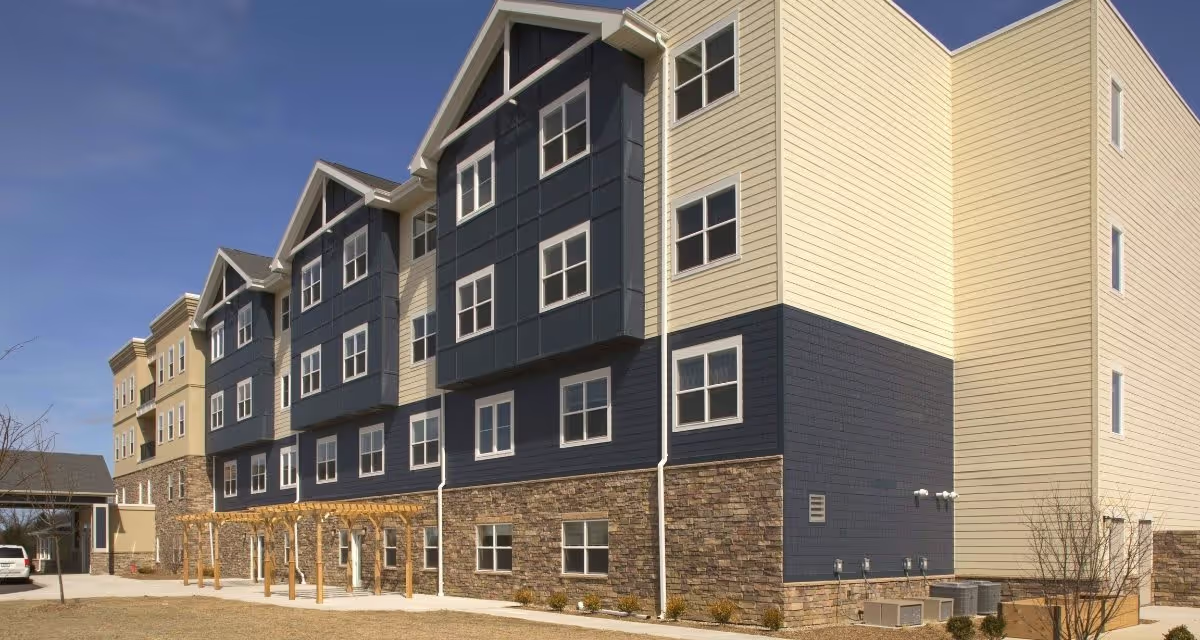
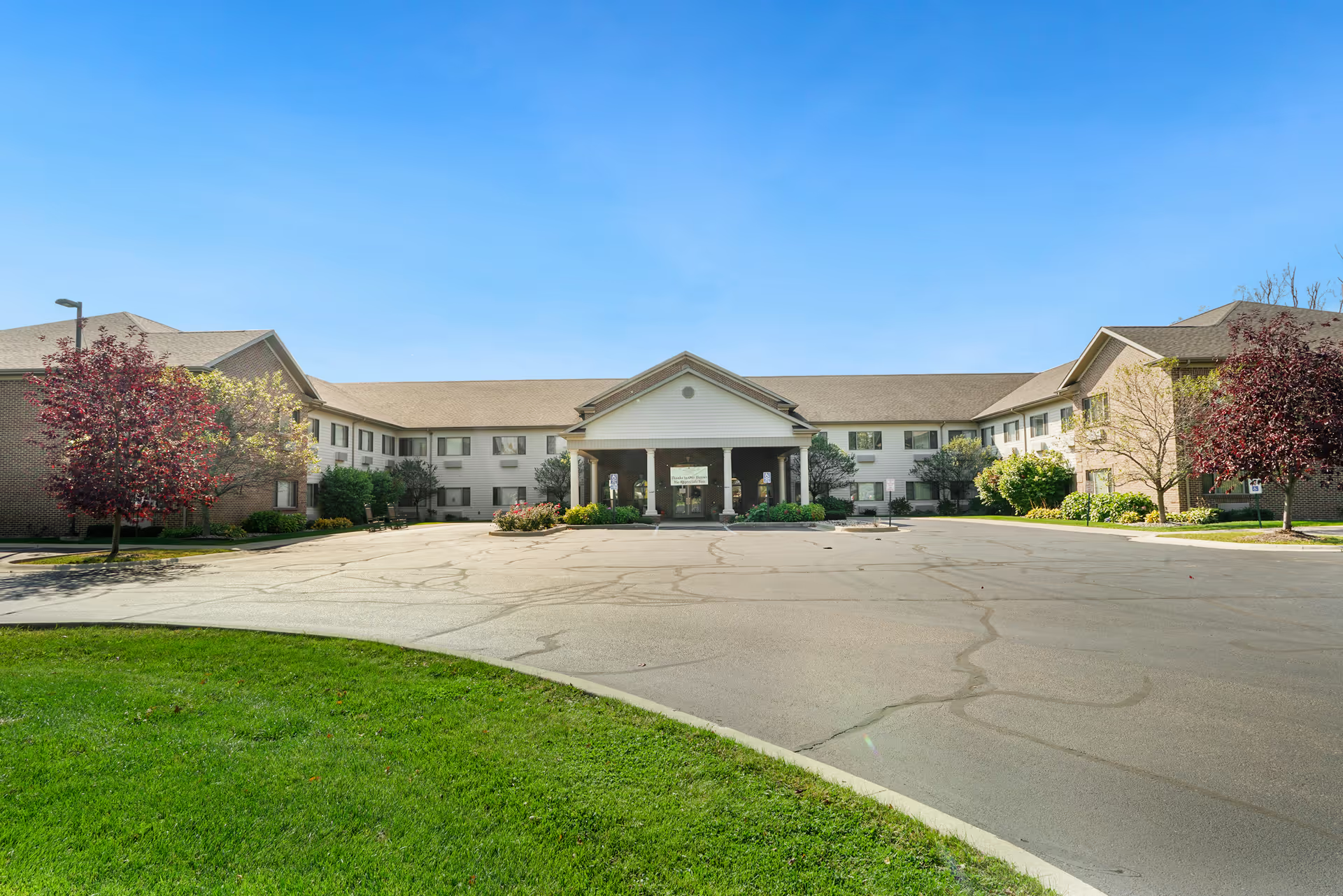
Rittenhouse Village at Michigan City elicits consistently strong praise for its environment, dining, and activity programming alongside recurring operational concerns that prospective residents and families should weigh. Many families describe a warm, family-like atmosphere driven by compassionate direct-care staff, an active events calendar with outings and themed programming, and chef-prepared meals served in attractive dining areas. The campus offers a clear care continuum—independent villas, assisted living, and memory care—which appeals to families seeking aging-in-place options. Physical assets highlighted include modern apartments and villas, well-maintained common areas and grounds, on-site amenities (salon, exercise room, restaurant), and villa features such as garages and patios.
Staff and care quality are polarizing themes. Numerous accounts praise individual staff members, admissions coordinators, activity and dietary teams, and long-tenured employees who create a welcoming culture and strong social engagement. At the same time, reviewers describe operational patterns that undermine clinical reliability: inconsistent staffing levels, high frontline aide turnover, long wait times for assistance or call-light responses, and gaps in communication during shift changes. These issues have been associated in reviews with delays in basic assistance and uneven delivery of clinical services, particularly in assisted and memory-care settings.
Dining and activities are frequently cited as strengths. The culinary program receives repeated commendation for fresh, plentiful meals, bakery items, and a pleasant dining ambiance. Activities are varied and well-attended—field trips, themed events, seasonal celebrations, and intergenerational programming are commonly noted—and many families credit the activity staff with improving residents’ quality of life. That said, there are intermittent complaints that posted activity calendars are not always implemented as scheduled, suggesting variability between planning and execution.
Facility upkeep and amenities are generally seen as strong: public spaces are described as bright and clean, grounds are landscaped and accessible, and maintenance support for apartments and villas is available. However, some villa-specific operational gaps are mentioned, including inconsistent snow/grounds services and occasional move-in cleaning lapses. Memory-care accommodations draw mixed comments: while programming is tailored for dementia needs, some find the rooms smaller and more clinical in feel than the rest of the community.
Management and policy patterns present mixed signals. Families praise individual leaders and admissions staff for empathy and help during placement, but other accounts describe inconsistent follow-through from management on complaints, inflexible contract or notice policies, and uneven accountability. Cost is also a theme—many perceive the community as premium-priced, and affordability for middle-income families is a consideration.
In sum, Rittenhouse Village at Michigan City offers many hallmarks of a high-quality senior community—engaging programming, appealing dining, attractive facilities, and many dedicated staff members. At the same time, documented operational weaknesses—staffing variability, response-time delays, inconsistent program delivery, and occasional management follow-through gaps—represent real risks for residents with higher or rapidly changing care needs. Prospective residents and families should conduct targeted follow-up: clarify current staffing ratios and on-call clinical coverage, confirm written service commitments for the intended level of care, review contract and notice terms, and tour the specific unit type under consideration (villa, assisted, or memory-care) to assess space and housekeeping standards before making a placement decision.