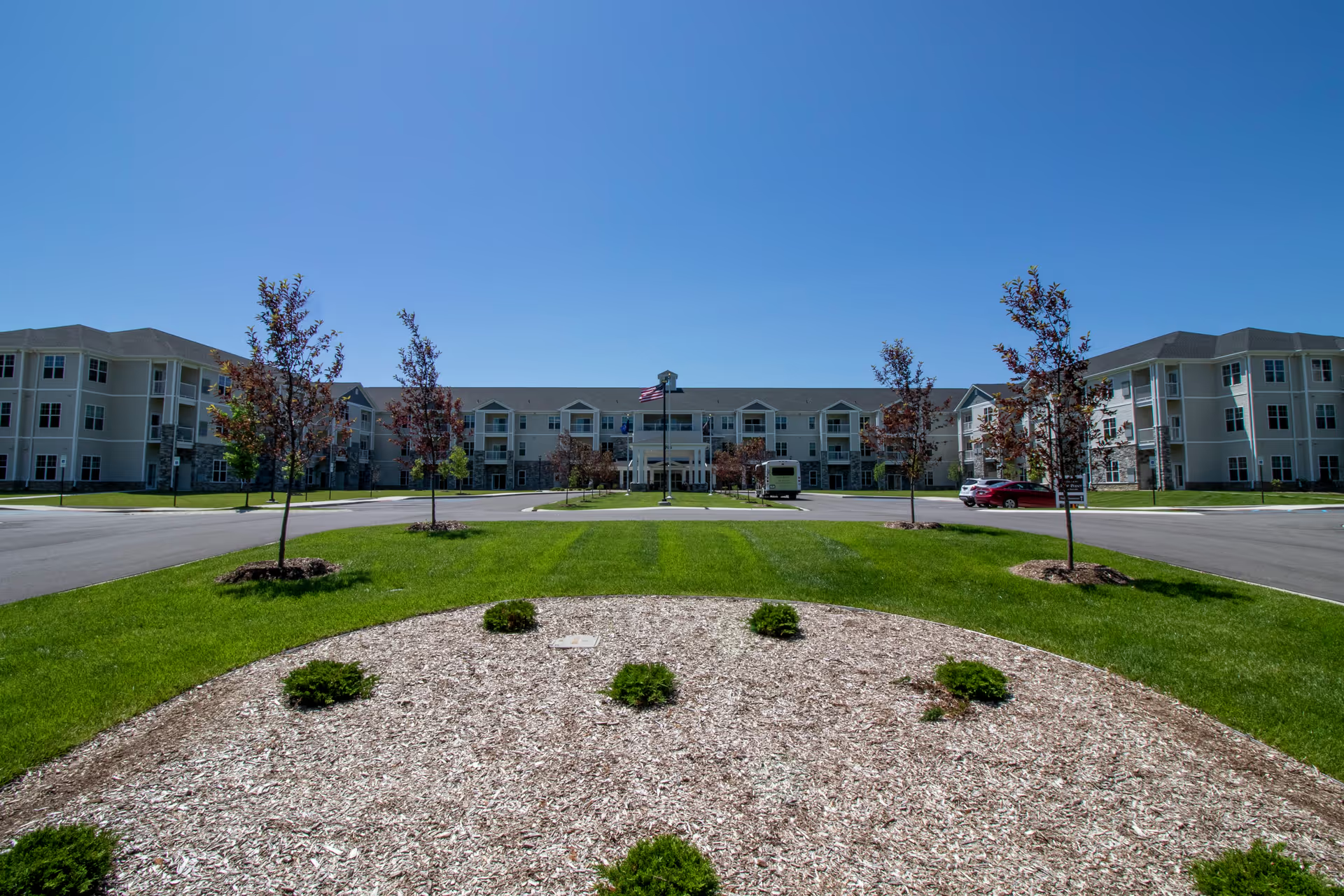
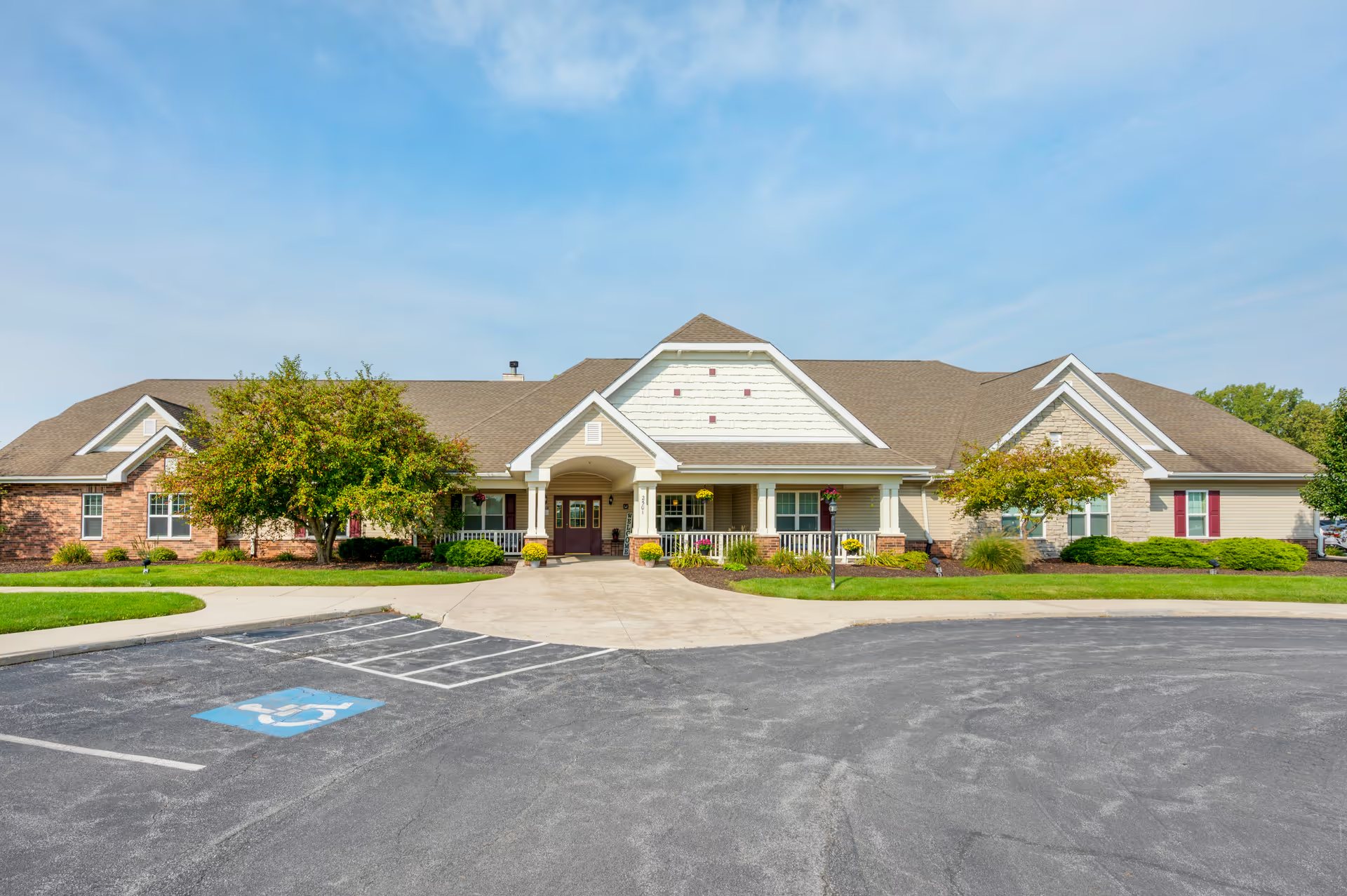
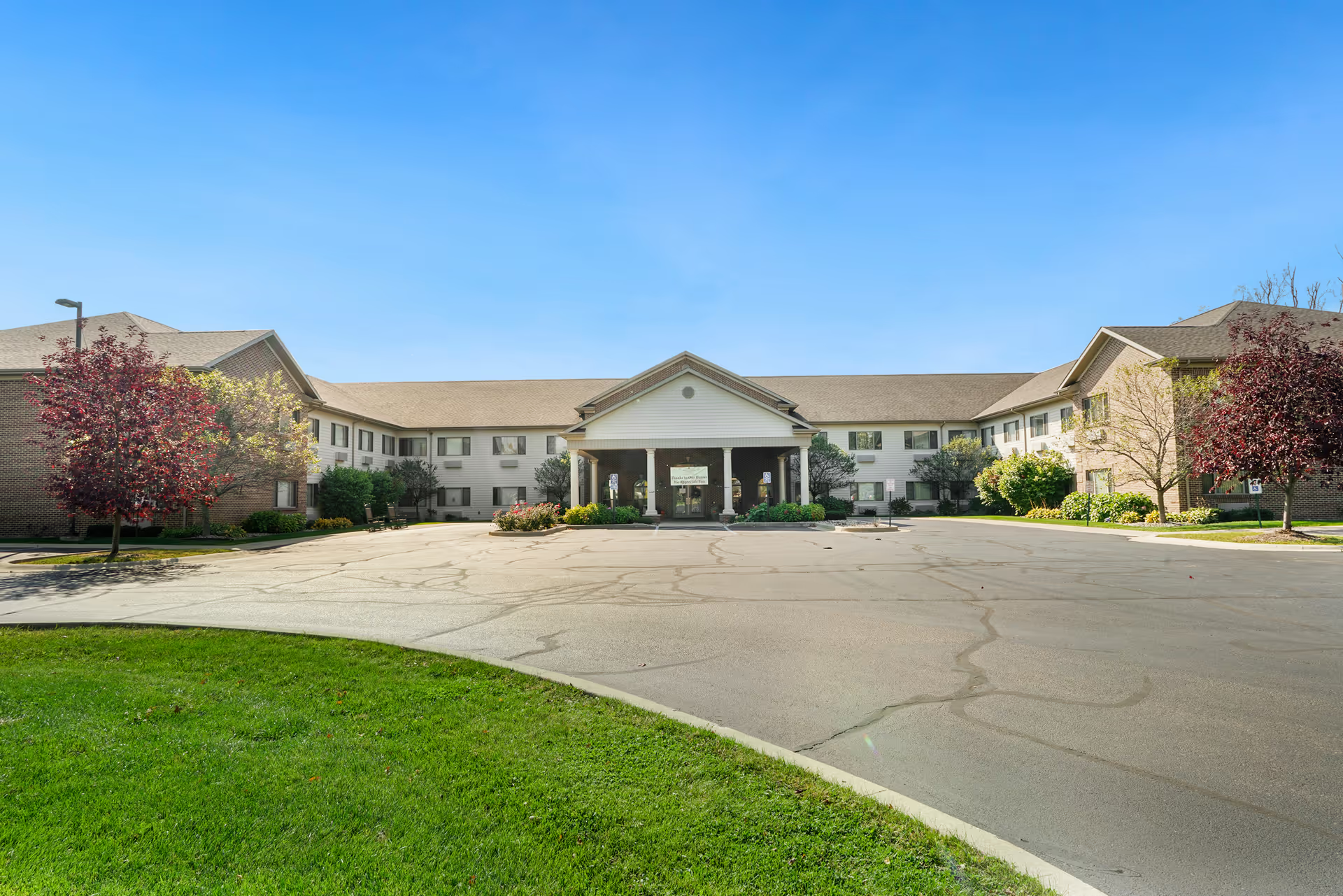
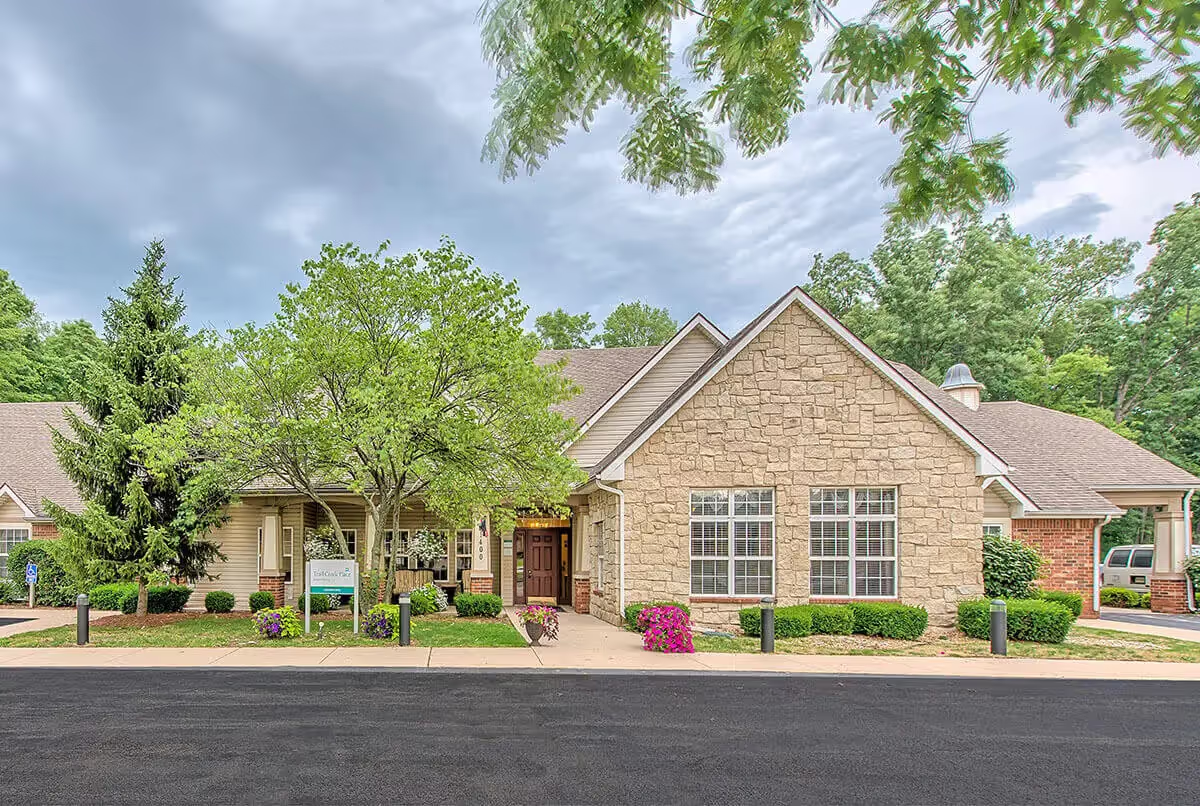
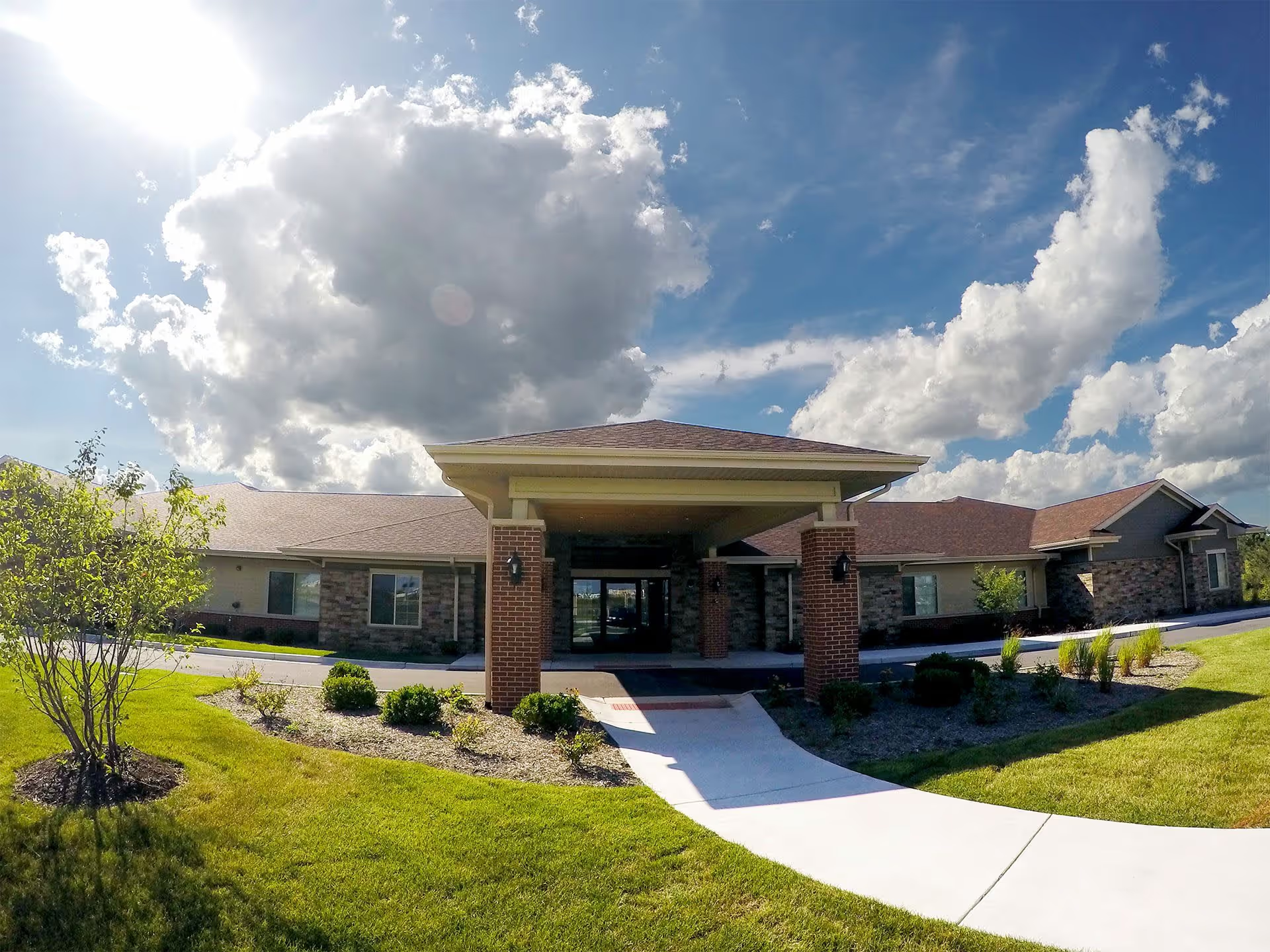
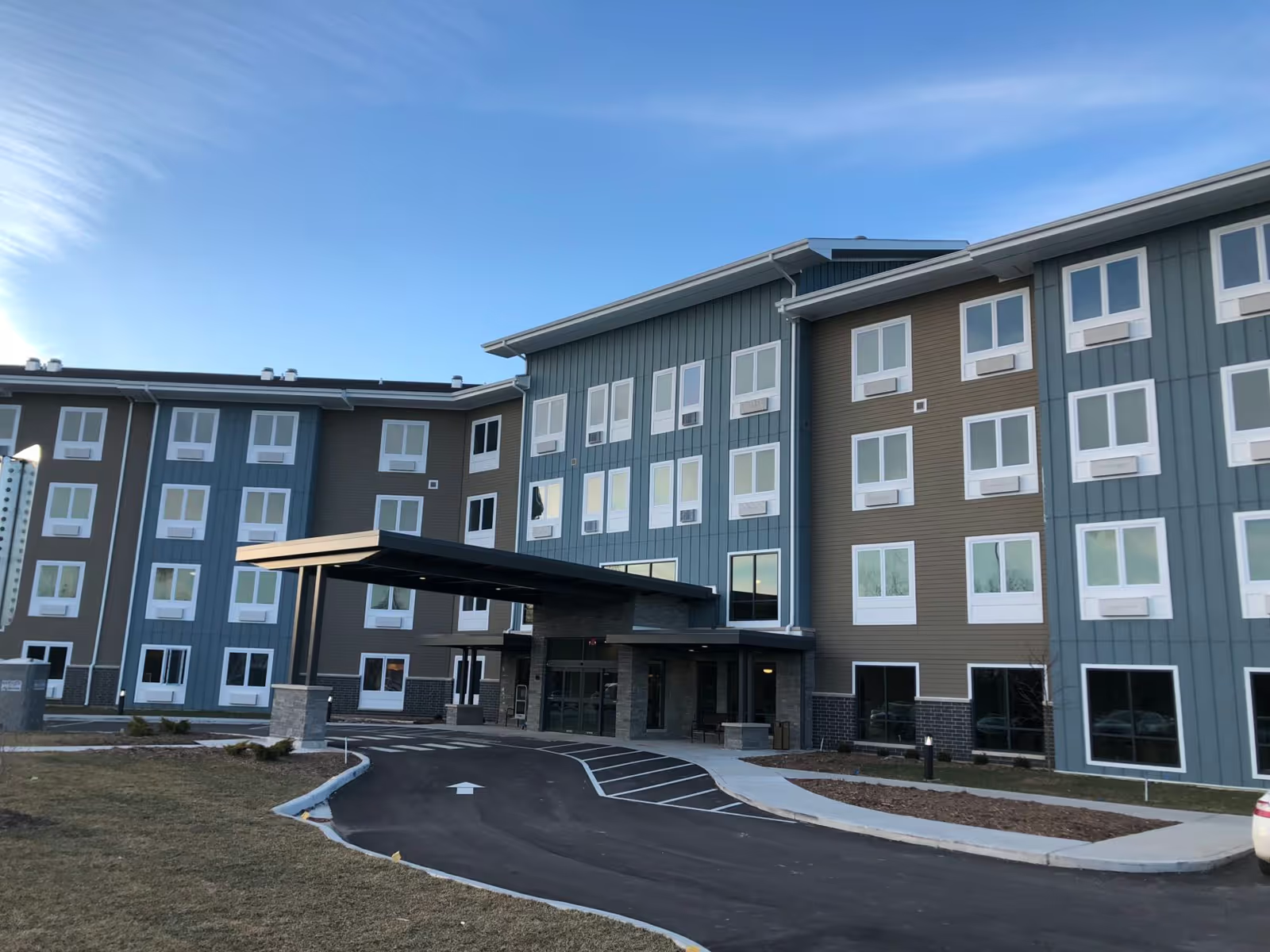
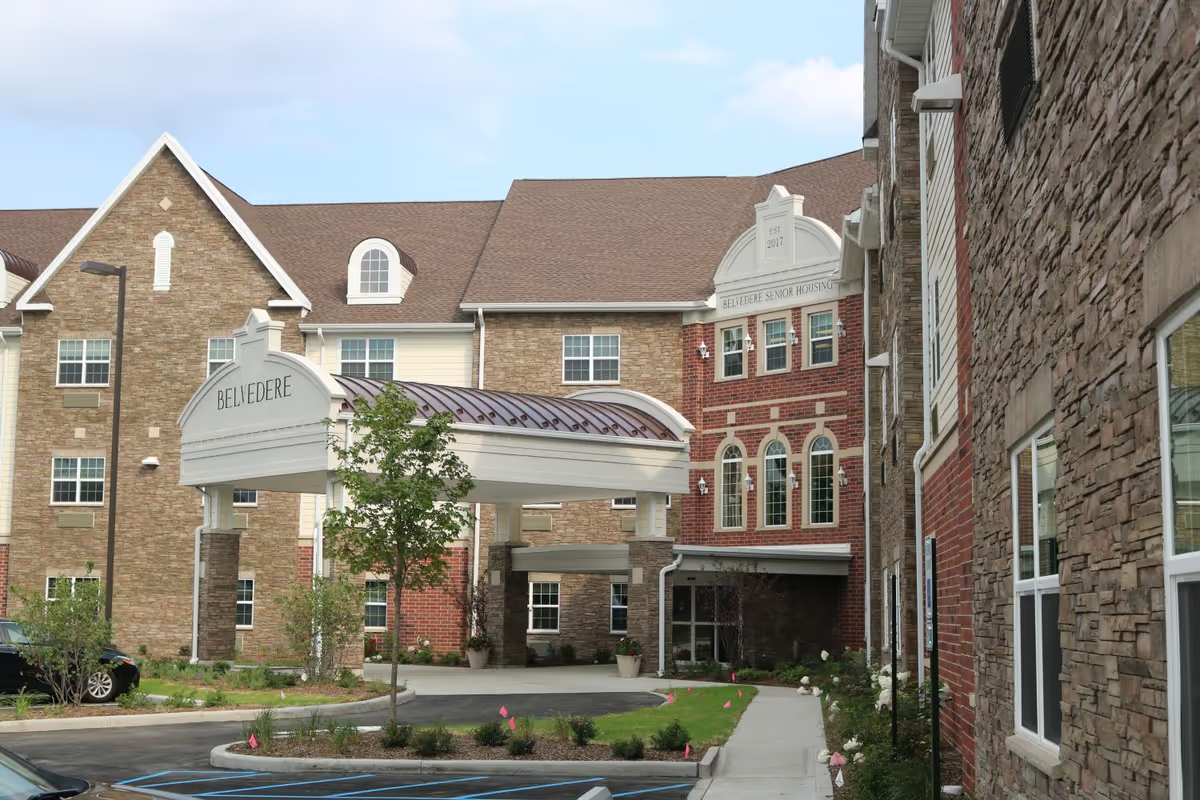
Valparaiso Senior Village by StoryPoint presents as a modern, well-appointed senior community with strong front-line caregiving, engaging programming, and notable culinary strengths. Many reviewers described the facility as clean, bright, and contemporary, with multiple shared amenities such as a movie theater, fitness room, library, salon, bistro, coffee bar, and an attractive garden courtyard. Apartments are characterized as spacious and easy to maintain; the location is convenient to regional hospital access and highways. The therapy program, on-call clinical availability, and an active activity schedule are recurring strengths, alongside a business office that many families found responsive and helpful.
Staff-level comments are largely positive around direct caregivers: CNAs, dining staff, therapists, and activity staff were frequently described as compassionate, welcoming, and engaging. Families cited thoughtful touches such as birthday celebrations, curated meals, social events, and supportive move-in assistance. Dining is a particular asset noted by many: meals prepared by a chef, varied menus, and communal dining opportunities were praised. The community atmosphere is often described as home-like, family-oriented, and socially vibrant.
Despite these strengths, several consistent operational concerns emerge and merit careful consideration. Memory-care capability and dementia-specific expertise appear uneven: there are accounts of staff lacking confidence or training for higher-acuity memory-care needs, inconsistent safety practices, and instances where the unit’s clinical capacity did not align with family expectations. Relatedly, medication-management and clinical care coordination have been cited as areas with room for improvement, including added administrative steps between prescribers and residents that can delay regimen updates. Staffing levels are generally seen as adequate for routine needs but sometimes insufficient for one-on-one or high-acuity support.
Administrative performance shows variability. While the business office and certain managers receive praise for responsiveness, other families described gaps in follow-through, unanswered phone calls, and the operational disruptions associated with ownership or management transitions. These management-level inconsistencies can amplify clinical and logistical challenges, particularly around care coordination, pharmacy interactions, and after-hours services. Practical limitations were also mentioned: restricted after-hours dining choices, some heating/temperature-control issues, seating shortages in visiting areas, and accessibility constraints for certain bathrooms or routes.
For prospective residents and families, the facility offers many positive attributes—well-liked dining, active programming, modern facilities, and empathetic direct-care staff. Those considering memory care or higher-acuity clinical support should assess the community’s dementia-care protocols, staffing ratios for one-on-one care, medication-coordination pathways, and recent management changes during tours and care-planning conversations. Asking for current staffing patterns, examples of dementia-care training, written care-coordination procedures, and how after-hours needs are handled will help align expectations with the facility’s present capabilities.