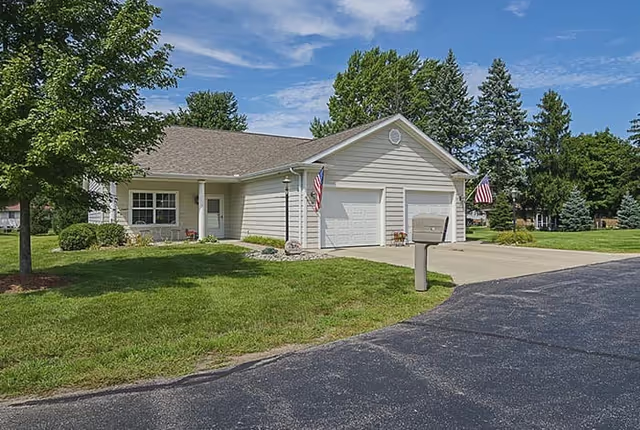
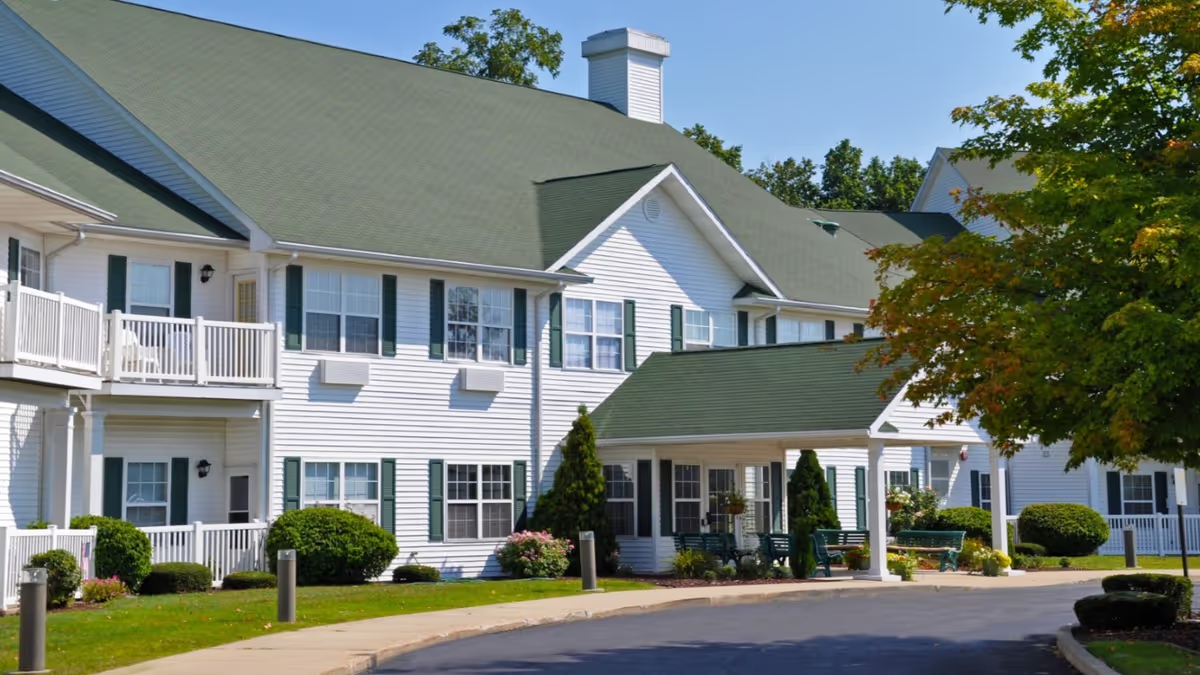
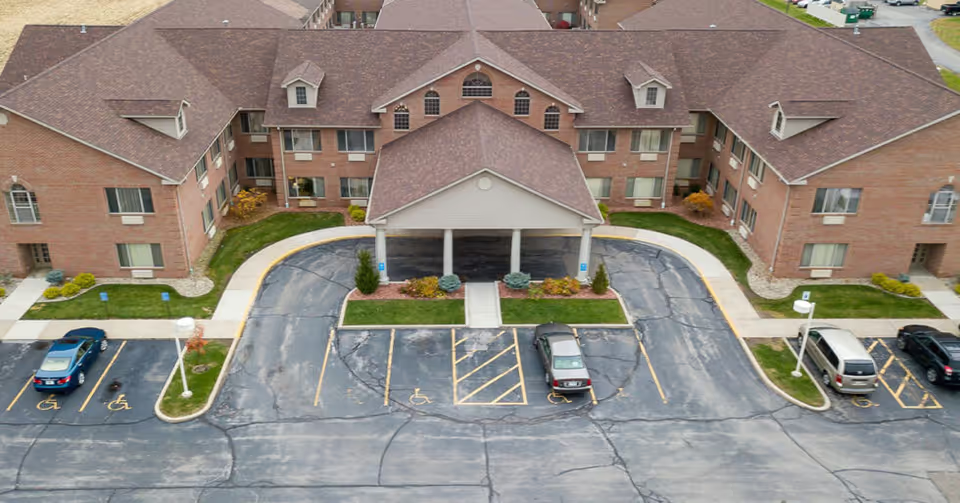
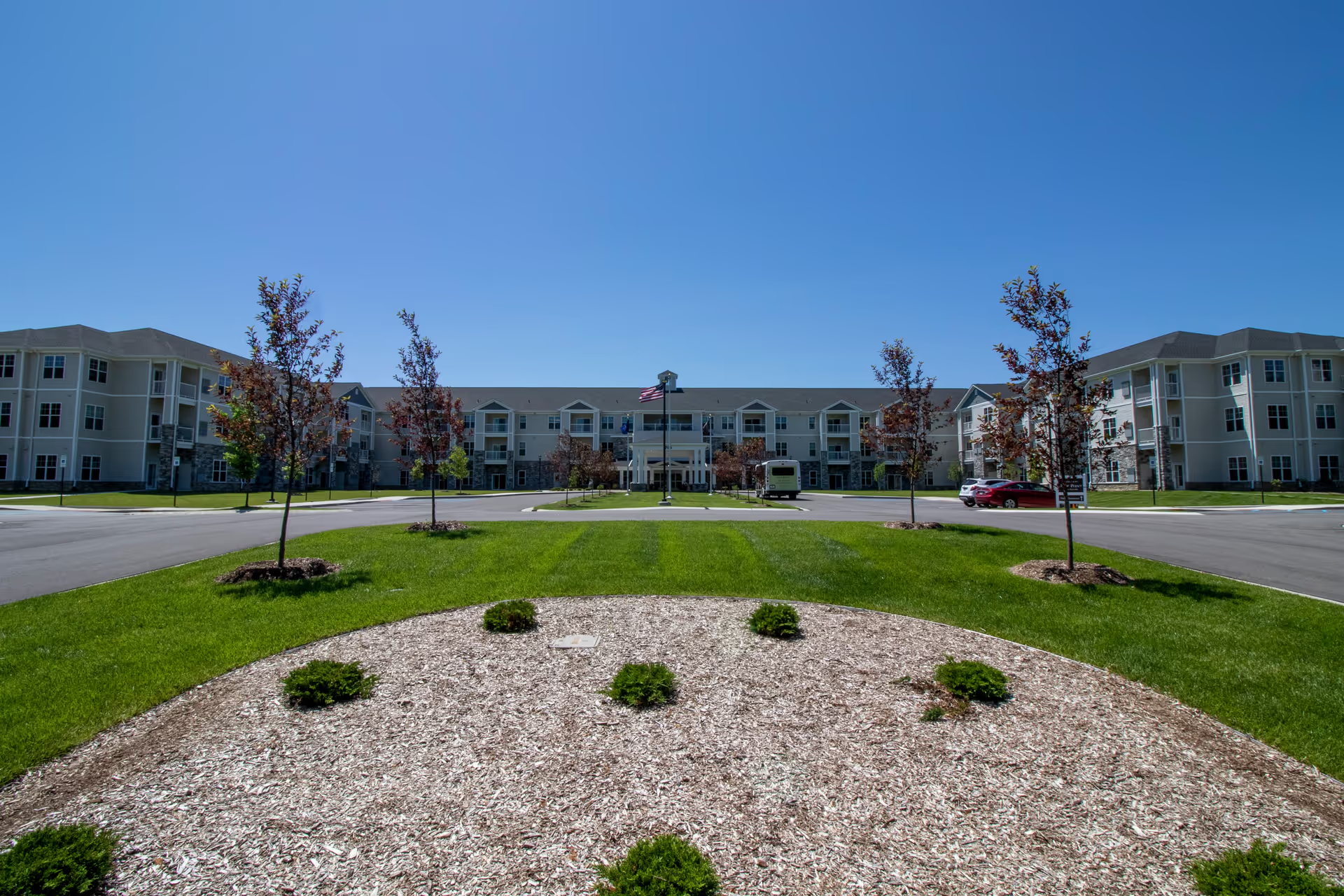
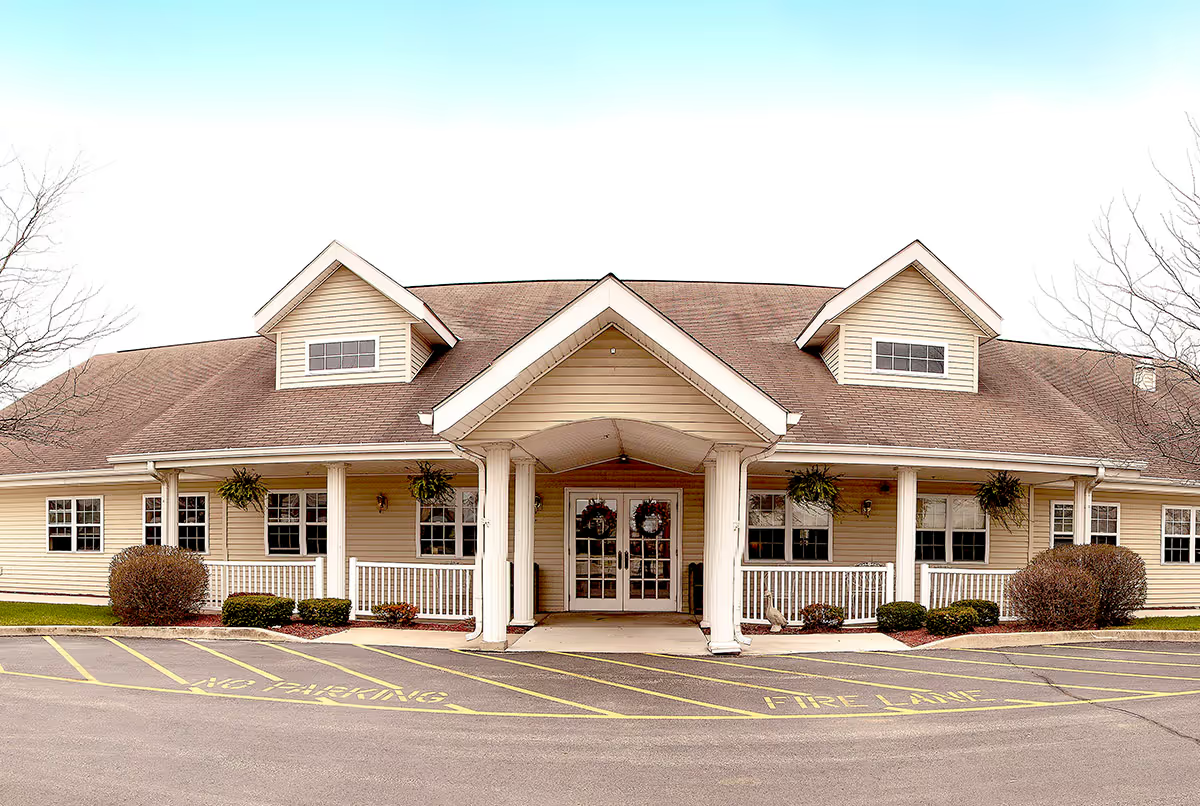
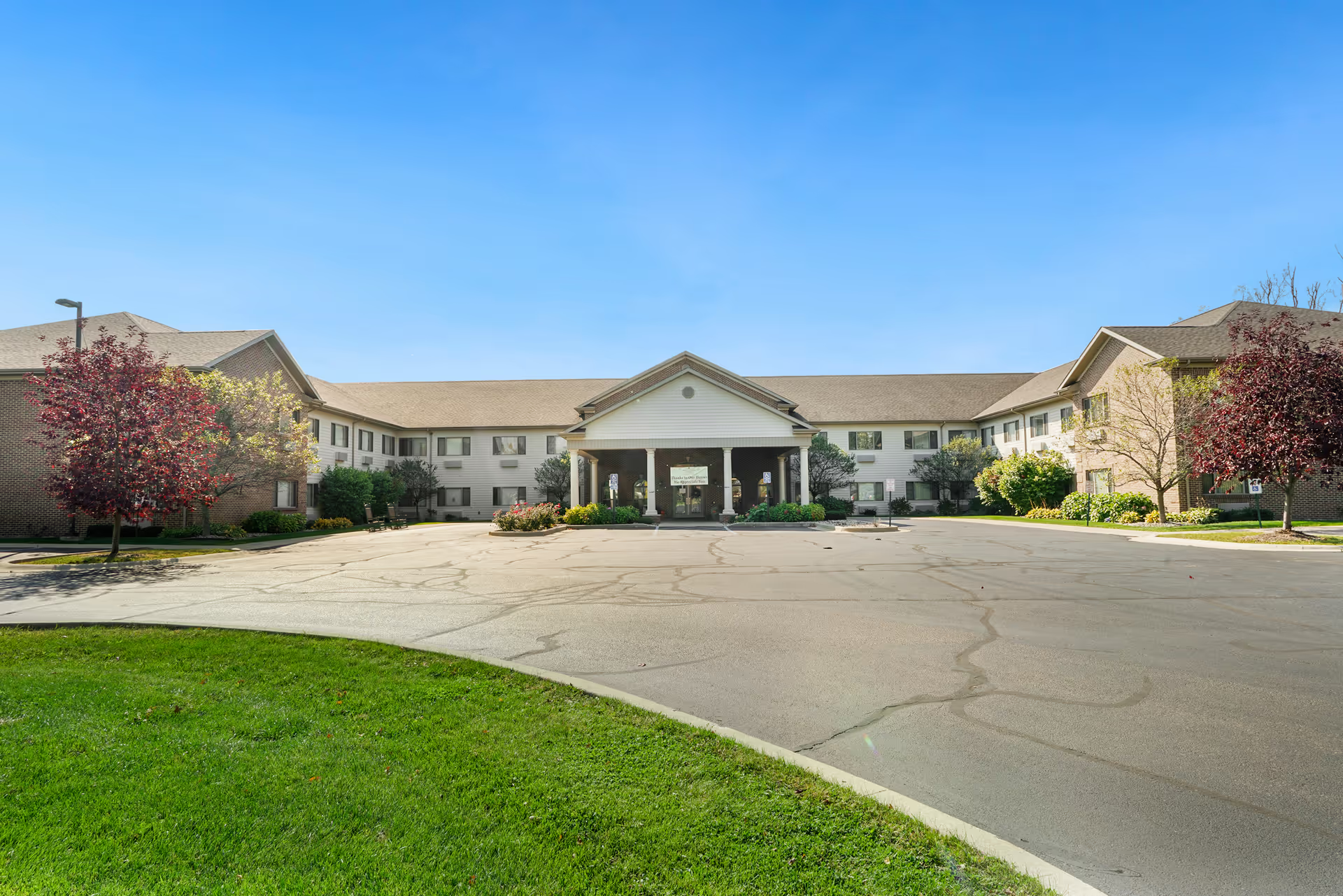
Trail Creek Place is consistently described as a warm, home-like assisted living community with a staff-oriented culture. Many families and residents praised the caregiving team for being compassionate, accessible, and willing to spend time with residents; nursing staff and aides are frequently characterized as attentive and sincere. Reviewers highlighted an inviting physical environment — a one-level layout, comfortable courtyard, multiple gathering areas, and private family rooms — that supports socializing and mobility for ambulatory residents.
The activities program is a clear strength. Activity directors are often described as energetic and creative; the program includes exercise classes, trivia, crafts, games, movie nights, charity events, and offsite trips to local restaurants and attractions. These offerings contribute to a lively atmosphere and an engaged resident population. Memory care is available on site, and families noted that residents who are able to participate remain active and connected. Salon and personal-care services and restaurant-style dining were appreciated as part of daily life for many residents.
Care quality receives generally positive comments, particularly around individualized attention, quick family communication when issues arise, and supportive end-of-life (hospice) arrangements. Long-term residents and their families often described stable relationships with staff and an overall sense that residents were cared for with respect. At the same time, several families raised concerns about care for residents with advanced dementia. These concerns center on gaps in dementia-specific safety measures and fall-prevention strategies; some families felt that the facility’s approaches to restraint and mobility risk required clearer protocols and stronger mitigation.
Operational patterns surfaced as mixed. Staffing consistency is a recurrent theme: while many praised individual caregivers, others identified turnover, weekend and overnight coverage shortfalls, and occasional miscommunications between shifts or departments. Related administrative issues include uneven enforcement or clarity of policies and variable responsiveness to particular operational concerns. Dining is generally seen as a positive feature, but reviewers also noted variability in meal quality and situations where meal delivery or assistance was not consistently accessible for residents with cognitive or functional limitations.
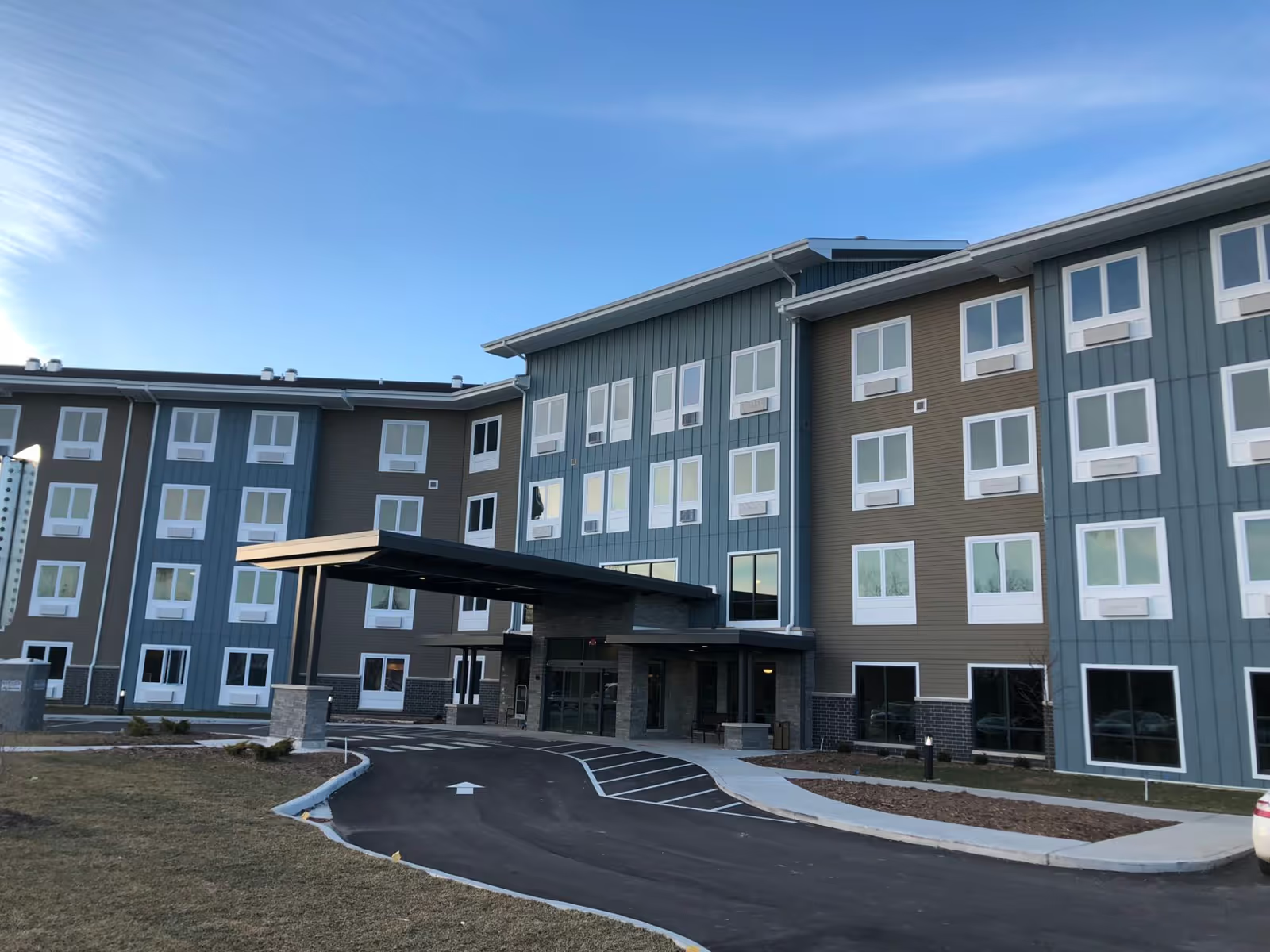
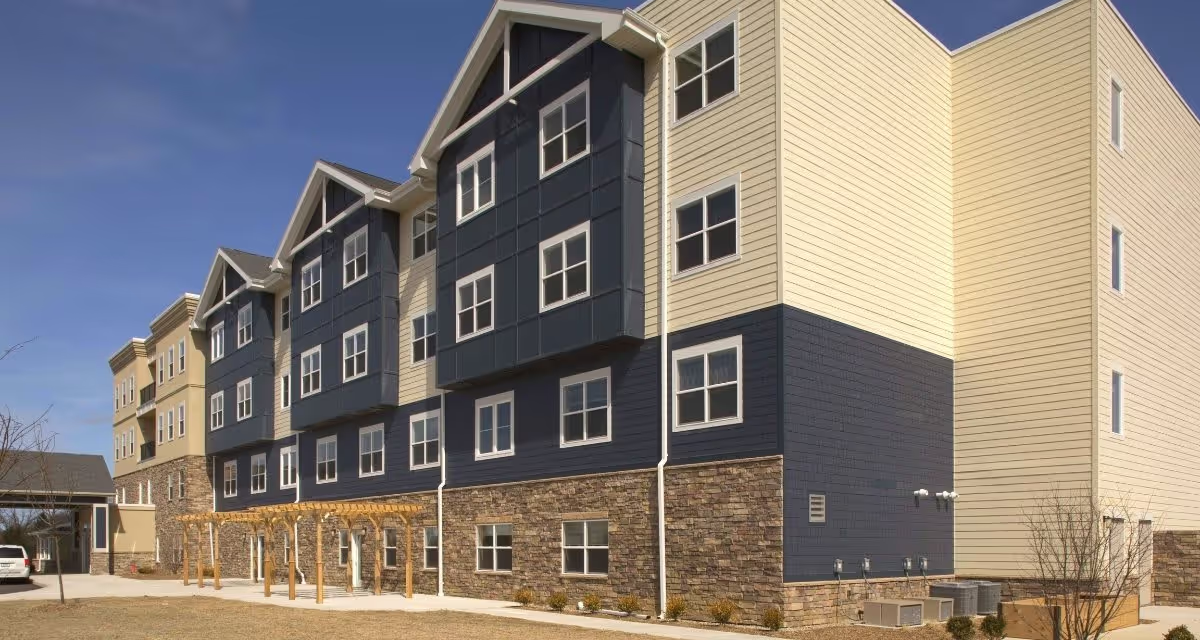
Facility condition and housekeeping produced mixed impressions. The building’s layout and outdoor spaces are assets, but the site is older, and some families compared apartment sizes unfavorably with newer communities. Cleanliness and sanitation were praised by many, yet concerns about inconsistent housekeeping standards and occasional odor or sanitation issues in communal areas were also reported. Transportation and logistics received isolated critique (for example, driver speed and oversight), suggesting that families may wish to ask about transportation policies and driver training during a tour.
Overall, Trail Creek Place appears well suited for families seeking an assisted-living environment with a strong social program, committed caregiving staff, and a home-like setting. Prospective residents and families — especially those caring for someone with advanced dementia or higher dependency needs — should ask targeted questions about staffing ratios and schedules (including weekends and nights), dementia-specific safety and fall-prevention protocols, meal-assistance procedures, housekeeping schedules, and transportation oversight. A personalized tour that includes meeting nursing and activities staff, viewing memory-care practices in person, and discussing specific care plans will help determine fit for individual care needs.