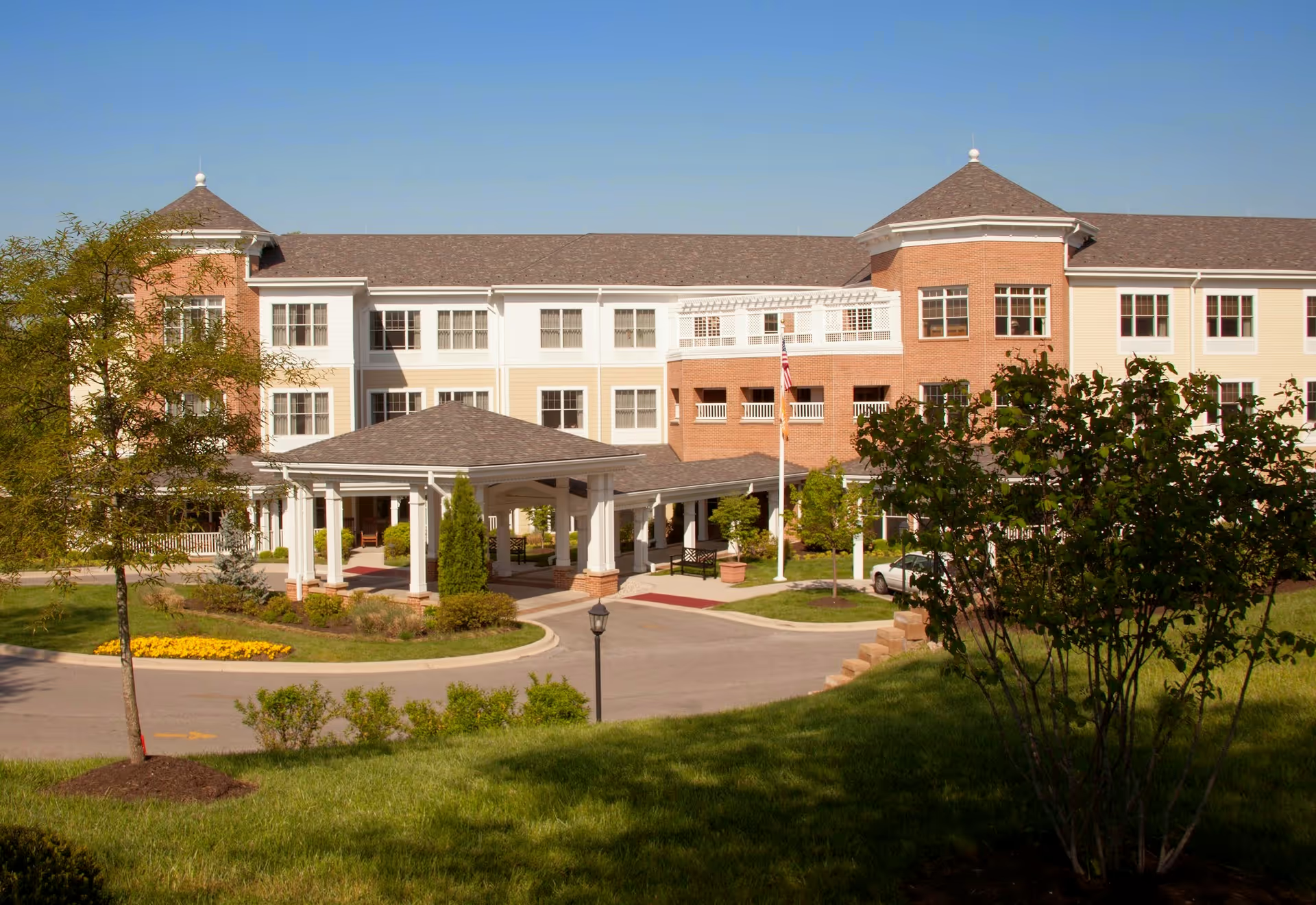
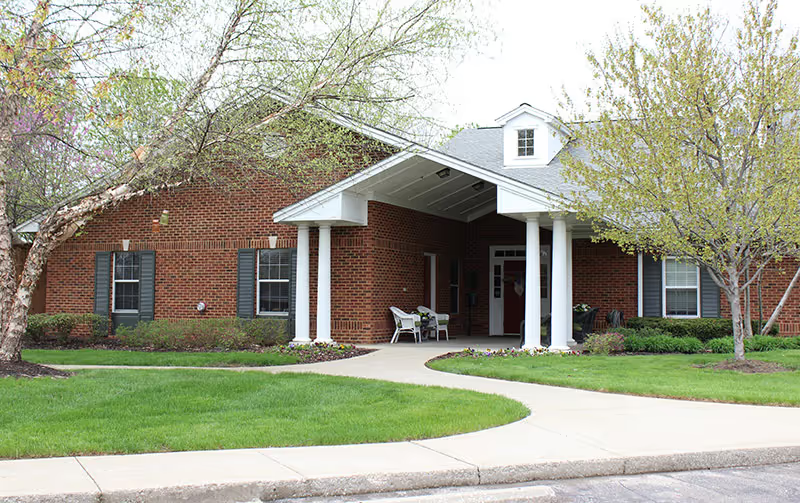
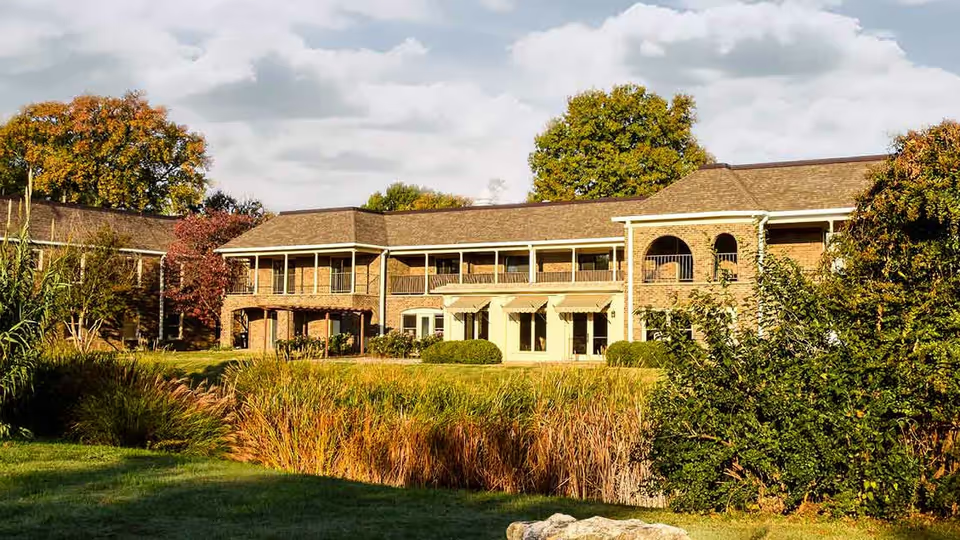
Lincoln Hills elicits a strongly mixed set of impressions. Many families and residents praise the facility for compassionate, family-like caregiving, a well-regarded memory-care unit that emphasizes independence, and a rehabilitation program that produces notable recoveries in PT/OT. Admissions and transition processes are frequently described as supportive and calming, and several reviewers highlight communicative social-work and clinical staff who facilitate family updates. The activity program, community outings, and a social dining atmosphere are recurring strengths; dietary staff are credited with adapting meals to swallowing needs and fostering mealtime socialization for residents.
Clinical care perceptions are variable. Positive accounts describe attentive nursing and therapy that enabled meaningful functional improvement and safe discharges. However, a pattern of concerns appears around staffing and responsiveness: reviewers describe periods with high patient-to-staff ratios, delayed response to call lights, and perceived gaps in monitoring that can affect transfer safety and timely intervention. There are also comments suggesting variability in medication administration practices and in documentation, which families saw as an area needing stronger controls and transparency.
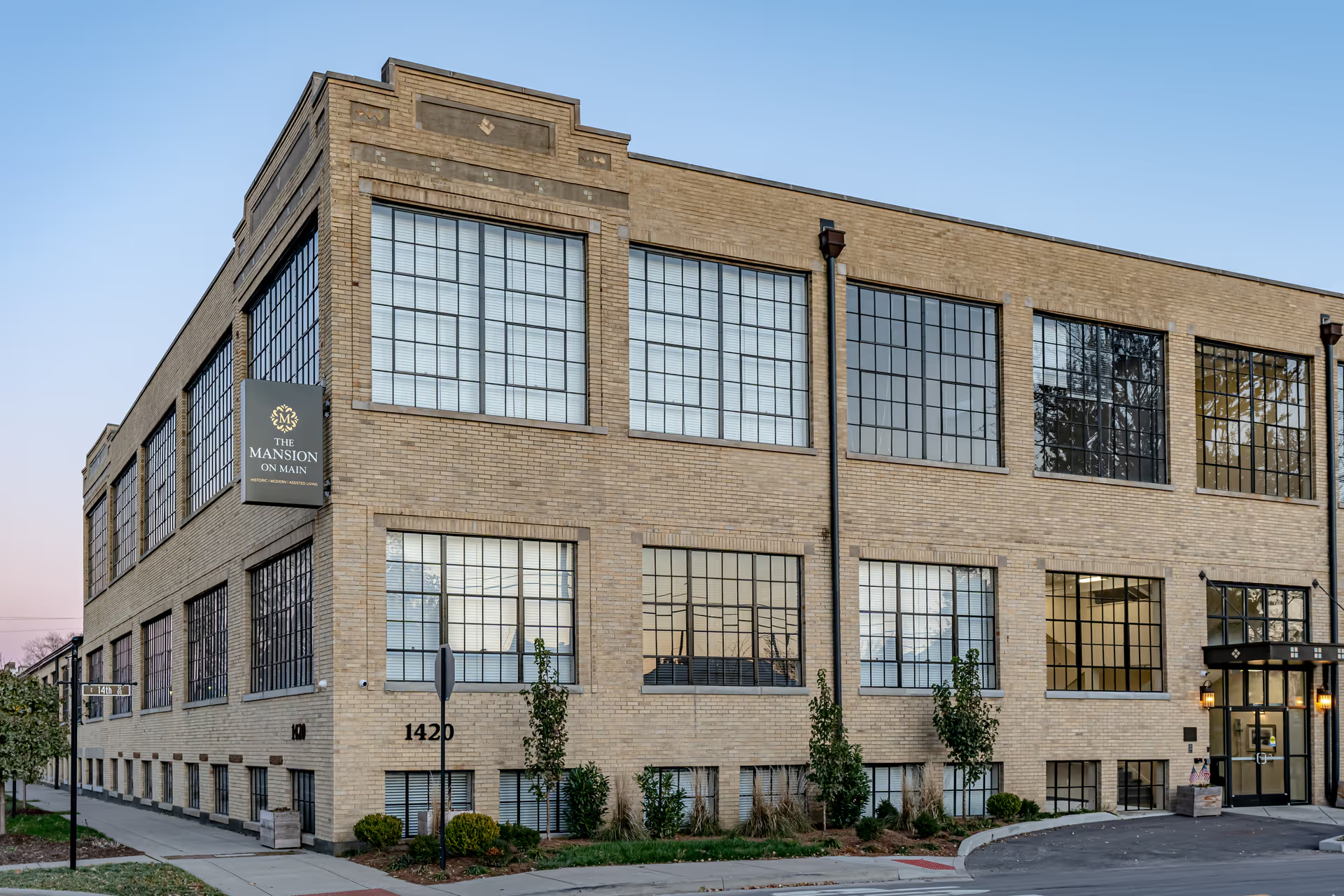
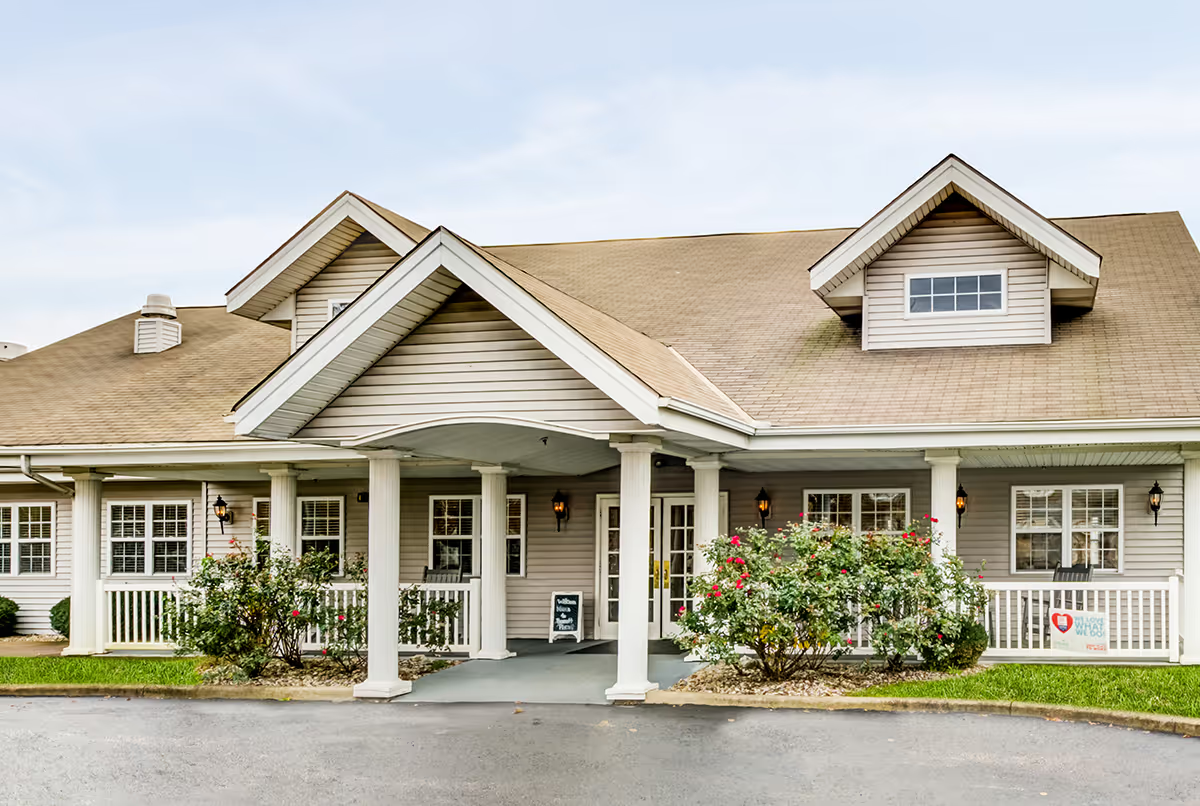
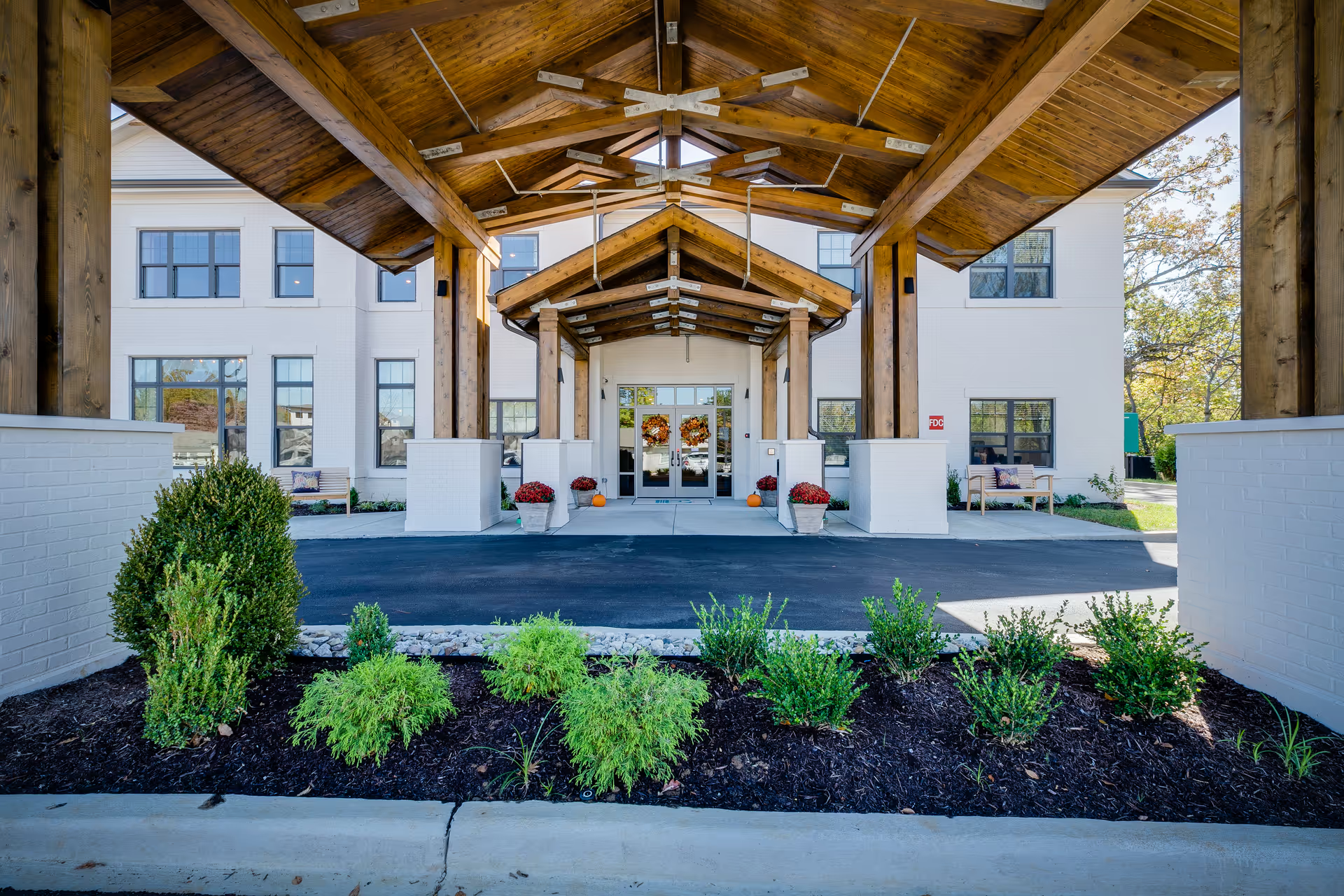
Facility condition and service delivery are similarly inconsistent across accounts. Many reviewers note recent renovations, clean common areas, and well-maintained private rooms, while others identify outdated sections, uneven interior finishes, and sanitation concerns in certain units or shifts. Dining receives both praise for social atmosphere and adaptive meal options and criticism for inconsistent food quality, limited meal choices at times, and occasional meal-service lapses. Housekeeping, laundry, and dietary services receive positive mention in numerous accounts, but sanitation and incontinence-care issues are described in others, indicating variability by unit or shift.
Management and culture show mixed signals. Long-tenured staff and individuals in leadership or admissions are singled out for effective communication and compassionate handling of transitions and end-of-life care. Conversely, several comments point to decreased staffing or operational changes after an ownership transition, along with instances of unresponsive billing or front-desk communication. There are also more serious individual allegations around policy and privacy practices and concerns following a resident's death; these are discrete but significant and contribute to the polarized overall impression.
Overall pattern: Lincoln Hills demonstrates clear strengths in rehabilitative services, memory-care programming, and a number of compassionate staff members who create a family-like environment. At the same time, variability in staffing, responsiveness, cleanliness, and administrative communication creates inconsistent experiences across residents and stays. Prospective residents and families should assess current staffing levels, clinical-monitoring protocols, meal-service practices, and recent management responses when considering placement, and seek up-to-date observations of specific units and shifts most relevant to their needs.