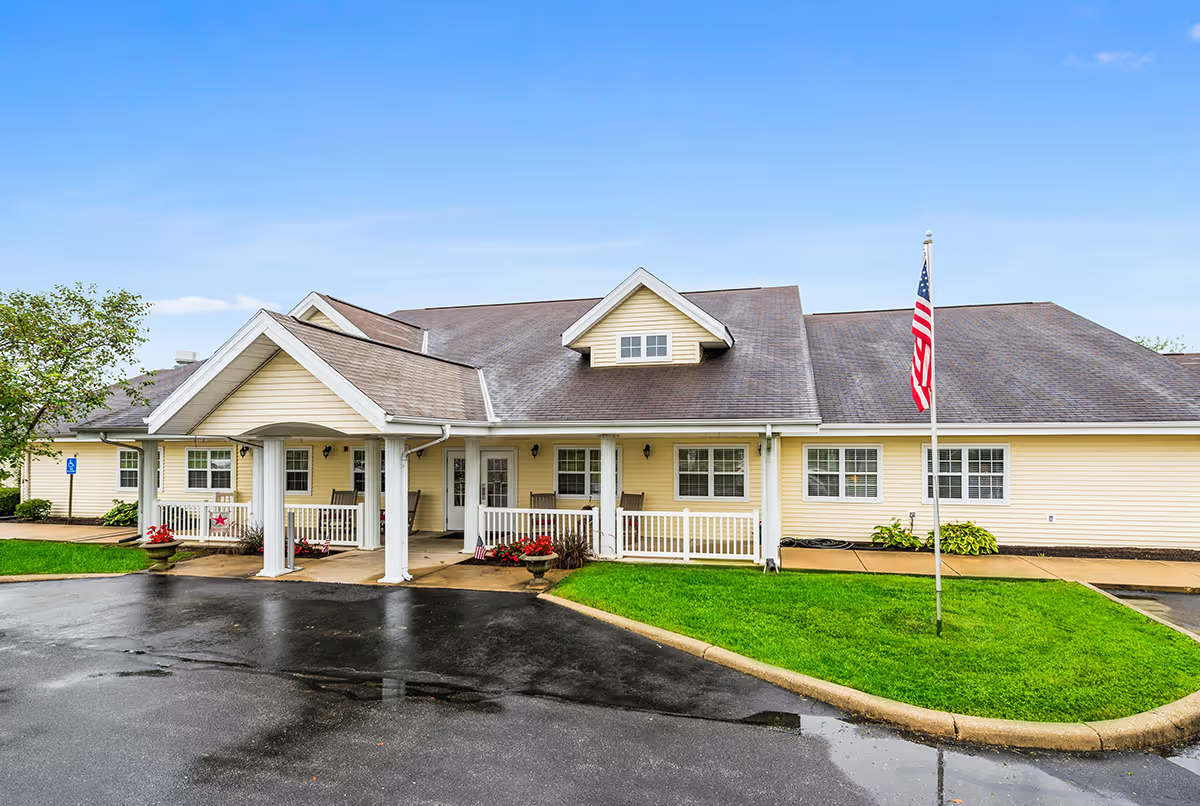
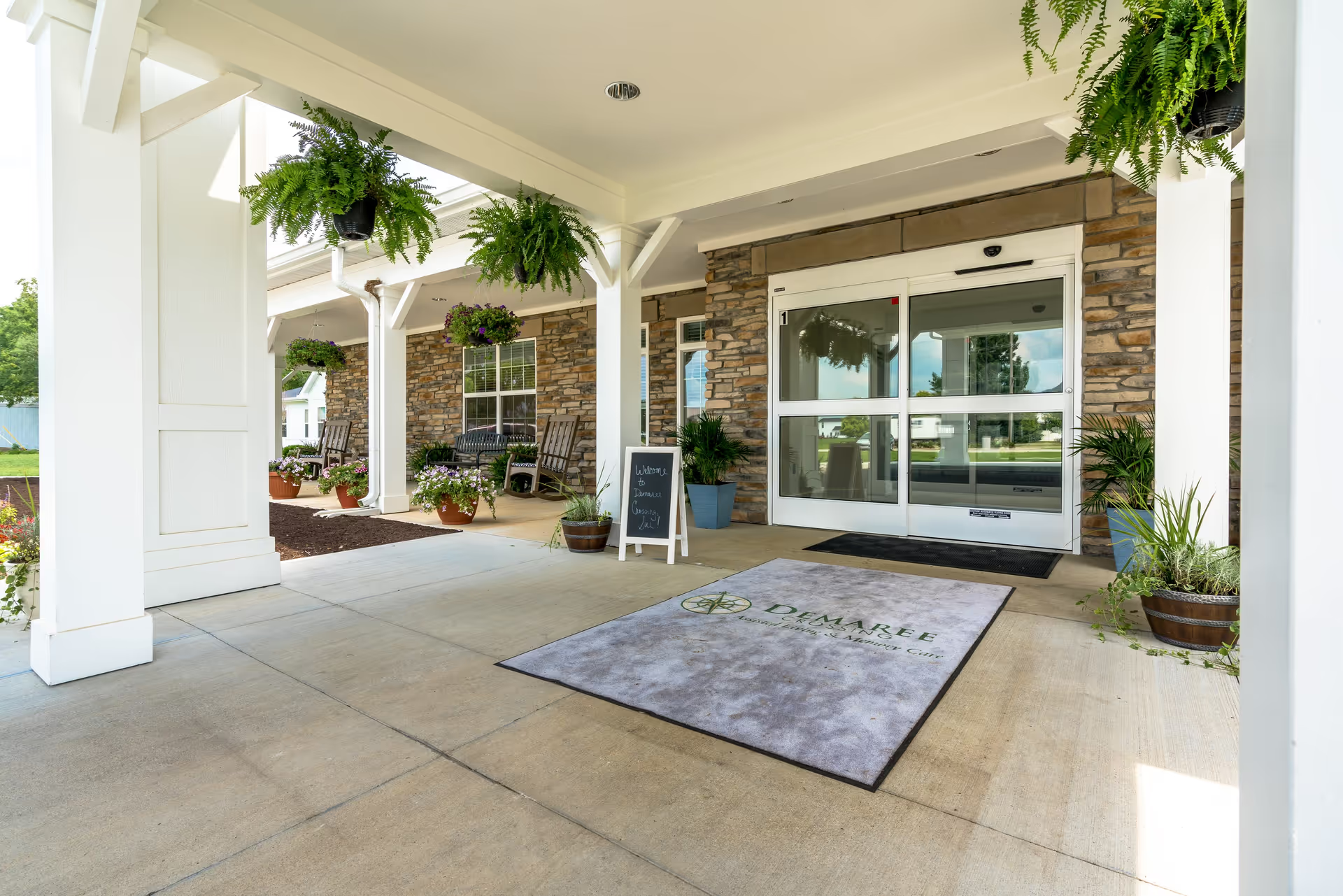
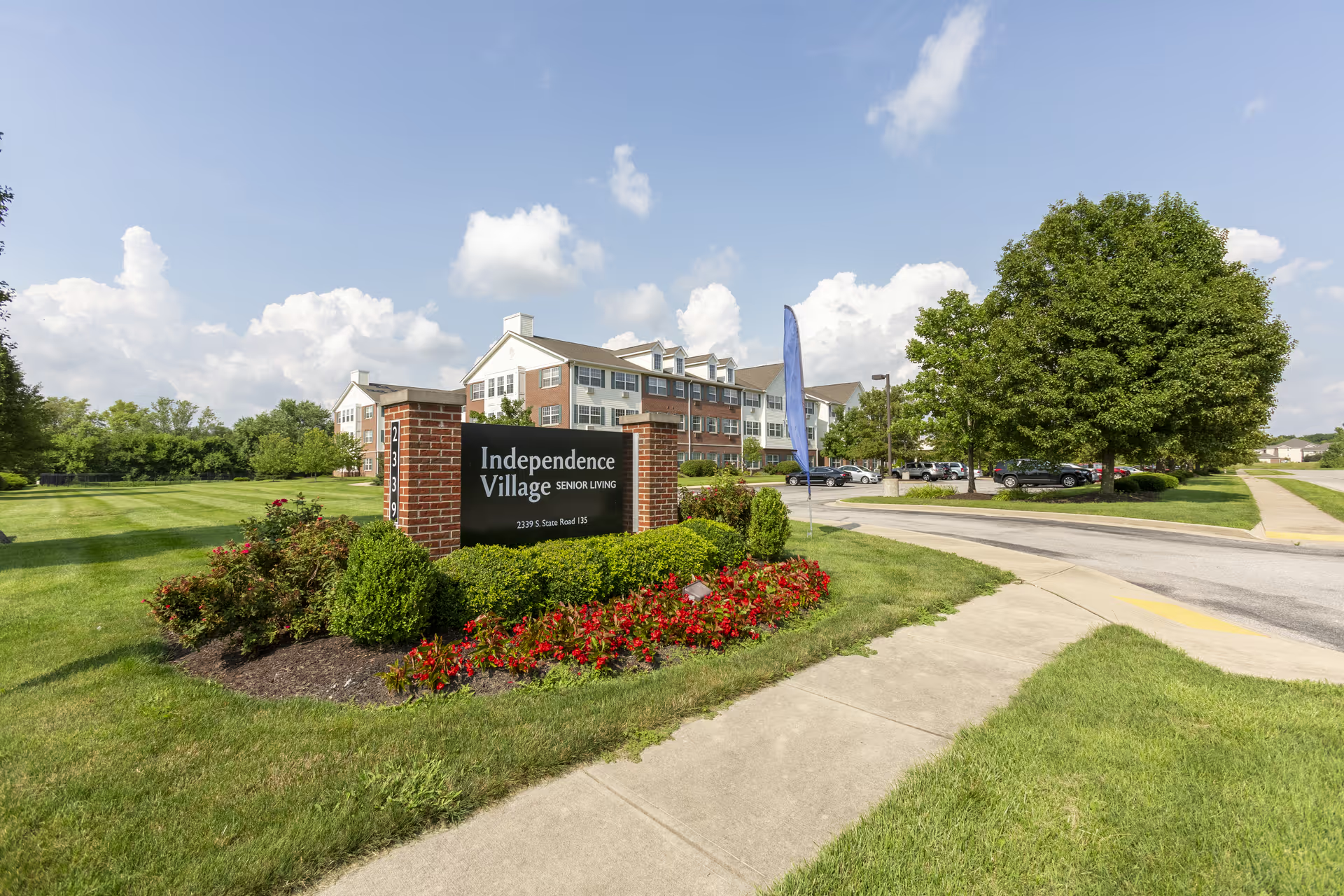
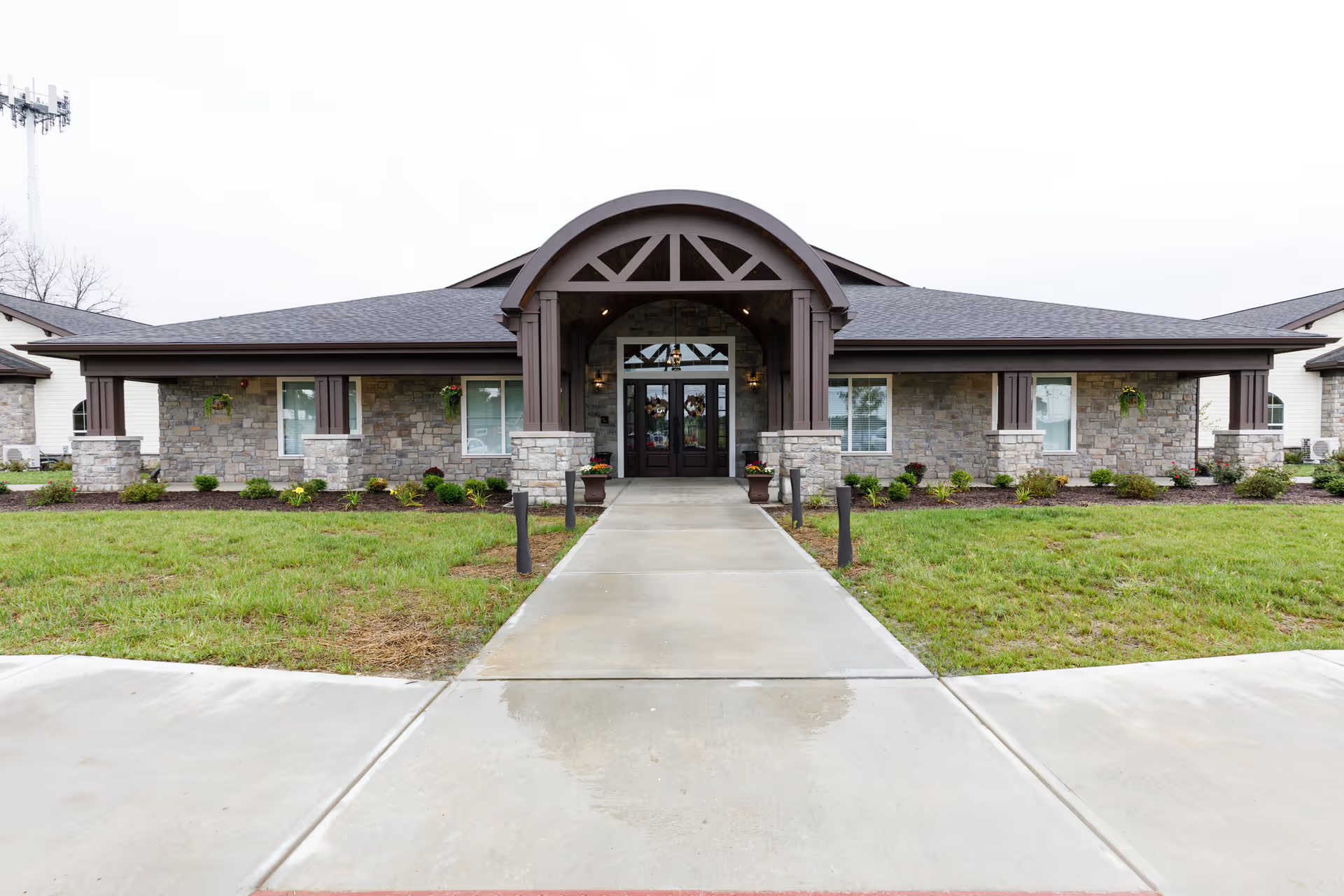
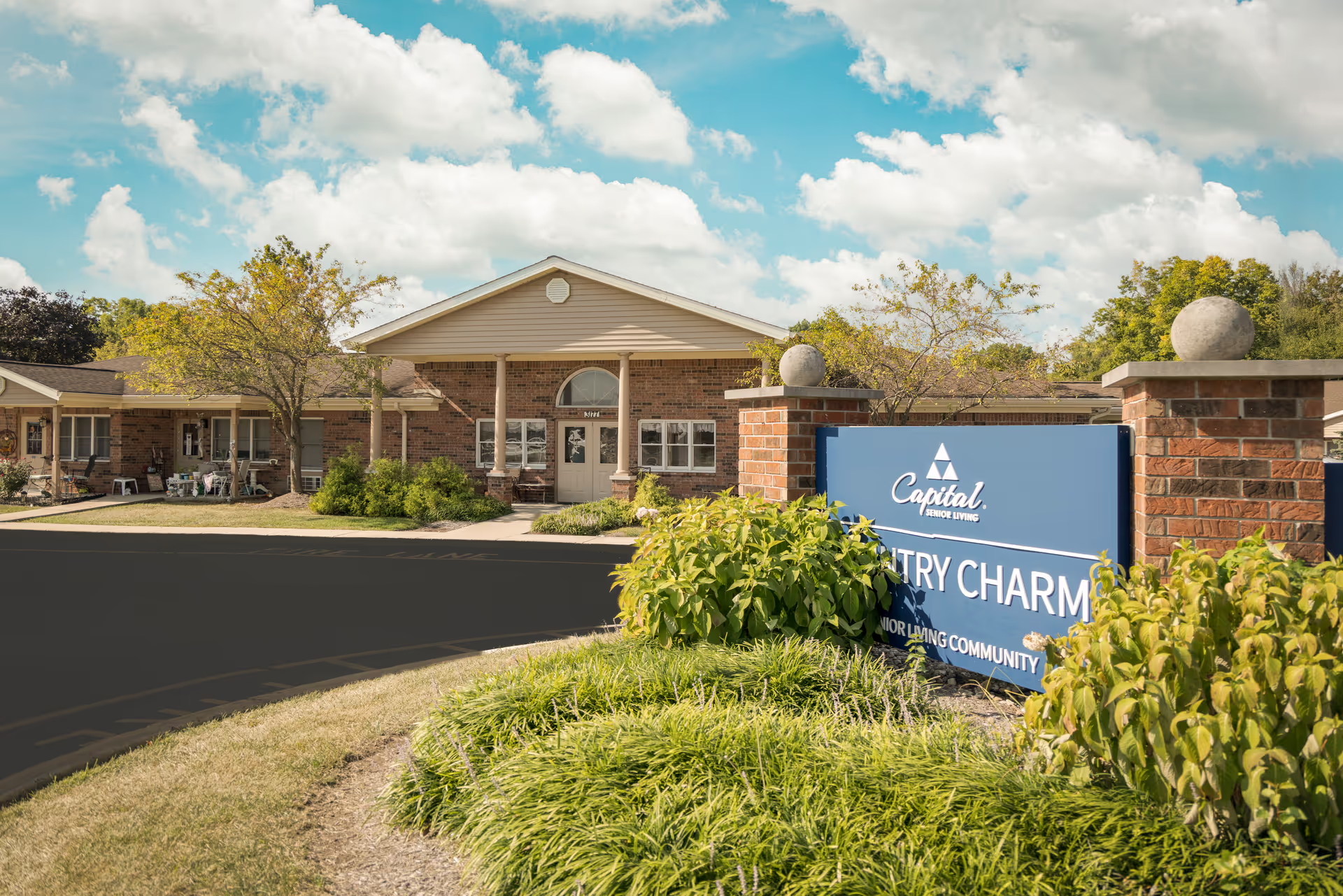
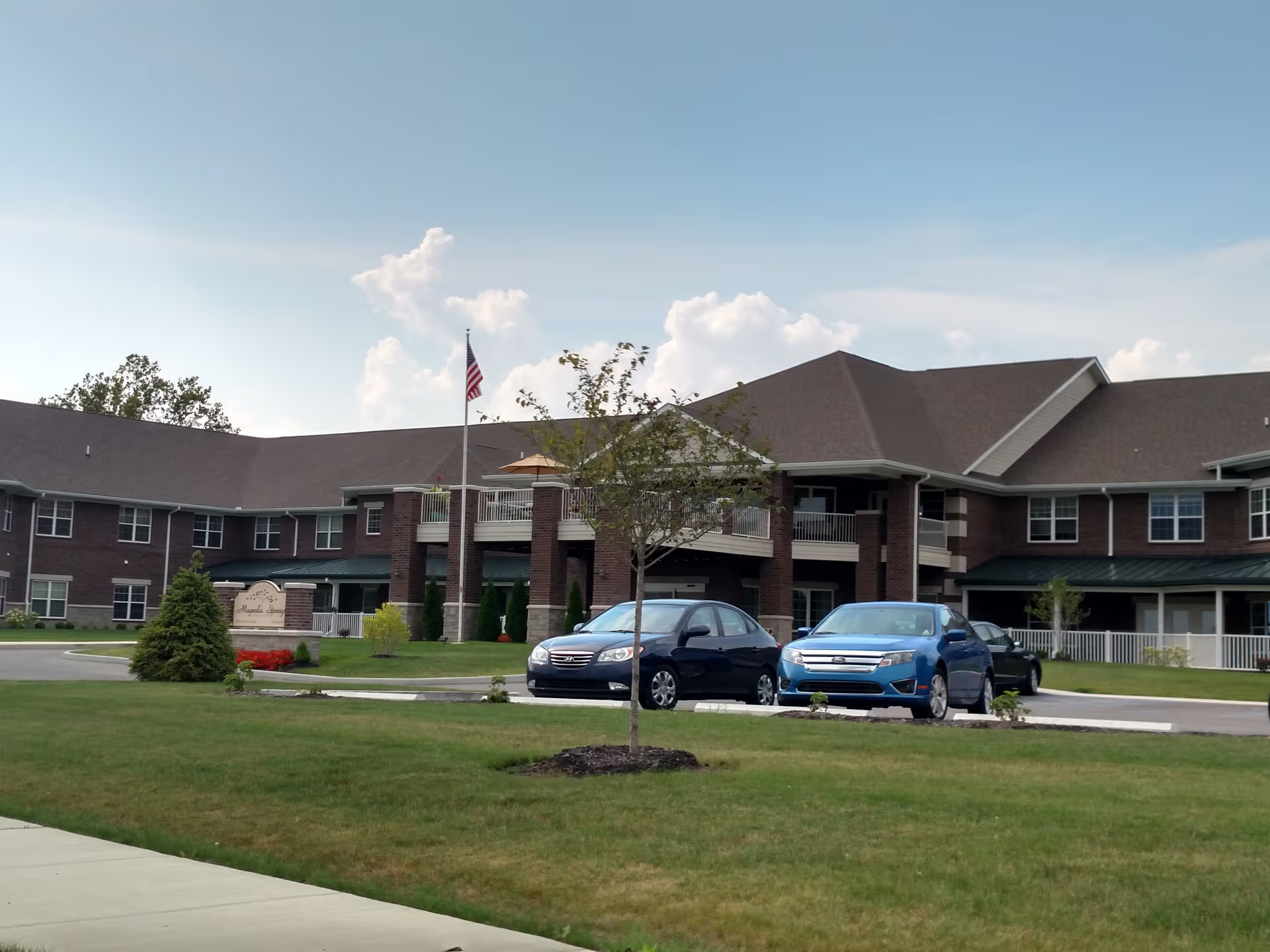
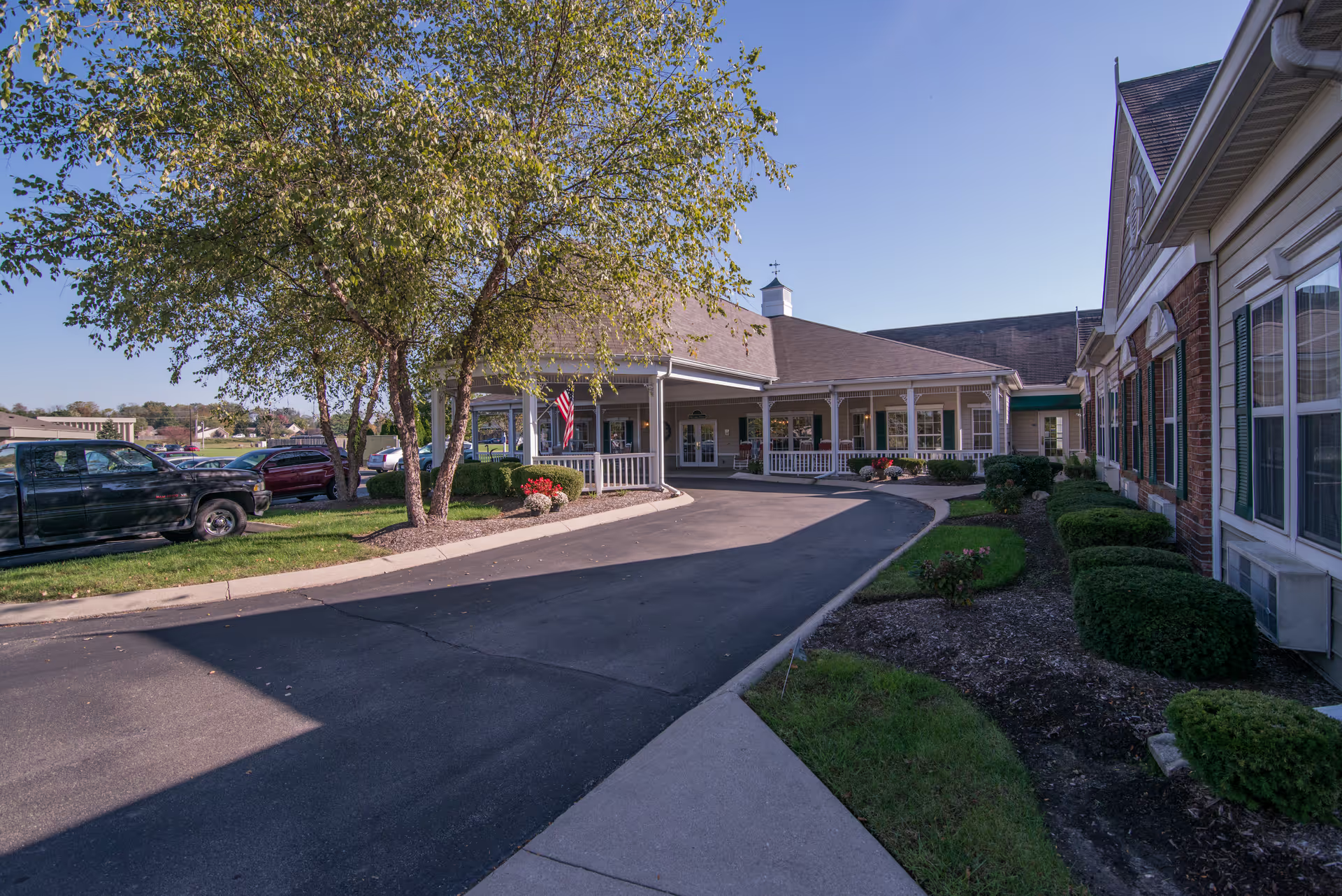
Overall impression: Reviews present a mixed but consistent pattern. The physical plant and many frontline staff receive strong praise: reviewers describe an attractive, hotel-like building, clean interiors, well-appointed apartments with generous storage, and a range of on-site amenities. Several families highlighted a smooth admissions process and helpful administrative or marketing staff. At the same time, a set of operational and clinical concerns recurs across accounts, producing markedly different experiences between admissions and ongoing care.
Care quality and clinical oversight: Direct-care staff are frequently characterized as compassionate, attentive, and capable; individual employees were singled out for positive care. However, other reviews point to systemic deficiencies in clinical oversight and follow-through. Concerns described include delays in addressing incontinence-related needs, questions about infection-prevention and hygiene oversight, and uneven responsiveness to resident health issues. These contrasting observations suggest that care quality may vary depending on unit staffing, specific shifts, or supervisory presence.
Staff and leadership: Staff-level interactions elicit both strong praise and significant criticism. Many reviewers praised caregivers and maintenance personnel as dependable and kind, but others described high turnover, low morale, and a sense that staff are insufficiently supported by leadership. Communication with management is inconsistent: some families found leaders accessible and effective, while others experienced difficulty reaching administrators or encountered unhelpful responses. These patterns point to variability in leadership performance and its downstream impact on staff stability and family confidence.
Dining and activities: Meal quality and variety appear inconsistent. Several reviewers described limited menu options or meals lacking variety, and there are specific concerns about meal service in memory-care areas. Activity programming exists — including outings, movie nights, parties, bingo, and card games — and some residents are engaged and satisfied. Nevertheless, other reviewers described activities as infrequent or not consistently delivered, and some indicated that memory-care residents are not always included in community events. Prospective families should ask about activity schedules and how memory-care residents are integrated.
Facilities and operations: The facility’s aesthetic and housekeeping are frequently praised, and maintenance staff receive positive mentions. That said, operational reliability issues were noted, most prominently recurring elevator outages and inconsistent environmental-services staffing that affect cleaning and common-area upkeep. These operational interruptions can influence daily life and access within the building.
Notable patterns and considerations: The overall picture is one of a facility with a strong physical environment and many dedicated employees, coupled with organizational inconsistencies that can materially affect resident experience. Key themes to explore during a tour include staffing levels and turnover rates, clinical leadership and supervision, protocols for infection prevention and incontinence care, meal plans and memory-care dining arrangements, activity frequency and inclusion policies for memory-care residents, building-systems maintenance procedures (elevator reliability), environmental-services staffing, and clarity around Medicaid acceptance and billing. Asking for recent staffing schedules, examples of staff training, and references from current families may help assess whether the facility’s positive attributes are consistently realized for a prospective resident.