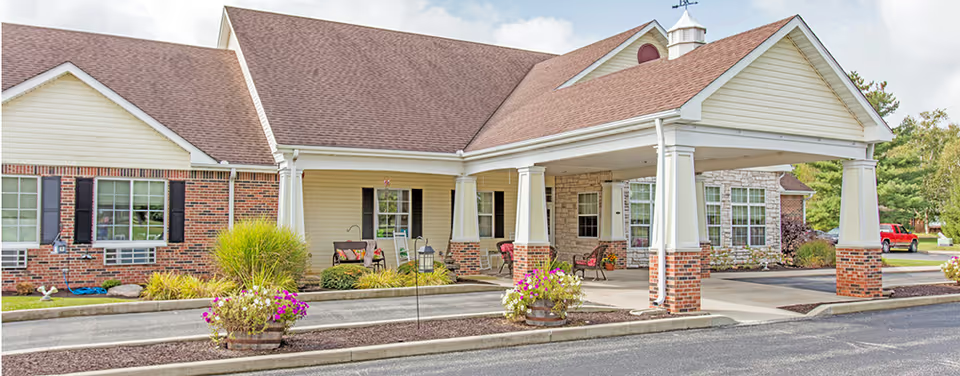
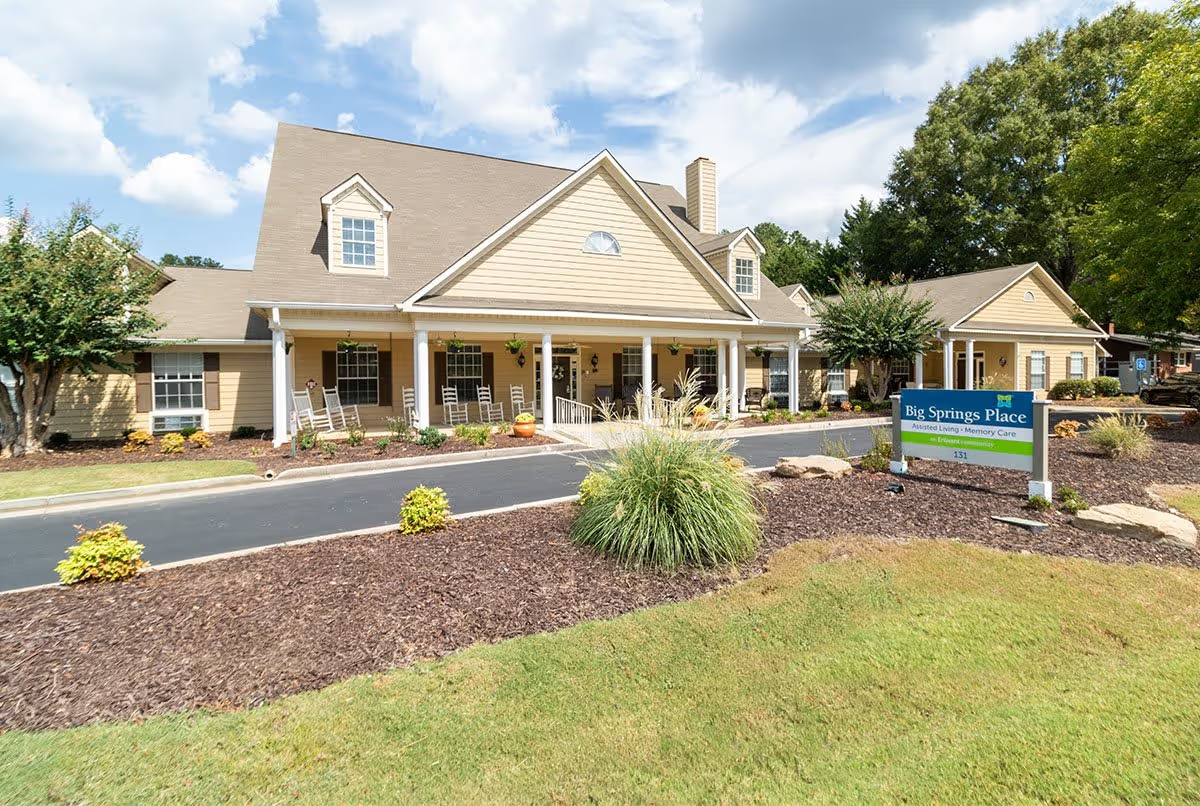
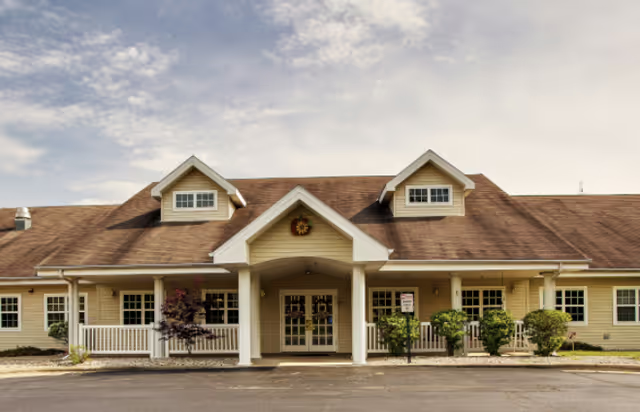
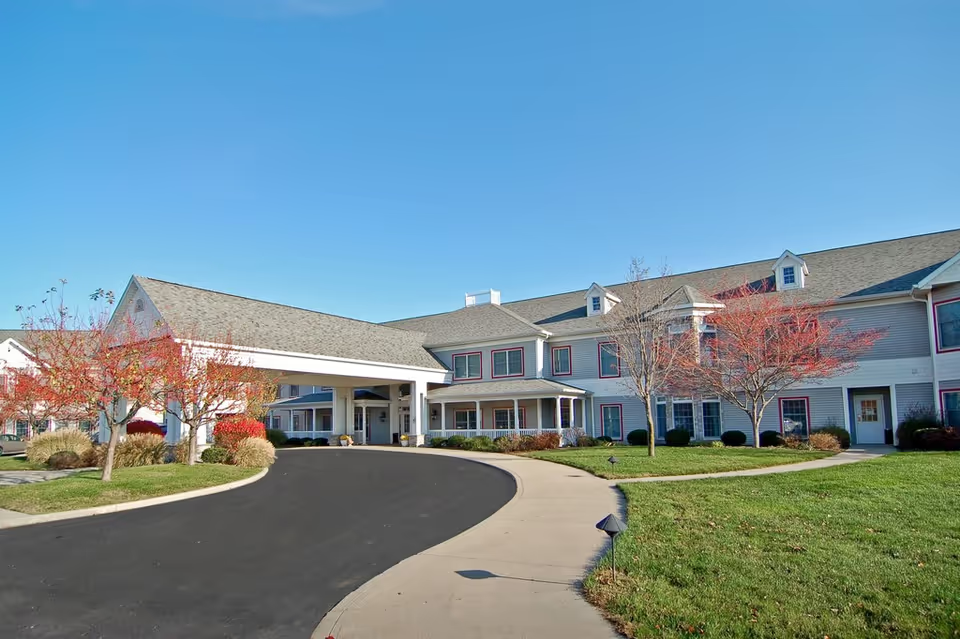
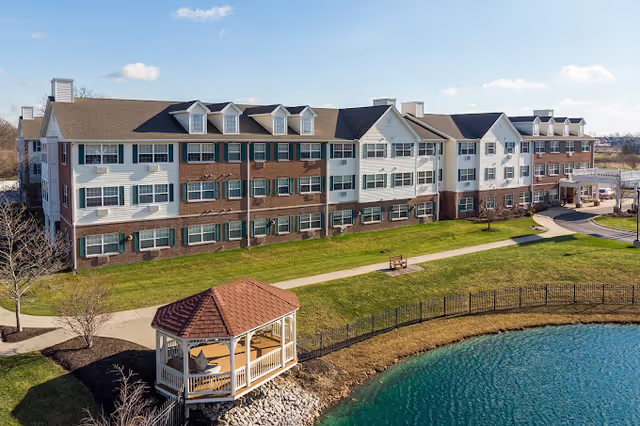
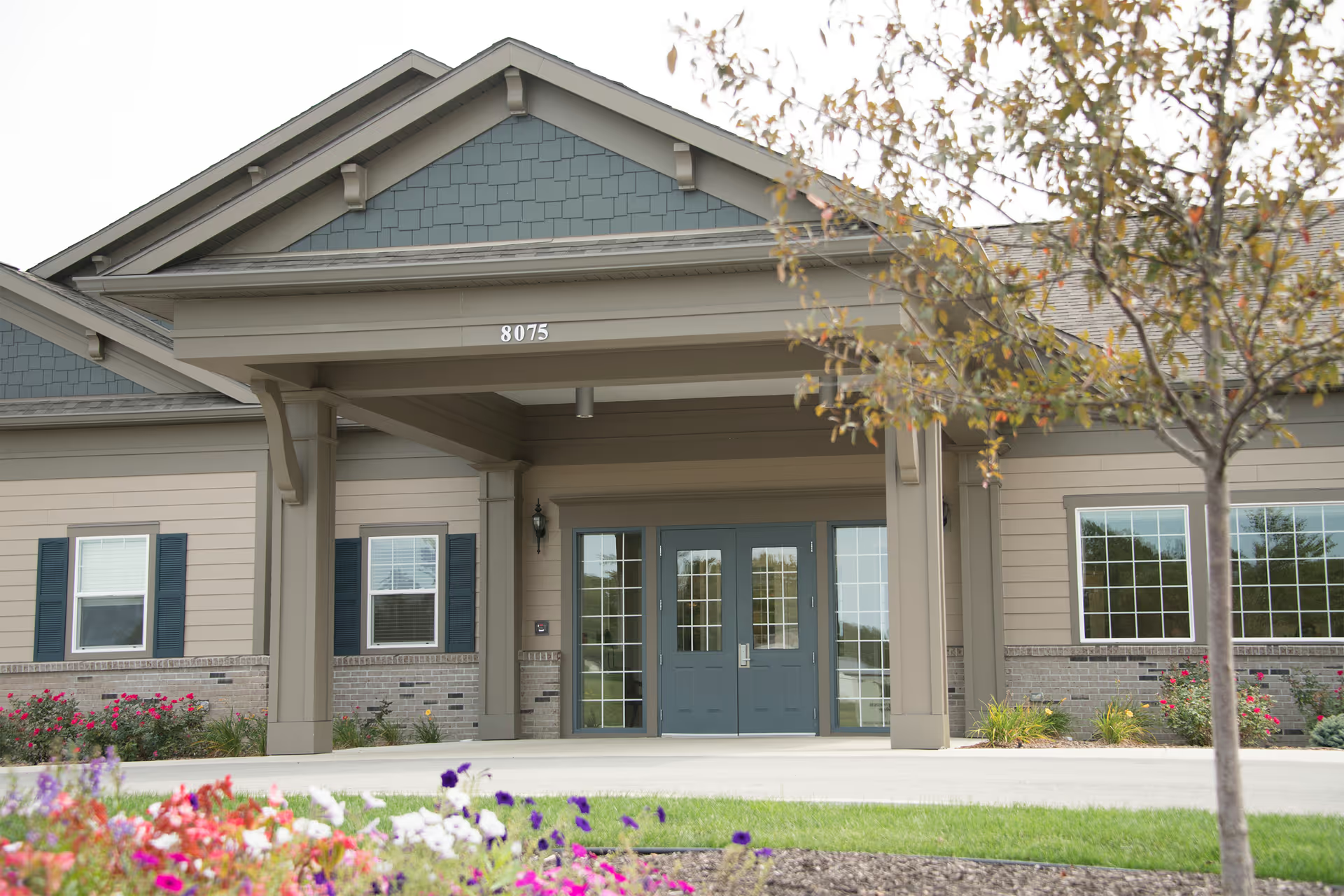
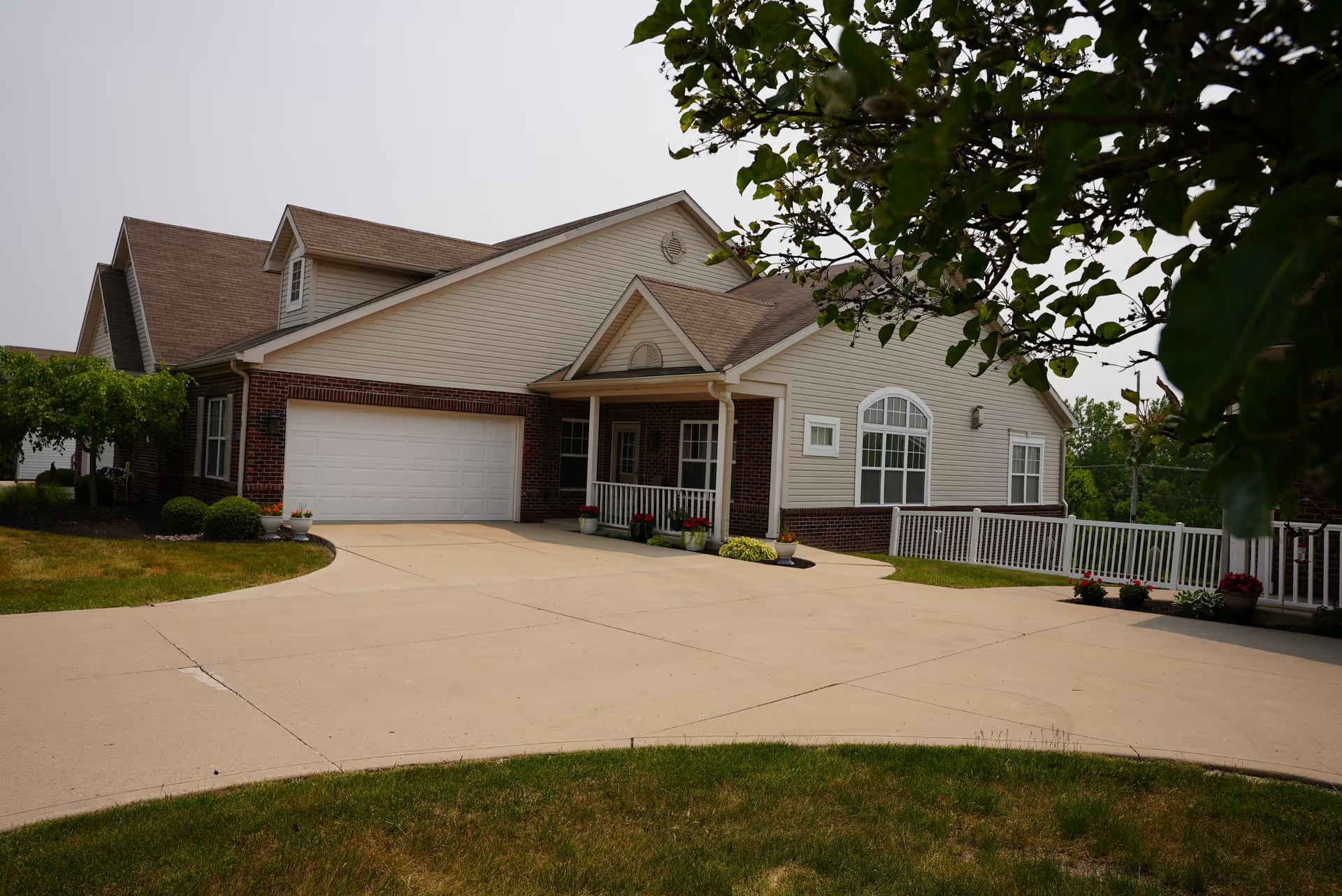
Peabody Retirement Community is consistently described as a physically attractive, full-service retirement campus offering a wide continuum of care — independent living (including duplexes and garages), assisted living, memory care, skilled nursing, and on-site rehabilitation. Reviewers frequently praise the landscaping, light-filled common areas, spacious private rooms, and an overall clean, welcoming appearance. Social programming and engagement are a clear strength: regular activities (cards, bingo, art, outings, spiritual programming), transportation for meals and trips, and frequent family-facing communications (automated messages, daily emails, and social-media updates) contribute to an active resident life.
Care and staffing receive mixed but specific feedback. Many families and residents describe compassionate, attentive caregivers who personalize care plans and go beyond expectations; there are multiple accounts of strong rehabilitative outcomes and supportive end-of-life care. At the same time, reviewers raise facility-level concerns about inconsistent staffing, high employee turnover, and variability in staff performance. Several comments point to management-related issues that affect workplace morale and, by extension, resident experience; summaries include concerns about communication tone and leadership consistency. A small number of reviewers make more serious allegations about management conduct; prospective families may wish to ask leadership directly about staff retention, culture initiatives, and documented grievance resolution processes.
Dining and nutrition are another area of contrast. The dining program has defenders who cite a talented chef and appealing meals, but others note operational problems: slow service, kitchen disorganization, limited lactose-free and diabetic-friendly options, and a desire for fresher fruit and healthier choices. These observations point to inconsistent meal-service execution and limited on-site nutrition oversight; families with specific dietary needs should verify menu accommodations and nutrition support during a visit.
Clinical responsiveness and therapy services also show variation. Some residents report transformative, attentive therapy and good clinical management; others describe delays in responsiveness (including delayed fall-alert responses and slow resolution of clinical concerns) and sub-par therapy experiences. These mixed accounts suggest differences in staff training, shift coverage, or unit-level oversight rather than a uniform standard of practice.
Management, communication, and policies present notable patterns. Communication to families during the COVID-19 pandemic and other events was praised in many cases — clear automated messages and proactive measures were appreciated — yet there are also comments about restrictive visitation policies during infection-control events and uneven enforcement of rules. Prospective residents and families should discuss visitation flexibility, emergency-response procedures, and how the facility balances infection control with family access.
In summary, Peabody offers a strong physical environment, a broad scope of services, active programming, and many examples of compassionate care. However, the facility exhibits operational variability in staffing consistency, management culture, meal-service reliability, and therapy quality. Visitors should tour the campus, meet unit leadership, review staffing patterns and turnover data, inquire about dietary accommodations and nutrition services, and ask for examples of how the facility addresses staff performance and family concerns to determine whether it aligns with their priorities.