The reviews for this nursing and rehabilitation center are highly mixed, producing a polarized picture. Many families and residents describe a warm, family-like culture driven by a core of committed caregivers and an effective therapy team; others report operational shortcomings that raise concerns about consistency of care, cleanliness, and administrative responsiveness. These patterns suggest the facility can provide strong short-term rehabilitation and attentive long-term support for some residents, while also presenting variability that warrants close evaluation by prospective families.
Care quality and staff: A recurring strength is the interpersonal quality of direct-care staff. Numerous comments praise compassionate CNAs, nurses, and therapy personnel who provide personalized attention, frequent updates, and emotional support. Several reviewers singled out specific employees for exceptional care and said clinical orders were followed and medical needs were met. At the same time, other accounts describe inconsistent responsiveness, delays in routine hygiene and toileting care, and concerns about skin-care and wound prevention. Staffing variability appears to be a central driver of this inconsistency: when staffing and supervision are adequate, families note good outcomes; when staffing falls short, delays and care-quality lapses are more likely.
Rehabilitation and therapy: Rehabilitation services are commonly cited as a core strength. Reviewers frequently describe an effective, teamwork-oriented therapy department that produced positive short-term rehab outcomes and good communication about progress. There are, however, comments about inconsistent therapy follow-through in isolated cases, which suggests that therapy results may depend on individual care plans and staff continuity.
Dining and activities: Opinions on dining are mixed. Some residents enjoyed the meals and portioning, while others described small portions and inconsistent food quality. Activities and social programming receive consistently positive feedback—families report meaningful engagement, a range of activities, and a generally homelike atmosphere in communal and memory-care areas. These programming strengths are often described as improving resident quality of life and social connection.
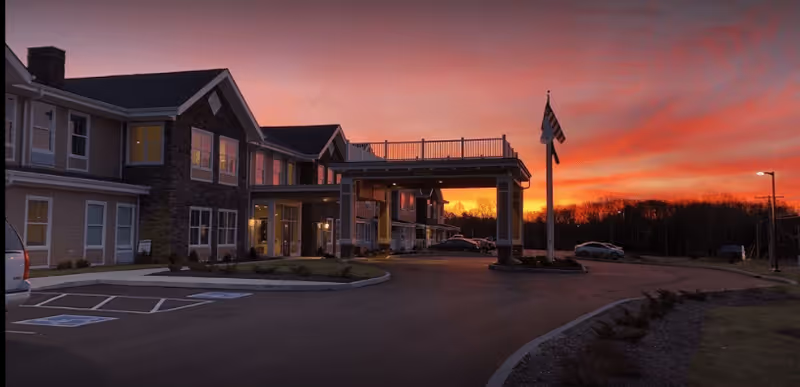
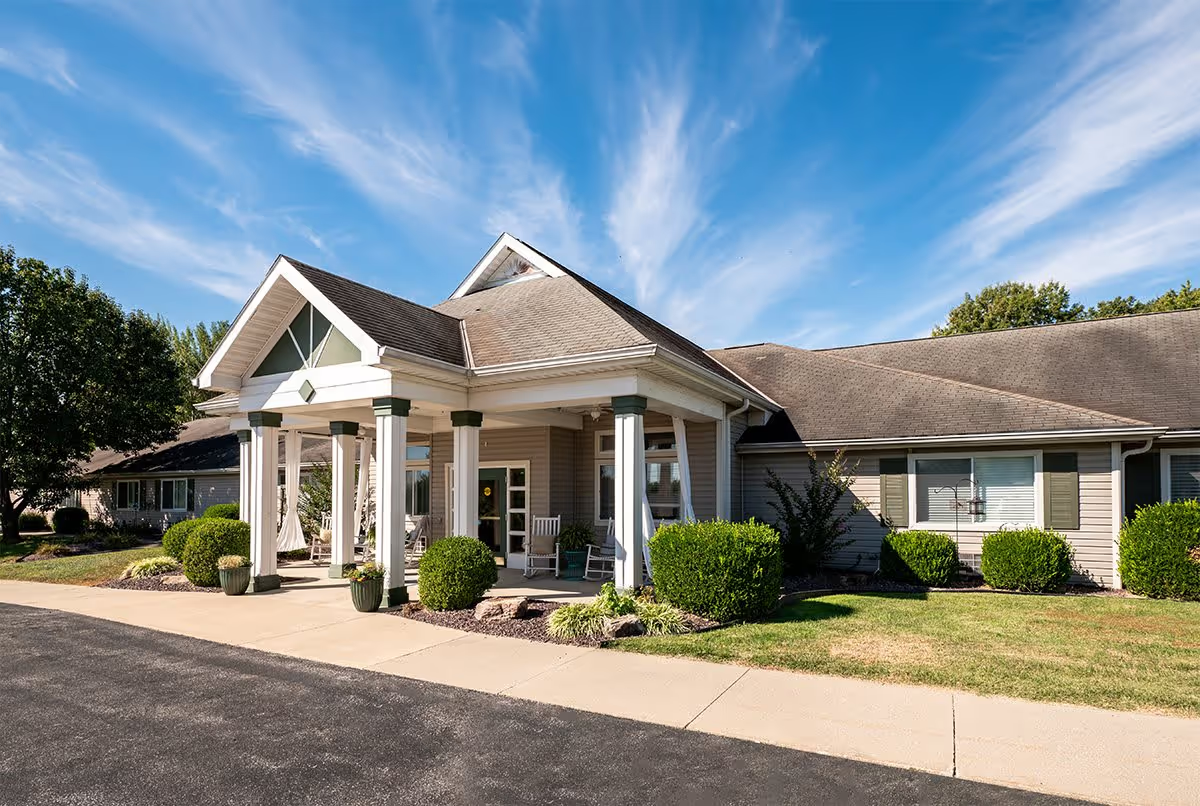
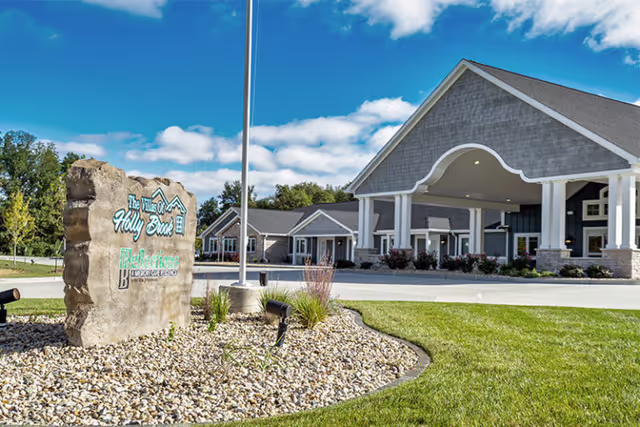
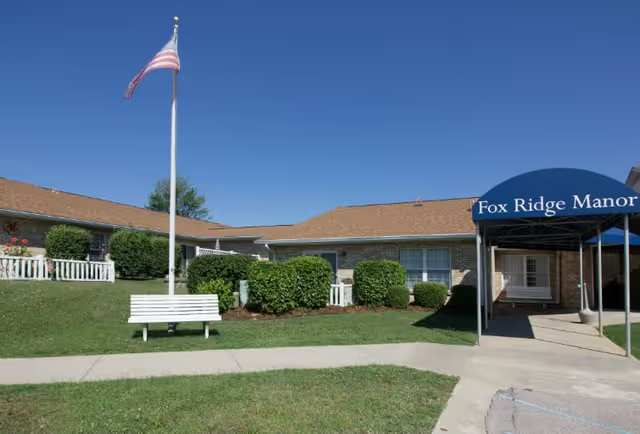
Facilities and cleanliness: Several reviewers appreciate comfortable resident rooms and a homelike memory-care cottage. Conversely, some reviews raise sanitation and odor concerns in certain areas and characterize the facility as outdated in places. These comments point to uneven environmental upkeep and maintenance priorities across the campus rather than a uniformly modern or uniformly neglected facility.
Management and administrative concerns: Management impressions are polarized. Some families commend admissions staff and local management for being communicative and helpful. Other reviews criticize administrative professionalism and communication tone, and describe disputes over placement decisions, insurance coverage, and employee-claims handling. There are also a small number of serious allegations, including concerns following a resident's death and injuries during care; these assertions are not presented as systemic proof but highlight the need for careful review of incident history and regulatory records.
Notable patterns and recommendations: The facility shows clear strengths in compassionate caregiving, rehabilitation capability, family communication, and activity programming. Counterbalancing those strengths are recurring operational issues: inconsistent staffing, variable sanitation and hygiene practices, food-quality variability, and occasional management and employee-relations problems. Prospective residents and families should consider in-person tours, review recent inspection and incident records, meet therapy and nursing leaders, and ask specific questions about staffing ratios, skin-care/wound-prevention protocols, and incident-notification procedures to determine whether the facility’s current practices align with their needs.