Reviews present a mixed but clear pattern: the facility receives consistent praise for its person-centered caregiving, successful short-term rehabilitation offerings, and active programming, while families also describe operational weaknesses that affect clinical consistency and family confidence. Many families highlighted compassionate nurses and aides, effective physical and occupational therapy, appealing communal spaces, regular meals, and an activities program that includes outings and outdoor time. For prospective residents seeking short-term rehab or respite stays, several accounts describe good functional outcomes and attentive rehabilitation teams.
At the level of clinical care and daily assistance, several reviewers described delays in personal-care responsiveness (particularly for bathroom help) and uneven adherence to care plans. There are repeated concerns about medication oversight — including inadequate review or monitoring of side effects — and specific references to wound-care coordination failures and infection follow-up lapses. These clinical-process gaps were described as contributing to adverse outcomes in isolated instances; such serious claims warrant direct verification with the facility and review of regulatory/inspection records.
Staff performance is described in largely positive terms regarding compassion and individualized attention, but staffing patterns appear inconsistent. Multiple accounts cite short staffing, especially during evenings, which correlates with delayed assistance and variable service quality. Communication lapses between staff and families, occasional dismissive interactions, and uneven conduct in dining services were also noted. A few reviewers indicated gaps in front-line clinical knowledge about medications, suggesting a need for stronger staff training or protocol reinforcement.
Dining and activities are relative strengths: reviewers frequently mention nutritious-looking meals, a three-meal schedule, an active activities director, and regular resident outings. These elements contribute to resident engagement and family satisfaction in many cases.
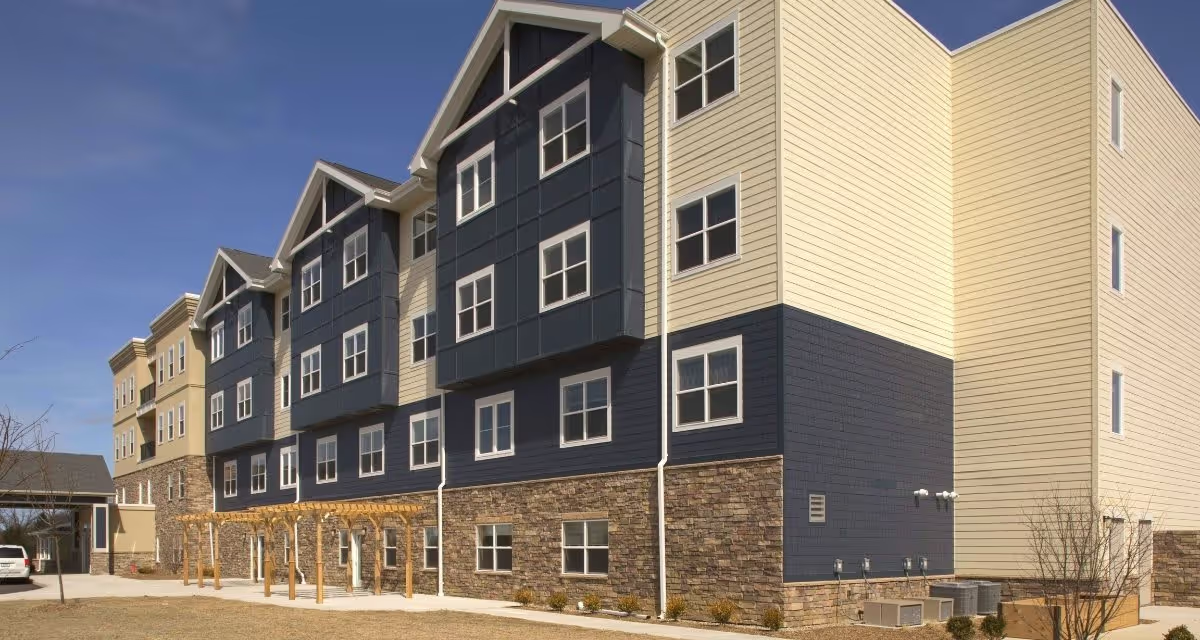
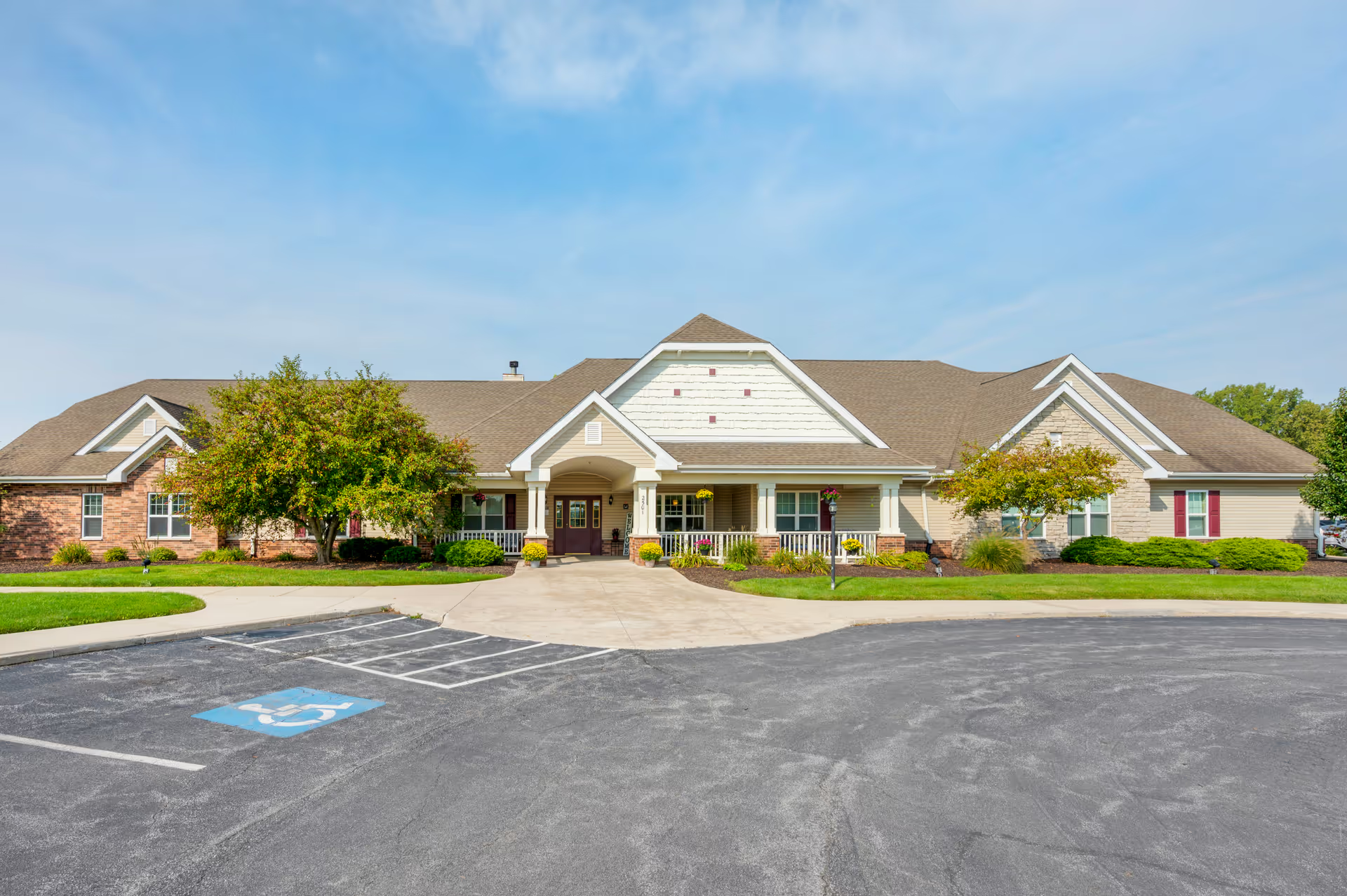
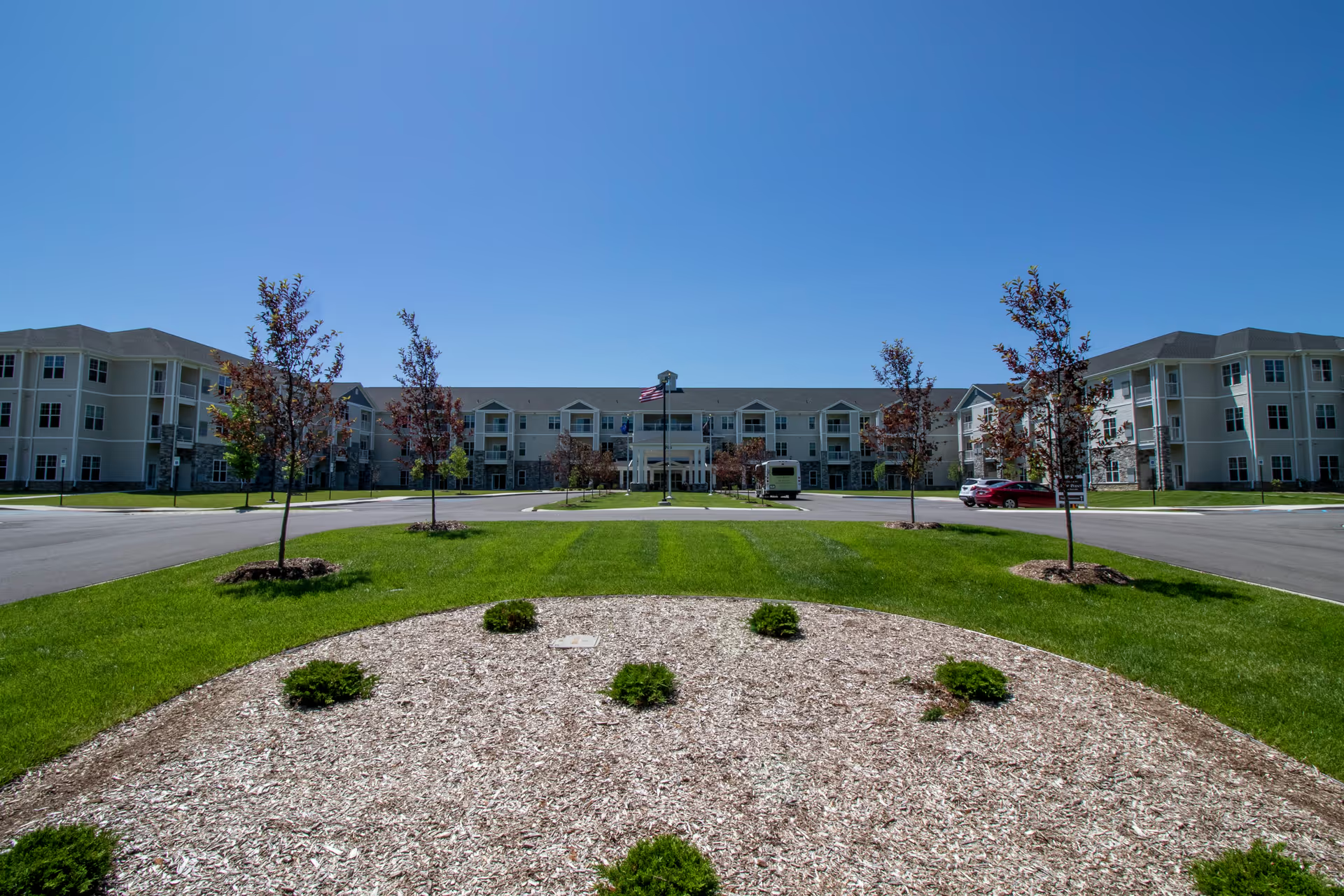
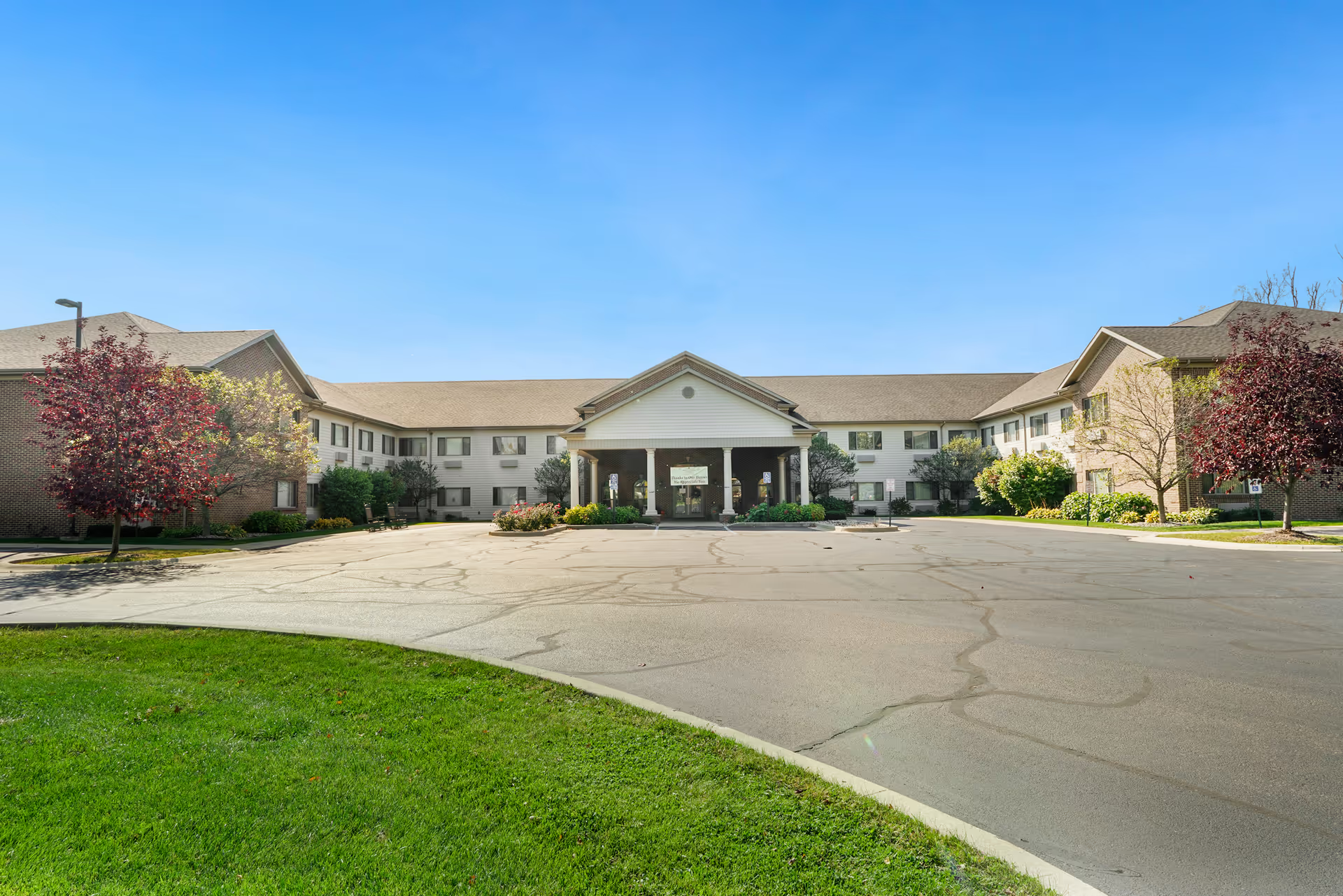
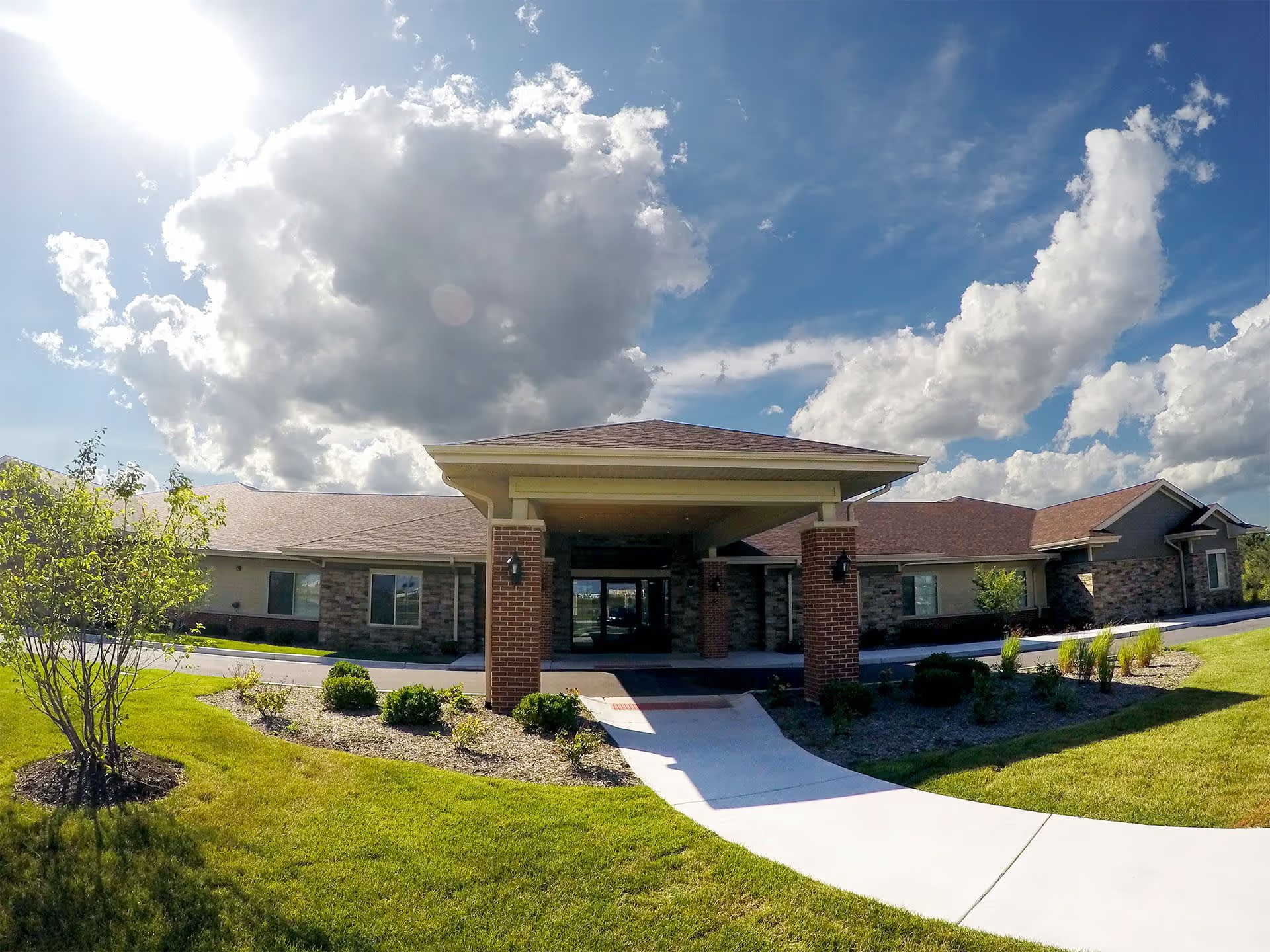
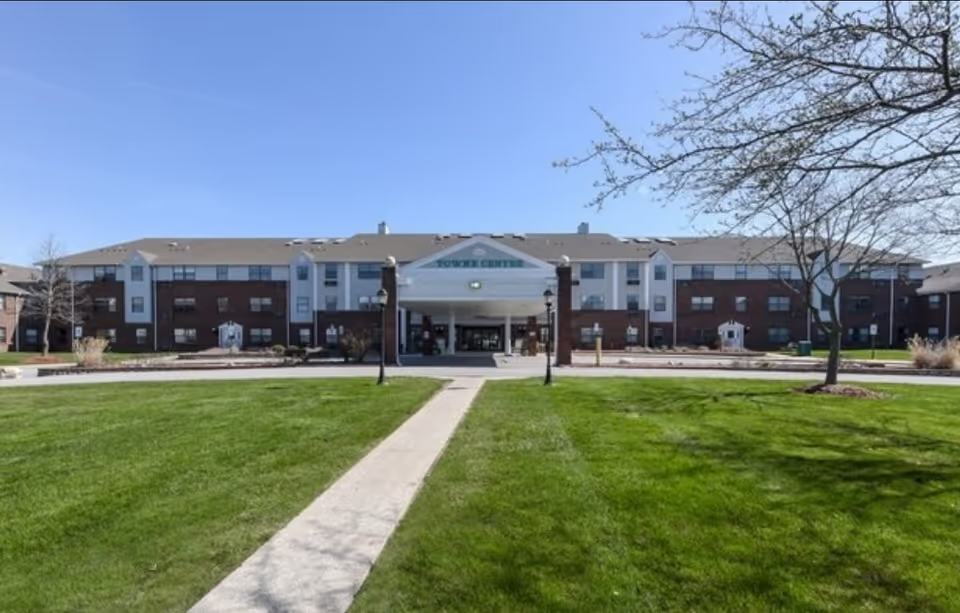
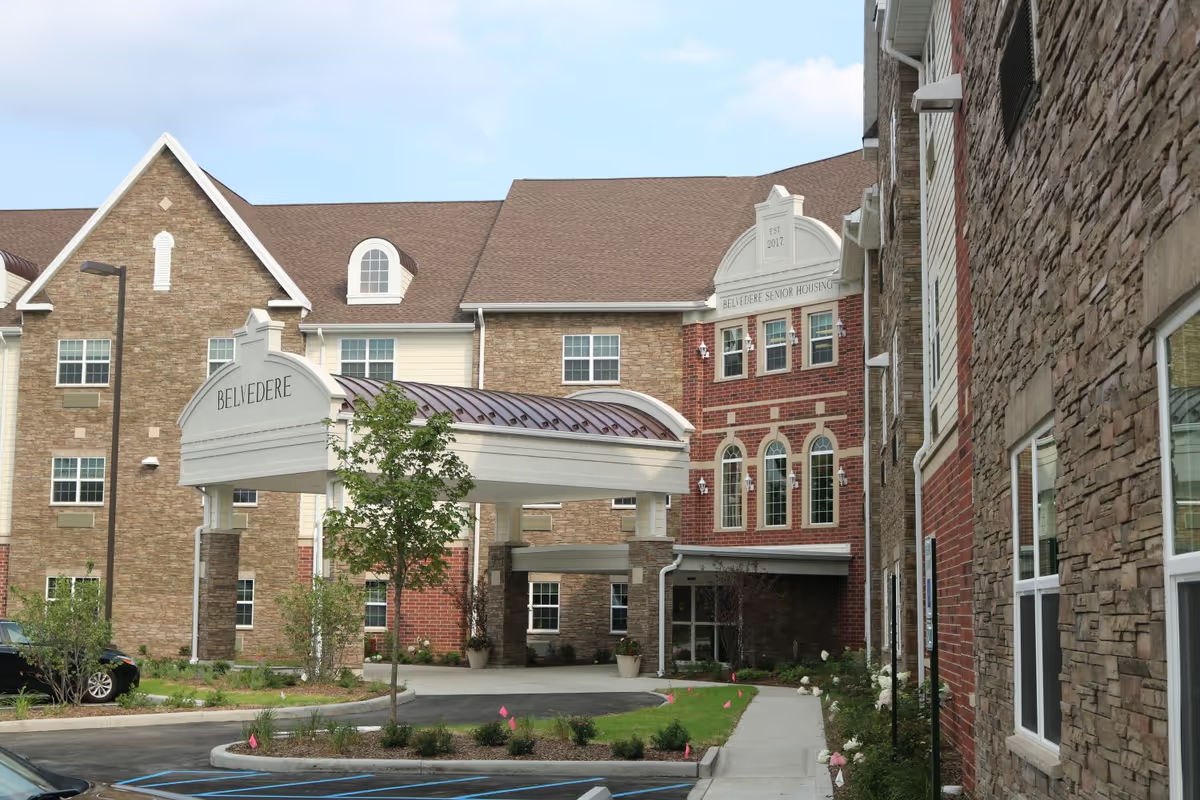
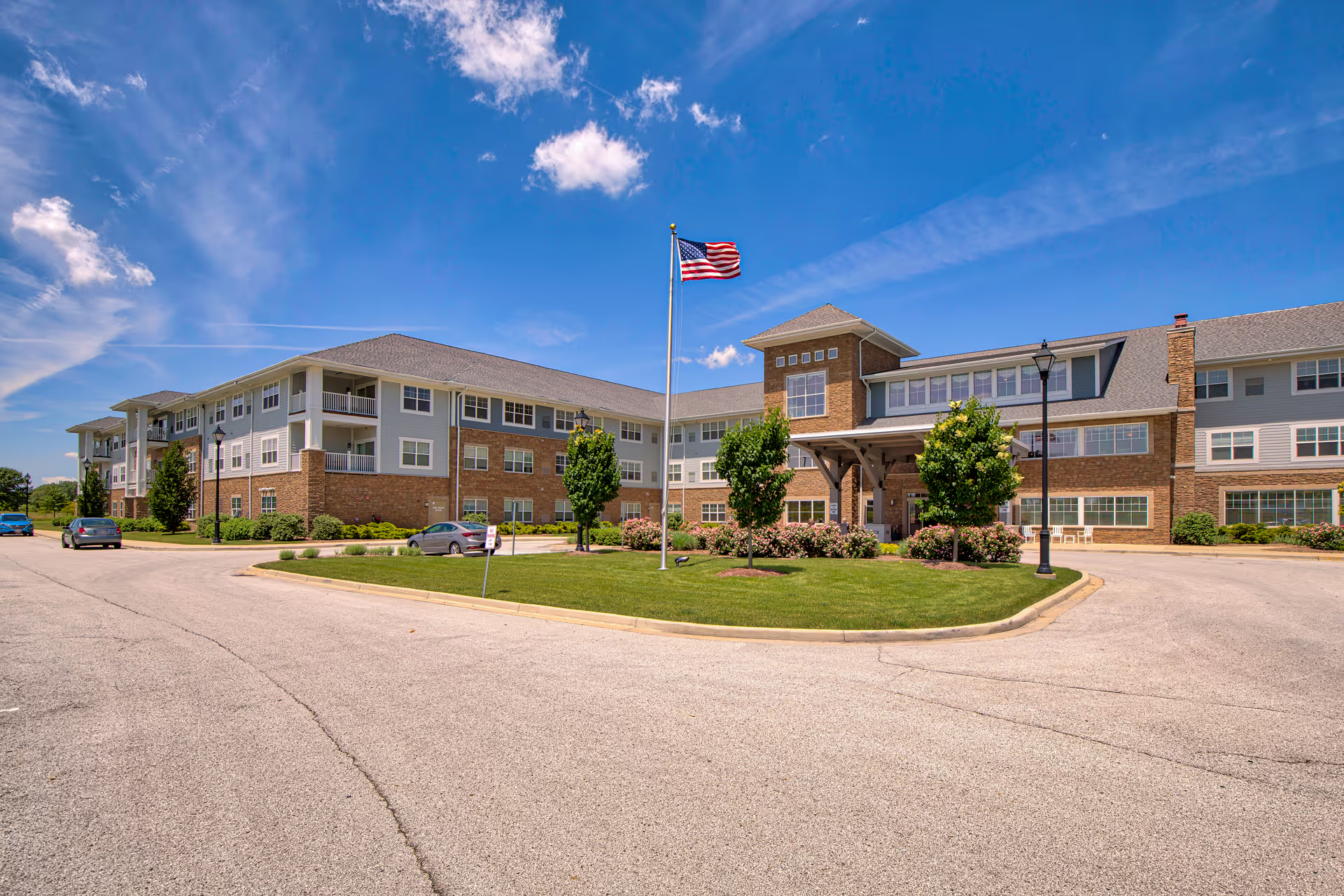
Facility and administrative issues emerge as another theme. The building and grounds are often described as attractive and clean, though some areas appear dated and certain bathrooms have accessibility limitations. Operational weaknesses include inconsistent handling of personal belongings, unclear or conflicting information about insurance/Medicare ratings, occasional billing or discharge-planning disputes, and reports of restrictive admission or removal practices. A small number of reviews contain serious allegations regarding staff conduct and discharge decisions; these appear to be individual but significant and should be investigated by families considering placement.
For families evaluating this provider: weigh the facility’s demonstrated strengths in rehabilitation, activities, and compassionate caregiving against its operational and clinical consistency concerns. Recommended pre-admission steps include touring during different shifts, asking for staffing ratios and wound-care/medication protocols, requesting recent inspection and Medicare quality reports, clarifying billing and discharge policies in writing, and speaking with current families about responsiveness and communication. These targeted inquiries can help determine whether the facility’s positive attributes align with a prospective resident’s clinical and oversight needs.