Overall impression: Reviews present a predominantly positive picture of routine care, rehabilitation, and social programming at this facility, balanced by intermittent operational and environmental concerns. Many families and short-stay residents described respectful, attentive nursing and aide support and credited the therapy team with meaningful rehabilitation outcomes. At the same time, reviewers raised concerns about several facility-level areas that can affect quality of life and safety.
Care quality and clinical operations: Clinical care is frequently described as compassionate and resident-focused. Nursing staff, CNAs, and therapists receive repeated praise for attentiveness, individualized care, successful rehab outcomes, and dignity in interactions. Several families highlighted strong end-of-life support and follow-up communications. However, there are recurring operational issues: reviewers flagged delays in medication administration and difficulties coordinating medications supplied through external systems (for example, VA access), and there are patterns indicating gaps in transfer and fall-prevention practices. A few serious individual safety concerns were alleged; these accounts suggest the facility should prioritize review of incident-response and fall-prevention protocols.
Staff and management: Staff members at multiple levels — admissions, front desk, social work, activities, and clinical — are singled out by name for helpfulness and responsiveness. Management and specific team members were described as accessible and family-oriented, and admissions staff were noted for facilitating smooth transitions. That said, reviewers also described variability in staff continuity and professional demeanor: turnover during initial transitions and inconsistent conduct among some aides and nurses were noted as contributors to uneven experiences.
Dining and nutrition: Dining impressions are mixed. Several reviewers praised homemade meals, generous portions, special events (desserts, holiday foods), and capable kitchen staff who prepared palatable pureed diets for residents with dental or swallowing needs. Conversely, other accounts described subpar meals and inconsistent food satisfaction. There are also mentions of gaps in accommodating residents with denture or oral-dining needs, indicating the meal-accommodation process may be inconsistent.
Activities and social environment: The activities program is consistently identified as a strength. Reviewers referenced regular programming (bingo, crafts, holiday events, spiritual services), family-involving events, and staff who create individualized social time for residents. These offerings appear to contribute positively to resident morale and family satisfaction.
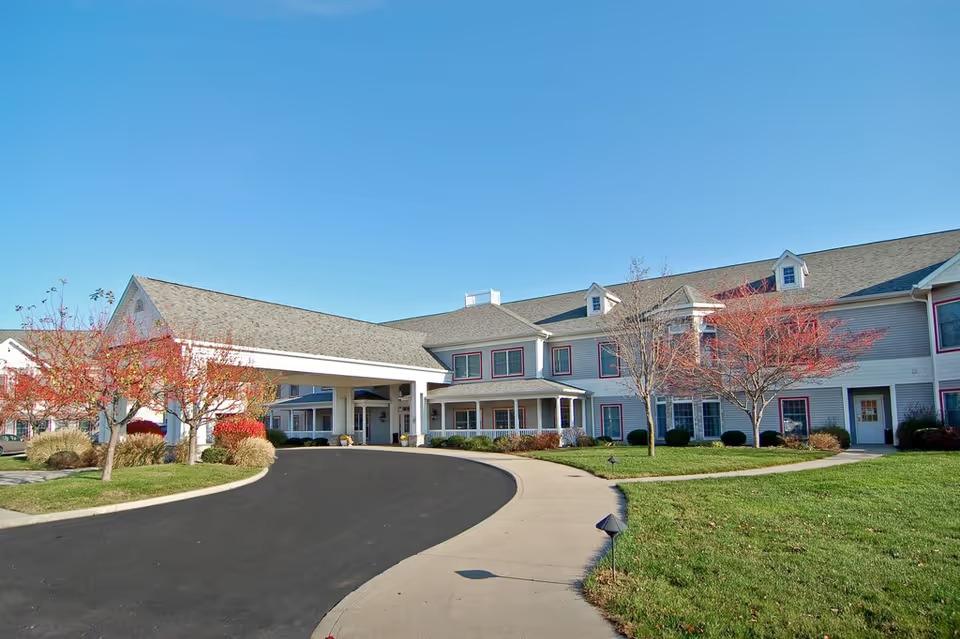
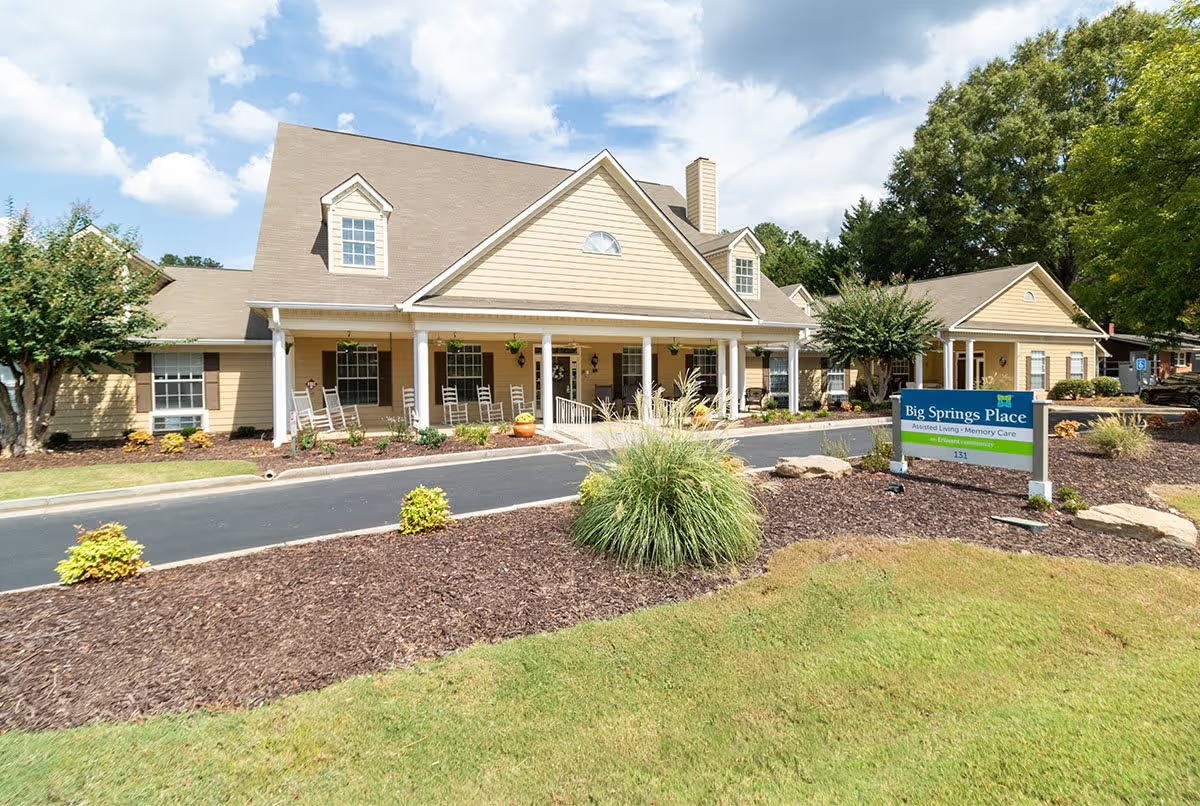
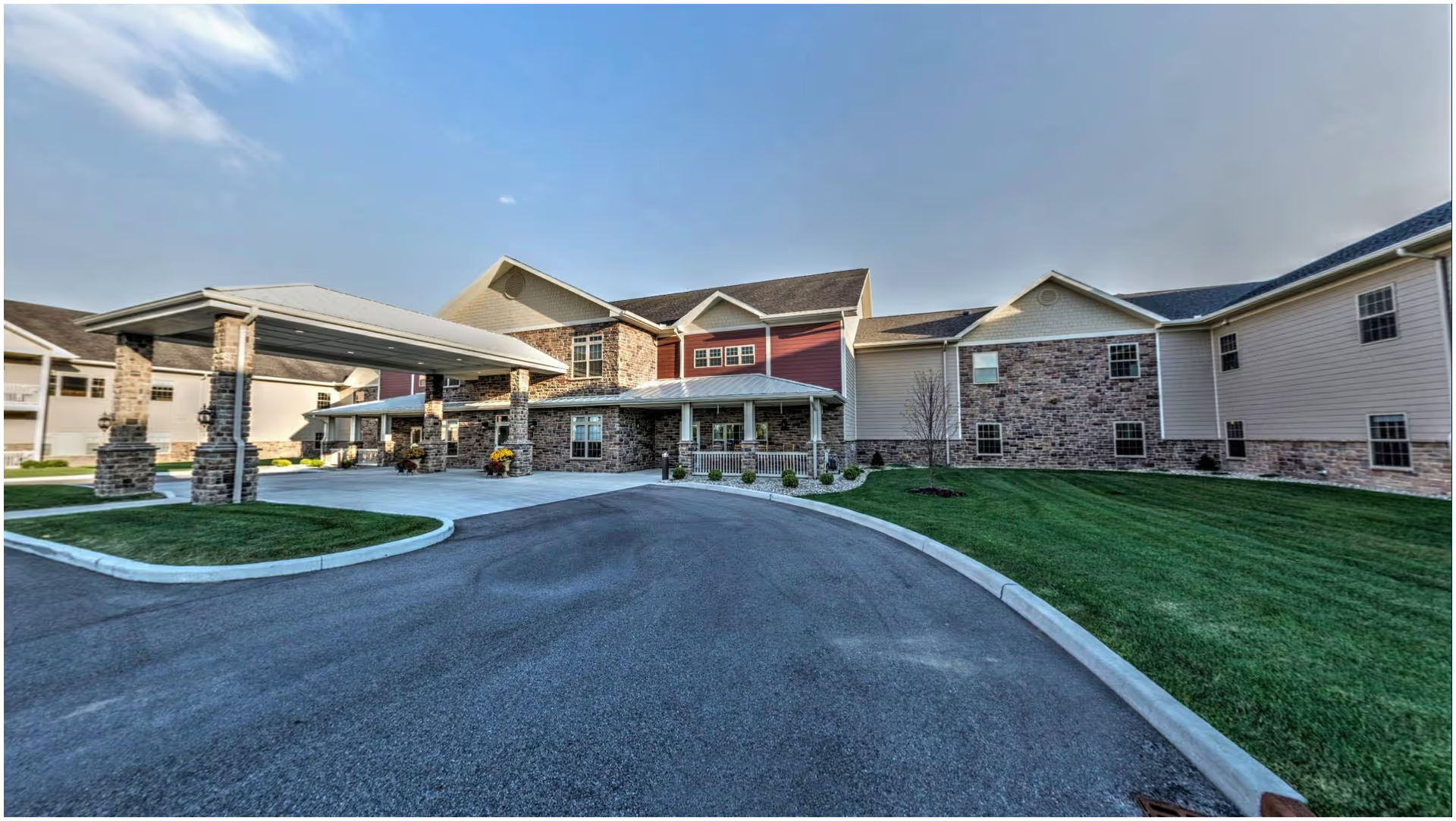
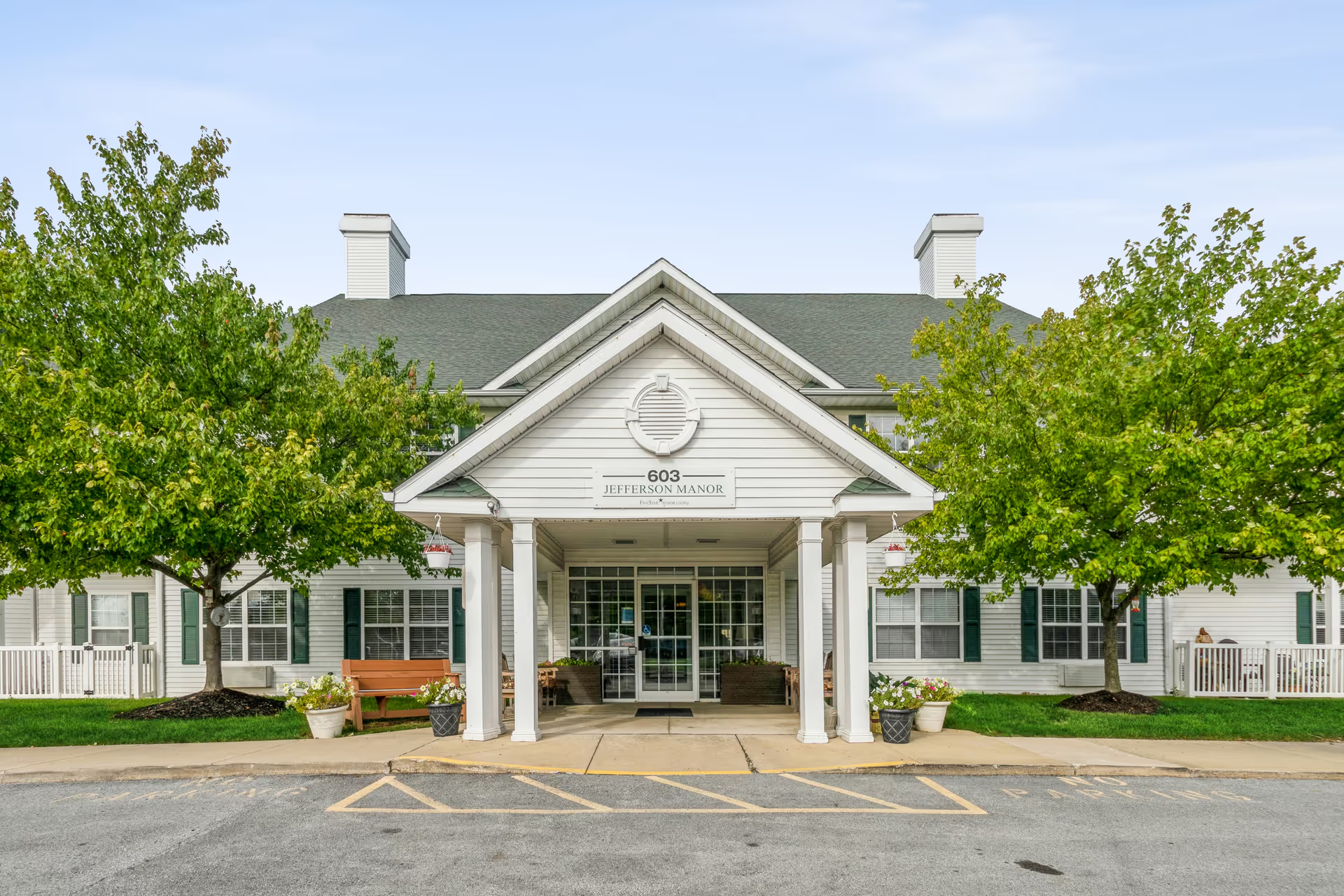
Facilities and housekeeping: Common areas, a grand lobby, and a newly opened therapy wing receive positive comments; many reviewers found the facility clean with strong infection-control practices. However, maintenance issues and localized odor concerns were raised for some areas, along with isolated pest-control and housekeeping inconsistencies. Noise sources (elevators/lifts and roommate noise) were also cited as factors that can disrupt resident comfort and sleep.
Notable patterns and recommendations: The dominant narrative is one of strong, compassionate care and effective rehabilitation for many residents, supported by an engaged activities program and responsive admissions/social-work staff. Counterbalancing this are operational inconsistencies — food quality, housekeeping, medication administration, and safety-transfer practices — that appear to vary by unit, shift, or time. Prospective residents and families should weigh the facility's clear strengths in therapy, social engagement, and individualized attention against these operational variability areas. For families considering placement, recommended questions for management include: staffing continuity and turnover rates, medication-administration procedures and external-medication coordination, fall-prevention and transfer protocols, and housekeeping/pest-control schedules for the specific unit of interest.