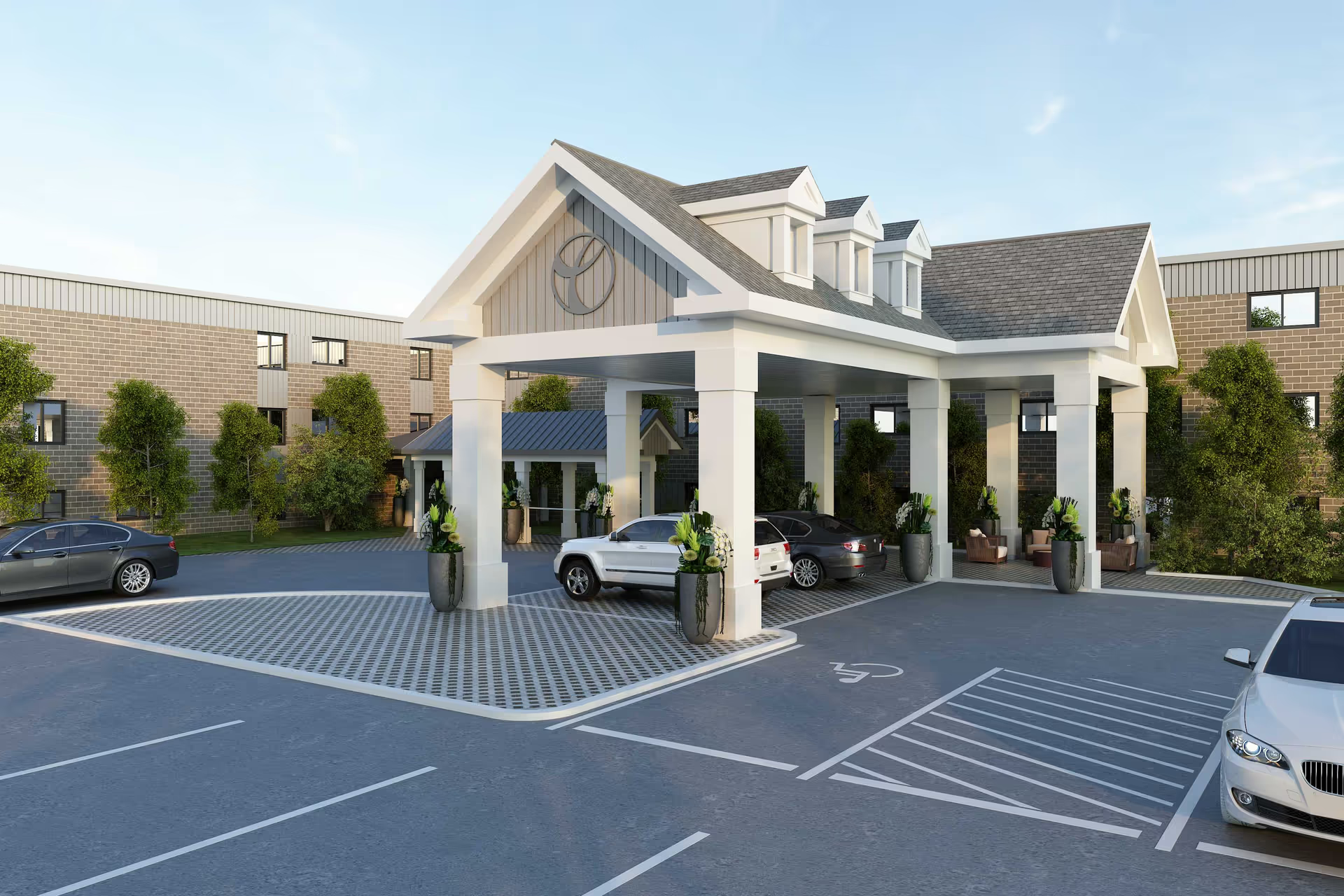
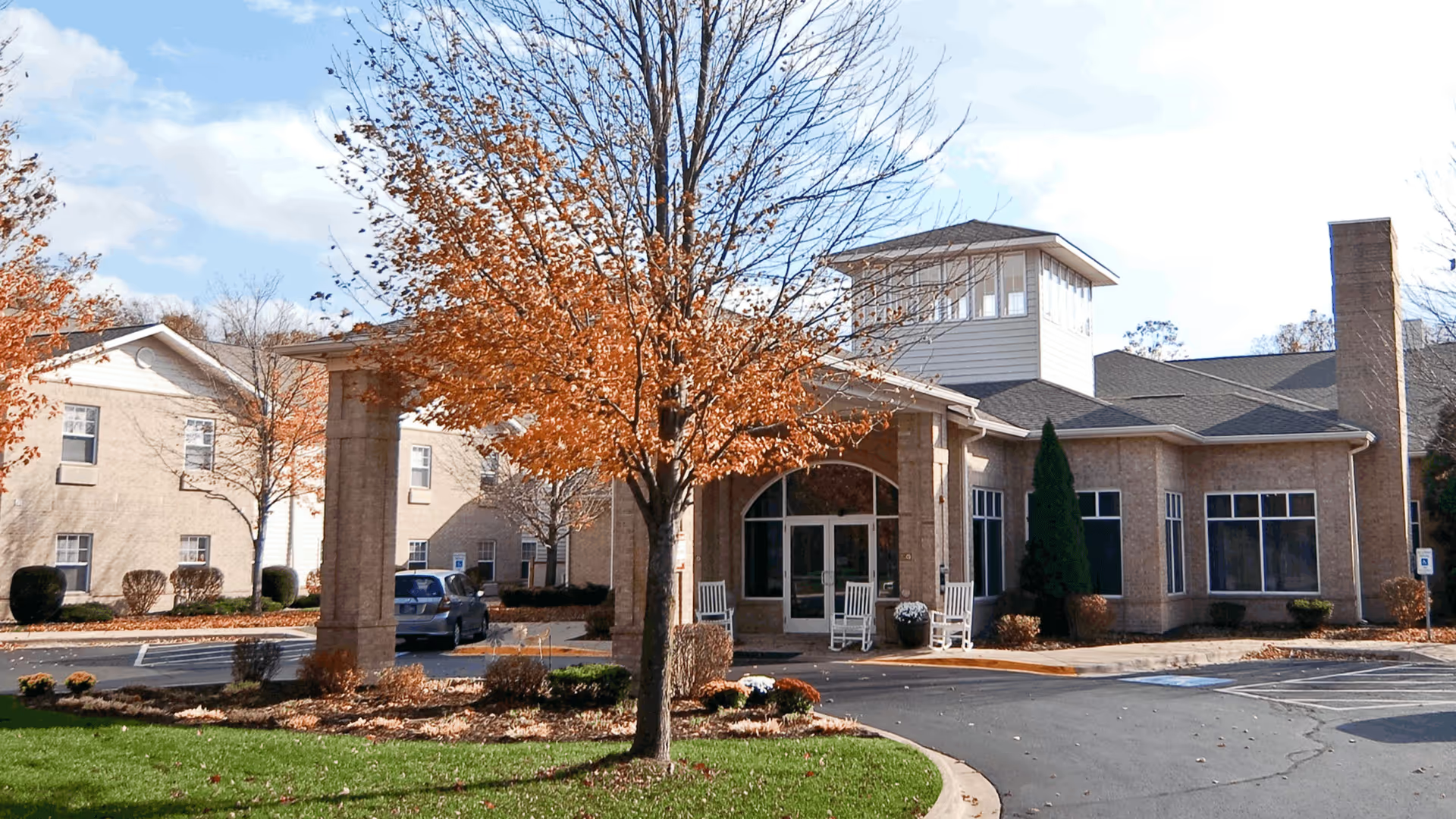
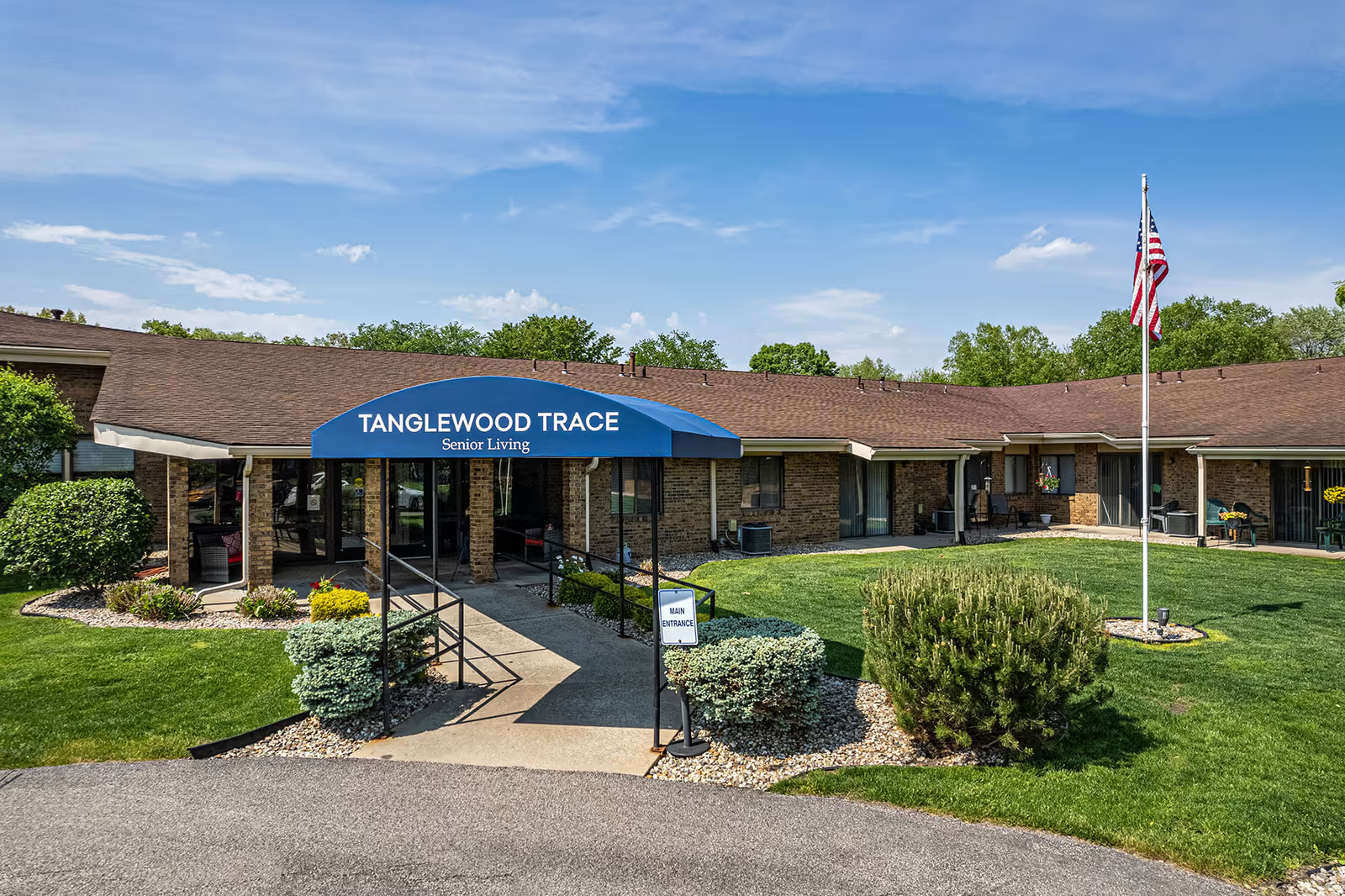
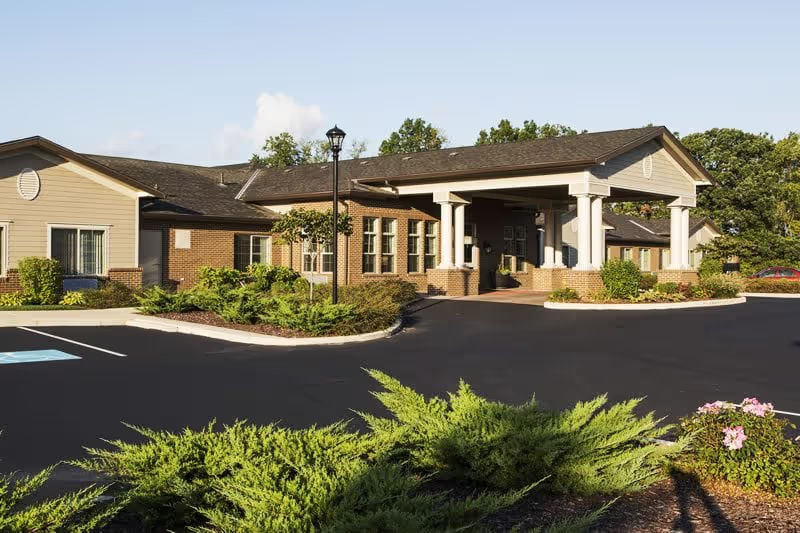
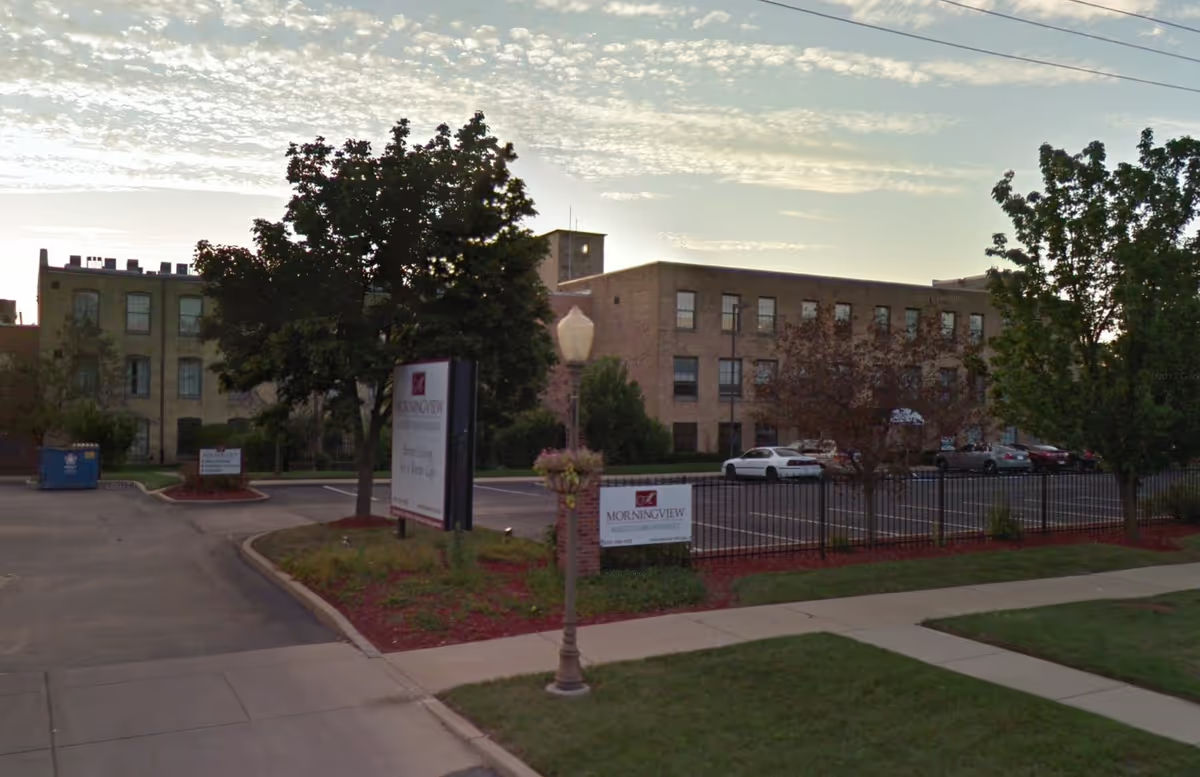
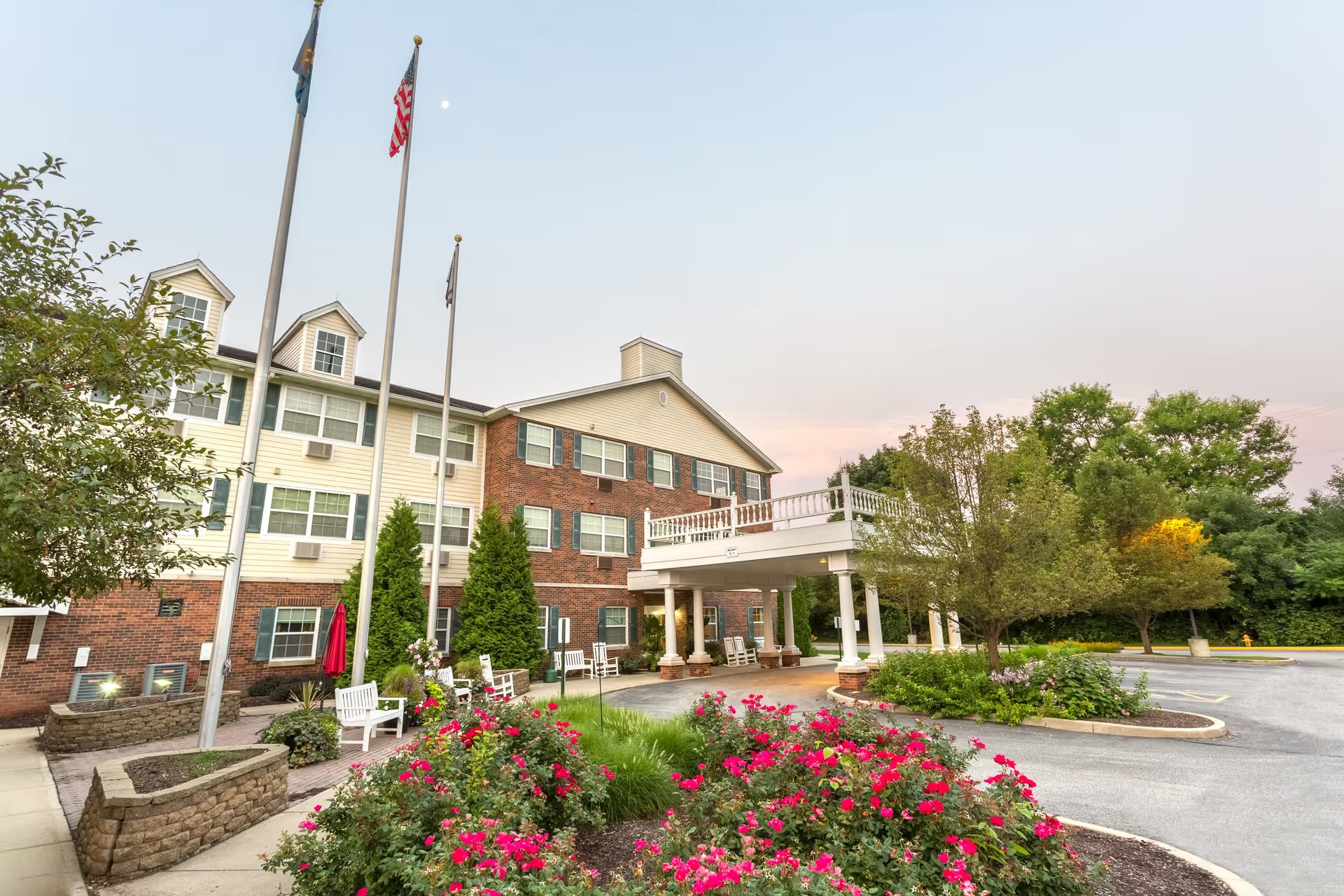
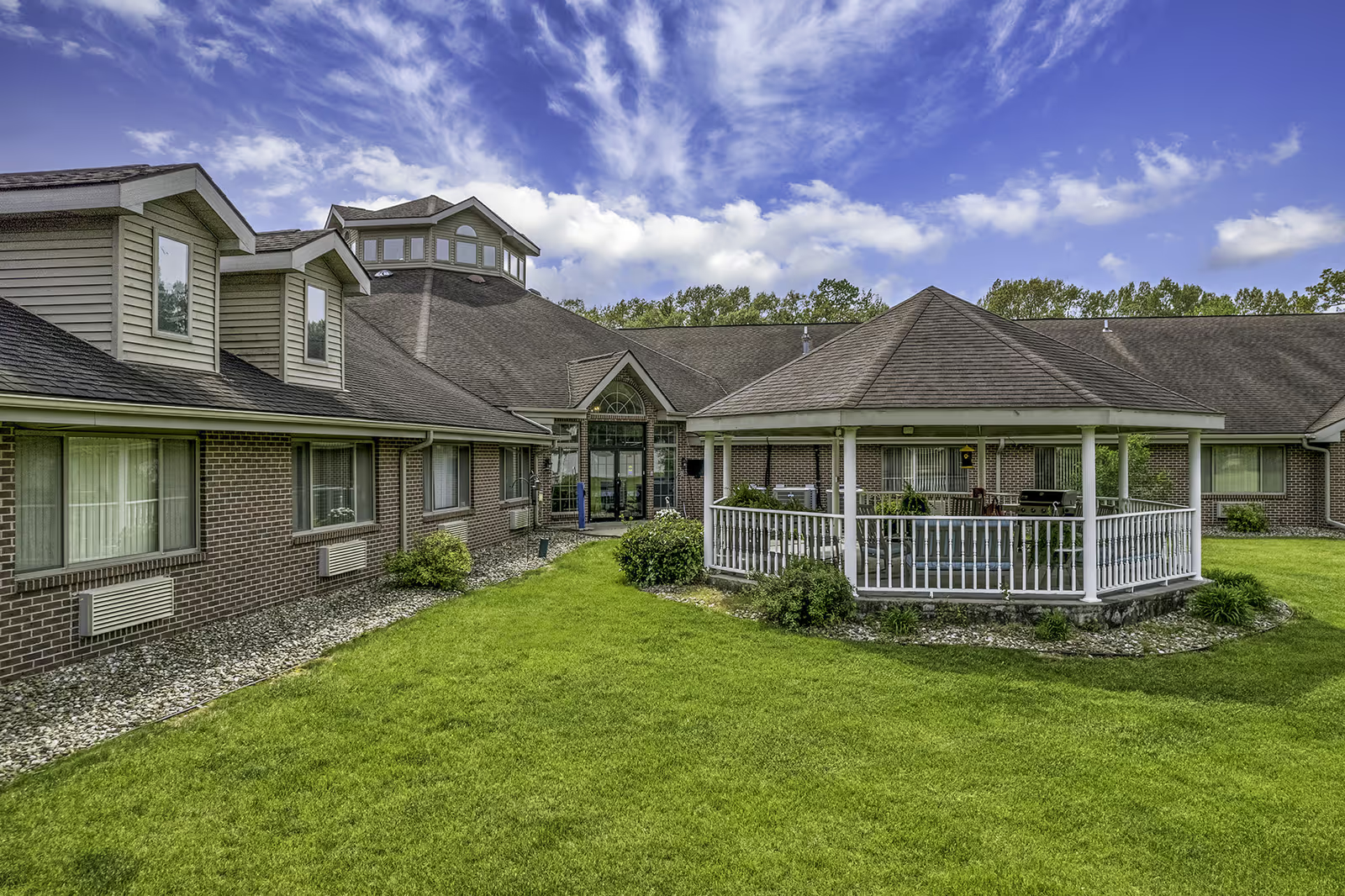
Primrose Retirement Community of Mishawaka elicits strongly polarized impressions: many reviewers emphasize a warm, well-appointed environment and consistently praise frontline employees, while others describe operational weaknesses that could affect care reliability. The facility is frequently described as modern, clean, and thoughtfully designed, with spacious apartments (including in-unit laundry), multiple communal areas, and a full slate of onsite amenities such as a theater, salon, bistro and pub. Maintenance responsiveness and attractive grounds are recurring positives.
Staff and caregiving receive mixed but salient commentary. Numerous accounts highlight compassionate, attentive staff members and several staff leaders who provide individualized attention and visible follow-through; these personnel are credited with fostering a home-like atmosphere and active community engagement. At the same time, reviewers repeatedly raised concerns about high staff turnover, chronic understaffing, and uneven staff-to-resident coverage. Those operational patterns are associated with delayed responses to personal-care needs, incontinence-care delays, and variable day-to-day consistency in assistance. There are also repeated statements indicating that the assisted-living program may not be adequately staffed or trained for residents with dementia or significant wandering/elopement risk.
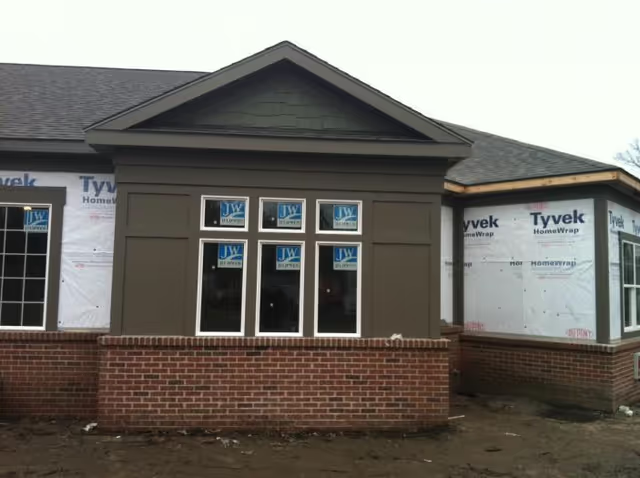
Dining is another area of divergence. Many reviewers describe restaurant-style service, appealing meal presentation, and nutritious menu options; others found food bland or inconsistent and noted temporary service limitations (for example, reduced dining hours or construction impacting the dining area). A subset of comments raised sanitation concerns related to kitchen and dining-service practices and occasional meal-supply disruptions. Prospective families should note the pattern of variable food satisfaction alongside otherwise strong presentation and service infrastructure.
Activities and community life are commonly cited as strengths: frequent events, outings, exercise classes, socials and grocery trips contribute to an engaged atmosphere when occupancy and staffing allow. However, activity availability has at times been constrained by occupancy levels and infection-control measures, leaving some communal spaces underused. Reviewers who valued active programming report positive experiences; those who encountered program interruptions describe frustration when offerings were limited.
Management and administrative practices show a similar split. Several reviewers commend responsive leadership and named staff who act as consistent points of contact; conversely, there are multiple criticisms of management turnover, unclear or retroactive rate changes, and opaque billing practices that undermine trust. Communication gaps — difficulty reaching staff, slow responses to complaints, and inconsistent follow-up after incidents — are recurring operational concerns that prospective residents and families should investigate.
Taken together, the pattern suggests that Primrose Mishawaka offers strong physical assets and many examples of high-quality, person-centered interactions, but also exhibits operational vulnerabilities tied to staffing, communication, dining consistency, and dementia-care capability. Visitors should observe mealtimes and activity periods, ask for current staffing ratios and dementia-training protocols, review recent sanitation inspection or kitchen-operations documentation, and request clear written explanations of billing and rate-change policies before making a placement decision.