Overall impression Across reviews the facility is frequently described as modern, bright, and well appointed, with a strong emphasis on memory care and resident engagement. Many families praise individualized attention, staff familiarity with resident names and preferences, and a robust life-enrichment program that includes outings, exercise classes, arts, worship services, and an on-site movie theater. Dining is often cited as a strength — including frequent snacks, varied menus, and staff who support meal choices — and there are multiple references to effective hospice coordination and night nursing practices that support safety.
Care and staff Care quality is characterized by two dominant threads. On one hand, reviewers describe compassionate caregiving, thoughtful individualized plans, meaningful cognitive stimulation, and staff who build rapport and partnerships with families. The memory-care unit and life-enrichment leadership receive repeated positive mentions. On the other hand, there are recurring operational concerns: inconsistent staffing levels, periodic staff turnover, and variability in day-to-day responsiveness. These staffing patterns are linked to reports of delayed attention for some personal-care tasks, communication lapses with family members (for example, delayed hospitalization notifications), and uneven caregiver conduct. Prospective families should weigh the strong relational care elements alongside questions about staffing continuity and escalation procedures.
Dining and activities Activity programming is a clear strength — offerings are broad (fitness, music, arts and crafts, social events, religious services and outings) and the life-enrichment team is frequently highlighted. This contributes to residents’ social and cognitive engagement. Dining receives mixed but generally positive feedback: many reviewers commend portions, presentation, and variety; however, there are intermittent complaints about inconsistent meal quality and difficulty obtaining specific meal information. Confirming current menus and meal-notification processes during a visit is advisable.
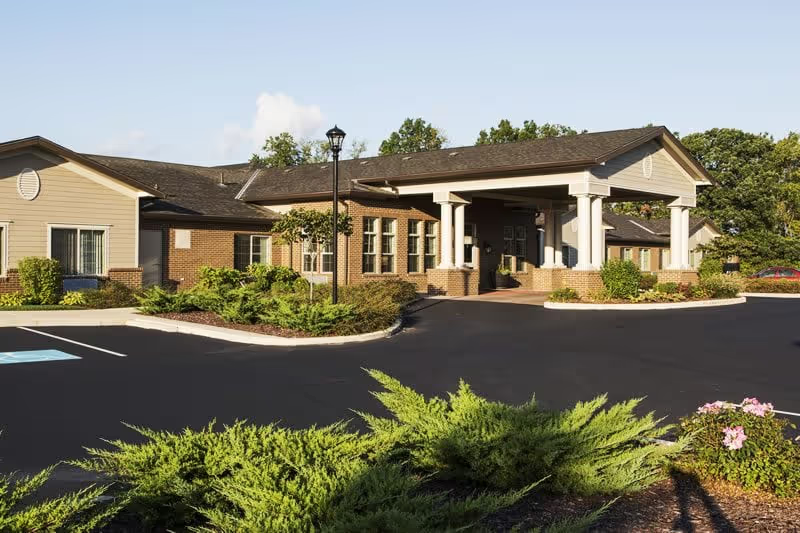
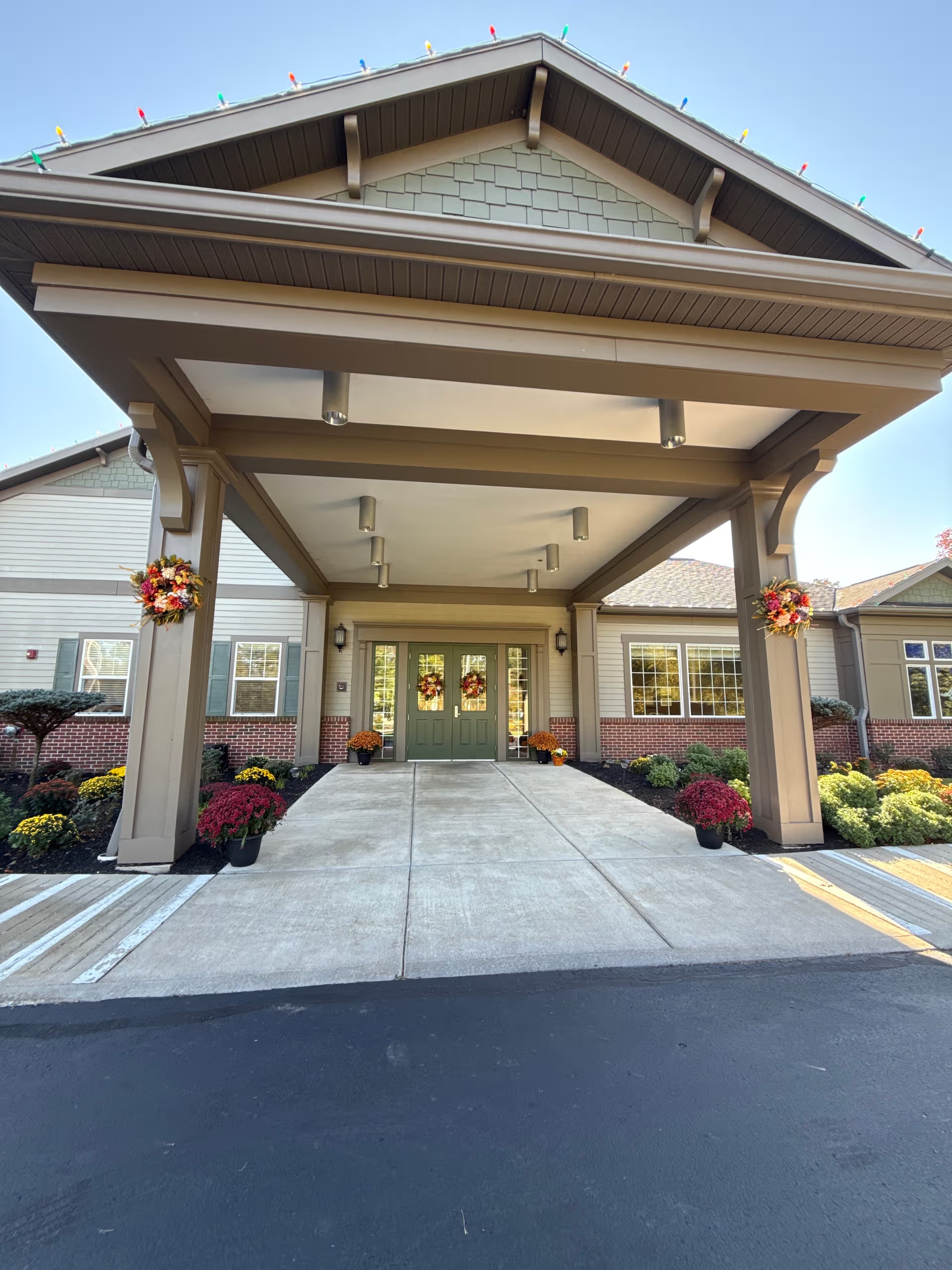
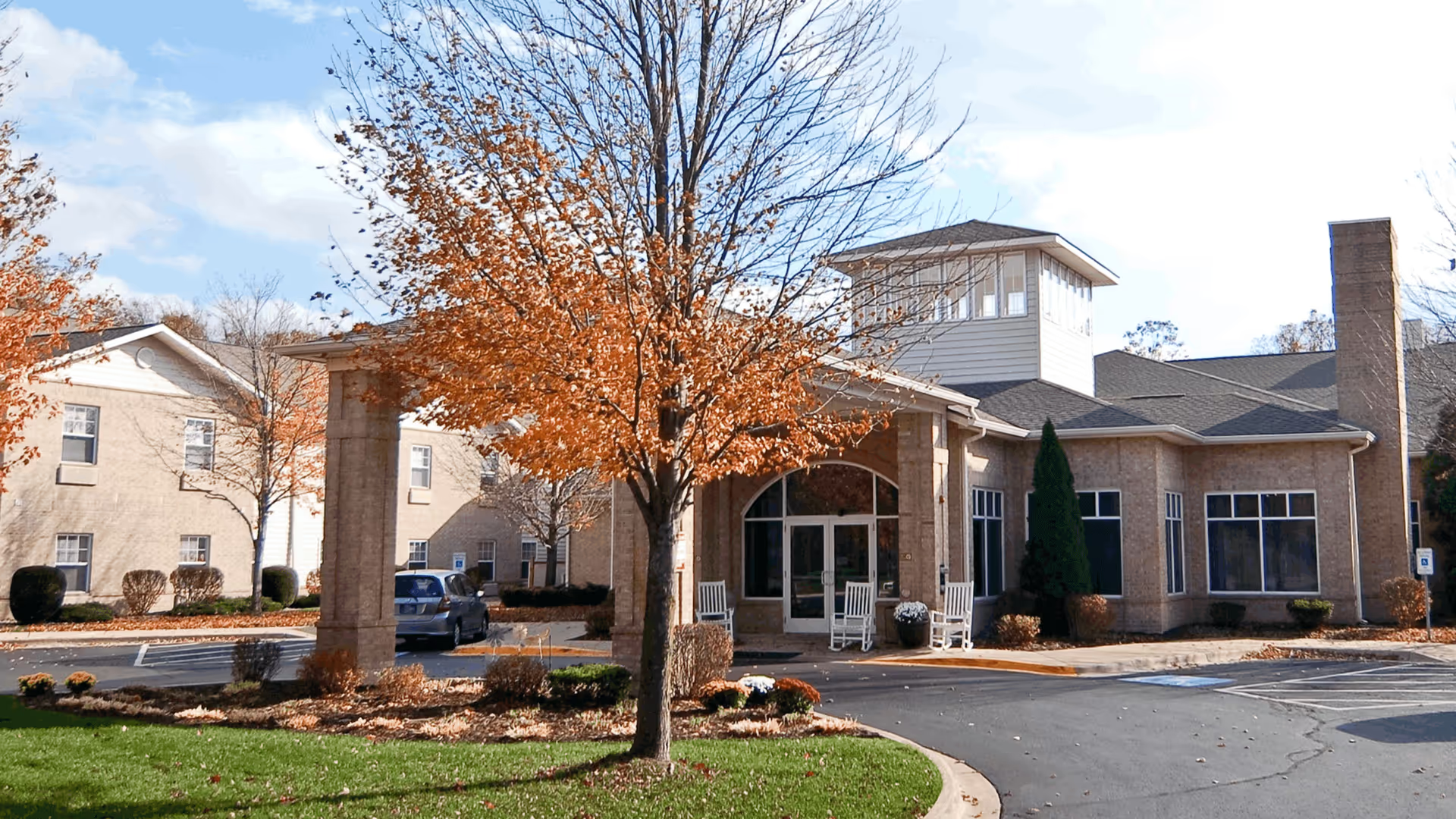
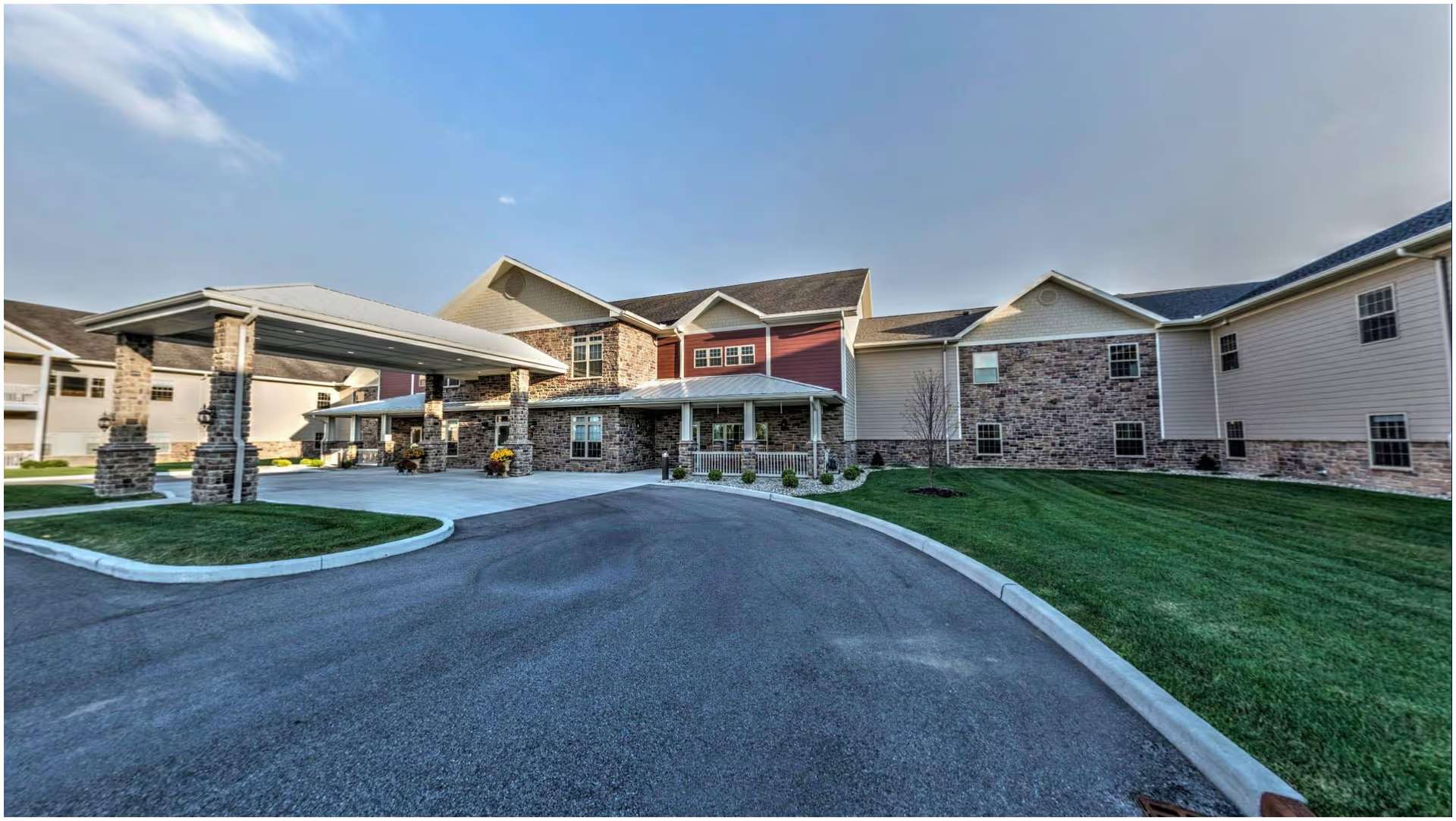
Facilities and operations The physical environment is described as clean, light-filled, and well maintained in many accounts, with private apartments, kitchenettes, fenced walking areas, courtyards and pleasant landscaping. Safety features such as tracking systems and nurse checks are noted. Counterbalancing this, reviewers raise operational concerns including variable housekeeping and room-maintenance standards, ongoing renovation disruptions, occasional pest-control or sanitation issues, and laundry-management lapses with missing items. These items suggest variability in routine facility operations rather than issues with the building design itself.
Management and financial considerations Experiences with administration vary. Several families report proactive, responsive management that supported smooth transitions and clear communication; others cite miscommunications, perceived dismissiveness, and uneven follow-through on promises. Financially, price point and refundable-deposit/first-month-rent policies are flagged as areas of concern — reviewers recommend clarifying contract terms, cancellation windows, and any partial-refund policies before committing. Visitor-access logistics and occasional lockdown/door delays are additional operational considerations to review in person.
Patterns and advice for prospective families The overall pattern is polarized: many families describe a high-quality living environment with attentive memory-care programming, while a measurable subset describe operational inconsistencies that affect daily experience. When evaluating StoryPoint Granger, consider focused questions during a tour: current staffing ratios and turnover rate, protocols for family notification and hospitalization, housekeeping schedules and pest-control practices, sample menus and meal-communication procedures, laundry tracking processes, and exact contract/fee terms. A targeted conversation with life-enrichment and nursing leadership can help clarify whether the facility’s strengths align with a prospective resident’s care priorities and tolerance for operational variability.