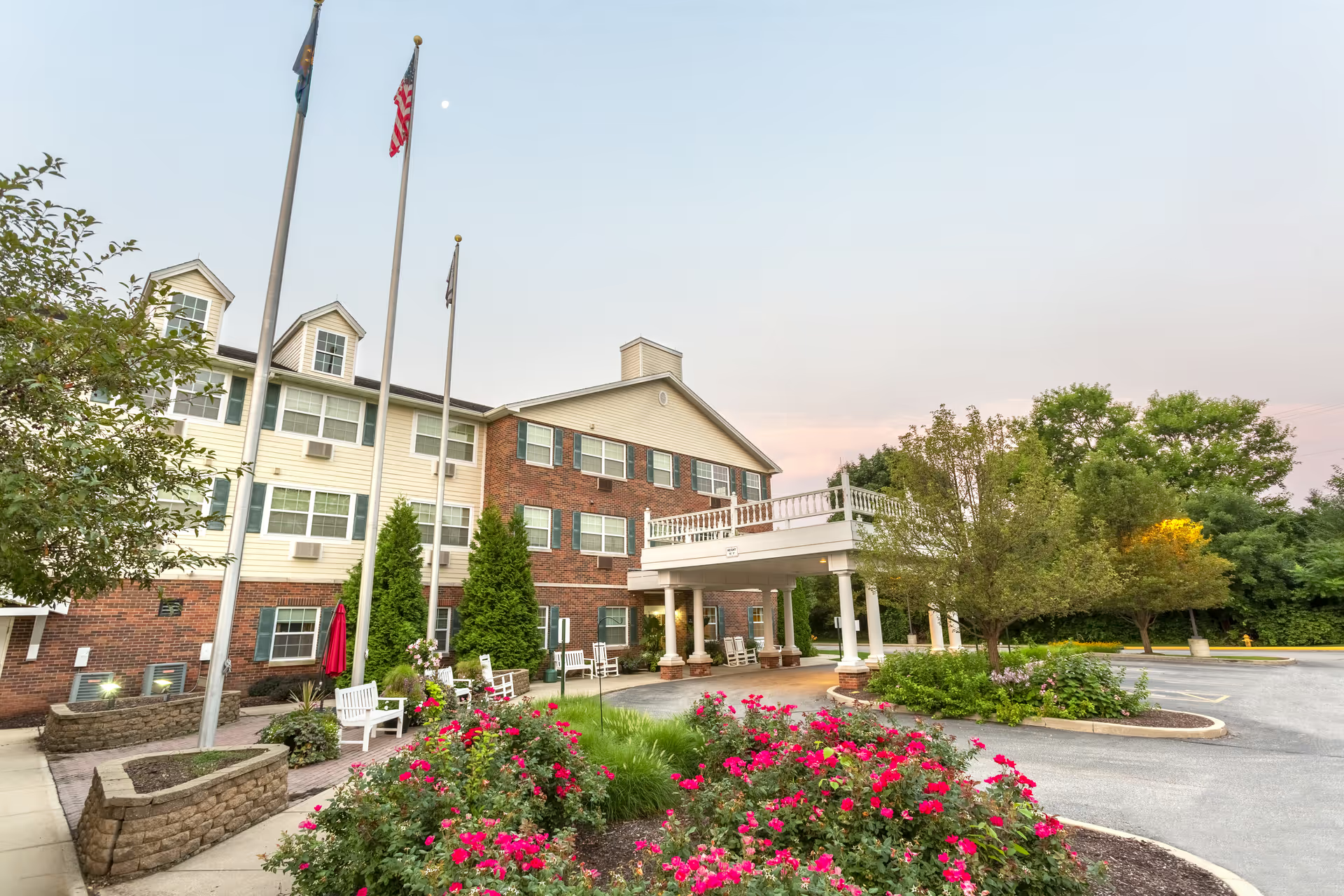
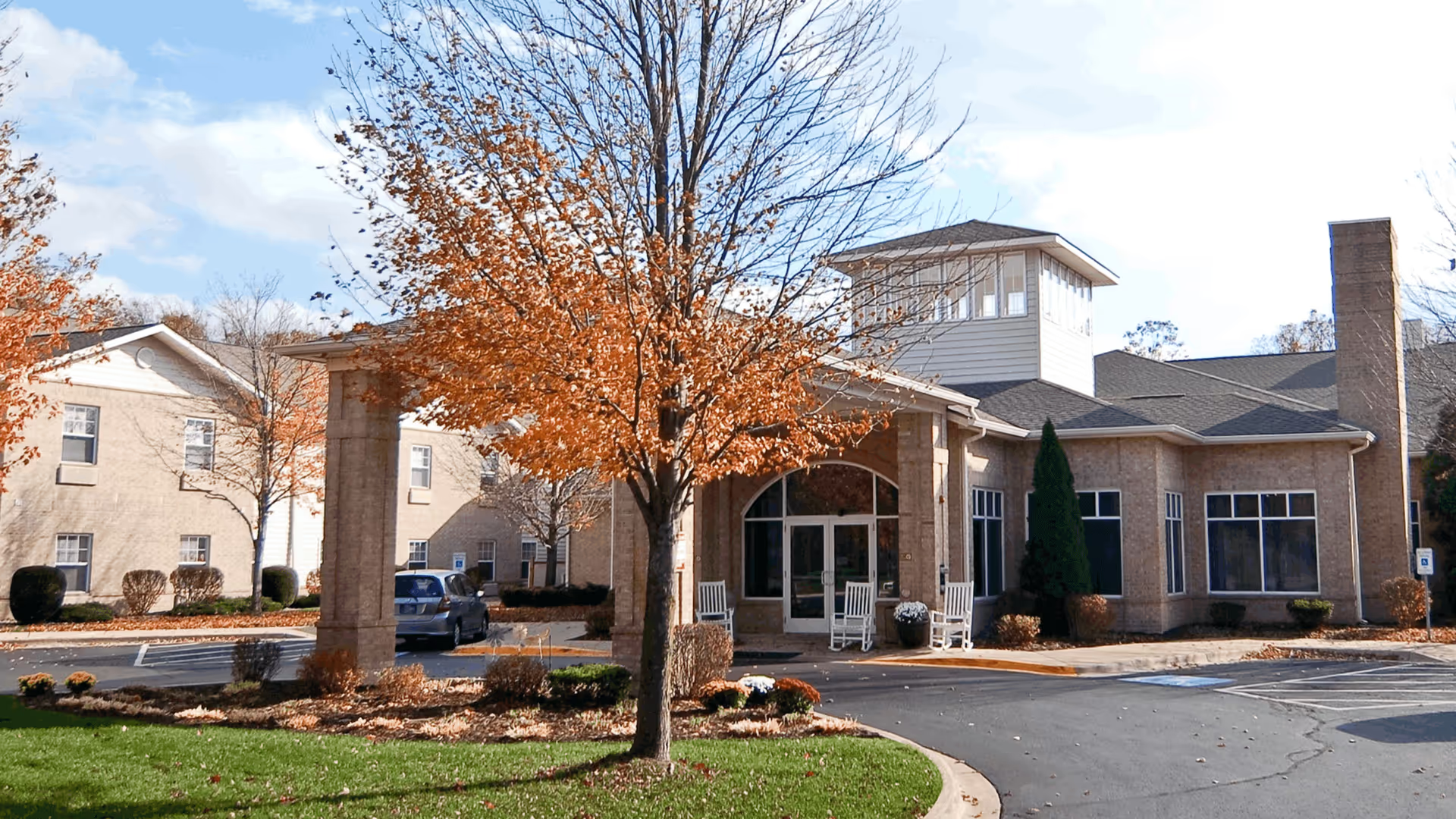
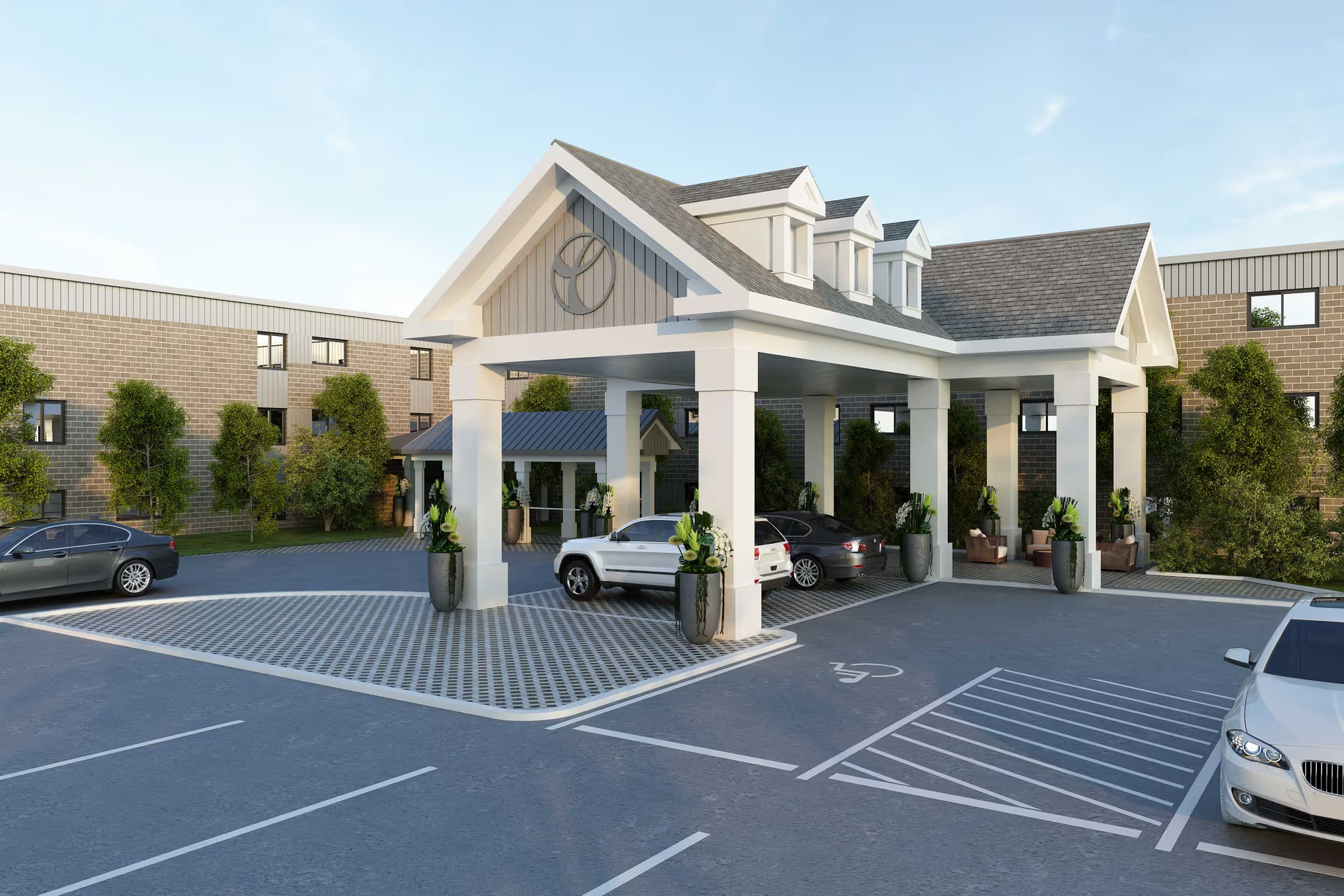
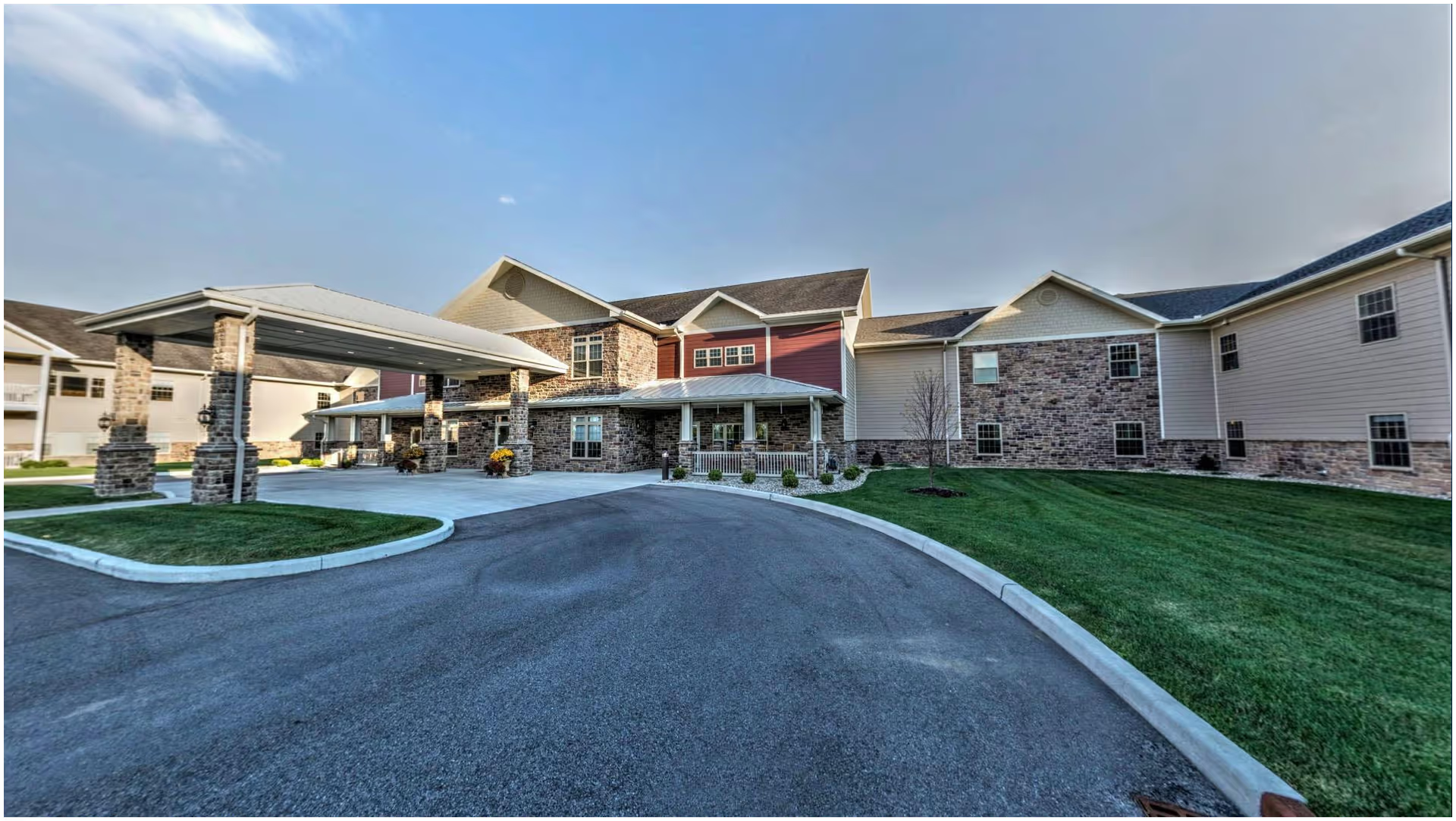
Heritage Point presents a mixed but instructive profile for prospective residents and families. Many reviewers described a physically attractive, well-kept campus with multiple small dining rooms, a secure courtyard, and thoughtfully designed common areas. The facility's memory-care programming, sensory room, on-site therapy, and wandering-prevention features are frequently cited as appropriate for residents with dementia. Meals are commonly praised—plentiful portions, an on-site chef, and a variety of options (including desserts) contributed to a generally positive dining experience, and dietary accommodations are provided when needed.
Staff are the facility's most consistently noted strength. Numerous accounts describe caring, compassionate employees who develop warm, family-like relationships with residents, provide personalized attention, and encourage participation in activities. Activity programming is also a frequent positive: scheduled events, bus outings, reminiscence-focused teams, and opportunities for social engagement were mentioned as contributors to resident well-being. Admissions and intake experiences are often characterized as efficient and supportive by families who needed a quick placement.
Alongside these strengths there are recurring operational concerns. Staffing instability and turnover stand out as a consistent pattern that reviewers link to variability in daily care. Several families described issues around medication administration, consent processes, and monitoring for side effects; these reports point to inconsistent medication-management practices and gaps in clinical oversight. Relatedly, a number of comments referenced problems with documentation controls and follow-up after clinical incidents.
Communication and leadership were another area of mixed experience. While some families praised prompt, transparent updates (including social-media photo feeds and COVID-status communications), others encountered delayed or unreturned messages, unclear policy information, and what they perceived as weak responsiveness from management or corporate offices. These communication gaps feed into broader concerns about transparency around policies, financial processes, and end-of-life or post-incident follow-up.
Care quality appears to vary by unit and shift. Whereas many families report excellent, attentive care and meaningful daily engagement, others describe periods of reduced engagement or inadequate attention—particularly in certain memory-care settings. This variability, combined with the other operational weaknesses noted above, creates a pattern in which individual experiences can be highly divergent: some families express strong gratitude and confidence in the community, while others elected to move their loved ones elsewhere.
Recommendation: Heritage Point offers strong physical amenities, a supportive social program, and many staff who are highly regarded for their compassion. Prospective residents and families should privilege direct, documented conversations about medication-management protocols, staffing stability, documentation practices, and channels for family communication during the decision process. Visiting multiple times at different days/shifts and requesting written policies on clinical oversight and consent may help set expectations and identify the aspects of the community that align best with a given family's needs.