Sanctuary at St. Paul’s elicits a mixed but informative picture: many families and residents praise the facility for its compassionate caregiving staff, active social programming, on-site spiritual services, and generally clean, well‑kept public spaces. The community offers a broad range of activities (music, bingo, choirs, exercise and balance programs, movies, and frequent outings to local cultural events) and amenities such as a library, salon, small shop, and multiple dining venues. Several reviewers highlighted effective therapy services and continuity across independent, assisted, and memory-care settings, and many residents report a strong sense of community and social connection.
Care quality and staffing are central themes. Positive experiences focus on attentive nursing and caregiving teams, respectful resident interactions, and responsive maintenance and front-desk personnel. At the same time, recurring operational concerns include chronic staffing shortages, particularly overnight and after hours, which reviewers linked to slow response times to call systems and uneven supervision. There are also multiple accounts suggesting inconsistencies in medication handling and clinical responsiveness; families should verify clinical oversight, medication protocols, and staffing ratios during visits.
Dining and activities are generally strengths, with an elegant dining room, bistro-style options, and staff who are often described as accommodating. However, reviewers described variable meal quality and limited menu variety at times, and some families reported declines in meal service quality or equipment problems during infection-control periods. The activities program is robust and a clear asset, though several amenity services (for example, the beauty salon) have experienced temporary closures related to infection-control measures.
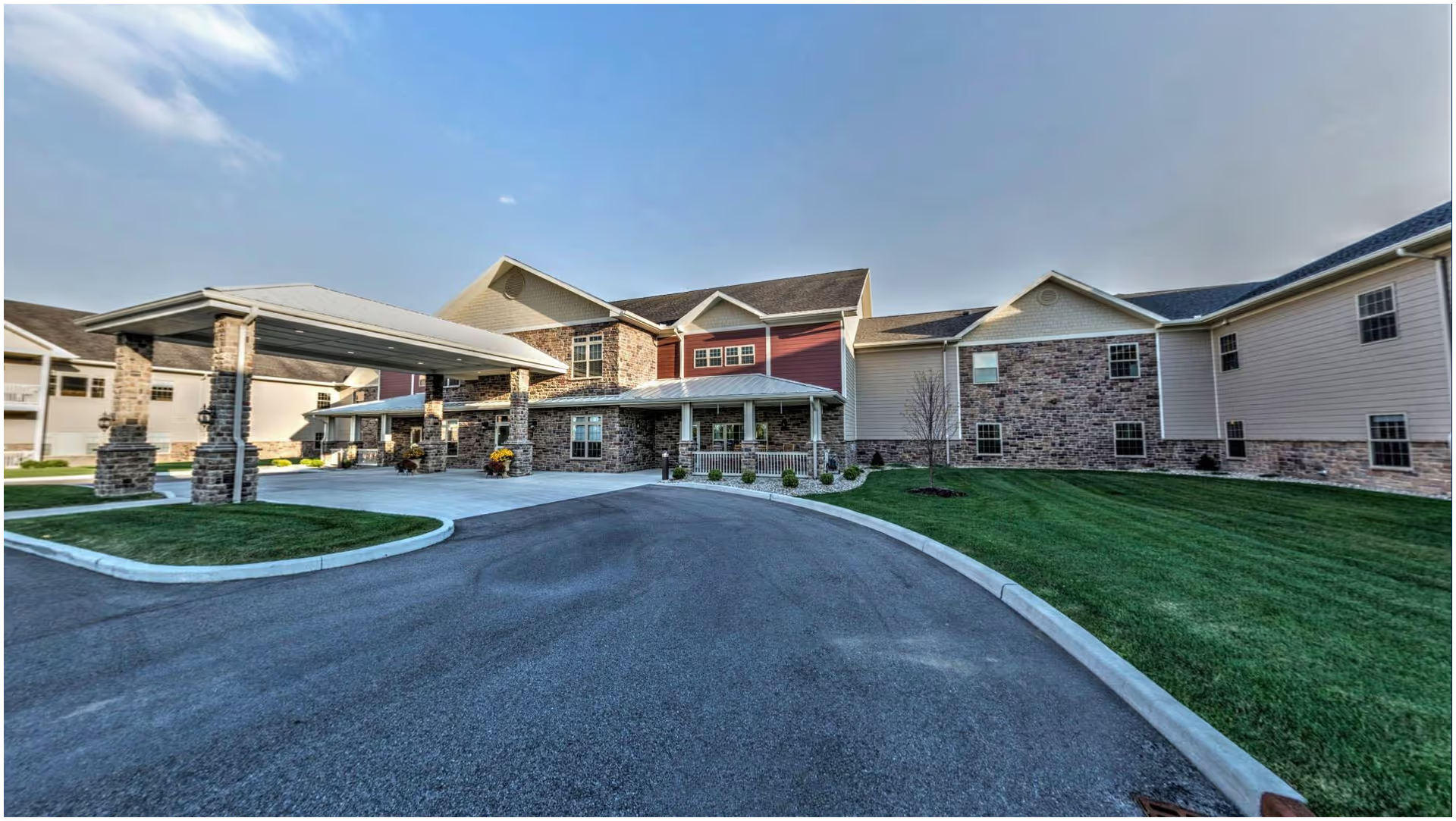
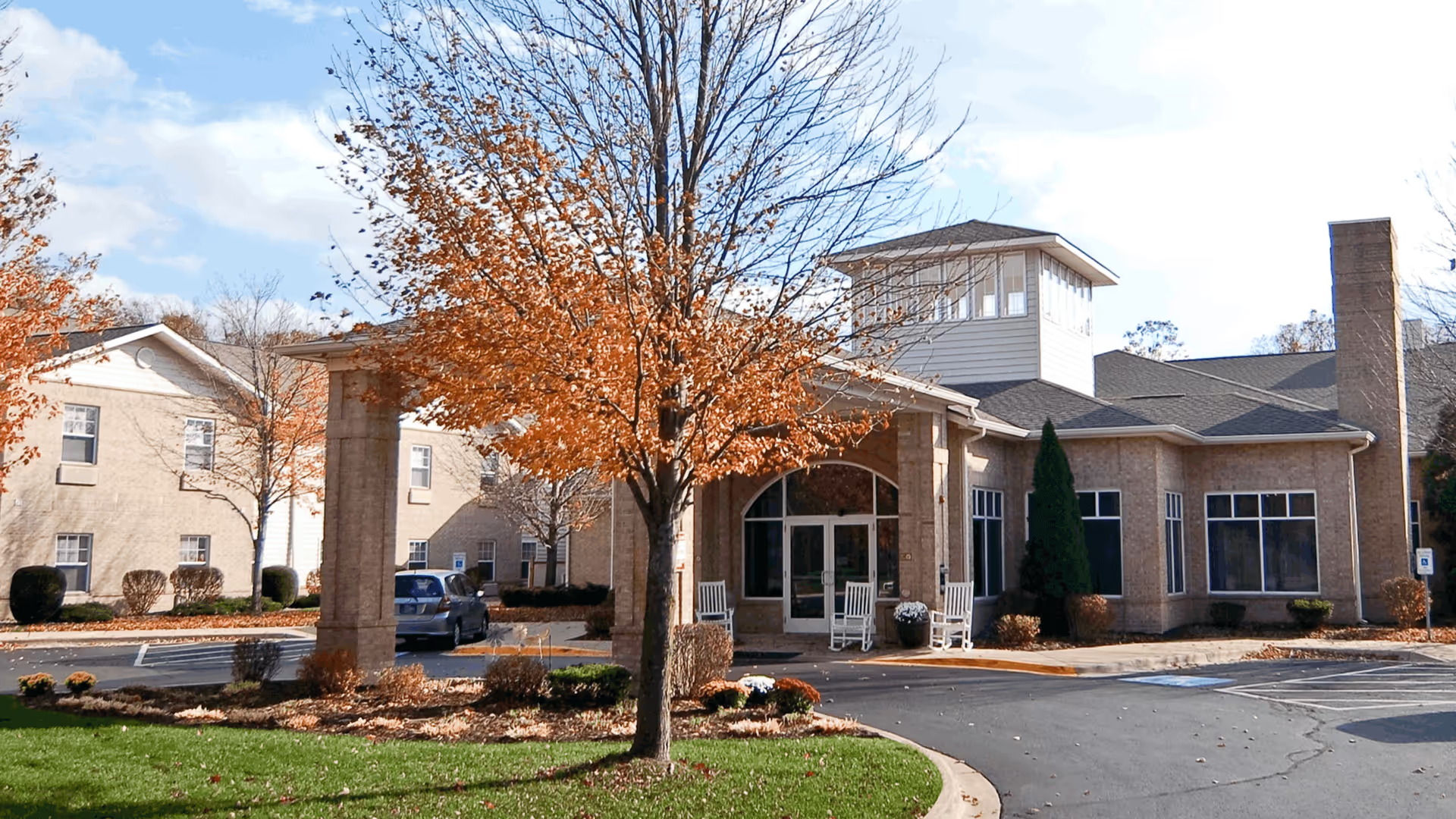
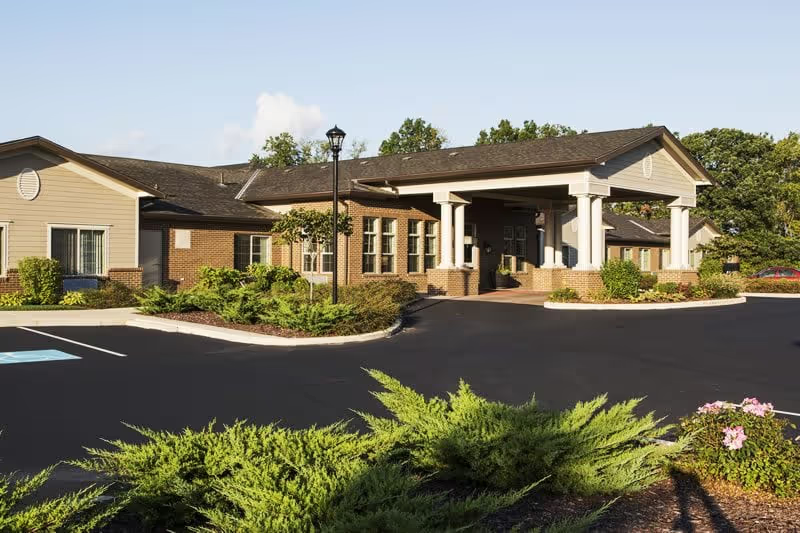
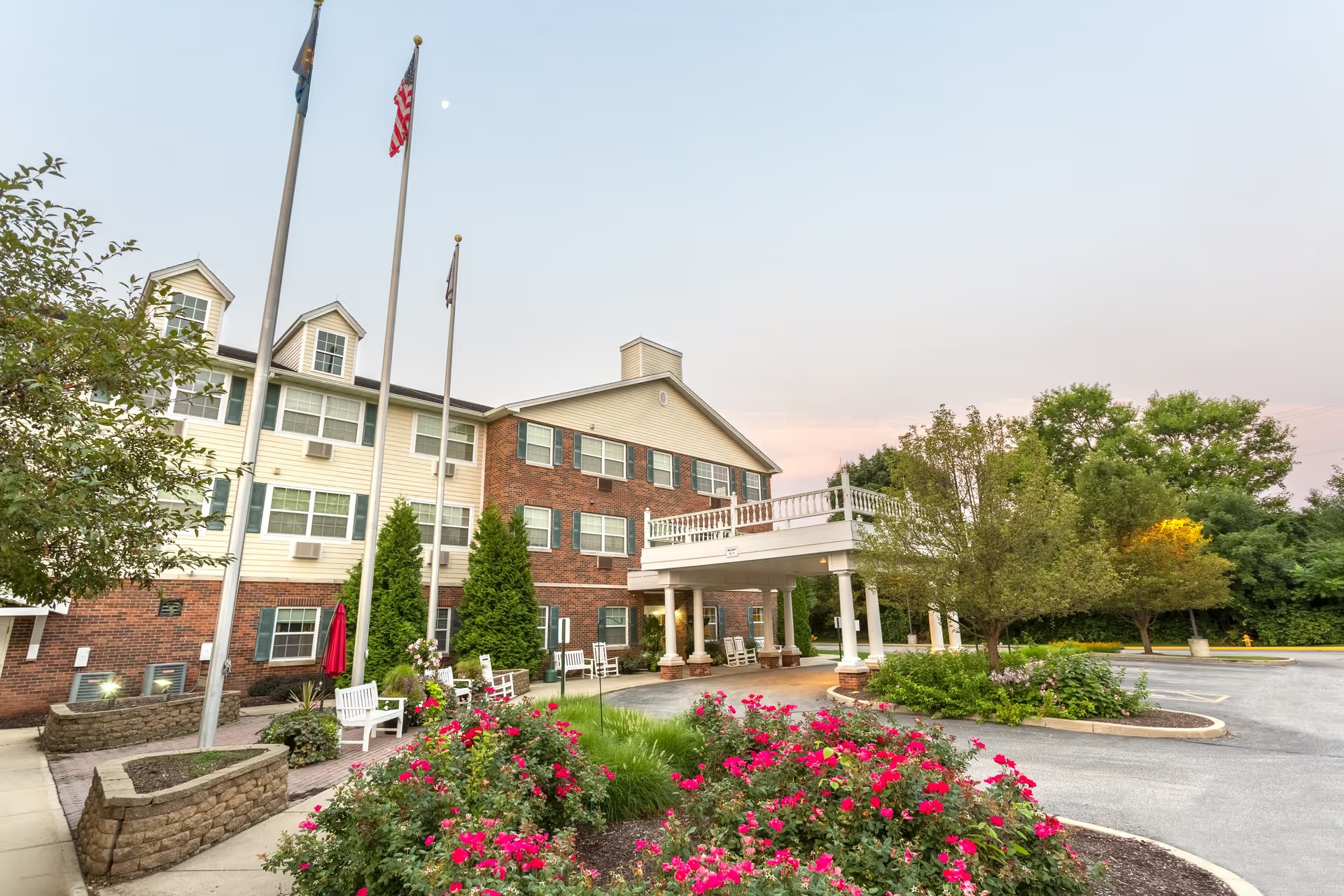
The physical campus receives mixed commentary. Many praise bright, updated common areas, attractive grounds, and rooms with large windows; one‑bedroom units with kitchens are noted positively. Conversely, the property is large and maze-like for some residents: long walking distances, an older wing with limited wheelchair access, confusing signage, and difficulty finding exits were cited as recurring navigation and accessibility issues. These layout factors can compound staffing limitations when residents require closer supervision.
Management and administrative practices show variability. Some families describe smooth admissions, proactive leadership, and transparent communication; others encountered limited responsiveness from administration, challenges transferring between care wings, and concerns about decision-making. There are also isolated but serious allegations concerning financial favoritism and management misconduct that prospective families may wish to explore further during due diligence.
Overall, Sanctuary at St. Paul’s appears to offer a strong social environment, active programming, and many caring staff members, which many residents and families value highly. At the same time, persistent operational issues — notably staffing consistency, after‑hours supervision, navigation/accessibility, and variable dining and sanitation practices — are themes that merit direct inquiry. Prospective residents and families should arrange a daytime and evening visit, ask for current staffing ratios and night‑coverage plans, review medication and fall‑prevention protocols, and observe meal service and an activity to assess fit relative to individual care needs.