Reviews of Cobblestone Crossings Health Campus present a mixed but specific picture: many families and residents praise the facility’s compassionate staff, strong rehabilitation services, and active social programming, while a subset of reviews raise operational and clinical concerns that warrant attention.
Care and staff: A large portion of feedback emphasizes attentive, compassionate caregiving, personalization of care, and a family-focused approach. Reviewers frequently note staff members who go above and beyond, helpful nursing and administrative teams, and meaningful support during end-of-life transitions. The therapy department and short-term rehab services receive particularly positive comments for helping residents regain function. At the same time, accounts indicate variability in staff performance and clinical practices; there are concerns framed as gaps in medication administration and documentation and uneven clinical-safety practices across units and shifts. These indicate that quality can be highly dependent on staffing and specific teams on duty.
Dining and nutrition: Dining impressions are polarized. Multiple comments praise good meals and positive dining experiences, but other accounts describe inconsistent food quality and presentation. These mixed assessments suggest variability in meal preparation or service continuity; prospective families may want to sample menu items and inquire about meal oversight and dietary protocols.
Activities and family engagement: The activities program is a clear strength. Reviews highlight frequent outings, engaging on-campus programming, monthly social events, and effective photo- and email-based communication that keeps families informed and involved. The campus atmosphere is described as social and home-like, with staff actively encouraging family visits and participation.
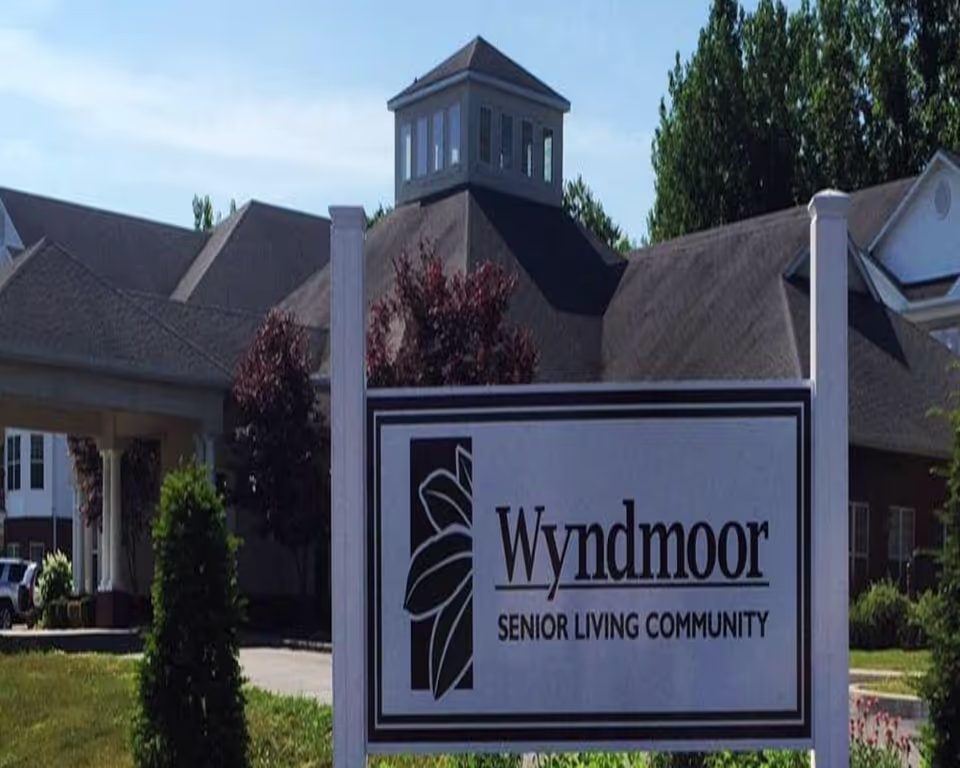
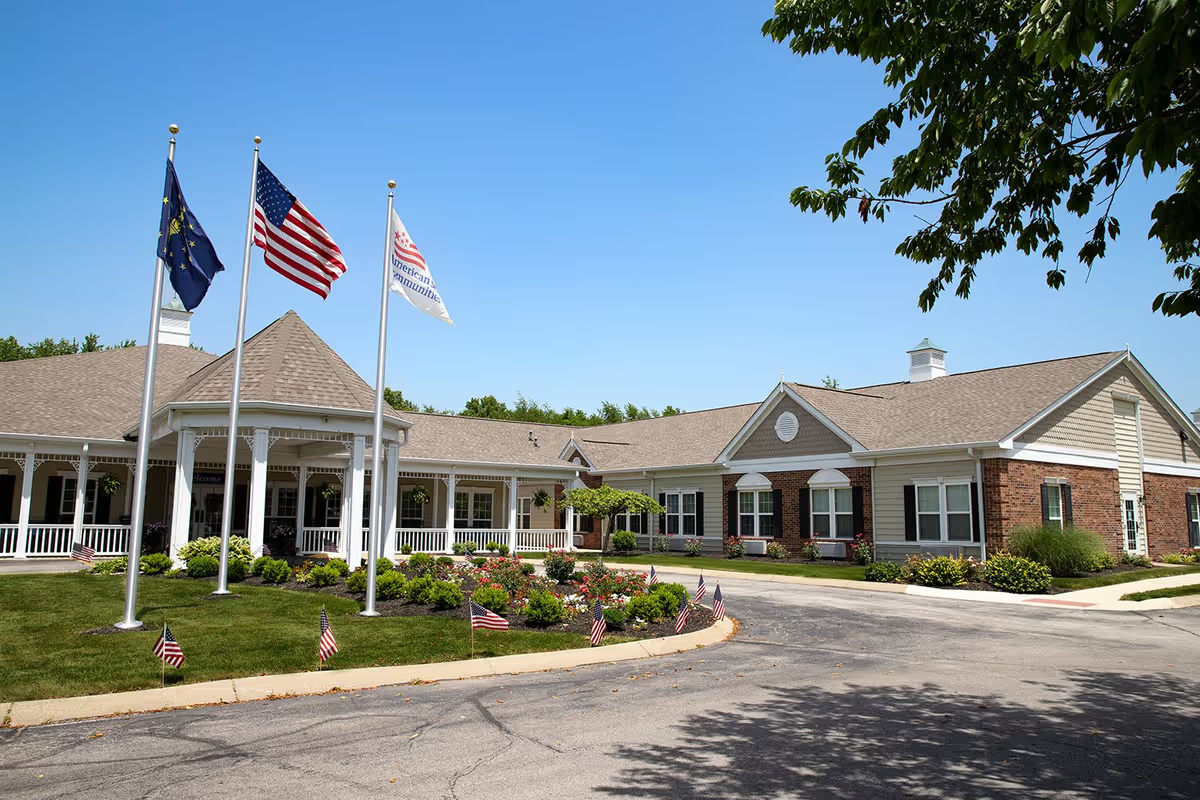
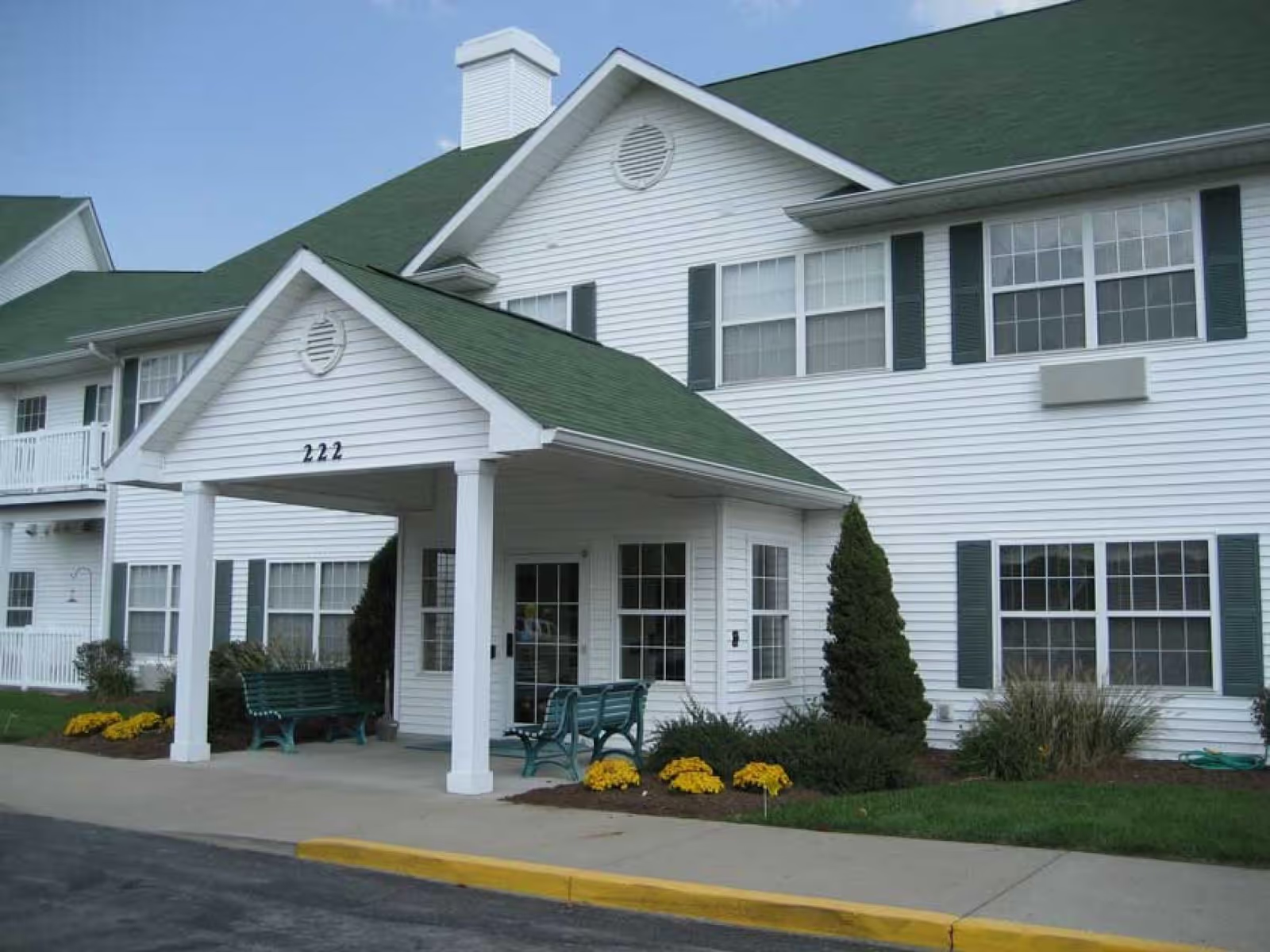
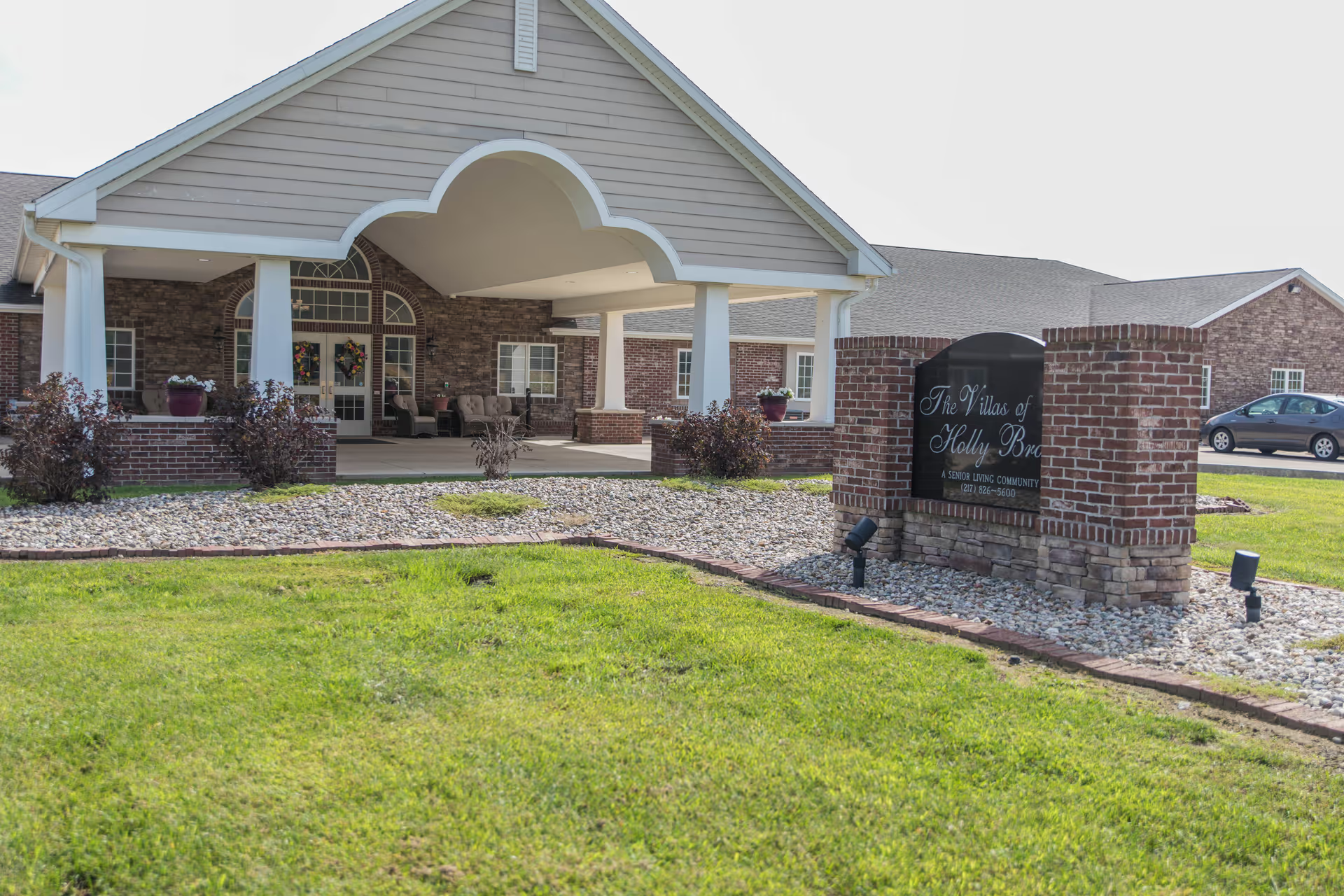
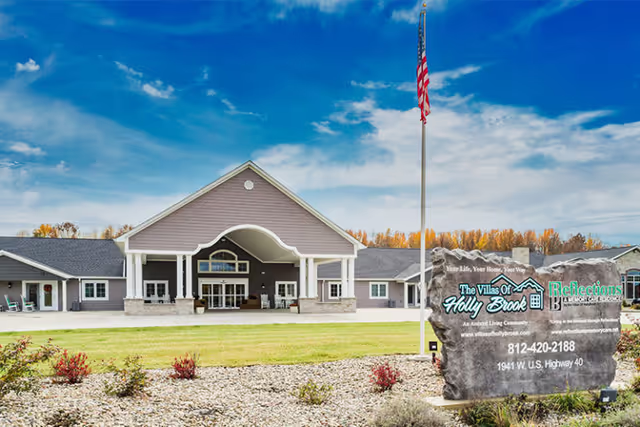
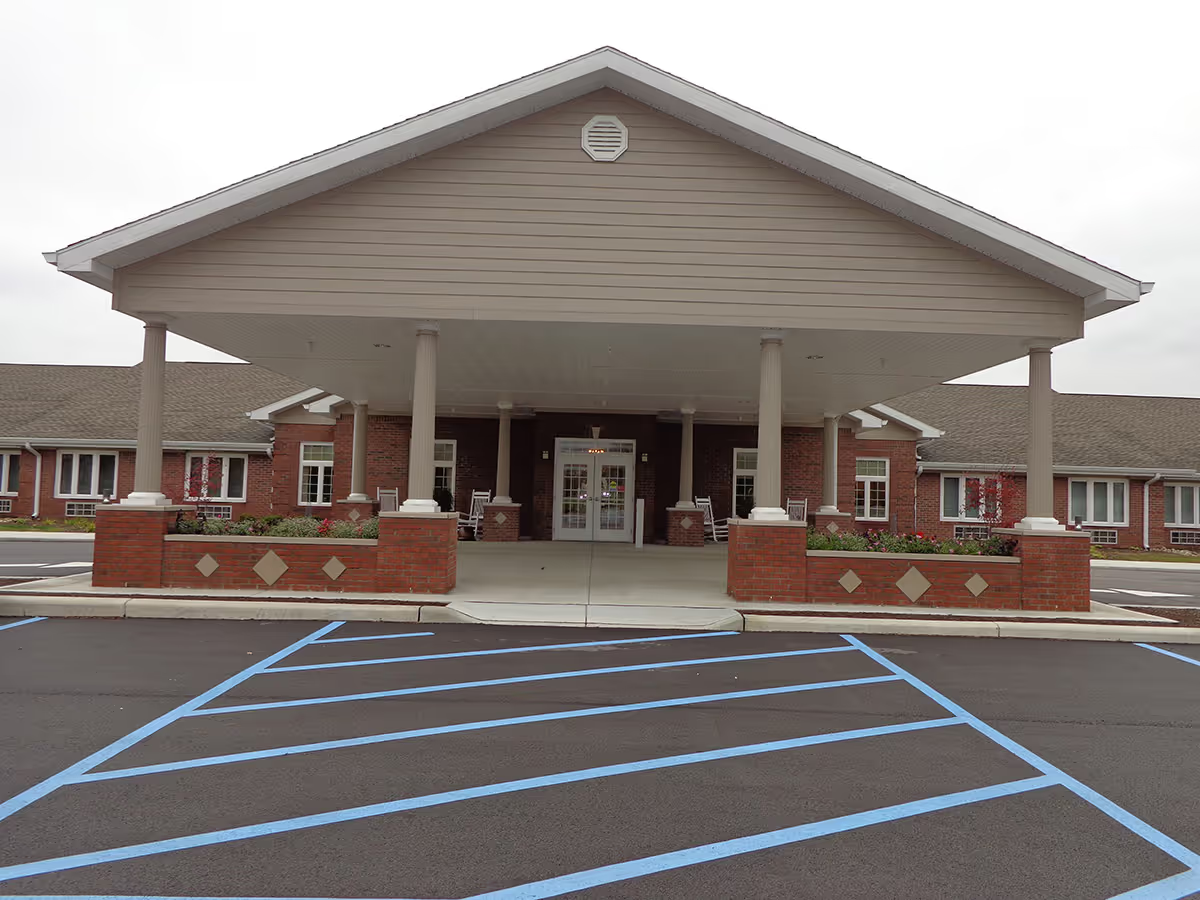
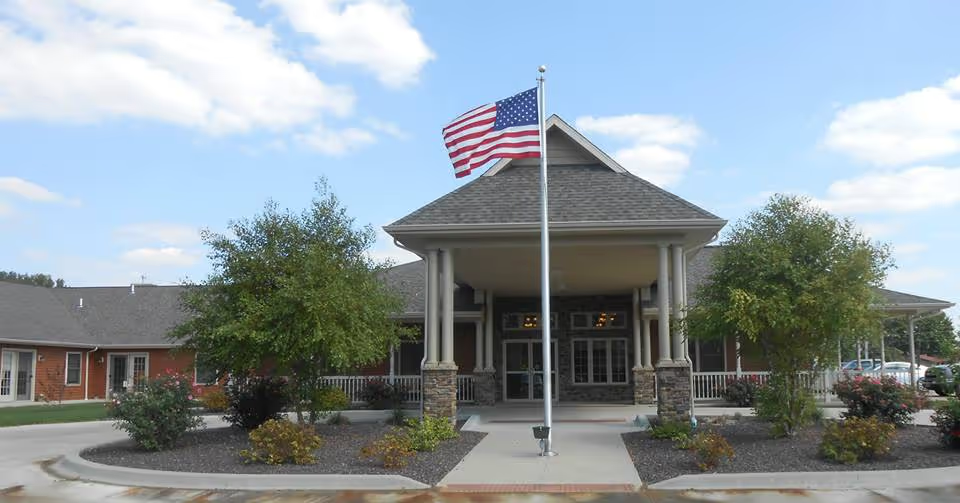
Facilities and housing: The campus is described as clean, modern, and well-maintained, with attractive grounds and independent-living villas that include garages and wheelchair-adaptable units. Several reviewers remark on a safe environment and comfortable living spaces. Some sanitation and odor concerns are mentioned for specific areas, suggesting occasional lapses in environmental maintenance.
Management and operations: Communication practices show strengths (daily email updates, responsiveness from some staff) but also weaknesses. Reviews point to uneven management responsiveness to complaints, especially on public feedback channels, and instances of supply-management problems such as oxygen tubing shortages. There are also indications that short-term or respite residents may receive different treatment than long-term residents. A few reviewers express concerns that financial priorities sometimes influence care decisions.
Notable patterns and recommendations: Short-term rehab and therapy services are consistently praised, making the campus a viable option for post-acute recovery. However, variability in dining, medication handling, supply availability, and management responsiveness creates a polarized set of experiences. Prospective residents and families should consider an on-site visit, request a tour of dining and therapy areas, ask about medication-administration and documentation protocols, confirm contingency plans for medical-supply shortages, and clarify respite-admission policies and staffing consistency. These targeted questions can help assess whether the campus’s strengths align with an individual’s care priorities.