Reviews of Brickyard Healthcare - Valparaiso Care Center are highly mixed and present a clear pattern of polarized experiences. Many families describe warm, compassionate staff who form close bonds with residents, provide attentive communication, and produce measurable clinical improvements such as weight gain and successful short-term rehab. Memory-care services receive consistent praise for a home-like atmosphere, frequent activities, and effective companionship. Several accounts highlight coordinated hospice and end-of-life support and individual caregivers who go beyond expectations to comfort residents and families.
Counterbalancing those positives are operational and clinical consistency concerns. Reviewers raise issues with staffing levels and timeliness of responses to call bells and requests; these delays appear to affect care delivery, including meal service, toileting/incontinence care, and assistance with bathing or grooming. Medication and pharmacy management problems are described, including stock shortages, delayed doses, and occasional gaps in medication-related paperwork. There are also reports of pressure injuries and other safety-related problems that suggest weaknesses in monitoring and preventive protocols.
Dining and therapy experiences are variable. Some families praise home-style meals and successful rehab programs; others cite cold or undercooked food, missed meals, slow delivery of beverages/ice, and inconsistent therapy scheduling or availability. Activity programming is noted as a strength in the memory-care unit, but activity levels and suitability appear more limited for residents with advanced cognitive impairment in general units.
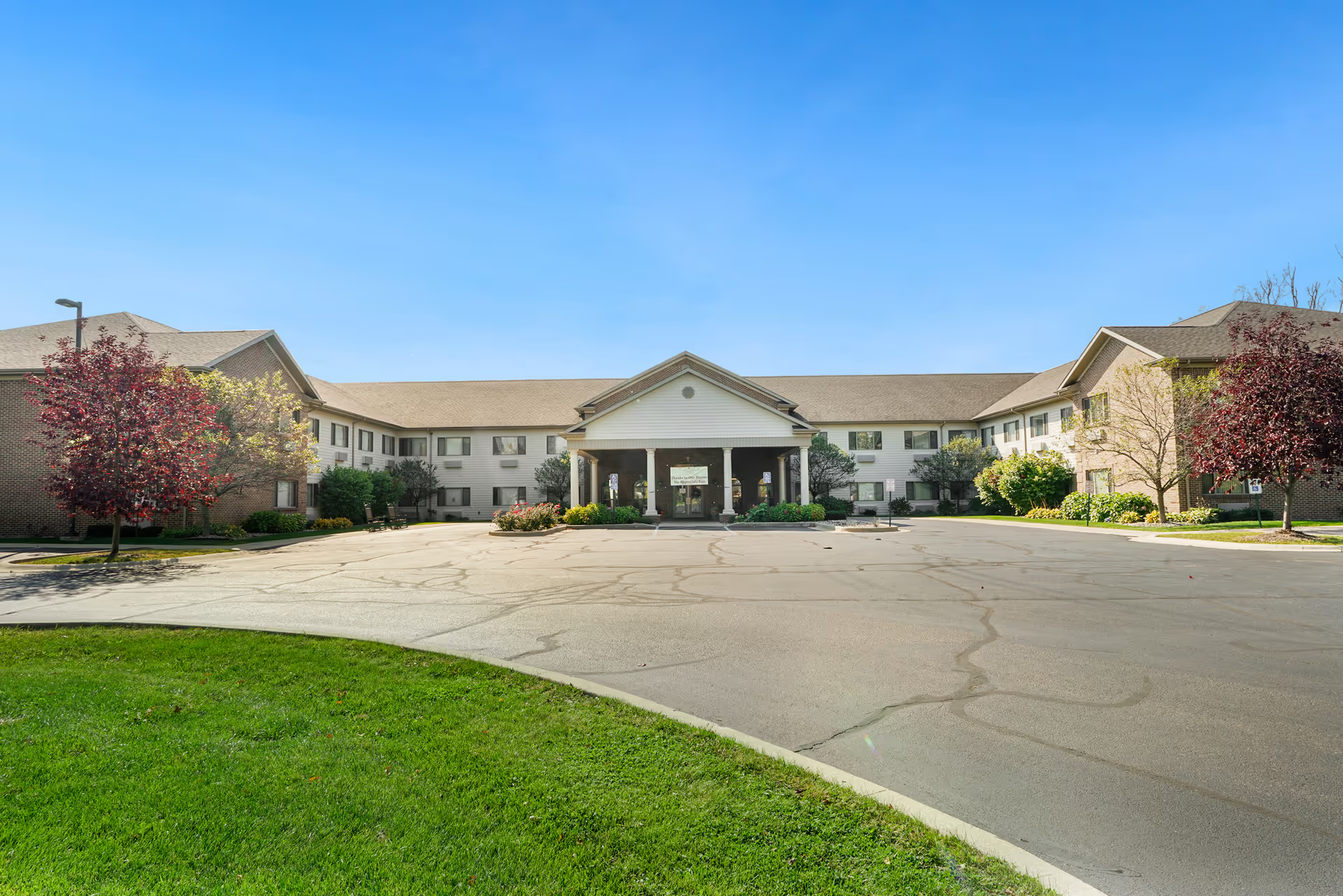
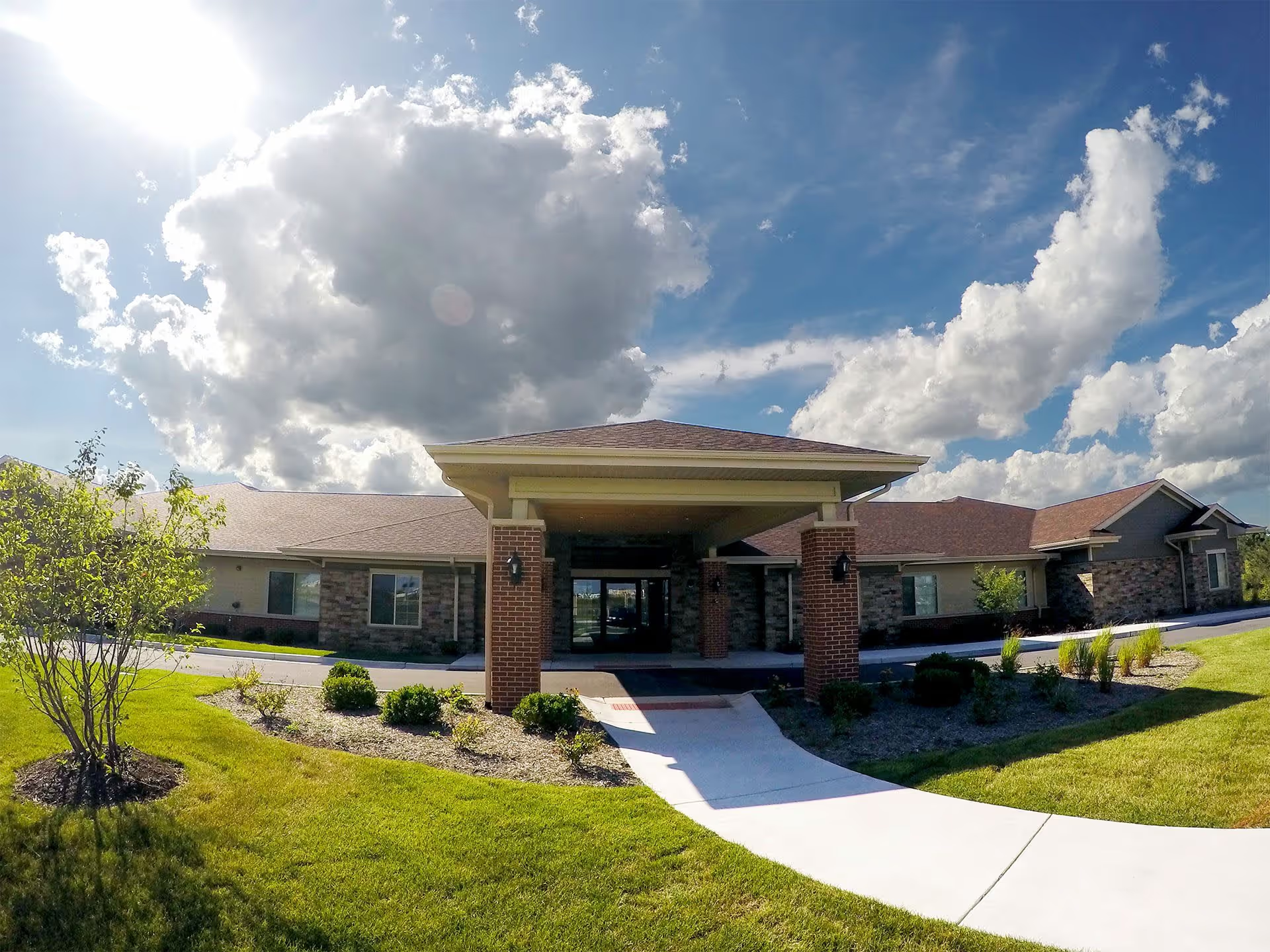
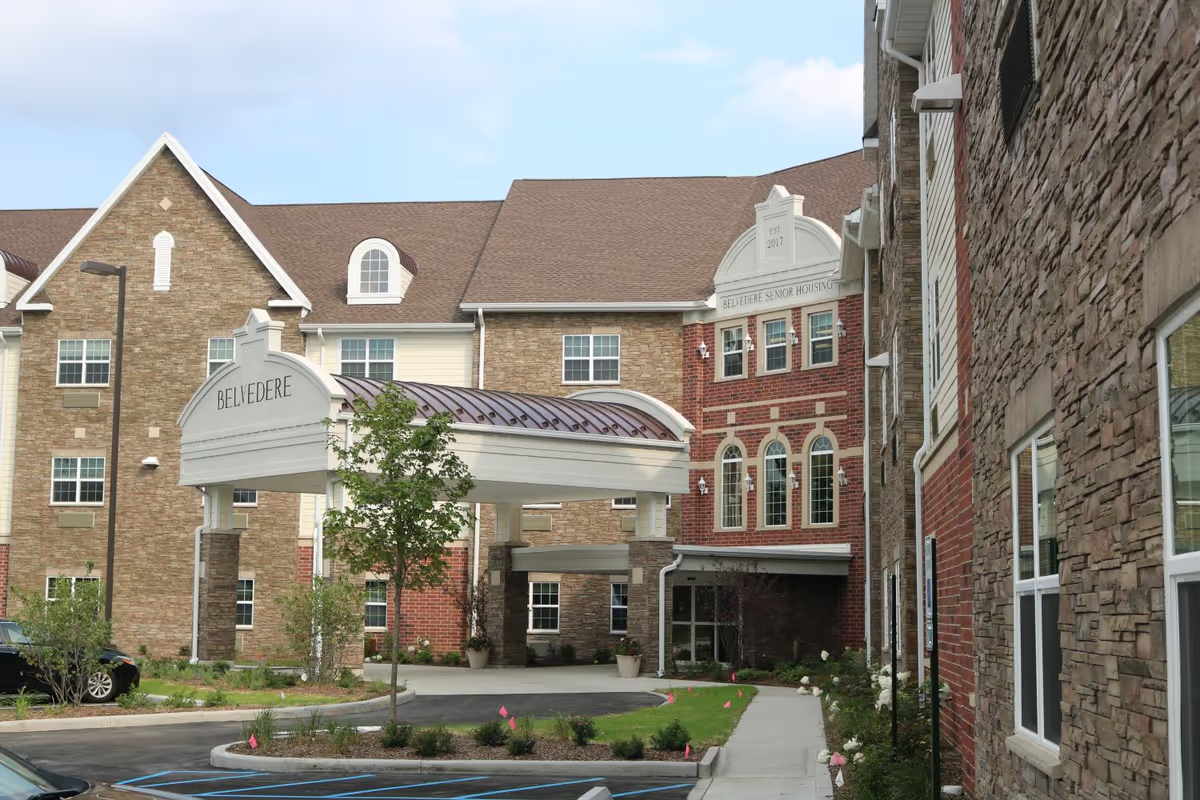
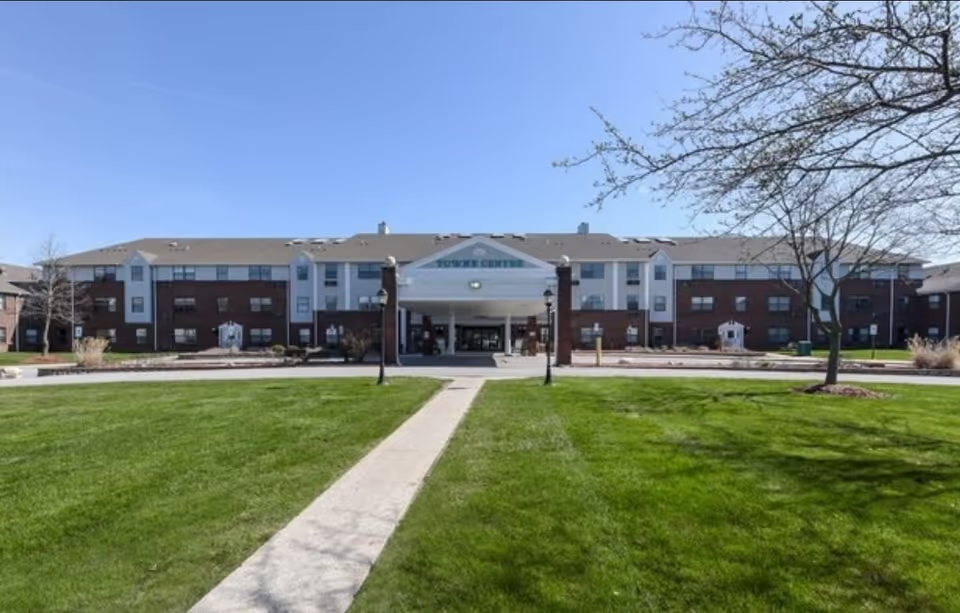
Facility condition and infection-prevention practices are inconsistent across reviews. The public areas and foyer are frequently described as well-maintained, yet many reviewers raise sanitation and odor concerns in resident rooms and shared bathrooms, along with dated room interiors, small layouts, exposed plumbing, and older furnishings. Equipment-cleaning practices and device maintenance are also areas of concern in some accounts, which ties back to safety-monitoring questions.
Communication and management are another recurring theme of divergence. Positive accounts emphasize proactive updates, low staff turnover, and helpful admissions transitions. Negative accounts point to unresponsive social-work support, documentation and care-transition lapses (including transfer paperwork), opaque billing or upfront-payment practices, and instances where families felt administration prioritized business concerns over clinical oversight. A small number of reviews reference formal regulatory findings or filed complaints.
Overall, the facility exhibits notable strengths related to compassionate caregiving, memory-care programming, and short-term rehabilitation when staffing and oversight are functioning well. However, variability in core operational areas — staffing consistency, medication/pharmacy reliability, personal-care scheduling, sanitation in resident spaces, and management oversight — produce markedly different experiences for families. Prospective residents and families should consider an in-person tour, ask specific questions about staffing ratios, medication-pharmacy processes, bathing and toileting schedules, recent regulatory history, and unit-level cleanliness before making a placement decision.