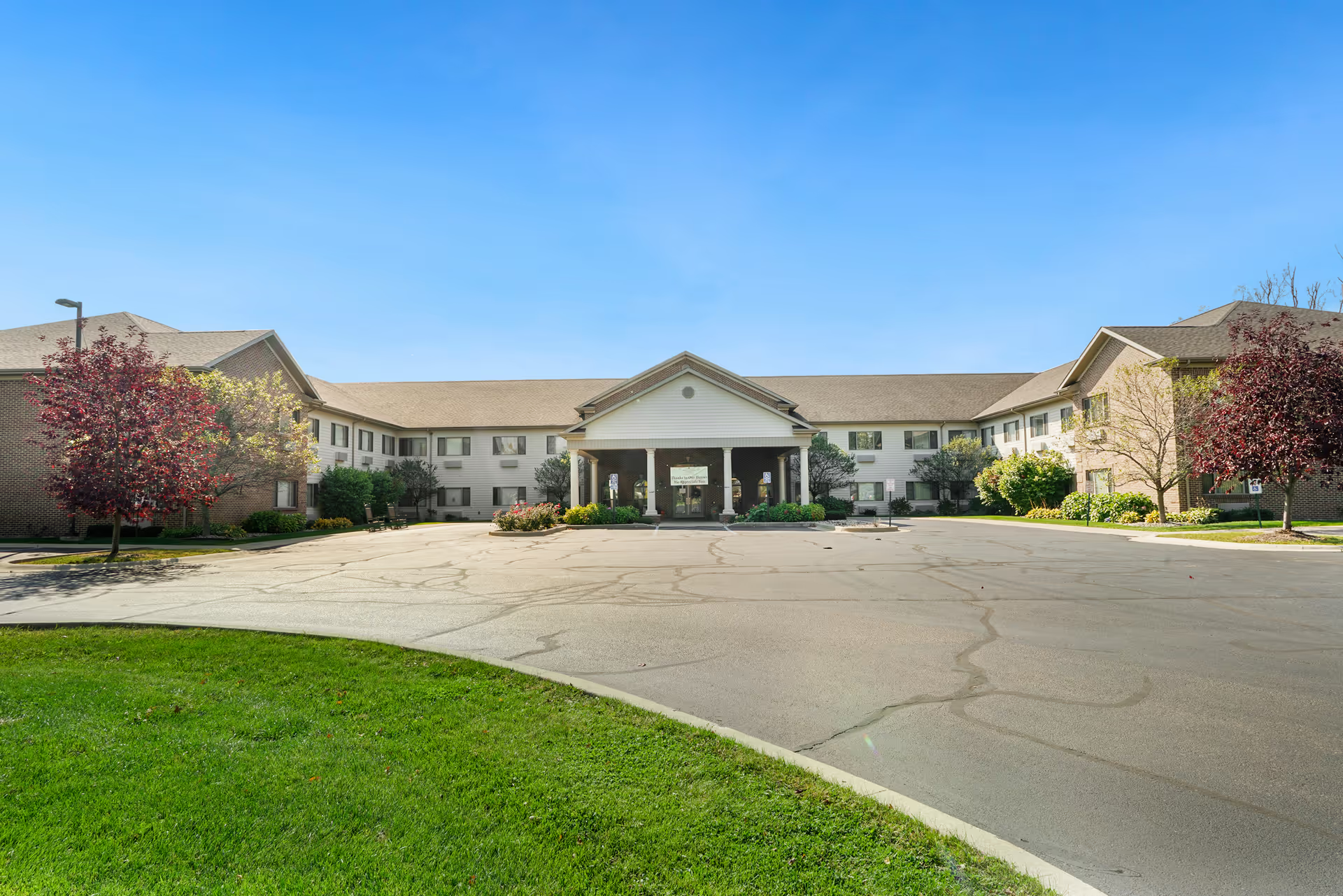
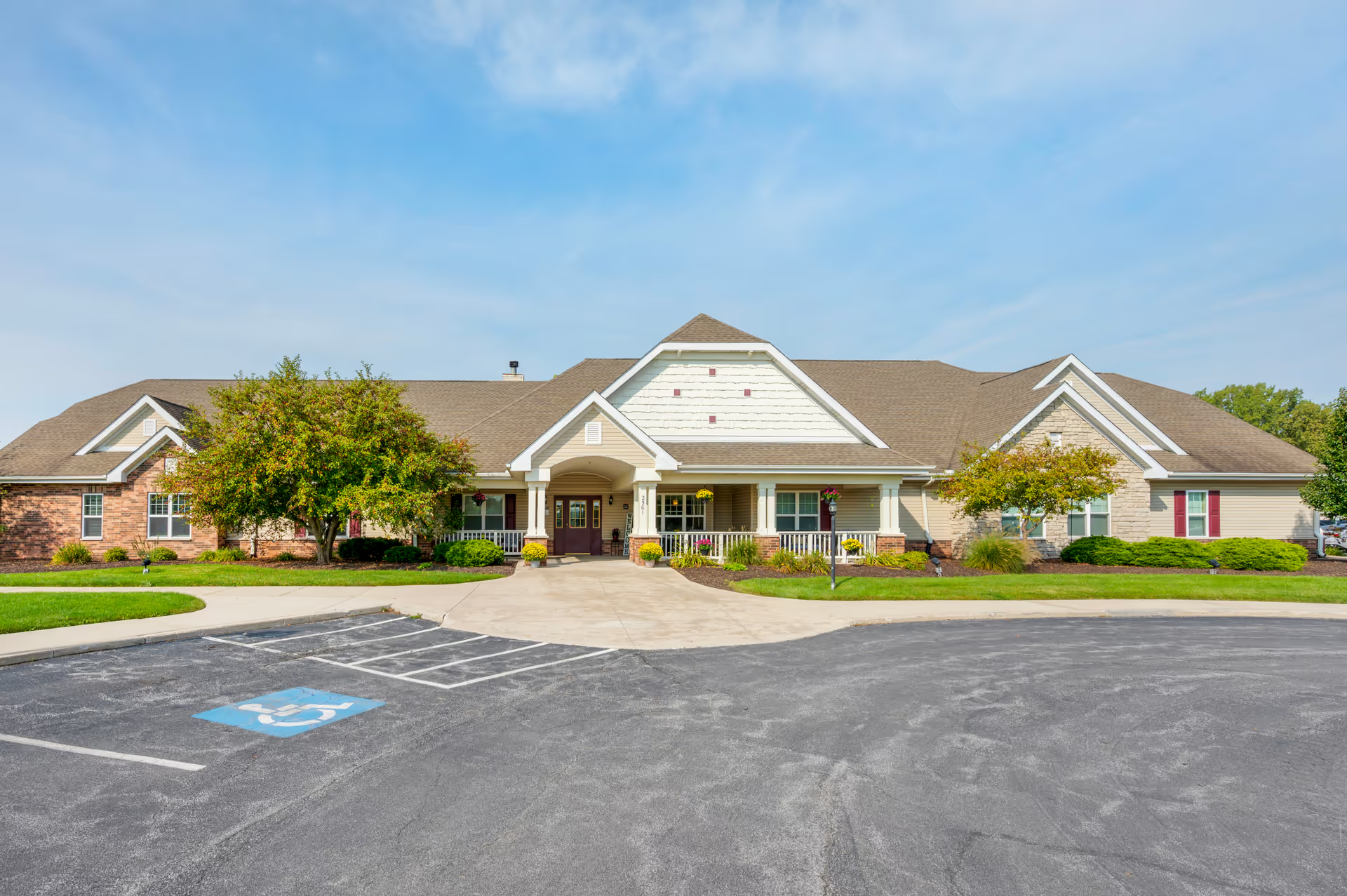
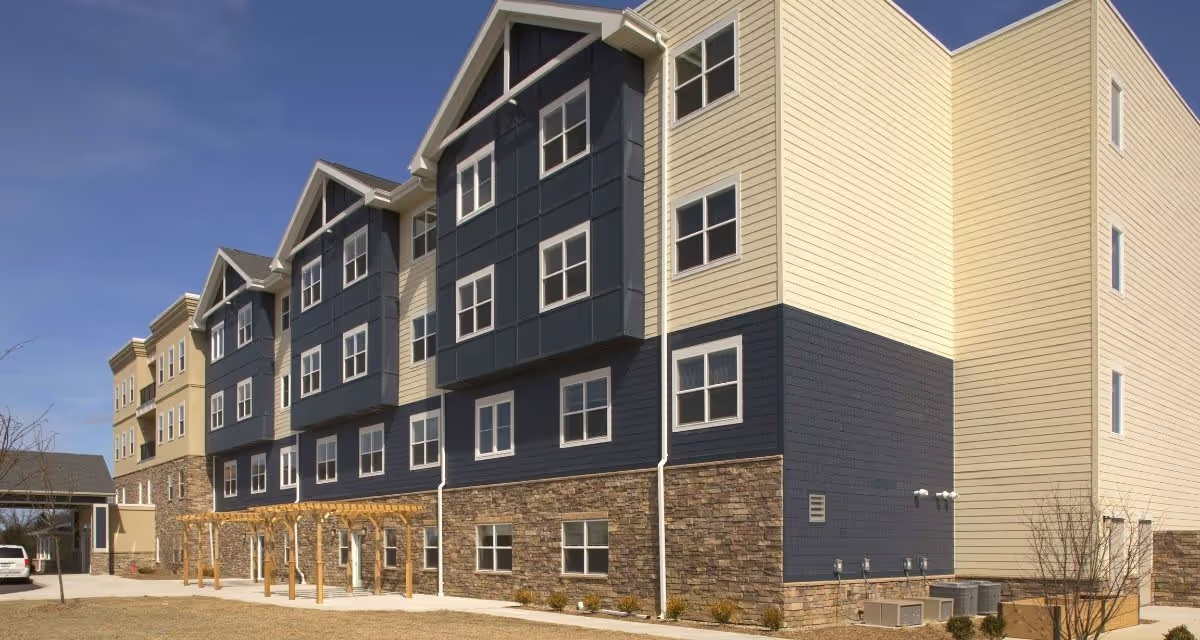
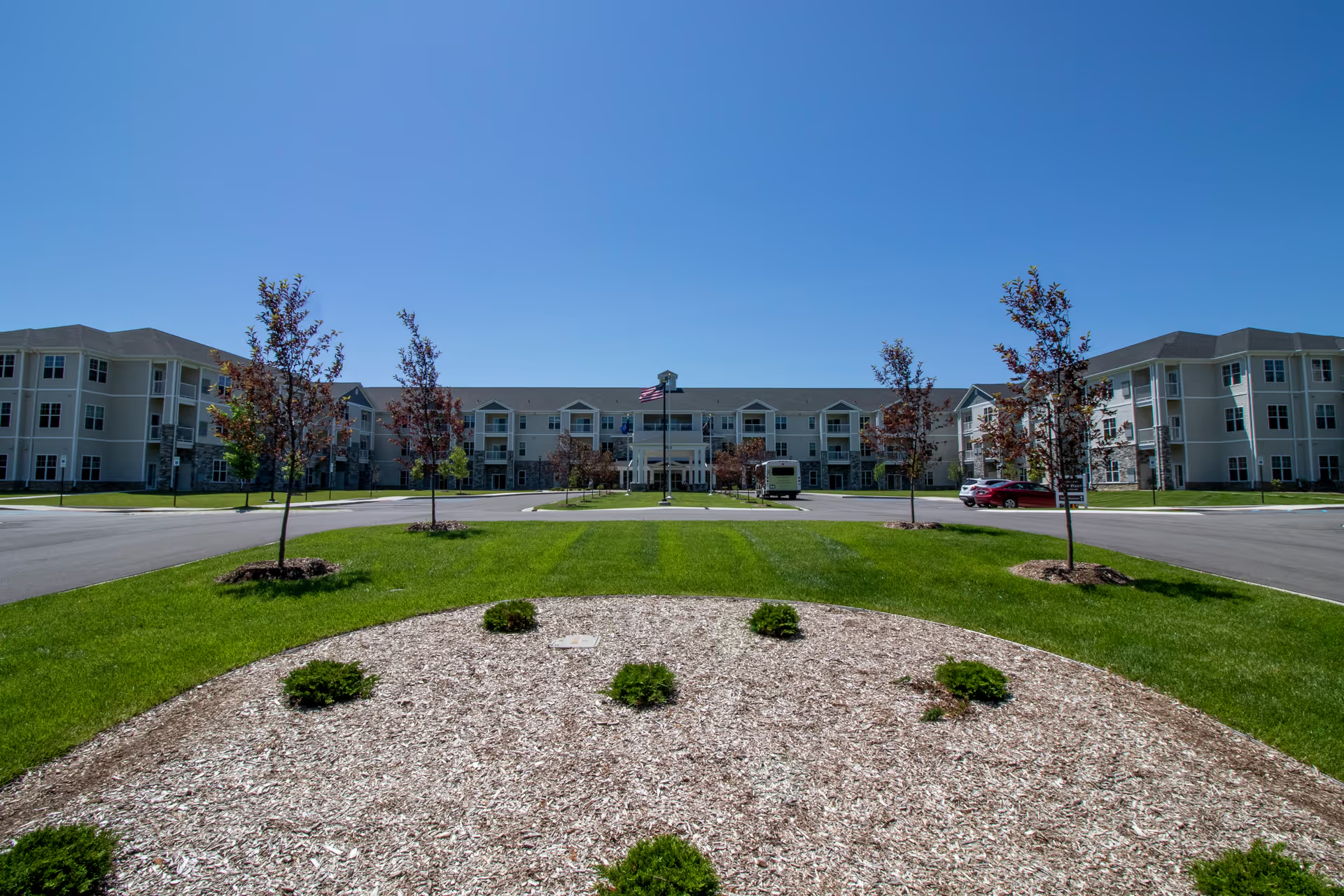
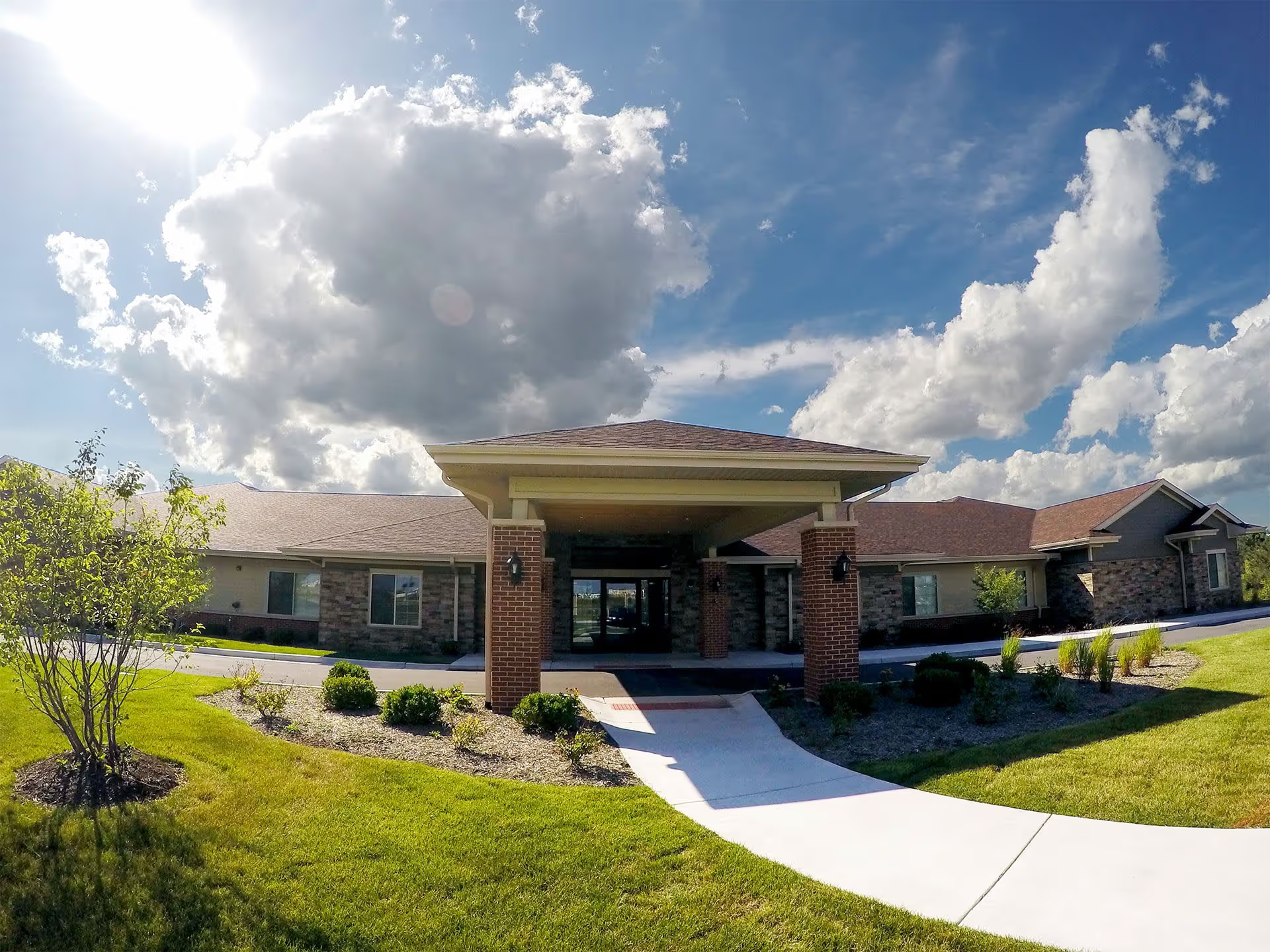
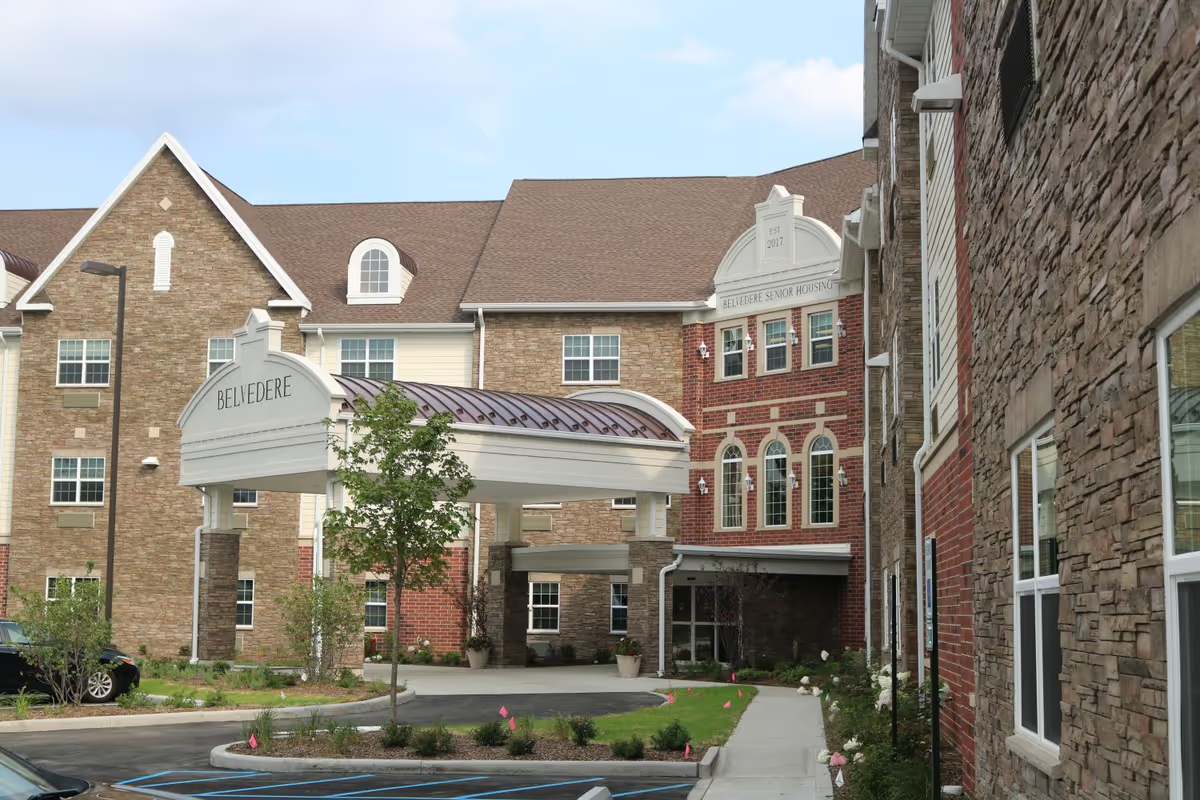
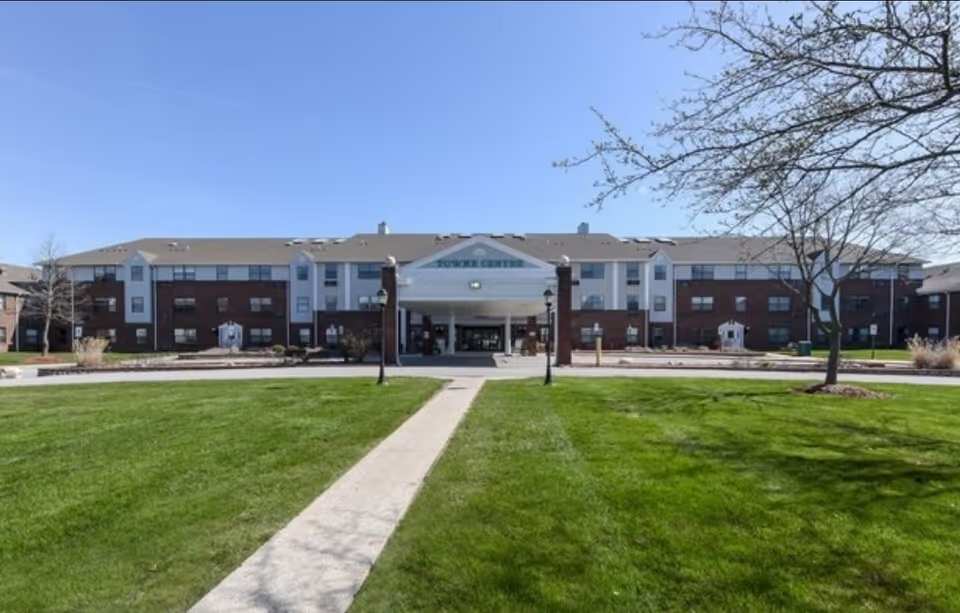
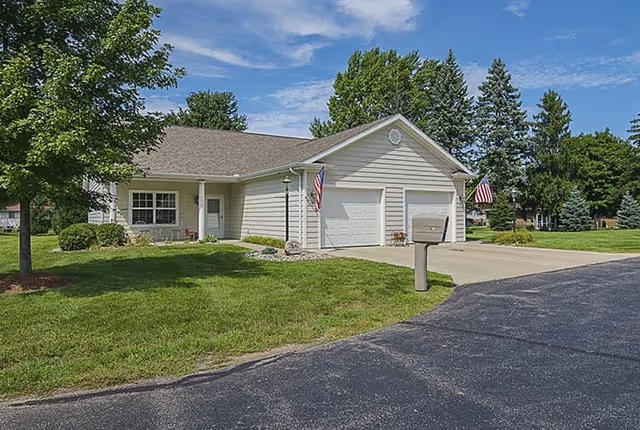
Life Care Center of the Willows elicits strongly mixed assessments. Many families emphasize the strengths of a smaller, home-like setting where staff are described as caring, personable, and accessible. The facility's therapy teams (physical, occupational and speech) receive frequent praise for hands-on rehabilitation and measurable recovery progress. Several reviewers singled out individual staff and managers for positive engagement, and multiple accounts describe a supportive dining and kitchen team, pleasant outdoor areas, and deliberate infection-control practices.
Clinical quality and direct-care experience appear variable. Positive descriptions of excellent nurses, social workers, and therapy contrast with accounts of delayed responses to resident needs, inconsistent nursing conduct, and variability in staff competence. Reviewers describe operational weaknesses that manifest as delayed assistance for toileting and hygiene, medication-administration lapses, and care delays tied to staffing levels. A subset of reviews raises serious clinical concerns, including accounts of inadequate nutrition or hydration leading to renal injury, emergency transfers, and concerns following a resident's death; such descriptions have been presented as significant events by families and, in at least one account, spurred external involvement.
Housekeeping and facilities are an area of divergence. Many families report clean, well-maintained communal areas and appreciative encounters with housekeeping staff, while others cite sanitation and housekeeping inconsistencies, odor concerns in some areas, and rooms that appear dated or not consistently attended. Dining impressions are similarly mixed: several reviewers praise accommodating meal service and individualized menu attention, whereas others note uneven food quality and problems with meal temperature or presentation.
Safety and operational protocols show patterns that warrant attention. Multiple reviewers identified gaps in fall-prevention measures and alarm use, occasional lapses in resident monitoring, and concerns about family communication after clinical incidents. Staffing levels and shift coverage are recurring themes: understaffing is linked to longer response times, rushed therapy sessions, and variability in care continuity. Communication with physicians and between management and families also appears inconsistent—some families describe clear, reassuring updates, while others report poor follow-up and documentation concerns.
For prospective residents and families, the facility offers notable strengths in rehabilitation, individualized attention in a smaller setting, and a compassionate culture among many staff members. At the same time, the pattern of operational weaknesses—particularly inconsistent staffing, clinical response delays, housekeeping variability, medication-control gaps, and mixed communication—suggests the importance of direct, specific questions during admission: ask about current staffing ratios, medication-safety protocols, housekeeping schedules, fall-prevention procedures, and processes for post-incident family notification and physician communication. If possible, arrange an in-person visit to observe cleanliness, mealtime service, therapy sessions, and staff–resident interactions before making a placement decision.