The reviews present a mixed but distinct pattern: many accounts praise the facility for its rehabilitation focus, person-centered memory-care activities, and staff who demonstrate compassion and commitment, while other accounts raise substantive operational concerns. The facility is described by numerous voices as having a strong physical-therapy program, helpful aides and nurses, and a welcoming, recently updated memory-care environment. Community engagement, special dining touches, and recognition such as a Bronze Quality Award are positive markers cited by families and former residents.
Care and staffing emerge as both strengths and points of concern. Positive descriptions emphasize engaged nursing and therapy teams, individualized memory-care activities, and staff who help residents return home. Several reviewers named individual employees as providing exemplary care. Conversely, a recurring theme is inconsistency across shifts: variability in aide performance, delays in nursing callbacks, and gaps in follow-through on feeding and personal-care tasks. There are also concerns about medication management and its apparent impact on appetite and participation; reviewers attributed changes in eating and engagement to medication-related effects.
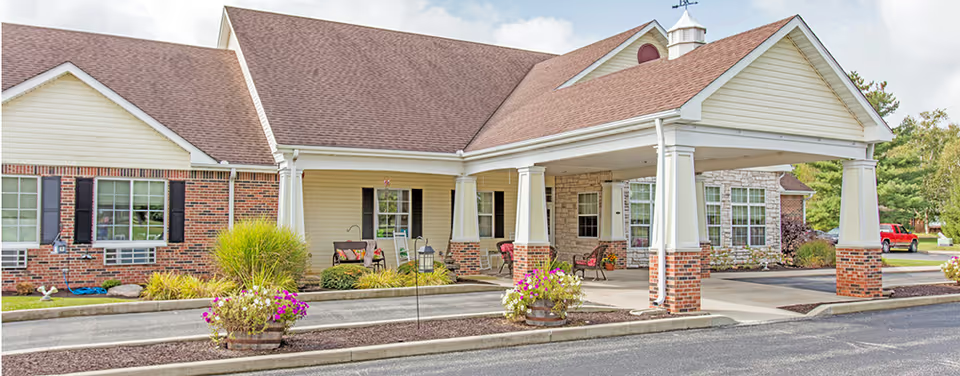
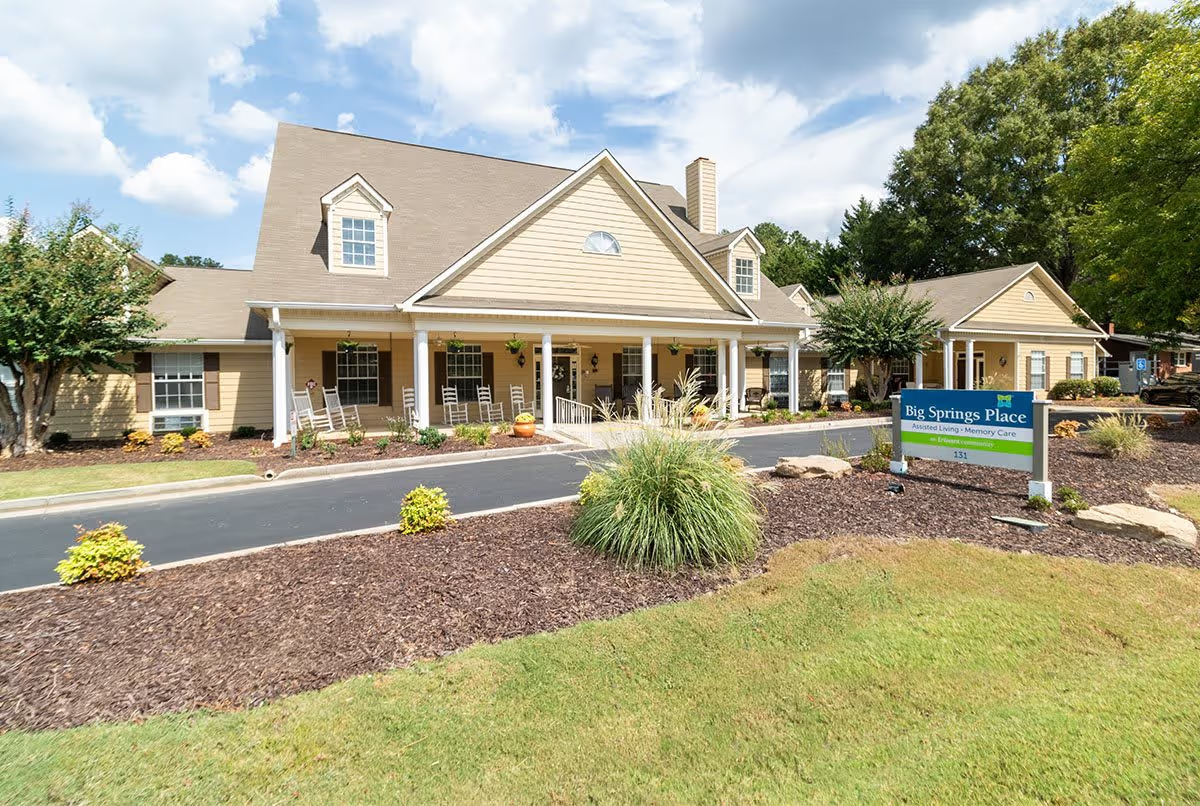
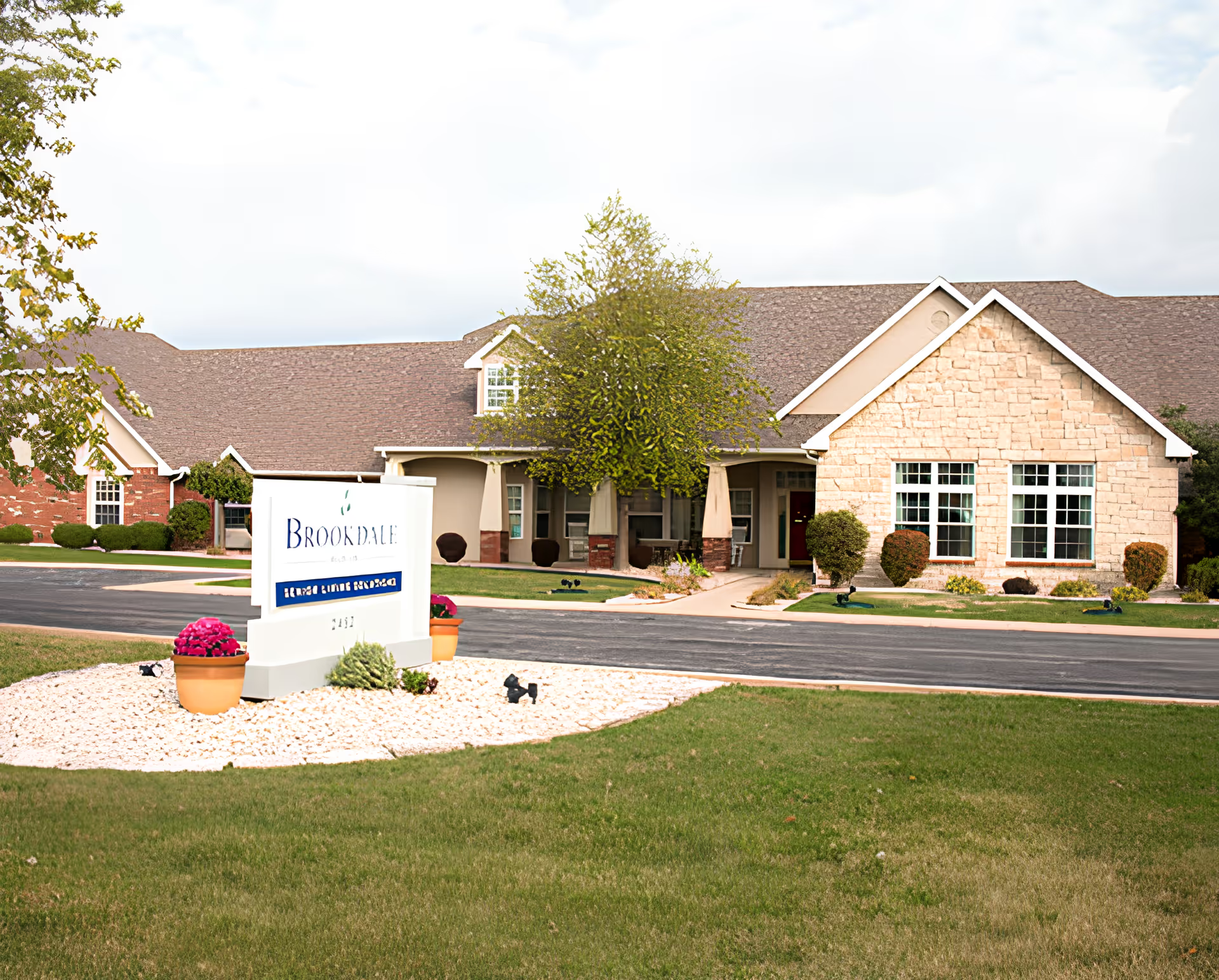
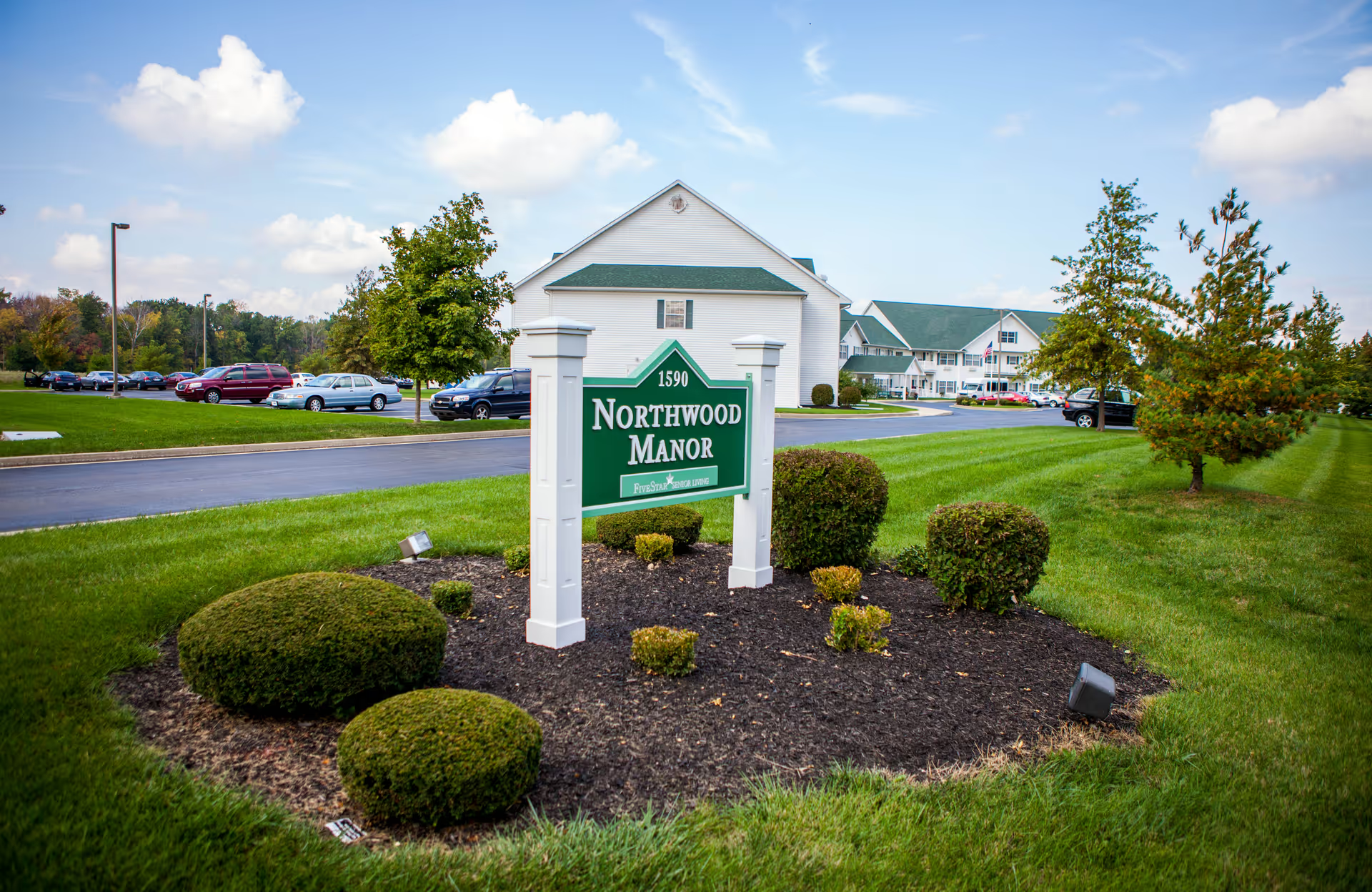
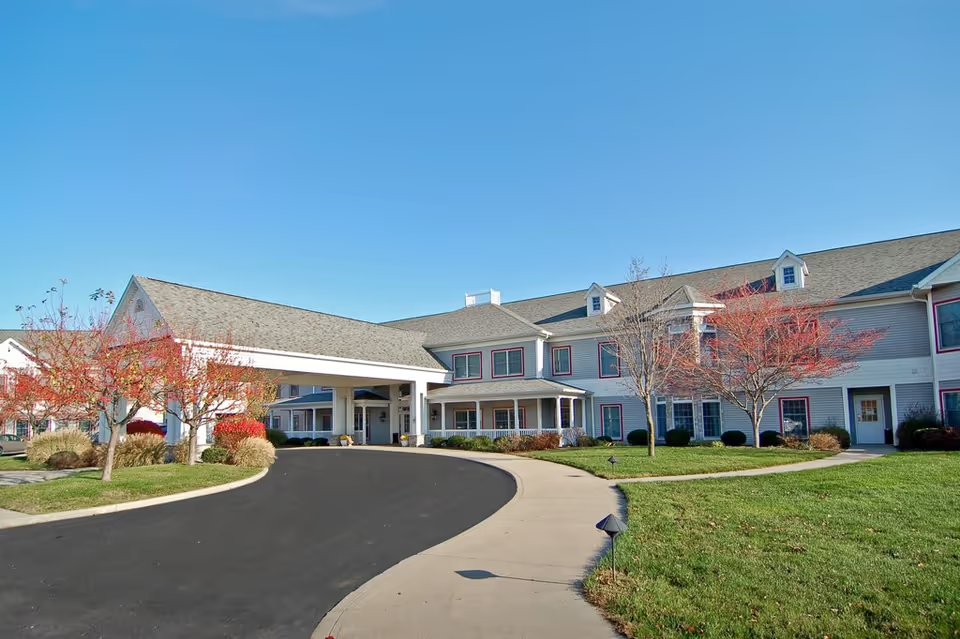
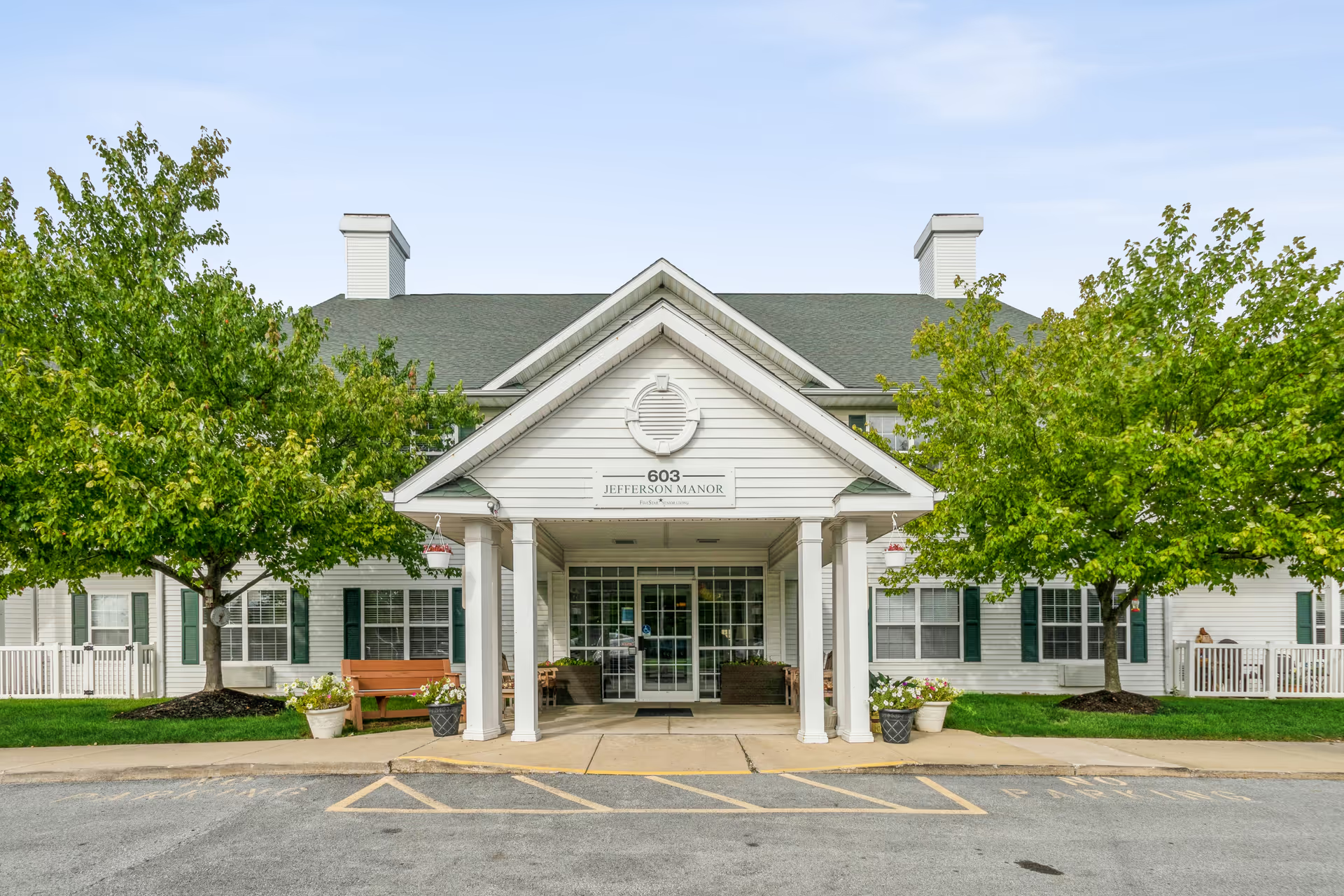
Facility, dining, and activity offerings receive largely favorable remarks alongside operational caveats. The building and common areas are frequently described as clean, inviting, and recently renovated in parts, and memory-care programming is noted as person-centered and enriching. Social events and family-focused activities are mentioned positively. At the same time, some reviewers report shortages of rehabilitation equipment and variability in housekeeping standards and linen management, which create uneven impressions of sanitation and comfort.
Management and communication are additional areas of polarized feedback. Multiple accounts point to weak communication with families about clinical changes and infection-control status, canceled or poorly staffed care-plan meetings, and at least one instance of a patient transition perceived as premature followed by readmission. Some families also reported restrictive quarantine practices that were difficult to reconcile with the needs of residents with cognitive impairment. Physician engagement and doctor–family communication are described as limited in several accounts.
Overall, the pattern is mixed: the facility demonstrates clear strengths in rehabilitation, therapy, and person-centered memory care, supported by many caring staff members and an appealing physical environment. However, recurring operational weaknesses — inconsistent staffing and responsiveness, gaps in communication and transition planning, variability in hygiene and linen practices, and limited therapy equipment or physician engagement — create uneven experiences. Prospective residents and families should weigh the facility’s strong rehabilitation and activity offerings against these operational concerns, and consider targeted questions about staffing continuity, medication-management protocols, infection-control flexibility for dementia care, and discharge planning when evaluating placement.