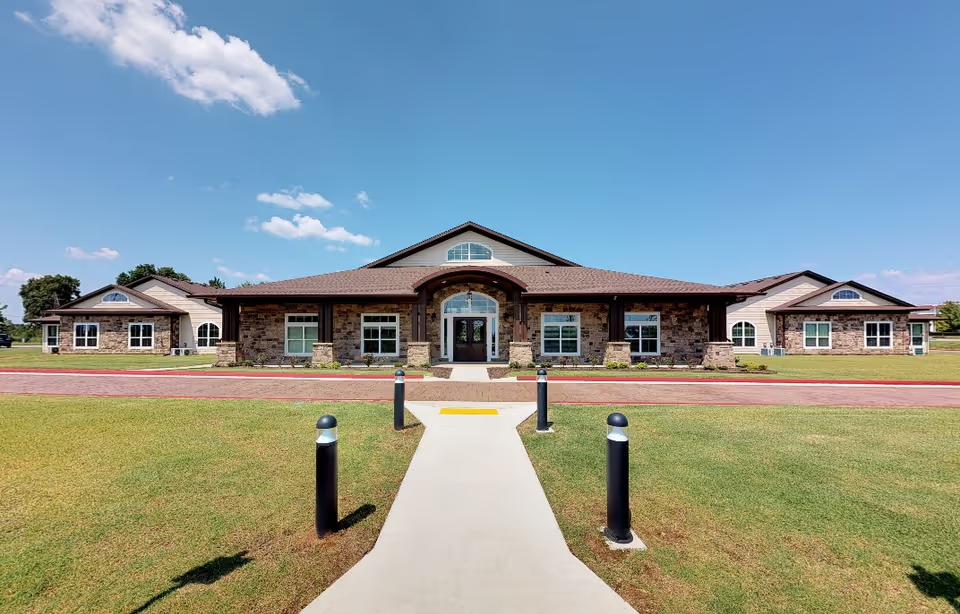
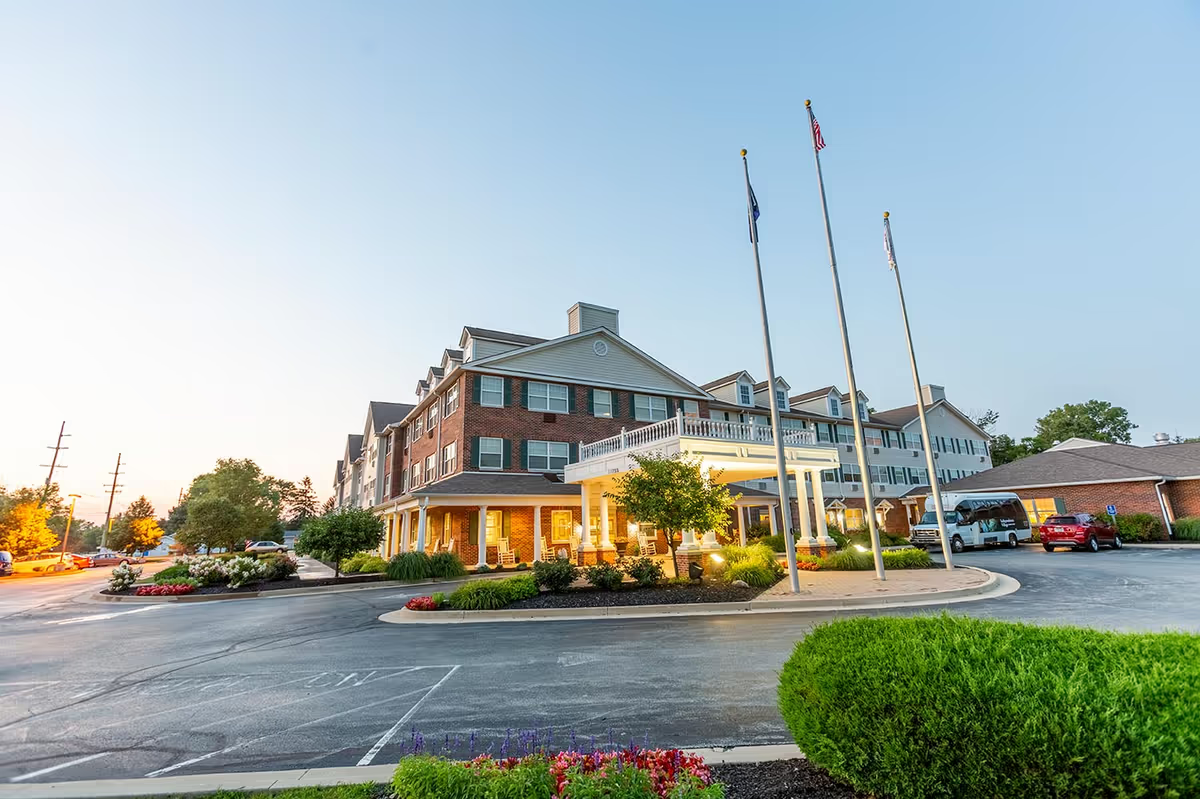
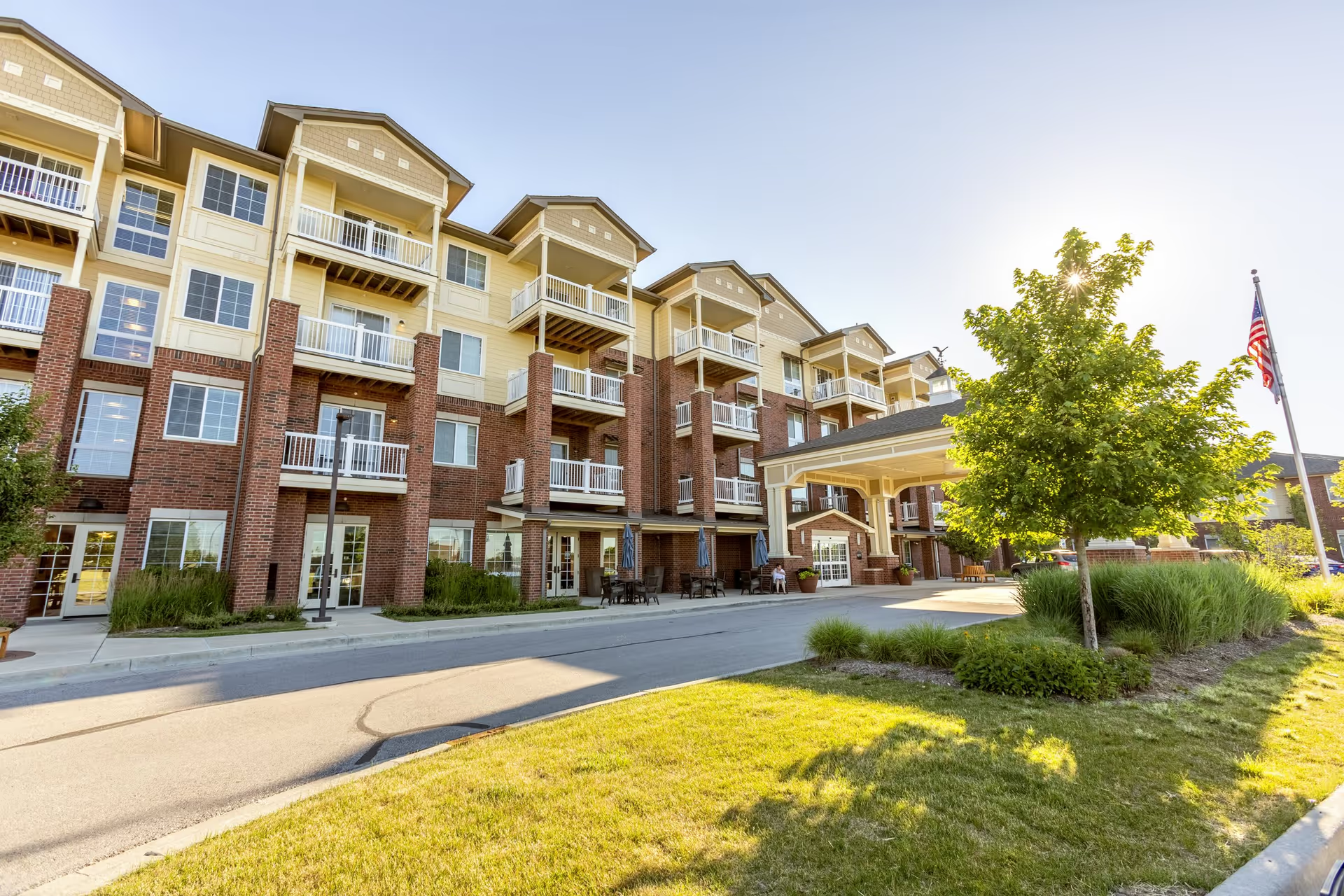
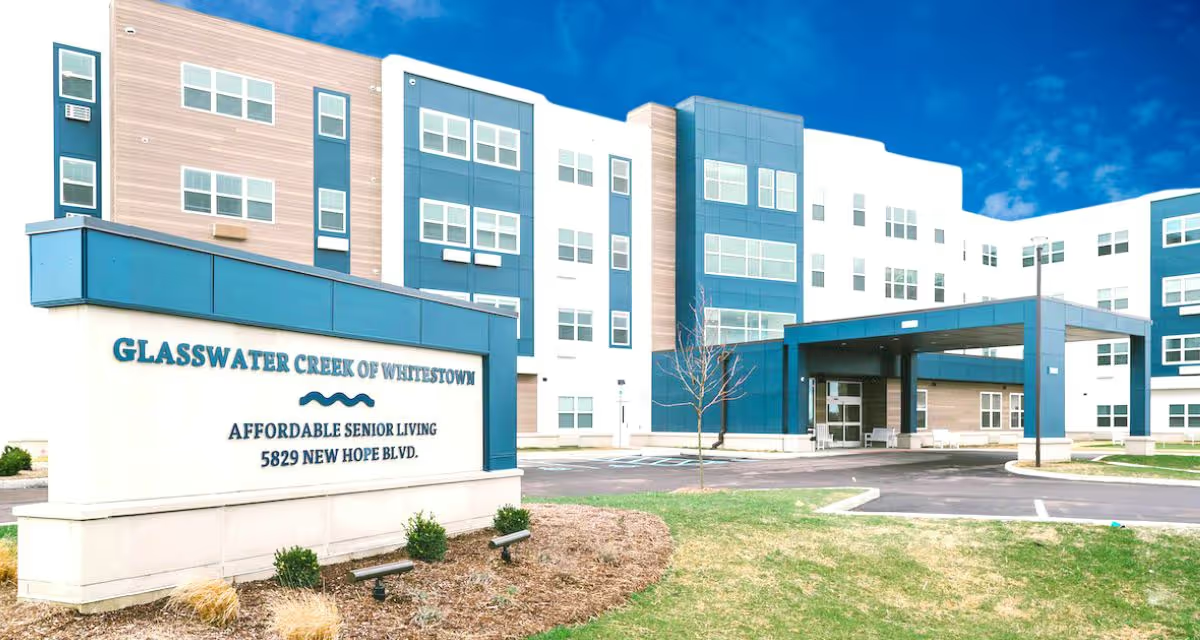
Zionsville Meadows presents a mixed but complete profile: many families and residents praise the community for its compassionate caregiving, strong rehabilitation services, and active social programming, while others raise persistent operational concerns. The campus offers a range of housing types — including spacious cottages and independent garden homes — plus on-site assisted-living and memory-care units. Amenities highlighted by residents include in-unit washers and full-size refrigerators, a dining room with restaurant-style meals, a therapy suite with effective PT/OT, a library and theater room, beauty services, and pleasant outdoor spaces with walking trails and a gazebo. Cost and value are often framed positively relative to local alternatives.
Care and staffing show a clear divergence of experiences. Numerous reviews describe dedicated, attentive nurses, skilled therapists, and activity staff who create an engaging, community-oriented environment; the therapy and rehab teams receive particularly consistent praise for returning residents to function. At the same time, a pattern of staffing shortfalls and high turnover — especially among CNAs — is frequently noted. Reviewers cite delays in assistance, variable presence of staff (including reliance on agency personnel at times), and uneven responsiveness after-hours. There are also documented concerns about medication administration, pharmacy coordination, and gaps in clinical incident documentation and family communication; several reviews describe safety incidents and family-notification shortcomings that prospective families should evaluate closely.
Dining and activities are strengths for many residents but are described as inconsistent by others. The activities program is broad and well organized in many accounts, with themed events, outings, exercise classes, and specialty programming that positively affect residents’ quality of life. Dining is characterized variably as comforting, home-cooked fare and as occasionally cold or poorly timed; meal schedules and portion/content consistency may fluctuate. Those for whom dining is a priority should sample meals and confirm service expectations.
Facility condition and maintenance are another mixed area. The property’s layout, green spaces, and detached cottages are frequently praised for providing a non‑institutional, home-like feel. However, multiple reviews note that several buildings and common areas are dated and in need of cosmetic updates (paint, carpet, finishes), and that the maintenance team is small with slow response times. Specific operational issues cited include sanitation and odor concerns in some restrooms or areas, pest-control questions, and accessibility limitations such as the lack of ramps or handrails in places.
Management and organizational stability appear to be in flux. Some families report meaningful improvements under new leadership, citing greater transparency and better resident experience; others describe frequent administrative turnover, unmet promises at move-in, and uneven communication. There are also serious allegations in the record — including theft and medication diversion — and safety-related incidents tied to transfer or monitoring practices; these have been raised strongly by some reviewers and should be investigated directly by prospective families.
In sum, Zionsville Meadows offers many elements that appeal to seniors seeking an active, community-oriented lifestyle with solid rehabilitation services and attractive independent living options. At the same time, consistent themes around staffing stability, clinical-incident management, cleanliness in select areas, and aging infrastructure warrant careful due diligence. Prospective residents and families should tour multiple unit types, meet therapy and nursing leadership, observe meal service, ask for staffing ratios and incident-reporting policies, confirm maintenance turnaround expectations, and validate how allegations or incidents have been addressed under current management before deciding.