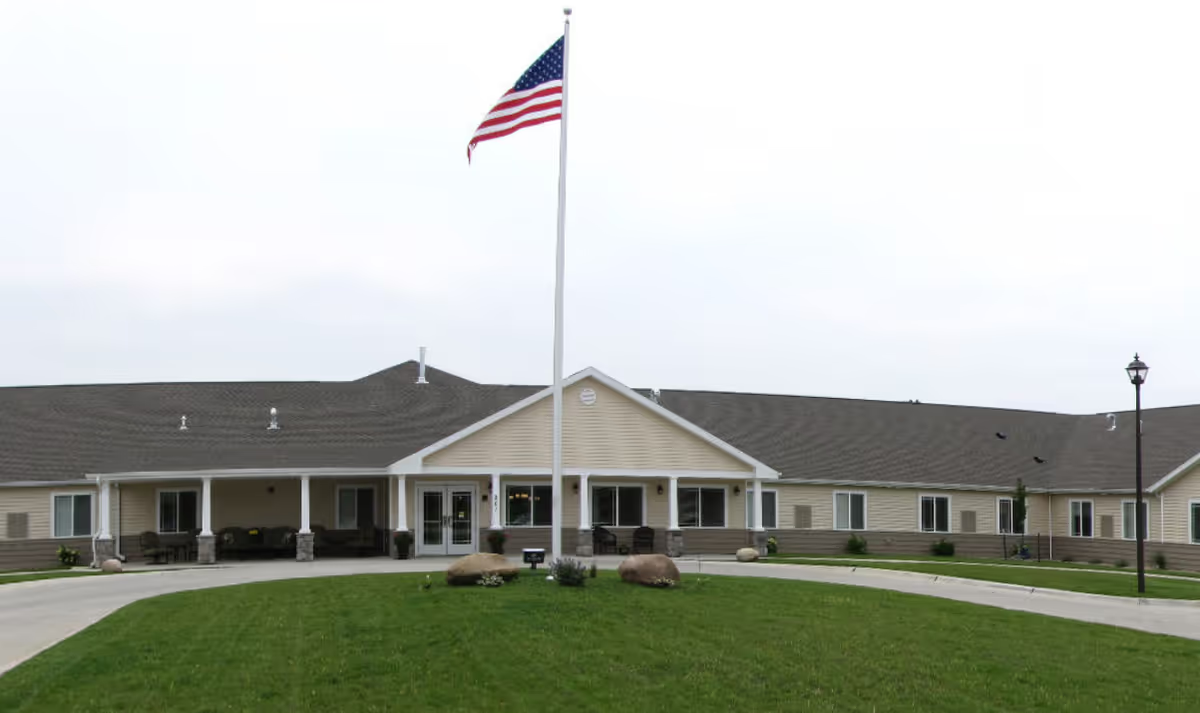
Pinicon Senior Living is described primarily as a small, family‑oriented memory care community with a consistently praised caregiving staff and a strong sense of security and belonging for residents. Families frequently highlight warm greetings, staff who learn resident names, a high staff‑to‑resident ratio in the unit, and a broadly compassionate approach that includes hospice and end‑of‑life support. The facility’s size and staffing model appear to foster personalized engagement, frequent communication with families, and a residential atmosphere that many residents and relatives find reassuring.
Care quality is a strong point in many accounts: direct caregivers are characterized as attentive, patient, and willing to go above and beyond. That said, reviews reflect variation in performance by shift and day of week. Several families described differences between daytime staff and weekend/evening coverage, and there are recurring notes about uneven responsiveness and the need for active family oversight in some situations. Concerns about medication timing and irregular medication‑delivery schedules emerged as an operational weakness to clarify during a tour. The facility’s licensing for two‑person assist and its small capacity are important operational facts that influence suitability for residents with higher physical‑assistance needs.
Dining and culinary services receive mixed but detailed attention. Many reviewers praise a responsive chef, made‑to‑order breakfasts, menu customization, and restaurant‑style service. Conversely, there are mentions of variability in meal quality and specific sanitation concerns in kitchen and housekeeping areas; these suggest that culinary consistency and sanitation controls are areas to review in person. Transportation via a facility van and flexible dining features are noted positives that support resident independence.
The activity program is frequently cited as a strength: regular crafts, bingo, exercises, theatre outings, hallway games, hair and nail services, and a monthly newsletter help keep residents engaged and socially connected. The small community size appears to enhance social bonds and peer support. However, several comments indicate that some activities are better suited to more independent residents and that programming accessibility for those who require physical assistance could be limited.
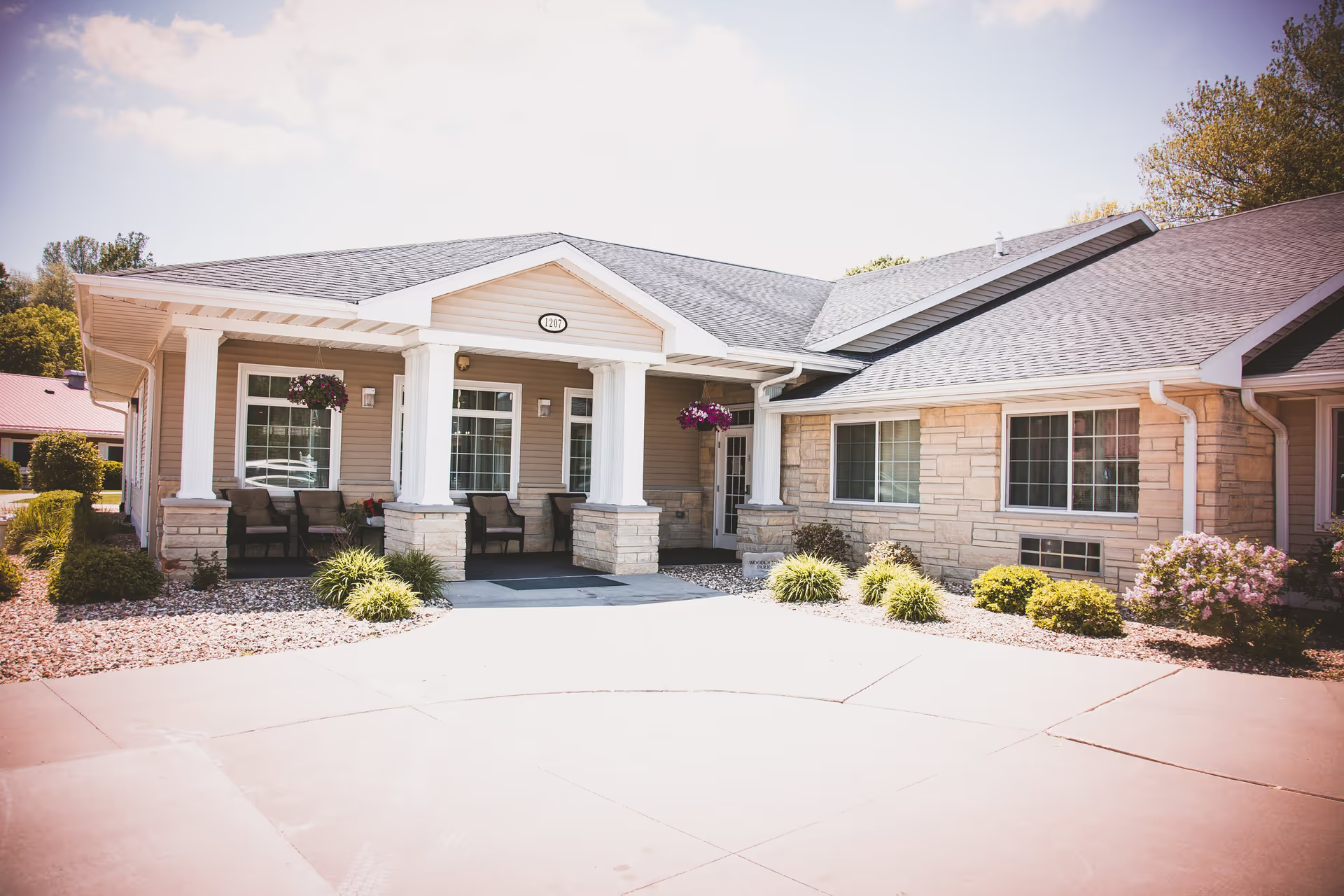
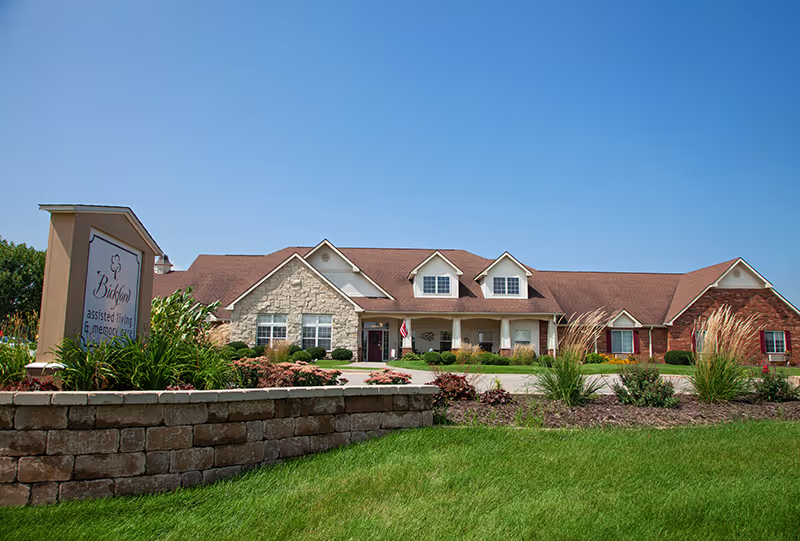
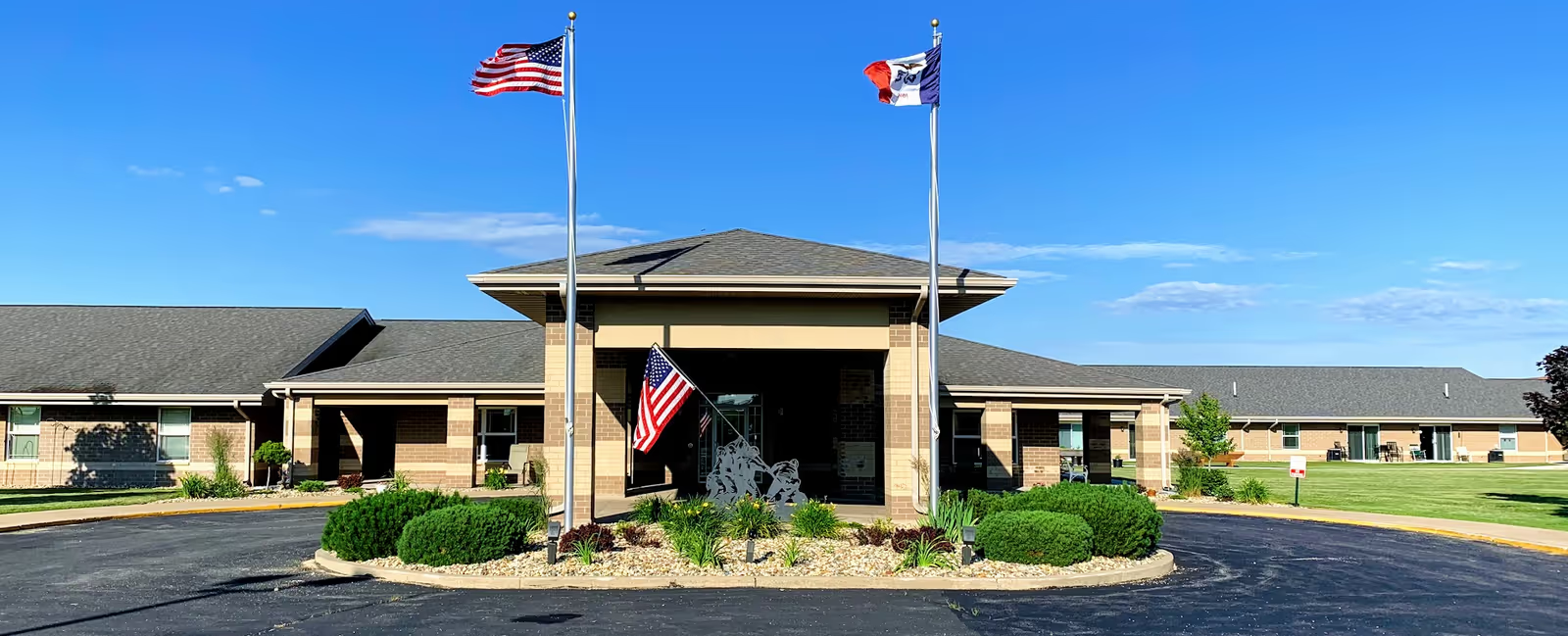
Facility condition and maintenance receive mostly positive comments about recent renovations, bright common spaces, updated furnishings, and private rooms with bathrooms. At the same time, intermittent operational issues such as elevator downtime, uneven housekeeping and laundry maintenance, and isolated sanitation concerns were noted. These items point to maintenance and operations reliability as practical topics to inspect during a visit.
Management and administrative matters show mixed impressions. Some families praise administrators and new clinical leadership for clear communication and responsiveness; others raise concerns about unresponsiveness, brusque interactions, or uneven decision‑making around admissions and transitions. There are also references to disagreements about readmission or discharge decisions, which suggests reviewing the facility’s written policies on admissions, re‑admissions, and discharge planning before moving in.
Overall, Pinicon Senior Living presents as a small, community‑oriented memory care provider with many strengths in personalized caregiving, social programming, and flexible dining. Prospective residents and families should weigh those strengths against operational inconsistencies noted in staffing continuity, medication scheduling, housekeeping, and management responsiveness. Recommended due diligence includes observing mealtimes, reviewing medication and sanitation protocols, asking about staffing patterns for evenings and weekends, and reviewing written policies on transitions and care limits to ensure a good match between resident needs and the facility’s operational scope.