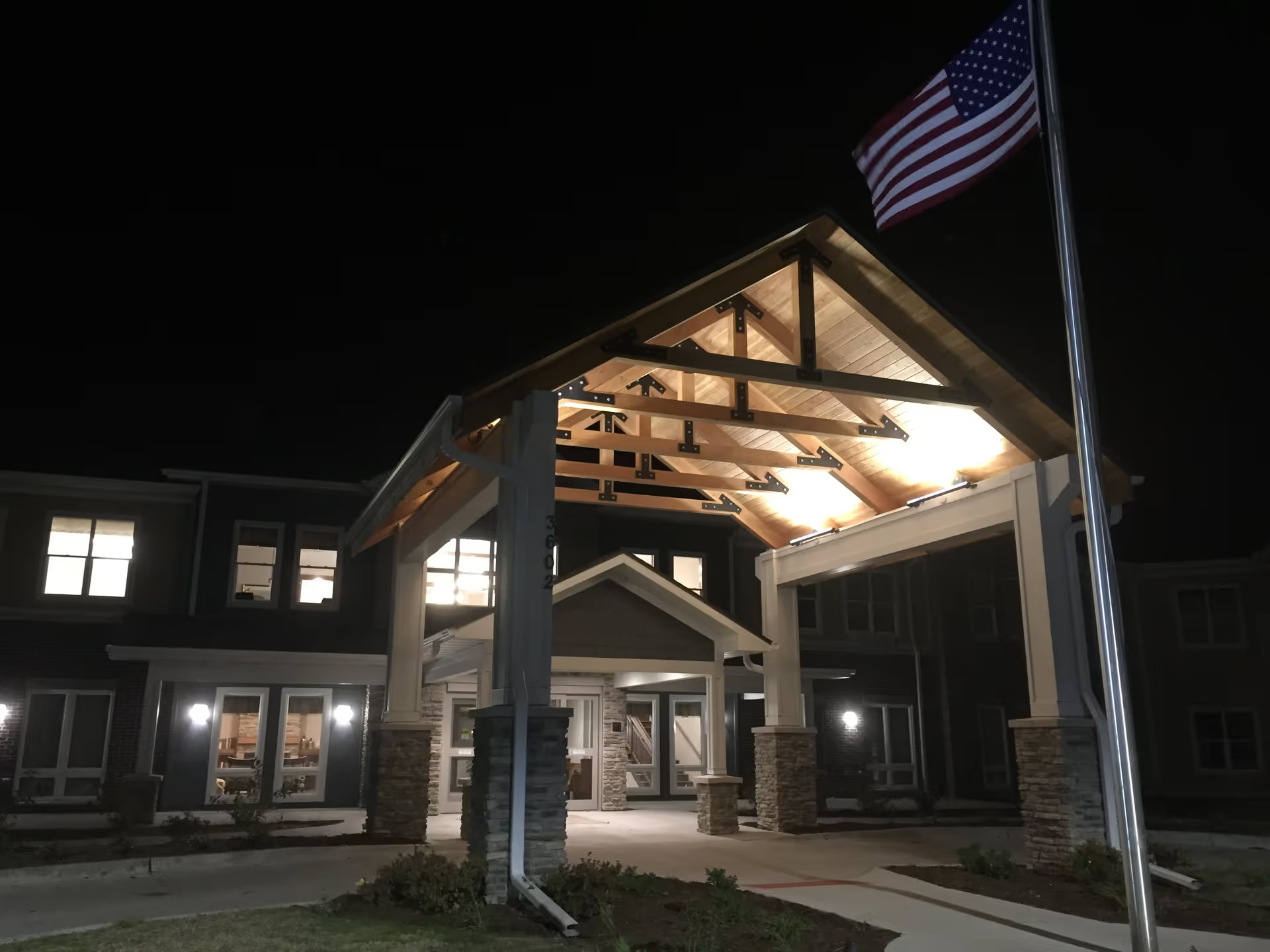
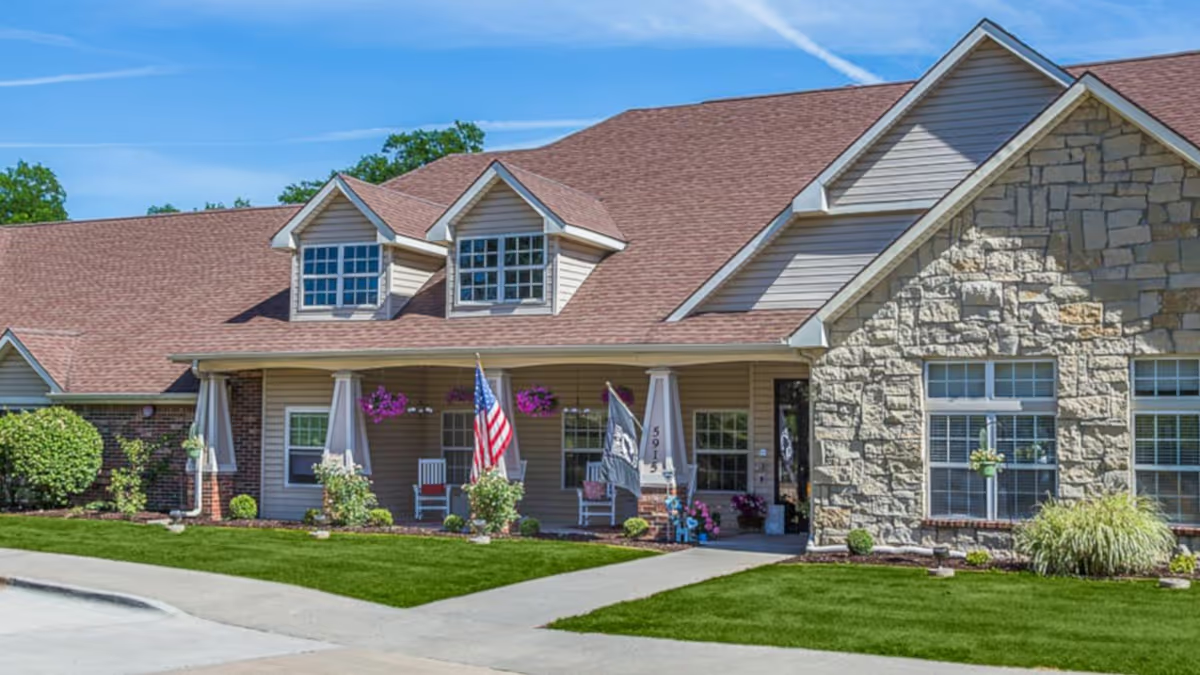
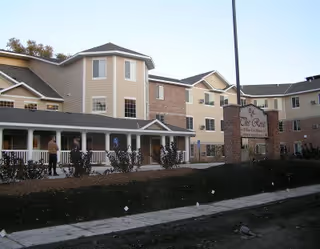
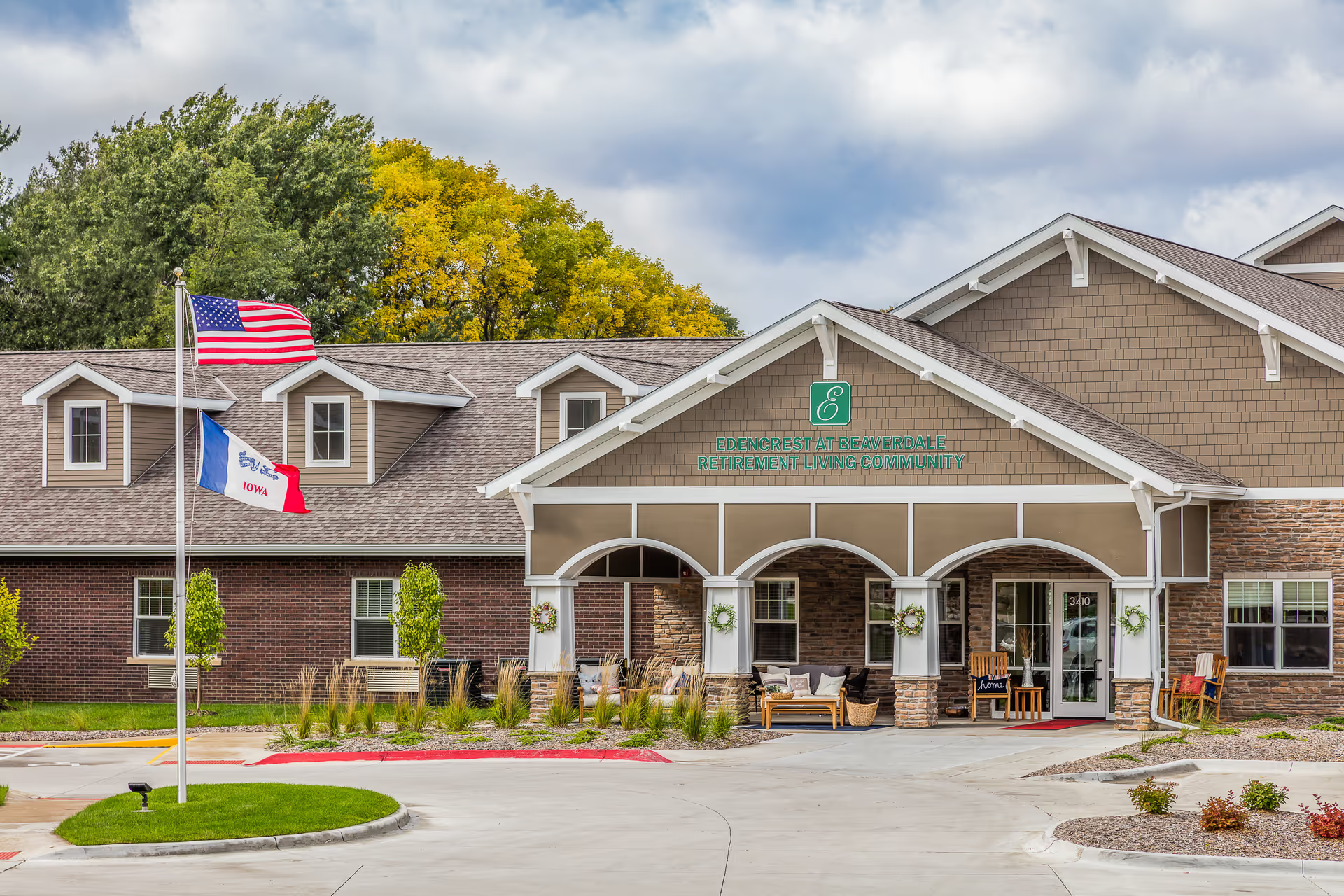
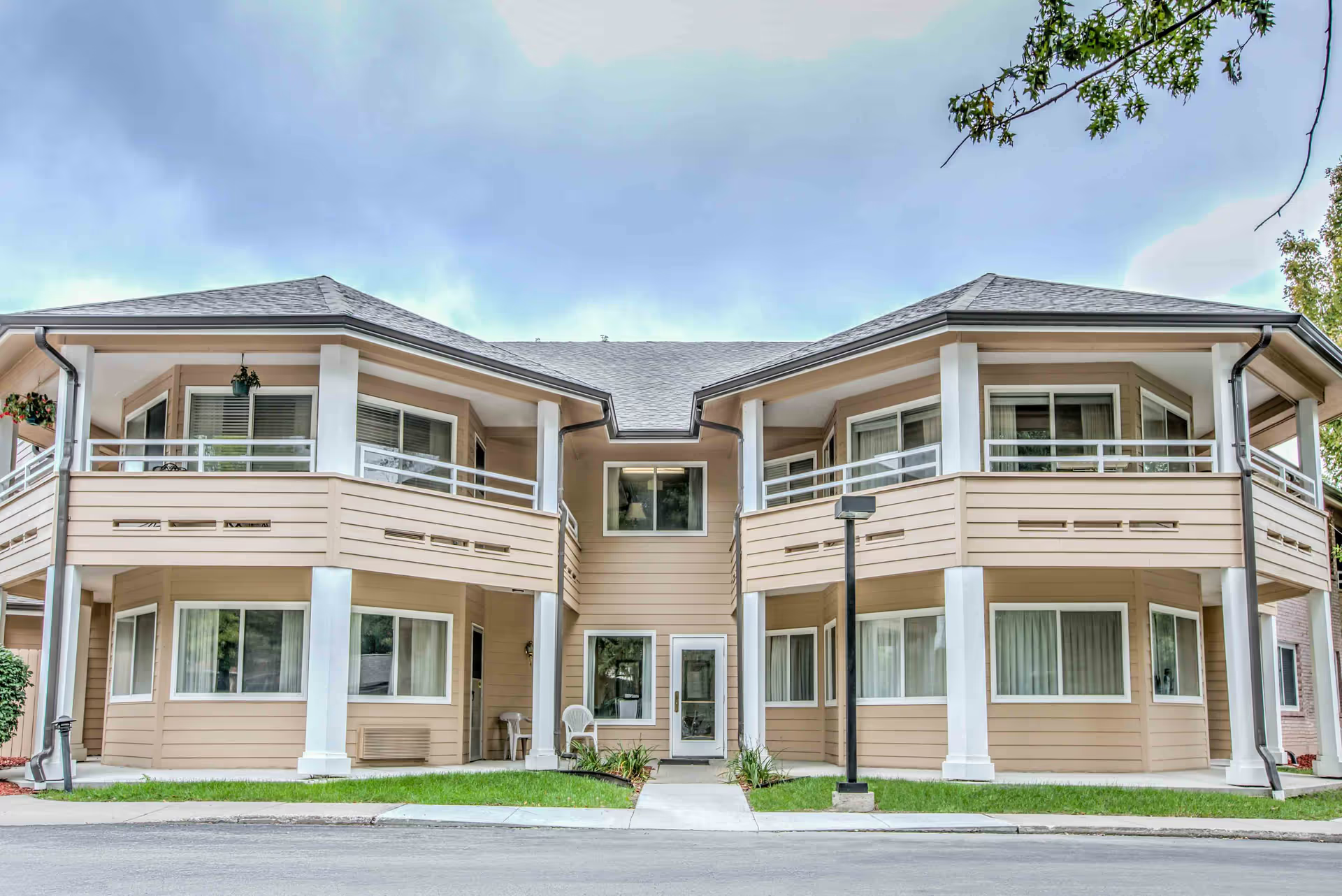
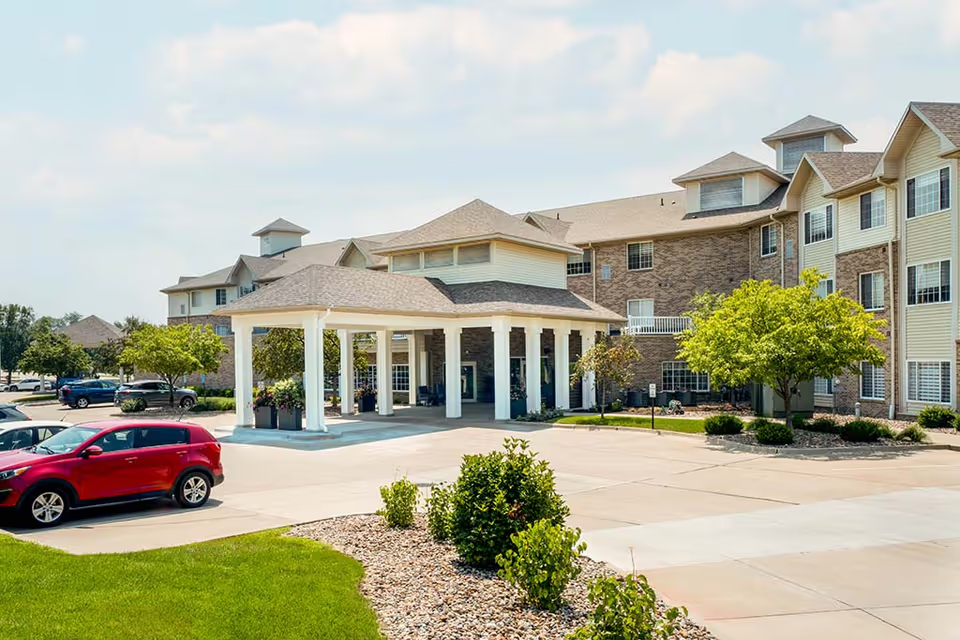
Mill Pond is frequently described as a modern, well-kept senior campus that offers a full continuum of care — independent living, assisted living, and nursing/rehabilitation — with an emphasis on rehabilitation and activity programming. Many families praised direct-care staff as compassionate and attentive, noting frequent phone updates, individualized attention from nurses and caregivers, and specific instances of staff going beyond expectations. Rehabilitation services and daily physical therapy are recurring positives, and reviewers commonly describe a family-like atmosphere and reliable ancillary services such as laundry and transportation.
The activities program is a clear strength: a regular monthly calendar, a wide variety of offerings (music programs, movie nights, church services, Bible study, games, social events like ice cream socials and tea parties, and adaptive activities such as Wii bowling) supports social engagement and routine. Interior spaces are often characterized as clean, modern, and comfortable; several reviewers appreciated pleasant room views and well-maintained common areas. The dining experience is generally described positively with generous portions and palatable meals, though a minority of comments indicate mixed satisfaction with dining-room arrangements or distancing practices.
Areas for caution center on operational and programmatic consistency. Several reviewers raised concerns about outdoor maintenance and pond upkeep, including vegetation control and pest-control needs. Memory-care capability and transparency is another important pattern: reviewers recommended asking specific questions about dementia programming and long-term cognitive-care readiness, as some families perceived gaps between assisted-living services and more specialized memory care. Physical accessibility also varies by unit floor plan, with a few apartments noted as difficult for wheelchair maneuvering.
Management and logistics show mixed impressions. Many reviewers described informative, accommodating tours and knowledgeable staff; however, others reported occasional leadership confusion, restricted access during health-events or renovation periods, long tours, and discrete incidents involving staff conduct or door-access procedures. Cost and location considerations were raised by some families, particularly the distance to local physicians and family members and the need to verify pricing and service inclusions.
Overall, Mill Pond appears to offer strong day-to-day care, robust therapy services, and a lively activity schedule within a modern campus setting. Prospective residents and families should verify specific needs during a visit: ask for detailed information about memory-care programming and capacity, confirm unit accessibility and current renovation timelines, review outdoor maintenance and pest-control plans, and clarify tour/access policies and pricing to ensure the community’s operations align with the resident’s clinical and lifestyle needs.