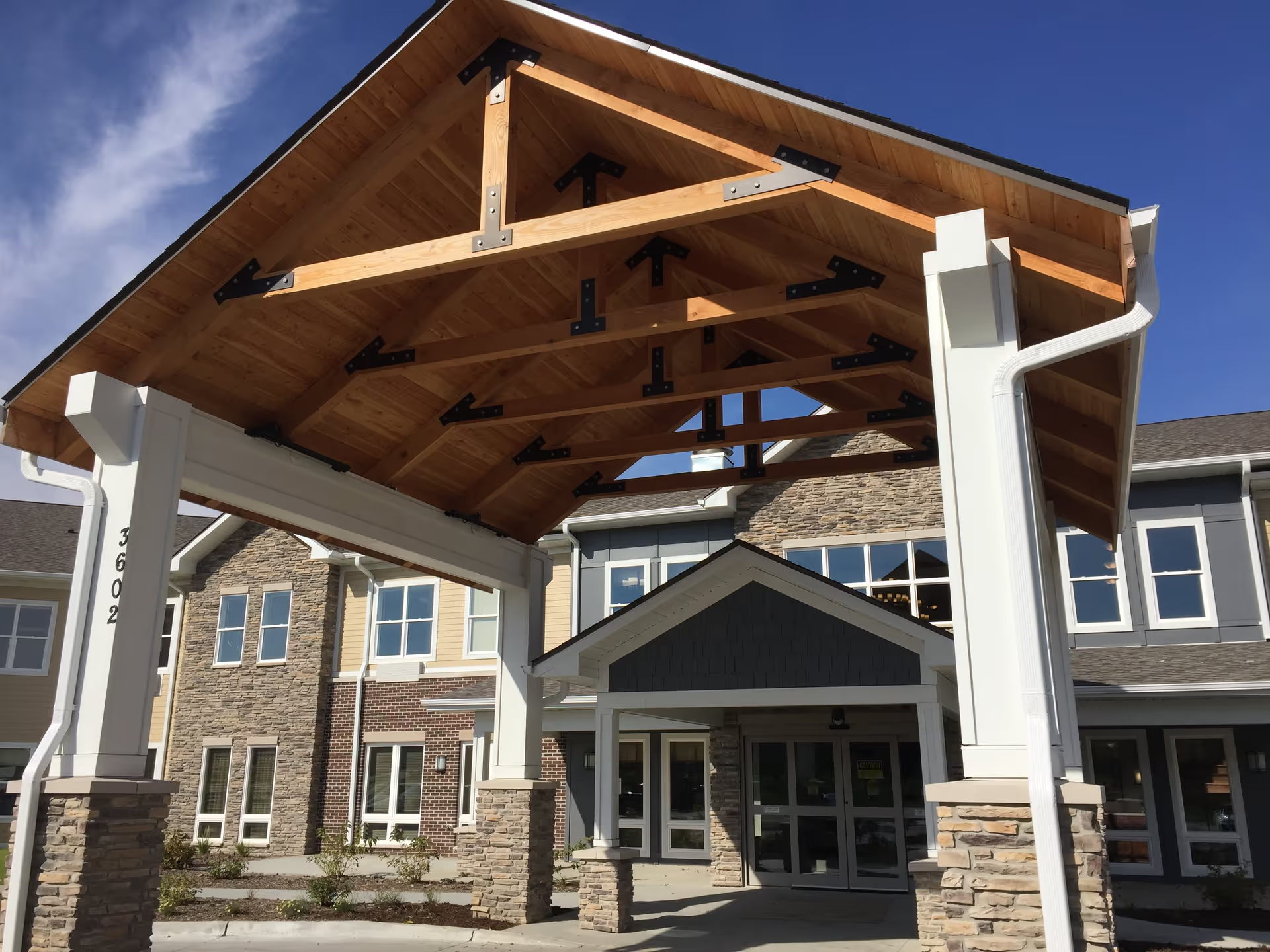
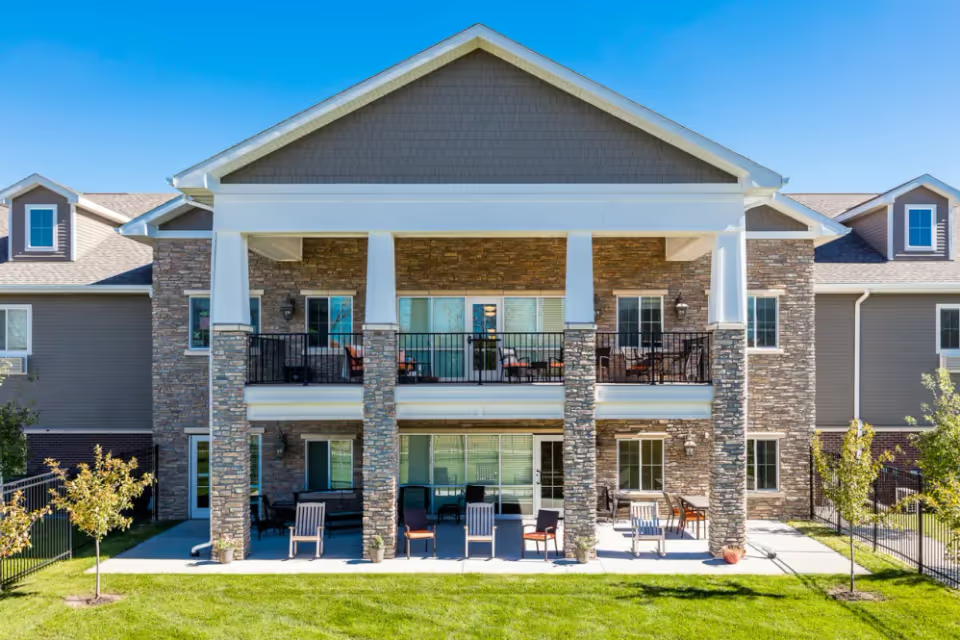
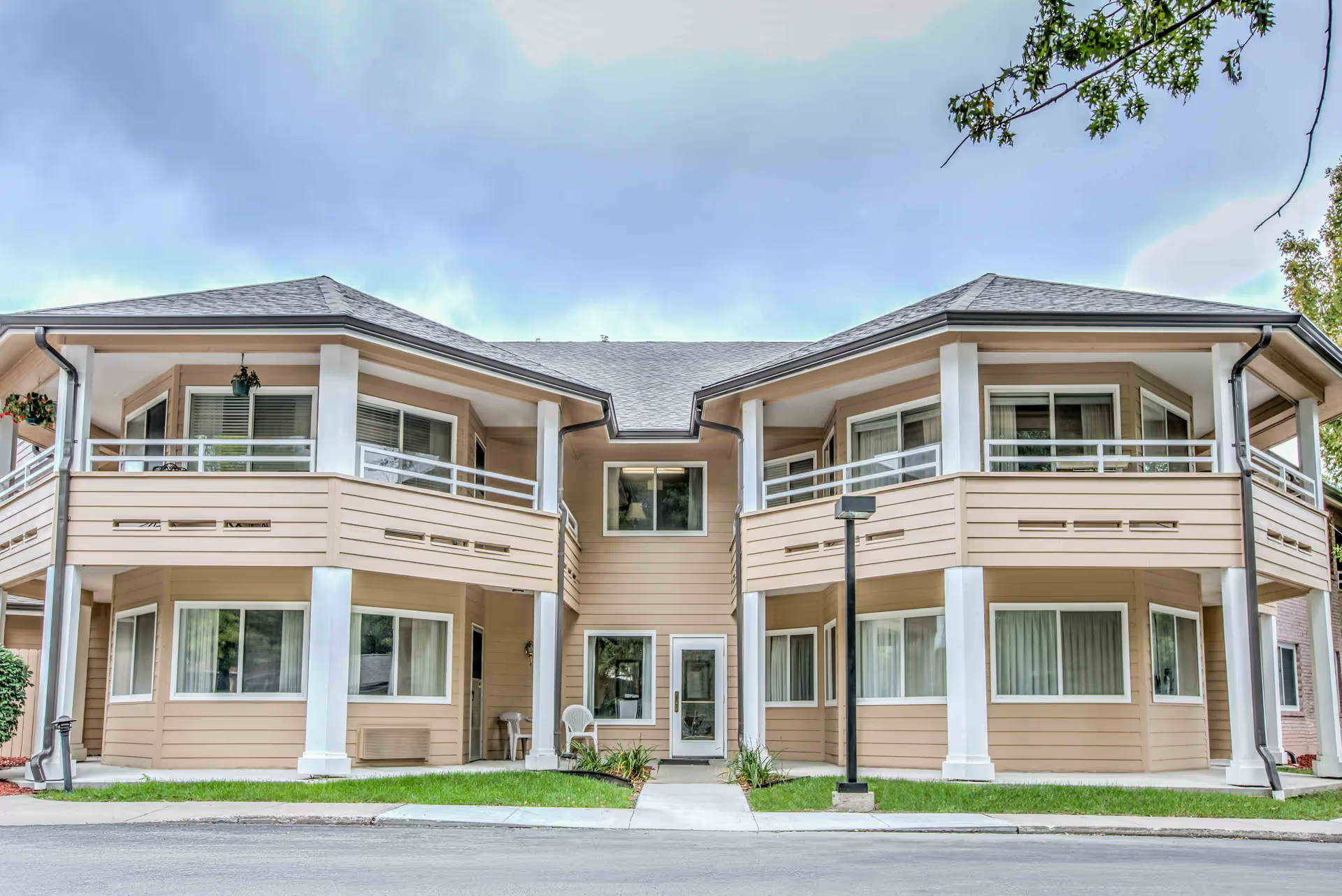
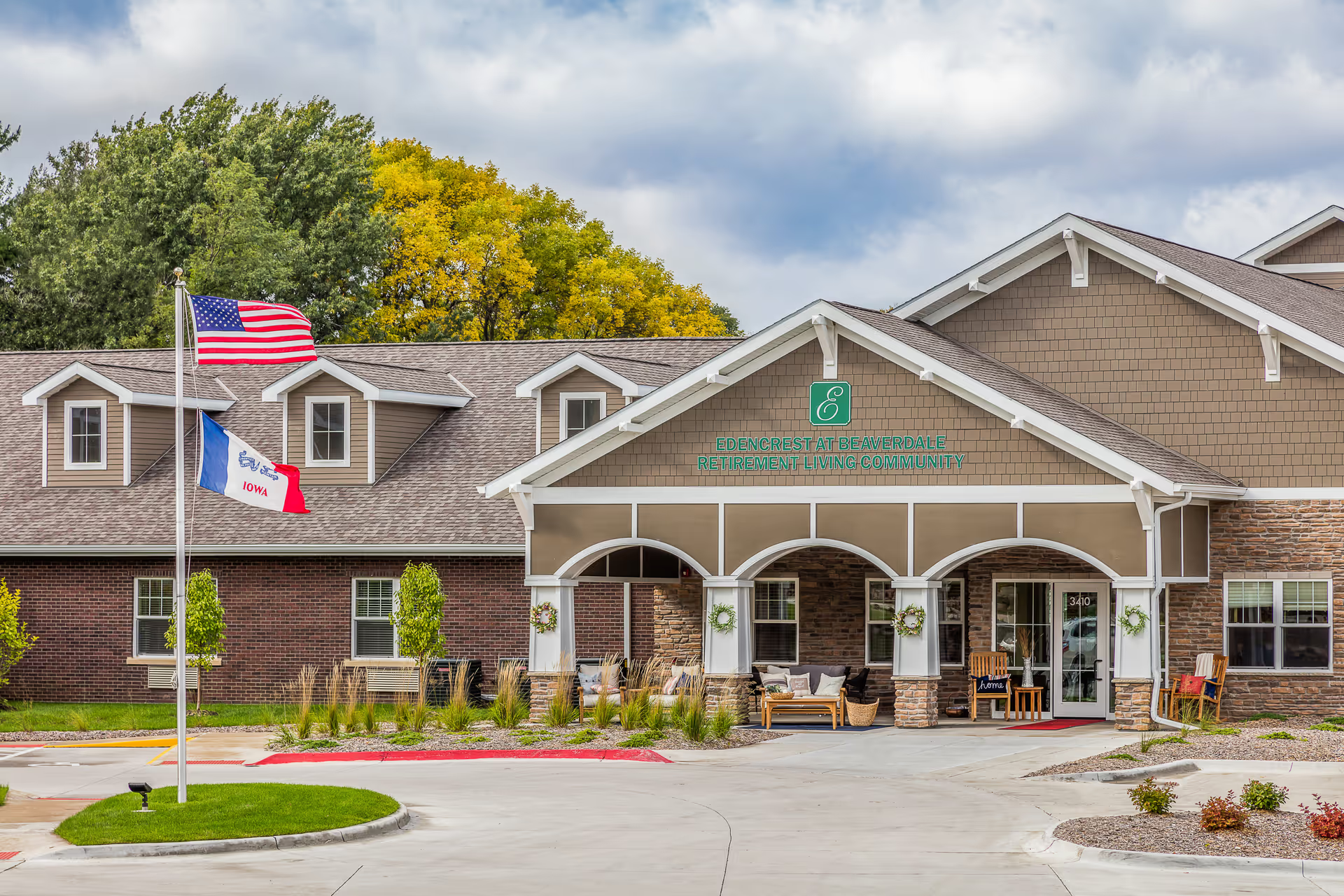
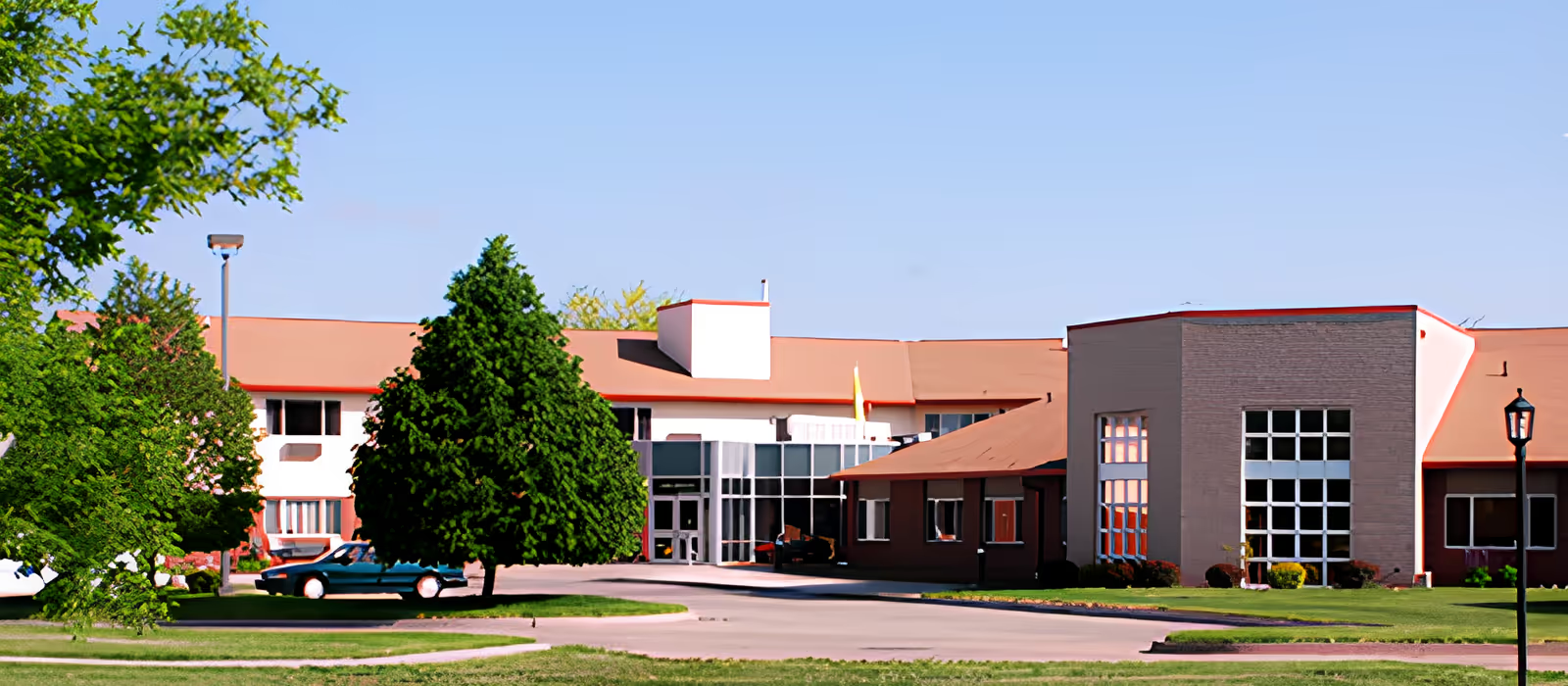
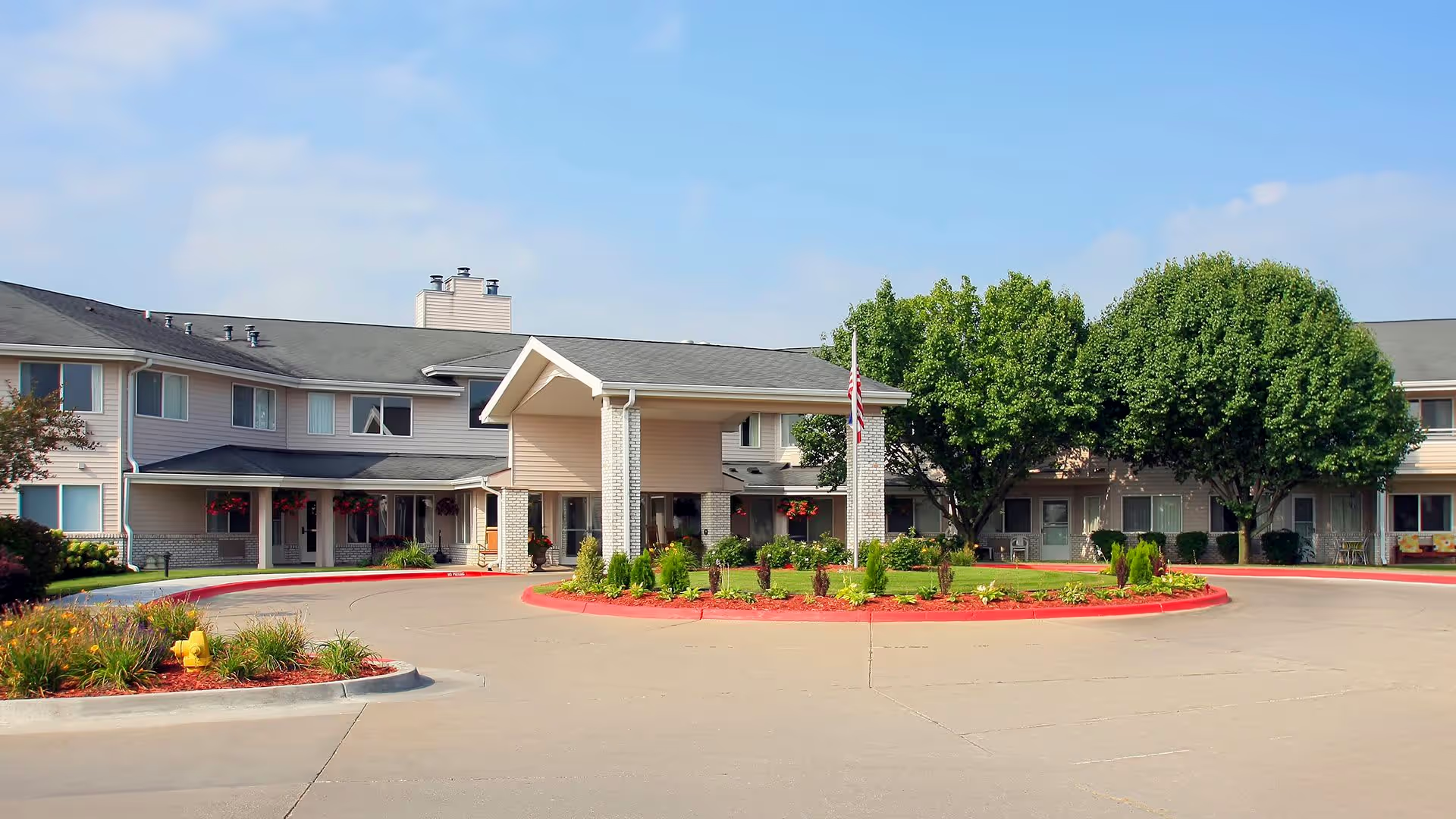
The Bridges at Ankeny elicits a strongly mixed picture. Many families praise the facility’s therapeutic capabilities, noting strong physical and occupational therapy, attentive day-shift caregivers, and effective discharge and hospice coordination. The building itself is described as modern, clean and well-maintained in numerous accounts; private rooms and designated memory-care areas are frequently cited as positives. Multiple reviewers attribute meaningful functional improvement to the therapy team, and several describe compassionate, consistent interactions with specific nursing and CNA staff.
At the same time, a recurring operational pattern concerns staffing and responsiveness. Many reviewers describe chronic understaffing, uneven nurse presence by wing, and delayed or unanswered call-light responses, particularly during nights and weekends. These staffing patterns are linked in multiple accounts to delayed medication administration, sporadic personal-care monitoring (including incontinence-care and bathing), and instances of inadequate supervision that contributed to falls or hospital transfers. Medication-management issues—including late doses and medication mix-ups—appear as a separate, consistent theme affecting clinical reliability.
Dining and housekeeping feedback is polarized. Some families praise fresh, abundant meals and accommodation of special diets; others describe inconsistent food quality, late service, and problems with meal temperatures. Cleanliness and general housekeeping receive generally positive mentions about the facility’s appearance, but there are also specific sanitation and maintenance concerns (for example, plumbing/backlog issues and isolated odor concerns) that reviewers link to delays in maintenance response. Activity programming is present and meaningful for some residents, but several reviews note limited or variable activity offerings depending on unit or time of day.
Management and administrative issues emerge as another notable pattern. Several reviewers raise concerns about management responsiveness, communication breakdowns, billing/accounting delays, and the impact of ownership or leadership changes on staff morale and operational continuity. There are references to regulatory inspections and citations, which suggest areas where facility practices have been formally challenged. Conversely, some families report that complaints were addressed effectively and that administration demonstrated commitment to improvement in individual cases.
Taken together, the evidence suggests a facility with substantial strengths in therapy and many compassionate direct-care staff, but with operational vulnerabilities that can affect safety and consistency of daily care. Prospective residents and families should evaluate staffing levels (including night/weekend coverage), medication-administration protocols, fall-prevention and clinical monitoring procedures, dining service practices, and maintenance response. Visiting at different times of day, speaking with therapy staff and recent families, and asking for documentation of staffing ratios, inspection history, and medication-safety policies will help assess whether the facility’s strengths align with an individual’s clinical and safety needs.