The available review summaries consistently emphasize physical-condition and staff-related concerns. Reviewers describe an older building with dated rooms and bathroom fixtures, and characterize the overall appearance as inexpensive or in need of refresh. Concurrently, critiques focus on interpersonal interactions, organizational disorganization, and worries about resident and worker safety. One reviewer indicated an allegation of mistreatment and called for investigation; this type of claim, if substantiated, would be a high-priority regulatory and managerial matter.
Care quality implications: The comments point primarily to issues with staff conduct, communication tone, and responsiveness. These operational weaknesses can affect day-to-day care experience even when clinical staffing levels are nominal. Families assessing the facility should prioritize clarifying staffing ratios, staff training and supervision, incident-response procedures, and the facility's process for addressing resident concerns and grievances.
Staff and management: Review summaries depict staff as unfriendly and the overall operation as poorly organized. These descriptors suggest gaps in leadership oversight, staff culture, and internal coordination. In addition to interpersonal concerns, reviewers noted a need for clearer complaint handling and follow-up; this implies potential weaknesses in quality assurance and regulatory compliance processes that prospective residents and families should review directly with management.
Dining and activities: Review text provided does not describe dining quality or activity programming. Because these domains are central to resident quality of life and were not addressed, prospective families should request menus, sample activity calendars, and opportunities to observe or speak with current residents and family members about social programming and meal service.
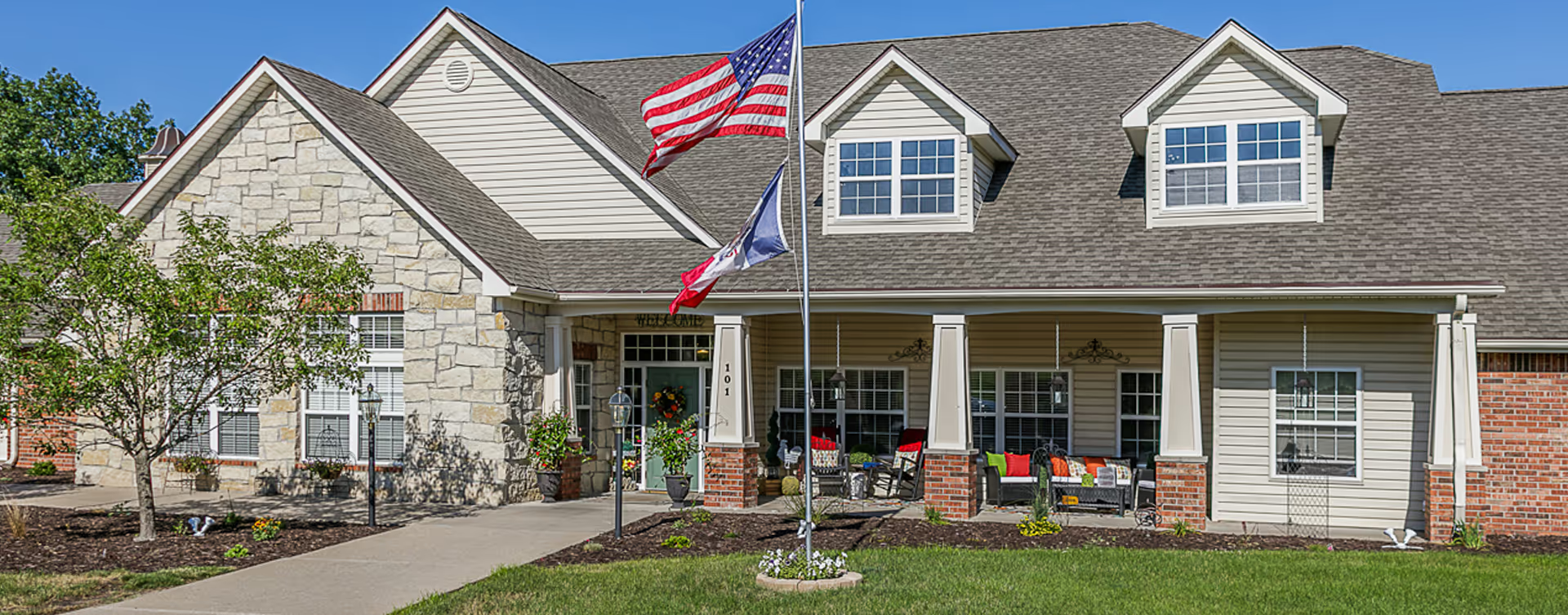
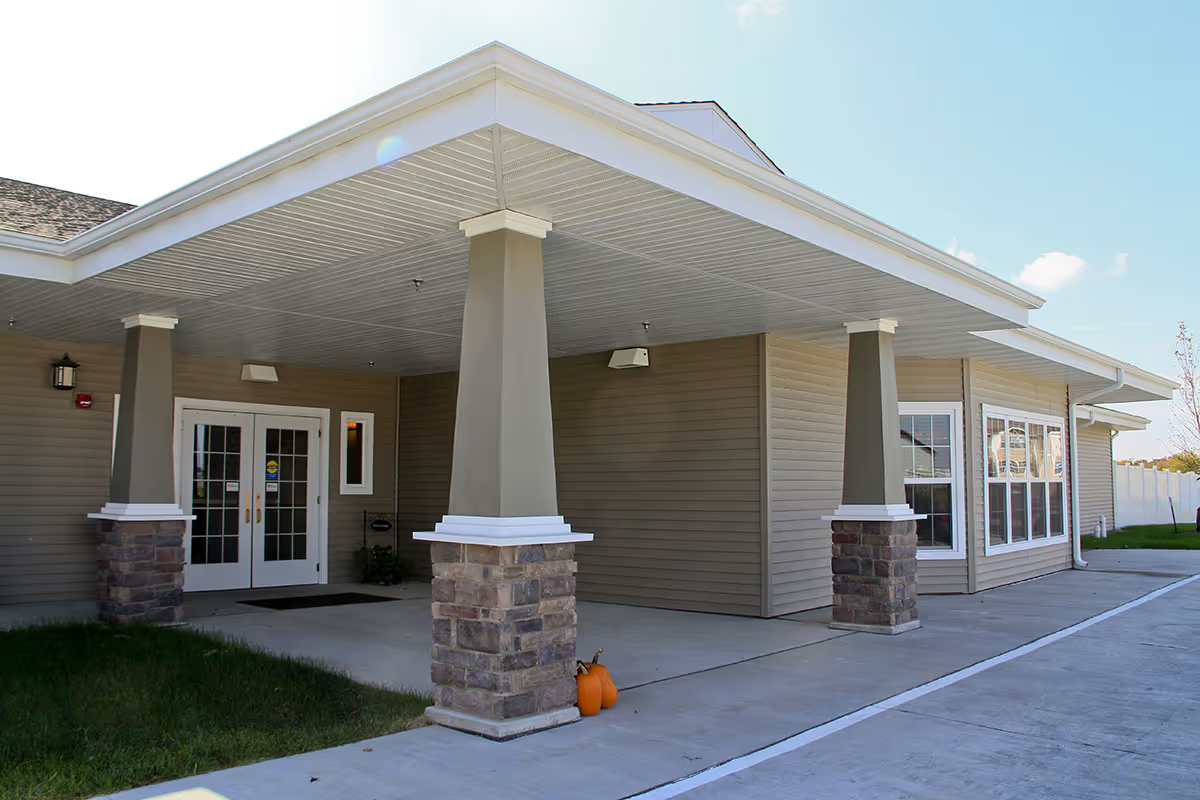
Facilities and safety: Specific facility-level issues include peeling paint, outdated sinks and bathrooms, and generally aging finishes. Reviewers also described the environment as unsafe to live and work, which indicates perceived or actual safety and maintenance deficiencies. Prospective families should inspect resident rooms and bathrooms, ask about recent capital improvements, maintenance schedules, and any outstanding safety citations.
Notable patterns and recommended next steps: The dominant pattern is a convergence of physical-plant deterioration and concerns about staff behavior and organizational responsiveness. These are manageable if addressed through targeted maintenance, stronger supervision, and transparent complaint-resolution practices, but they merit direct verification. Recommended actions for prospective residents and families include on-site visits at varying times of day, direct questions about staffing levels and training, review of recent inspection and incident histories, and requests to speak with current residents or families. If allegations of mistreatment or regulatory noncompliance are suspected, request documentation of investigations and corrective actions or consult public regulatory survey records before making placement decisions.