The reviews portray a facility with sharply mixed experiences: many reviewers praise frontline caregivers for compassionate, resident-centered attention, while others describe systemic operational problems that affect care consistency. Care quality appears uneven. Positive accounts highlight attentive aides and nurses who focus on daily grooming, safety, dignity, and exercise routines such as range-of-motion programming. At the same time, there are multiple accounts indicating gaps in medication administration, delayed or limited one-on-one attention, and inconsistent clinical coordination that raise concerns about reliability of core nursing tasks.
Staff observations are polarized. Several narratives commend direct-care staff for kindness, responsiveness, and engagement with residents and activities; other narratives cite staffing shortages, visible periods with limited supervision, and high turnover tied to leadership issues. These workforce patterns are linked to service interruptions and claims of staff pay or vendor-payment problems in some accounts. There are also recurrent concerns about the tone of staff communication—reports describe instances where staff conduct and communication were perceived as unprofessional or brusque, which has contributed to family unease.
Dining and nutrition show variability. Many reviewers note that meals are provided consistently and that food is acceptable, with room-delivery options available for some residents. Conversely, other reviewers describe inconsistent meal-service continuity and kitchen-management problems that resulted in missed meals or service disruptions. Kitchen staff are sometimes singled out as friendly and helpful even when broader meal-service processes are criticized.
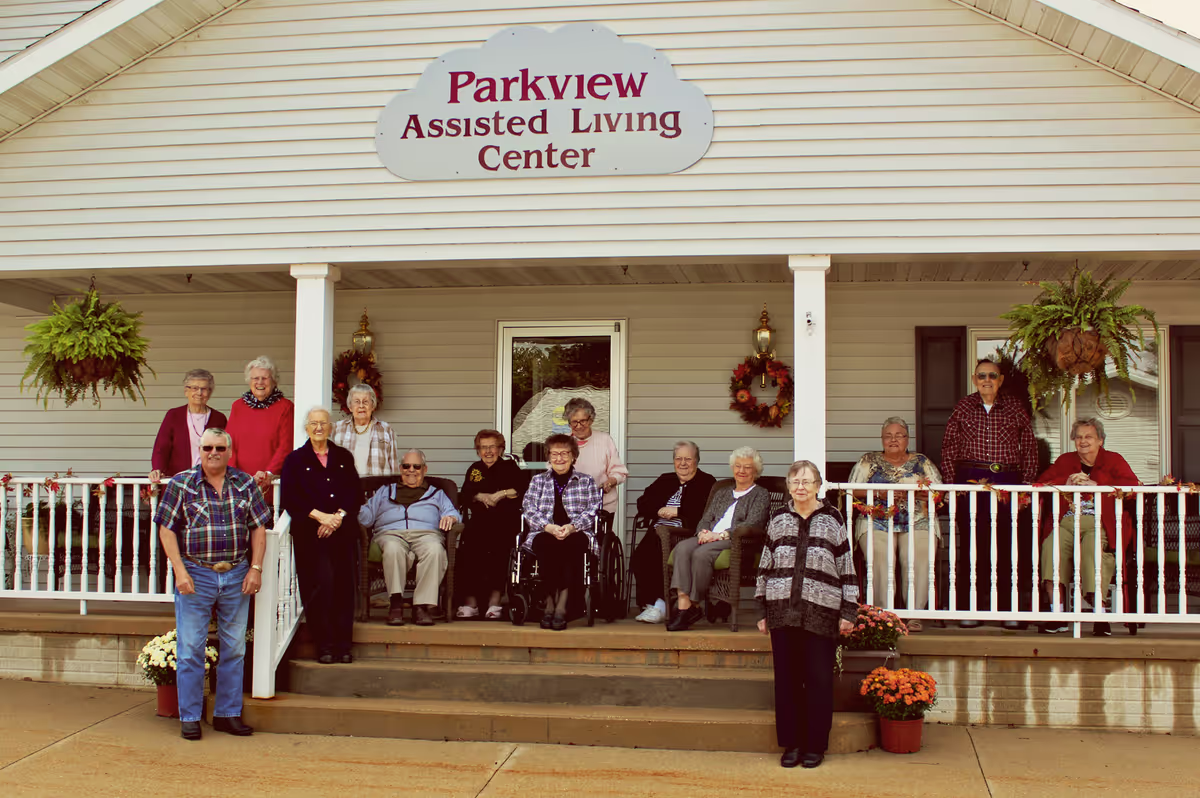
Activities and social programming are a relative strength: reviewers describe organized offerings such as bingo, arm-exercise sessions, and off-site outings, contributing to social engagement and a sense of community among residents. These programs and active participation were repeatedly framed as meaningful for residents’ quality of life.
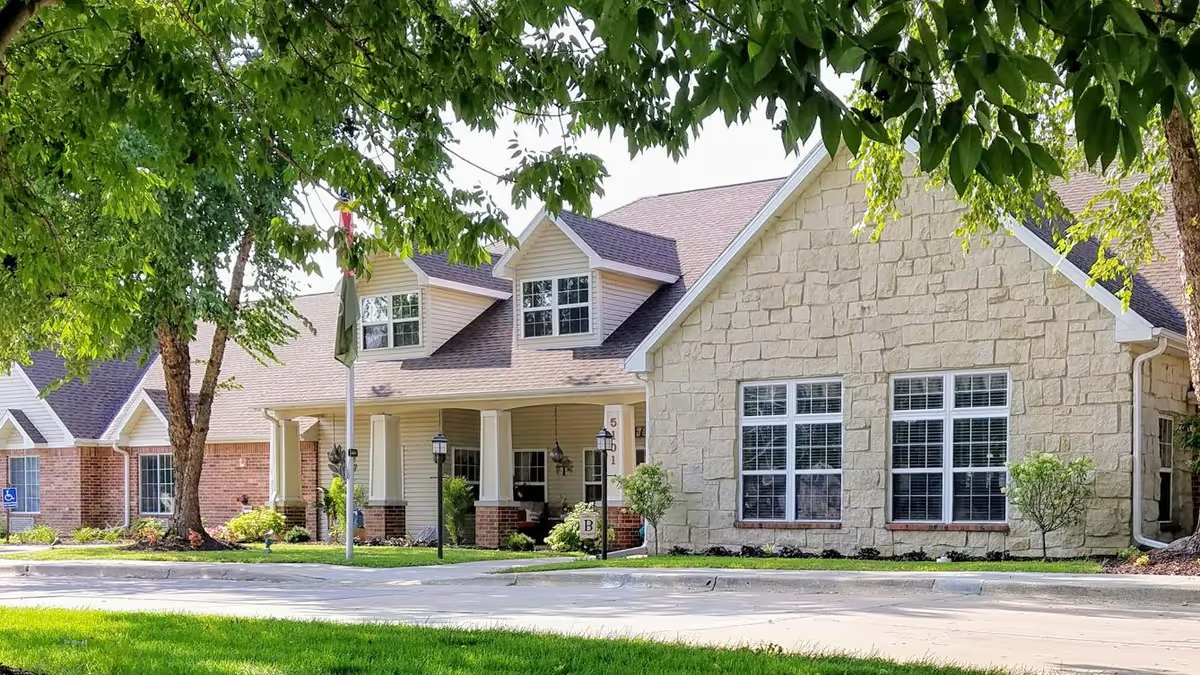
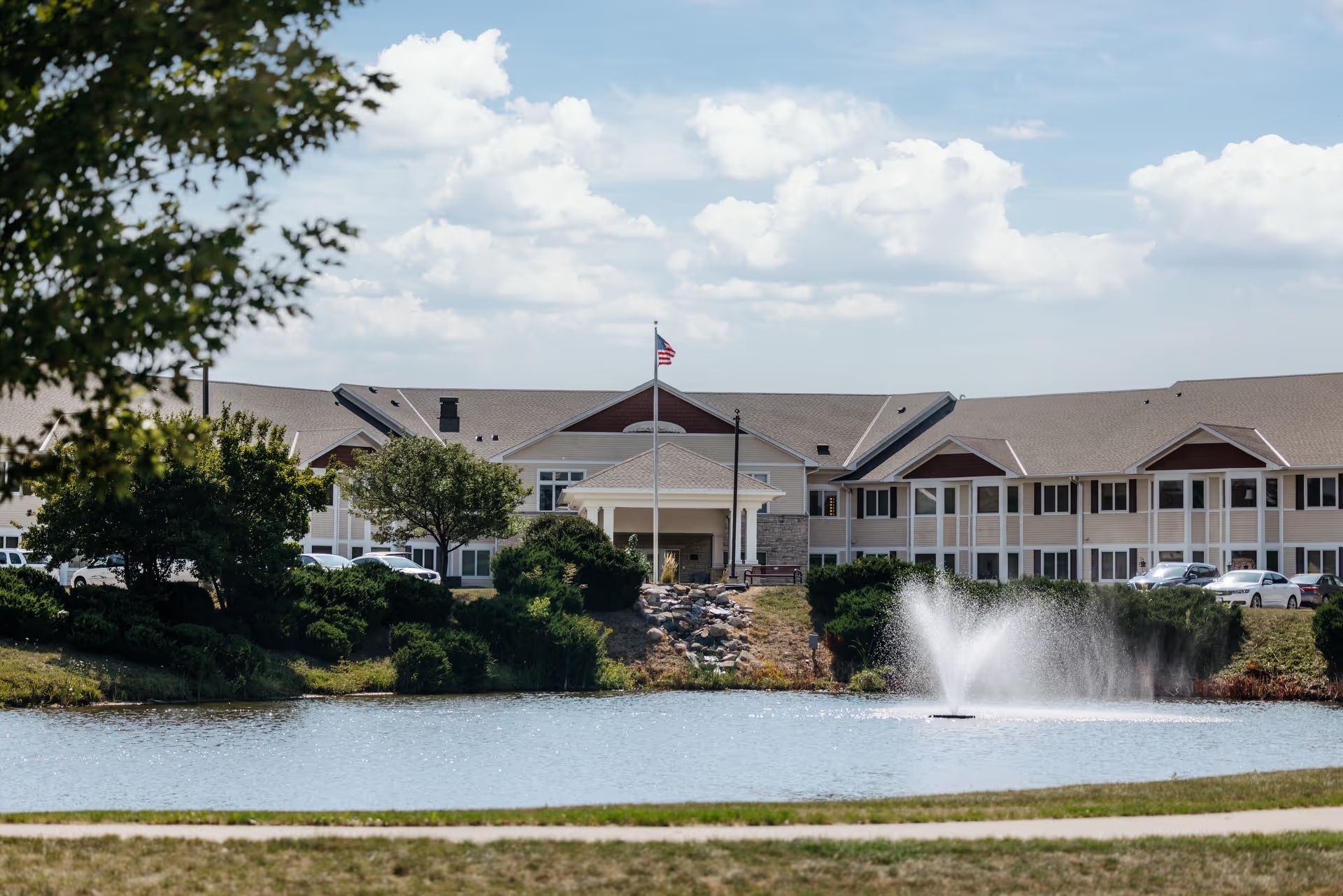
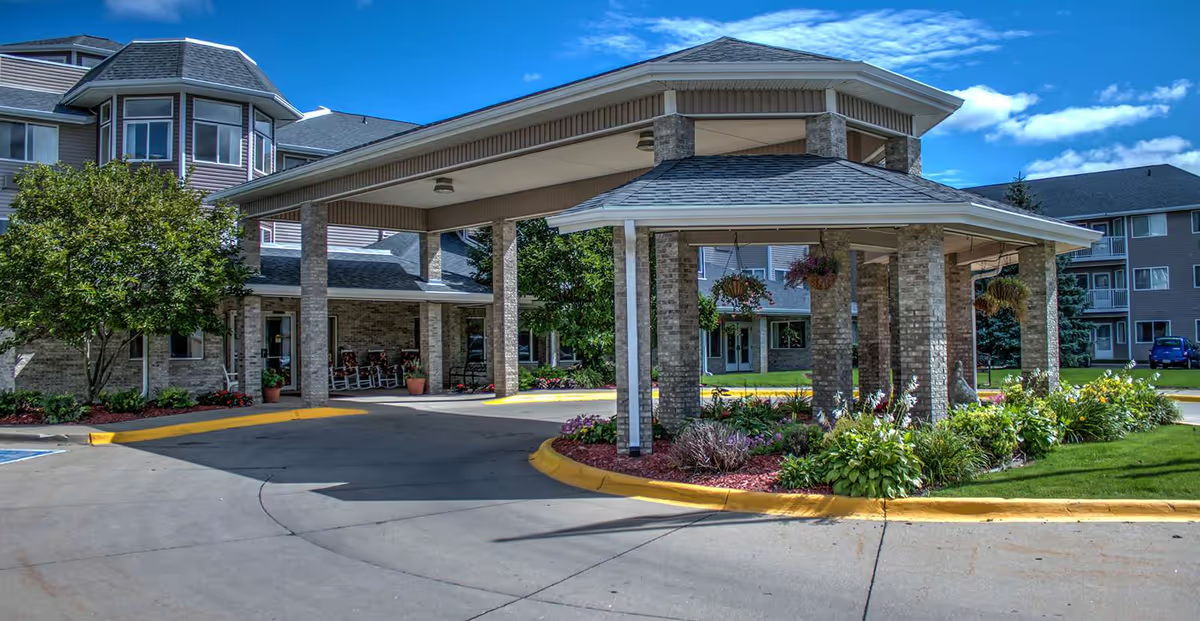
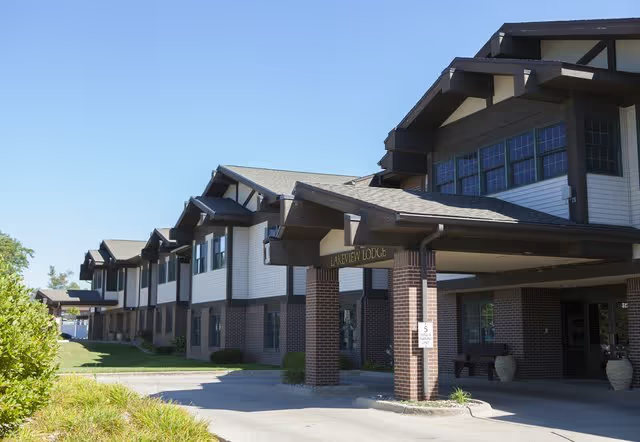
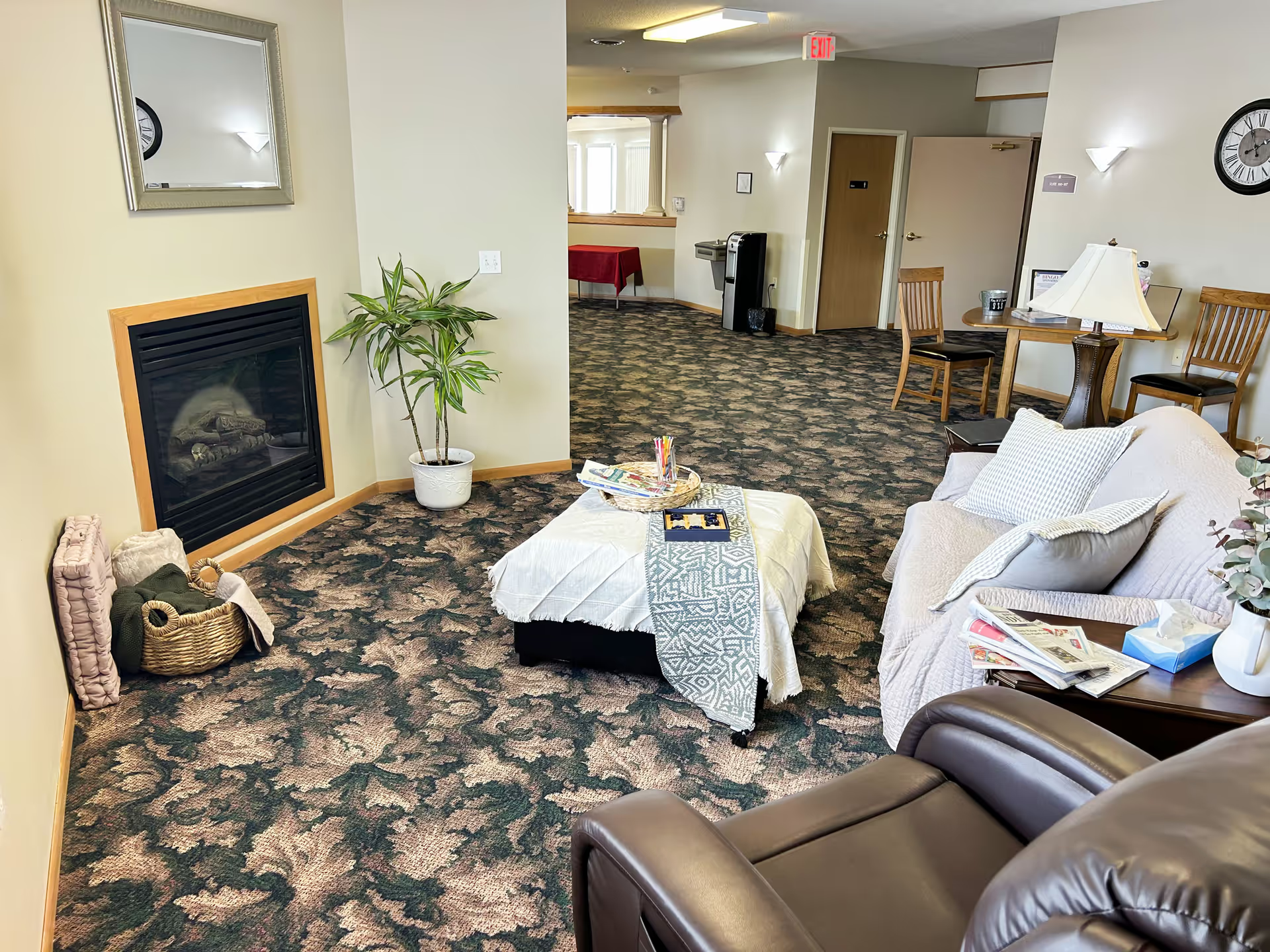
Facility condition and logistics are mixed. Some reviewers describe clean, well-presented interior spaces and areas that appear updated, while others raised sanitation and odor concerns in certain parts of the building and noted small resident rooms and limited visiting space. Laundry and clothing-management problems, such as clothing mix-ups, were mentioned as an operational deficiency. Specific device and incontinence-care practices were also described as problematic in isolated accounts, suggesting a need to review device handling and continence protocols.
Management and organizational issues are a prominent pattern. The reviews include substantial criticism of leadership consistency, communication with families and staff, and financial-management practices that have reportedly affected vendor relationships and payroll in some accounts. Several comments indicated that leadership turnover and a perceived resistance to addressing staff concerns have undermined staff morale; others reported noticeable improvements associated with recent management changes.
Overall, the facility presents a split picture: dedicated and compassionate direct-care staff and meaningful activity programs exist alongside operational weaknesses in leadership, staffing stability, clinical coordination, sanitation oversight, and meal-service reliability. Prospective residents and families should schedule an in-person visit to observe current leadership, staffing ratios, mealtime operations, cleanliness, staff–resident interactions, and medication administration practices. Asking for recent inspection reports, turnover statistics, staffing schedules, and specific policies on medication audits, infection control, and vendor/payment stability will help clarify whether recent improvements are sustained and whether the operational concerns have been addressed.