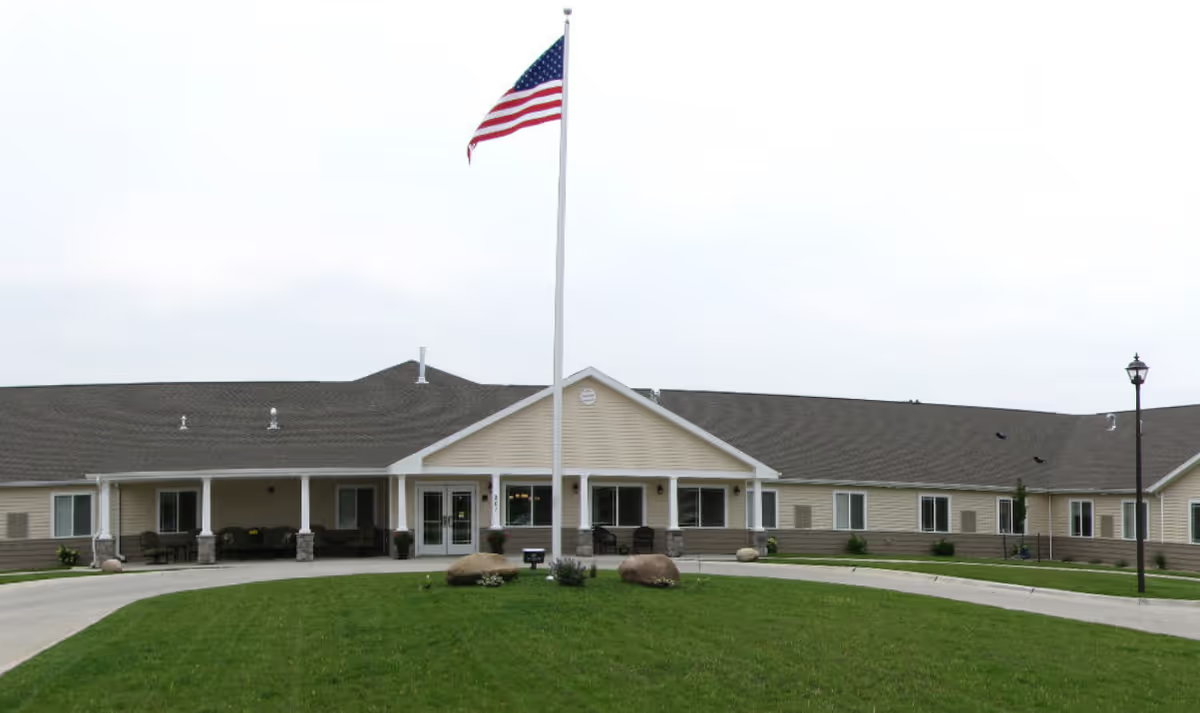
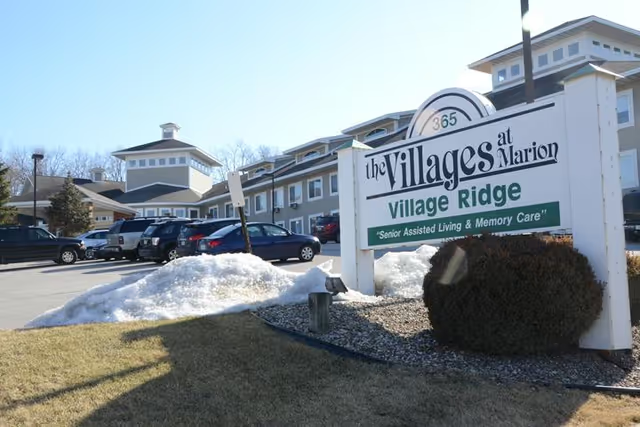
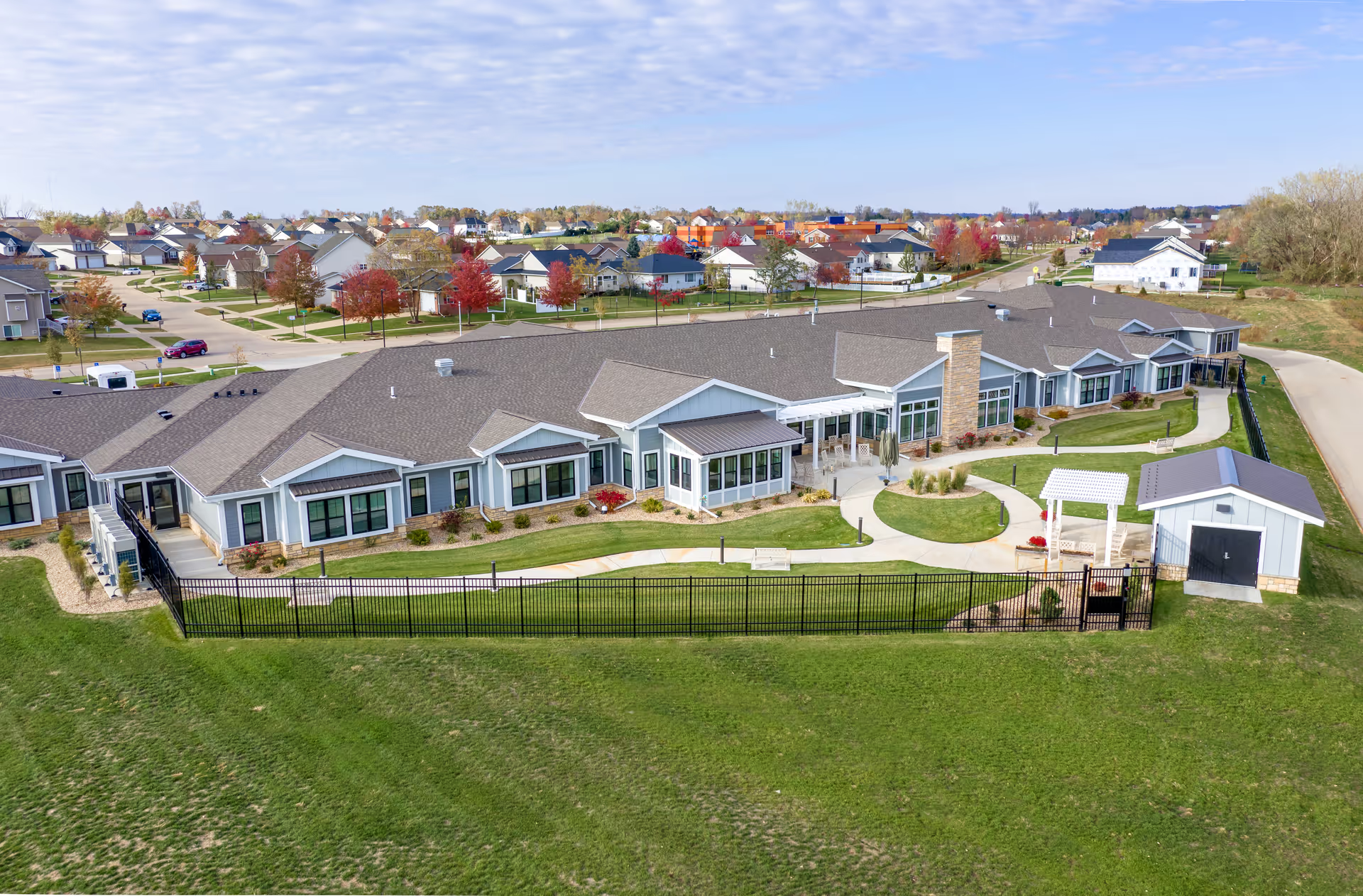
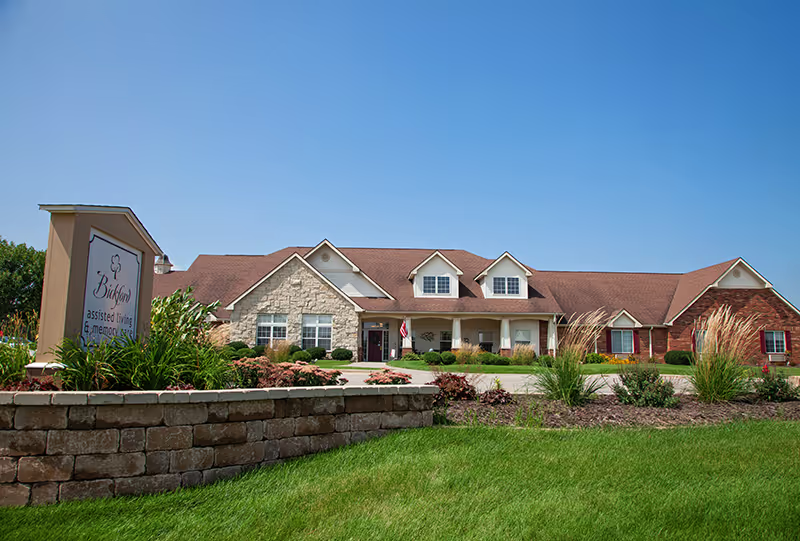
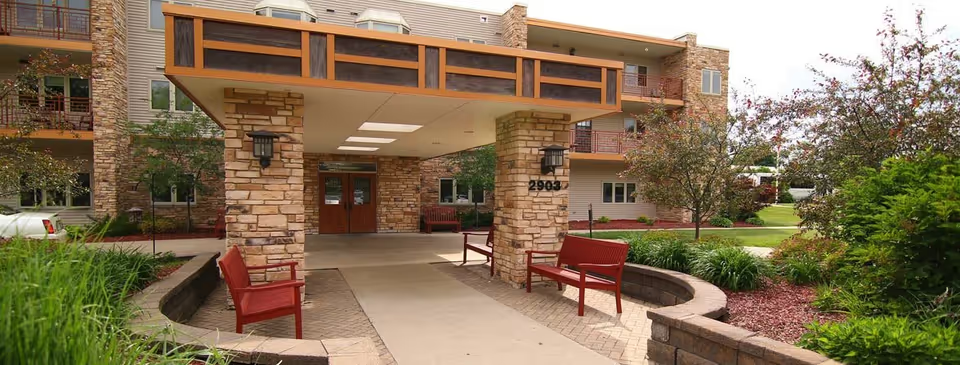
Overall impression: Boyson Heights presents as a modern, well-appointed assisted living community with a visible emphasis on social engagement and a family-style culture. Many families praise the facility’s bright, new architecture, active calendar of events, and staff who are described as caring and attentive. The community offers a range of social programming—exercise classes, bingo, painting, outings, and frequent family-oriented events—with daily activity listings and a social-media presence that documents resident participation. Location and amenities are commonly cited as strengths: proximity to healthcare and shopping, included housekeeping and some meal-service options, and a welcoming atmosphere that many residents and families find supportive.
Care and staff: Strengths include staff members who are viewed as compassionate, resident-focused, and communicative. Several families highlighted proactive care coordination, regular check-ins, monitoring of vitals, and helpful transition support. At the same time, a recurring theme is inconsistency in care across the community. Reviewers describe variability in caregiver responsiveness, high staff turnover, and uneven performance between shifts or neighborhoods. In particular, families raising clinical concerns point to lapses in daily checks and bathing schedules and to uneven staff conduct or responsiveness that can affect continuity of care. Prospective families should clarify staffing ratios, turnover rates, and routine check procedures when evaluating placement.
Dining: Dining is a mixed picture. Positive comments emphasize made-to-order breakfasts, flexible portioning, and snacks available throughout the day; many independent and assisted residents report enjoying meals and dining companions. However, reviewers note a decline in meal quality and temperature control in the memory-care neighborhood specifically, with some plates arriving cold and overall food quality described as lower than in the assisted-living area. There are also occasional comments about heavy seasoning and inconsistent preparation. Families with memory-care needs should ask about kitchen-to-neighborhood service processes and temperature-control practices.
Activities and social life: Programming is a clear asset for residents who are independent or moderately assisted. The facility offers a wide array of structured activities, outings, and games that support social engagement and reduce isolation for many residents. A few reviewers noted limited adaptations for sensory impairments (for example, activities for vision-impaired residents), suggesting that program accessibility may vary and merits direct inquiry.
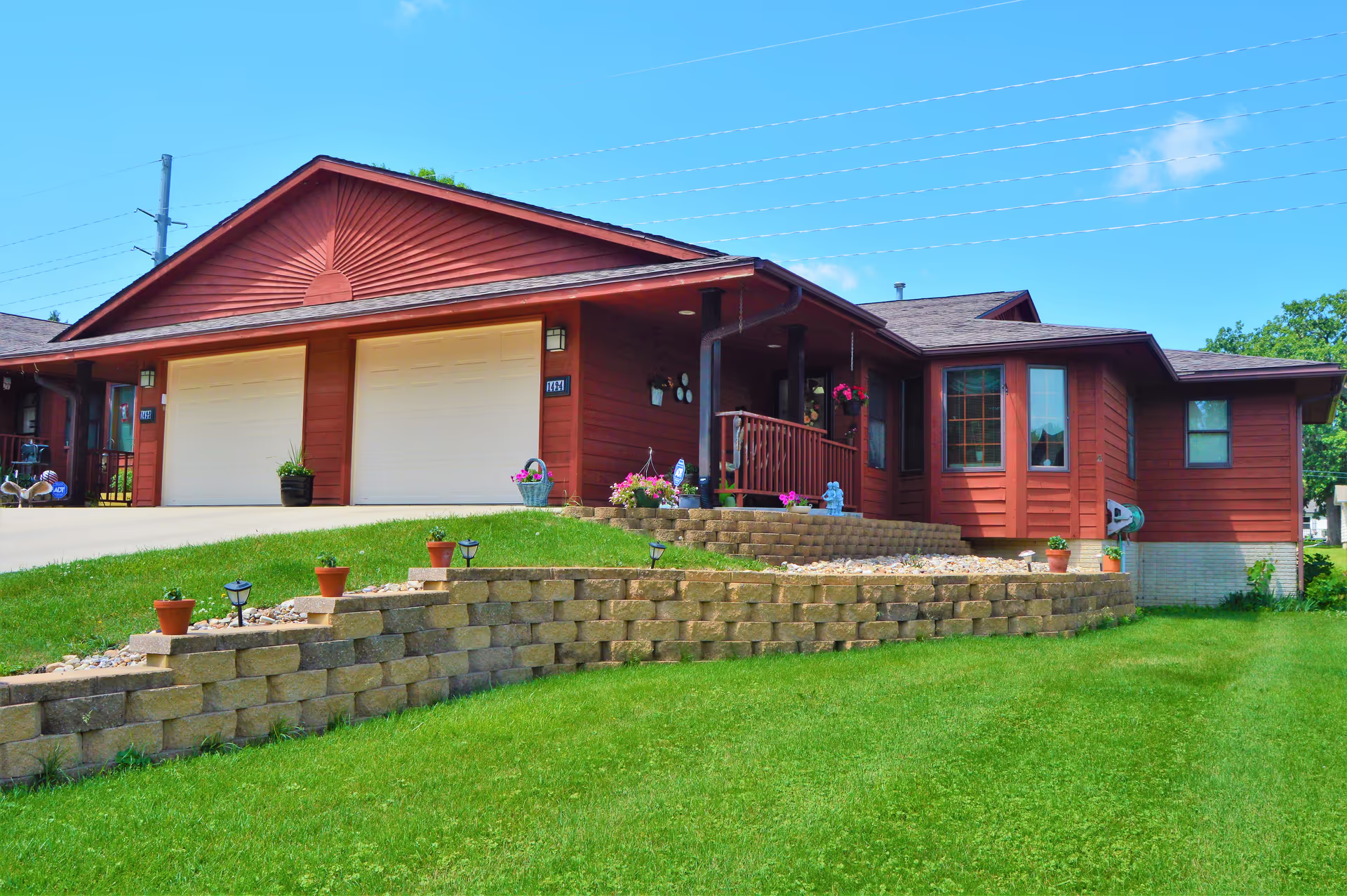
Facilities and operations: The physical plant is frequently described as attractive, clean, and well maintained, with bright common spaces and small, private apartments. Nevertheless, there are mentions of intermittent housekeeping/maintenance gaps (dust and cobwebs) and at least one design concern noted during tours (bathroom light switch placement that could affect safety). Pricing and apartment sizing elicit varied responses: some families find the community excellent value, while others find certain unit sizes expensive relative to needs.
Management and safety patterns: Several reviewers express concern about managerial responsiveness and organizational stability. Themes include executive-level disengagement, contested workforce decisions, and administrative handling of complaints. Safety-related operational issues appear in the reviews as well: inconsistent responsiveness to call buttons, gaps in transfer-assistance protocols during outings, and reports of missed daily checks. A small number of serious safety incidents were referenced by families; these underscore the importance of asking candidates about fall-prevention protocols, emergency response times, and documentation of clinical checks.
Conclusion and practical advice: Boyson Heights offers many strengths—particularly its community atmosphere, active programming, and an appealing facility—making it a good fit for independent and some assisted residents who benefit from social engagement and proactive staff. At the same time, the pattern of inconsistent care quality, variable meal service in memory care, staff turnover, and uneven management responsiveness are important considerations for families evaluating placement. When assessing the community in person, prospective residents and families should inquire specifically about staffing continuity, emergency response procedures (call-button response times), bathing and daily-check routines, kitchen-to-neighborhood food delivery and temperature control, and any recent changes in leadership or staffing. Obtaining written policies on these topics and speaking with current families in the desired neighborhood can help clarify whether Boyson Heights will meet a particular resident’s clinical and social needs.