Overall impression: Harmony Cedar Rapids receives consistent praise for its rehabilitation services, therapy teams, and the everyday compassion of many front-line caregivers. Across reviews, physical and occupational therapy are described as high quality and effective at returning patients toward independence; multiple family members and former patients described measurable functional gains. Nursing staff and many CNAs are frequently characterized as attentive, caring, and engaged, and the facility's social services and admissions coordination are often noted as helpful and communicative.
Care quality and clinical concerns: The facility appears to perform well for short-term, goal-directed rehabilitation: therapy staff, specialty wound nursing, and discharge-focused coordination are strengths. However, reviewers also raise operational concerns that affect clinical continuity. These include delays in call-light response and in some emergency situations, perceived gaps in specialty services (notably speech therapy and altered-diet implementation), and instances where families felt symptom escalation was not promptly addressed. Several accounts reference serious adverse outcomes and concerns following a resident's death; while such accounts appear to be individual and emotionally charged, they point to the importance of verifying clinical escalation protocols, infection-control practices, and family communication processes before placement.
Staffing, communication, and culture: Staff demeanor and communication are uneven: many reviews describe compassionate, uplifting caregivers and strong relationships between staff, residents, and families. At the same time, other reviewers reported defensive or condescending interactions, or described administrative responses they found unsatisfactory. A recurring operational theme is high resident-to-staff workload; reviewers indicate this can affect responsiveness and the timeliness of tasks. Workplace policies and personnel changes were also cited as a source of turnover and fluctuation in service quality, especially within housekeeping.
Dining, activities, and social environment: Dining is frequently highlighted as a positive element—fresh, varied meals prepared by innovative cooks and attentive meal service contribute to a pleasant rehabilitation experience for many residents. The activities program is another clear strength, with engaging offerings and live music noted as enhancing morale and social connection. Many reviewers commented on the facility fostering friendships among residents and a family-like atmosphere in social spaces.
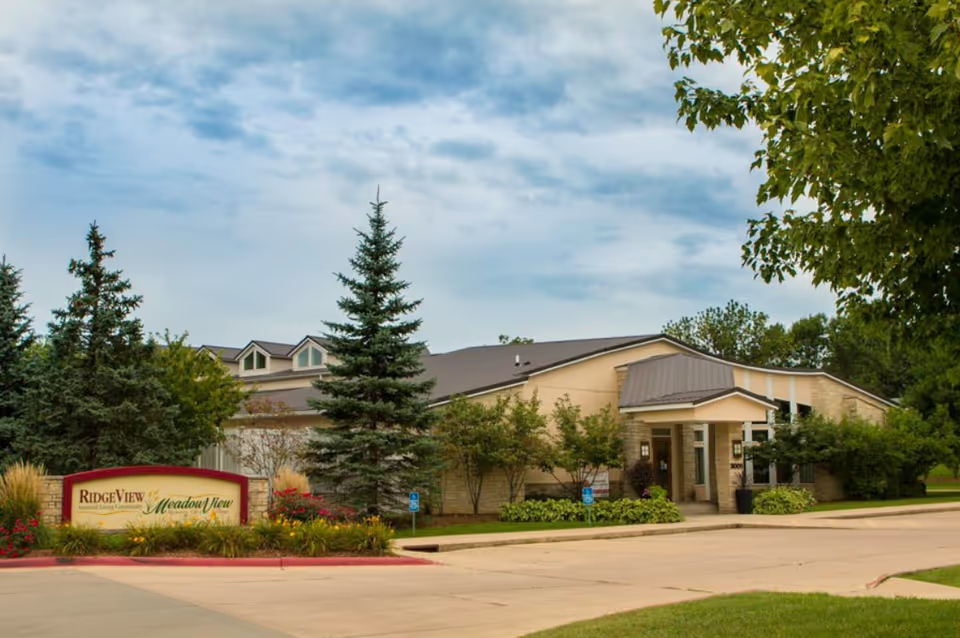
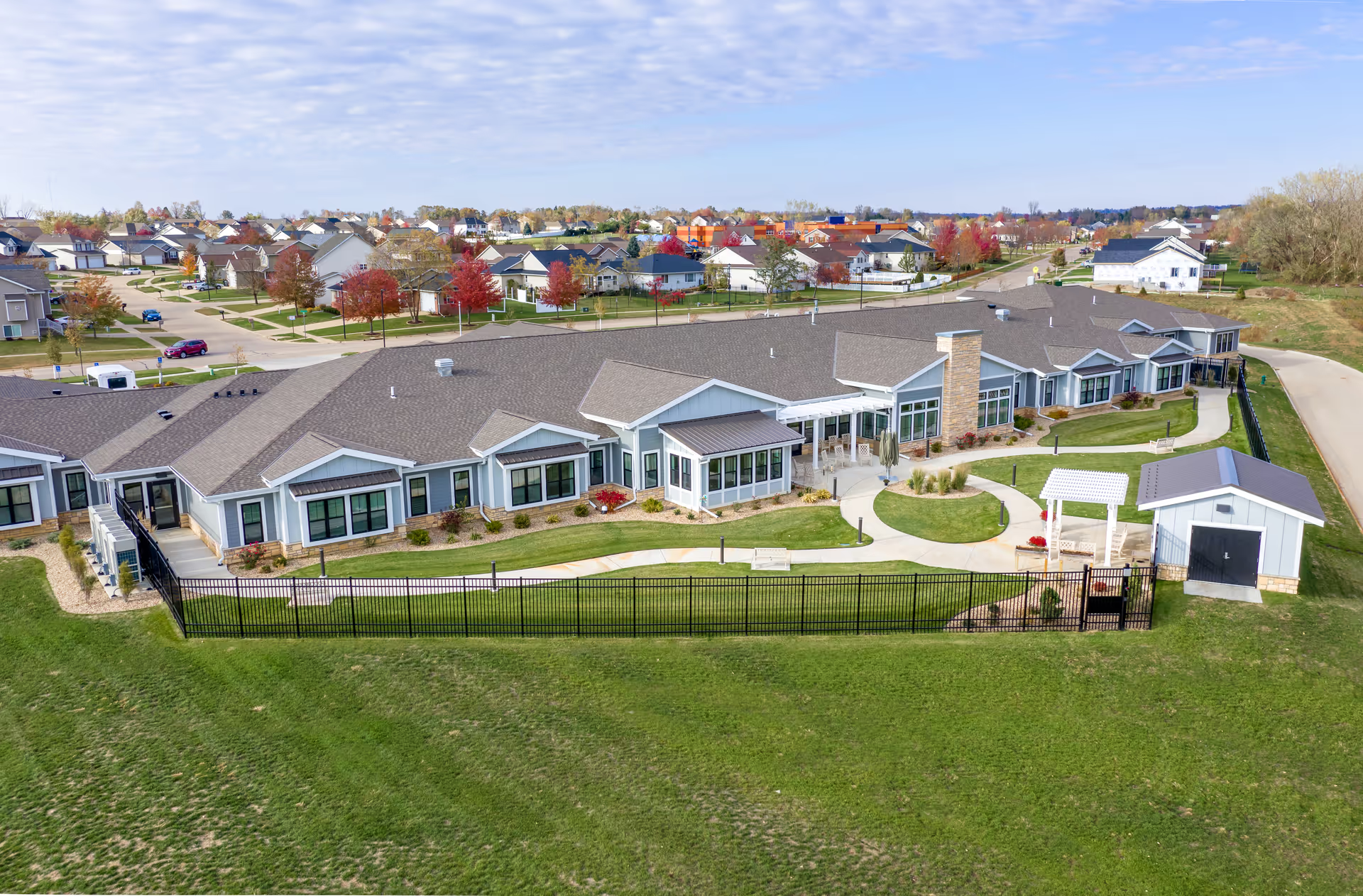
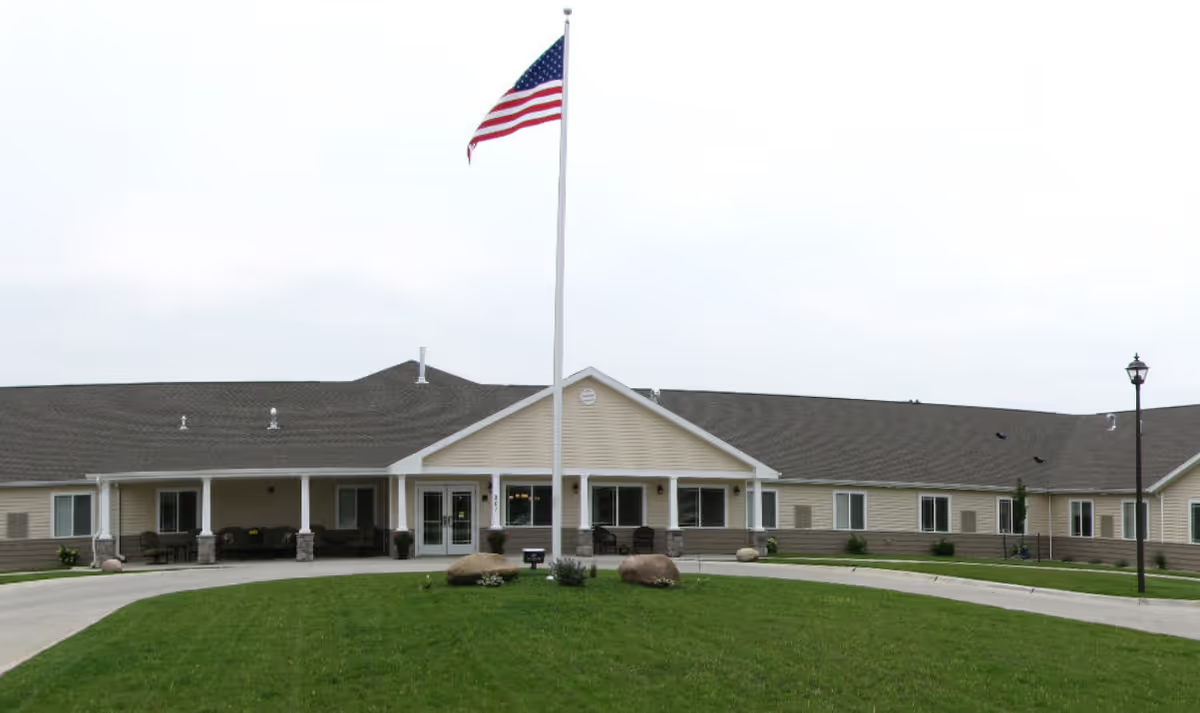
Facilities and housekeeping: Facility cleanliness and room upkeep are generally praised, with clean common areas and comfortable rooms reported by many. Nonetheless, reviewers also describe episodic declines in housekeeping quality and isolated maintenance problems; these appear to have coincided in some cases with staffing changes. Prospective residents should confirm current maintenance and housekeeping practices during a tour.
Management and operations: Reviews present a mixed view of leadership. Several families praised helpful, communicative managers and improvements attributed to administrative action; others criticized responses to serious concerns, delays in medical record release, and inconsistent follow-through on complaints. Prospective families are advised to ask about staffing ratios, call-response metrics, availability of specialty therapies, infection-control protocols, and policies for communicating clinical changes to families.
Bottom line: Harmony Cedar Rapids offers strong short-term rehabilitation, effective therapy teams, good dining, and an engaging activity program, supported by many dedicated caregivers. At the same time, recurring operational issues—particularly around responsiveness during high workload periods, variable long-term care consistency, housekeeping/maintenance fluctuations, specialty-therapy availability, and family communication—warrant careful inquiry. For those considering placement, this facility may be particularly well suited for goal-oriented rehab stays; families considering longer-term placement should perform focused due diligence on the specific operational areas noted above.