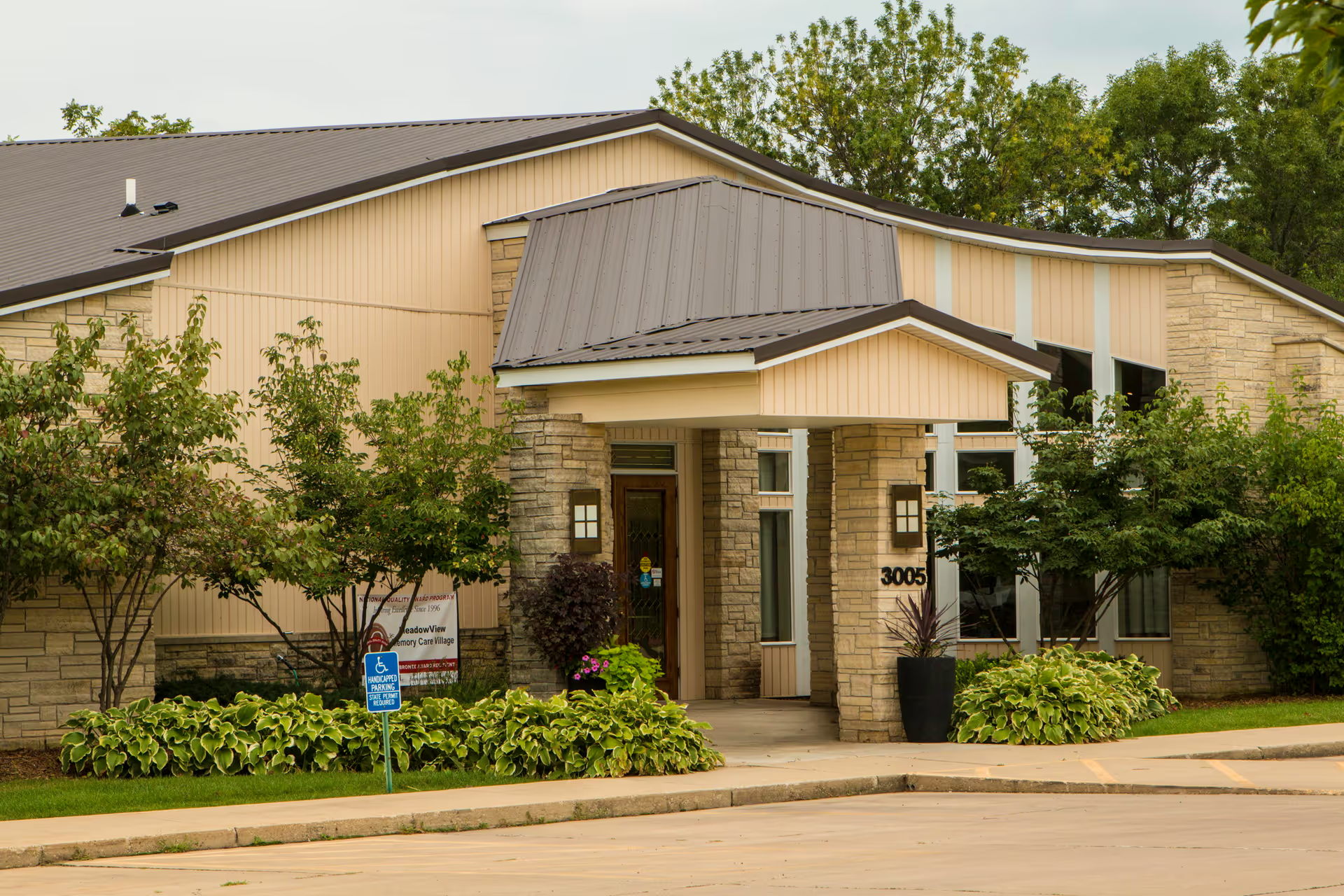
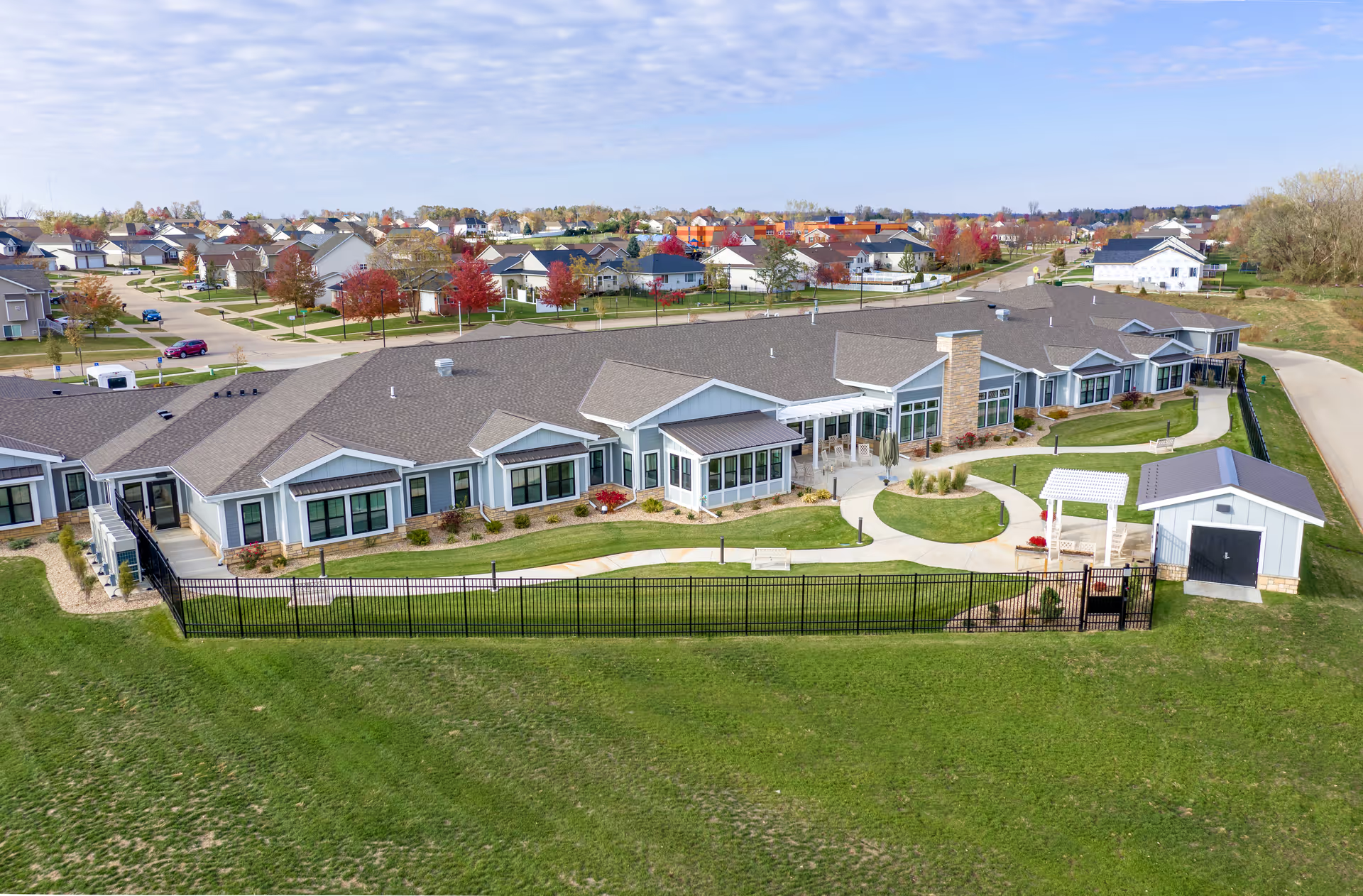
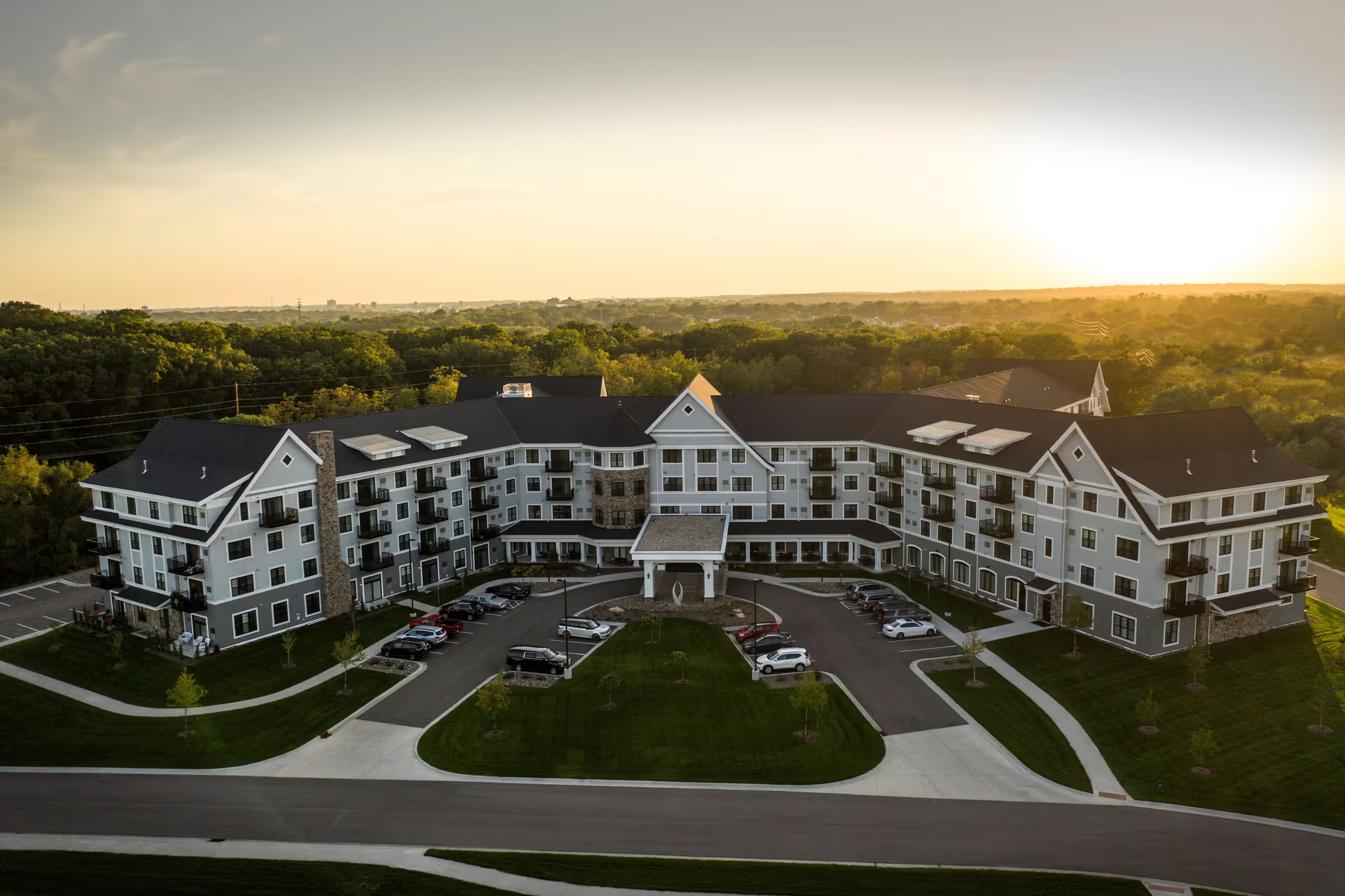
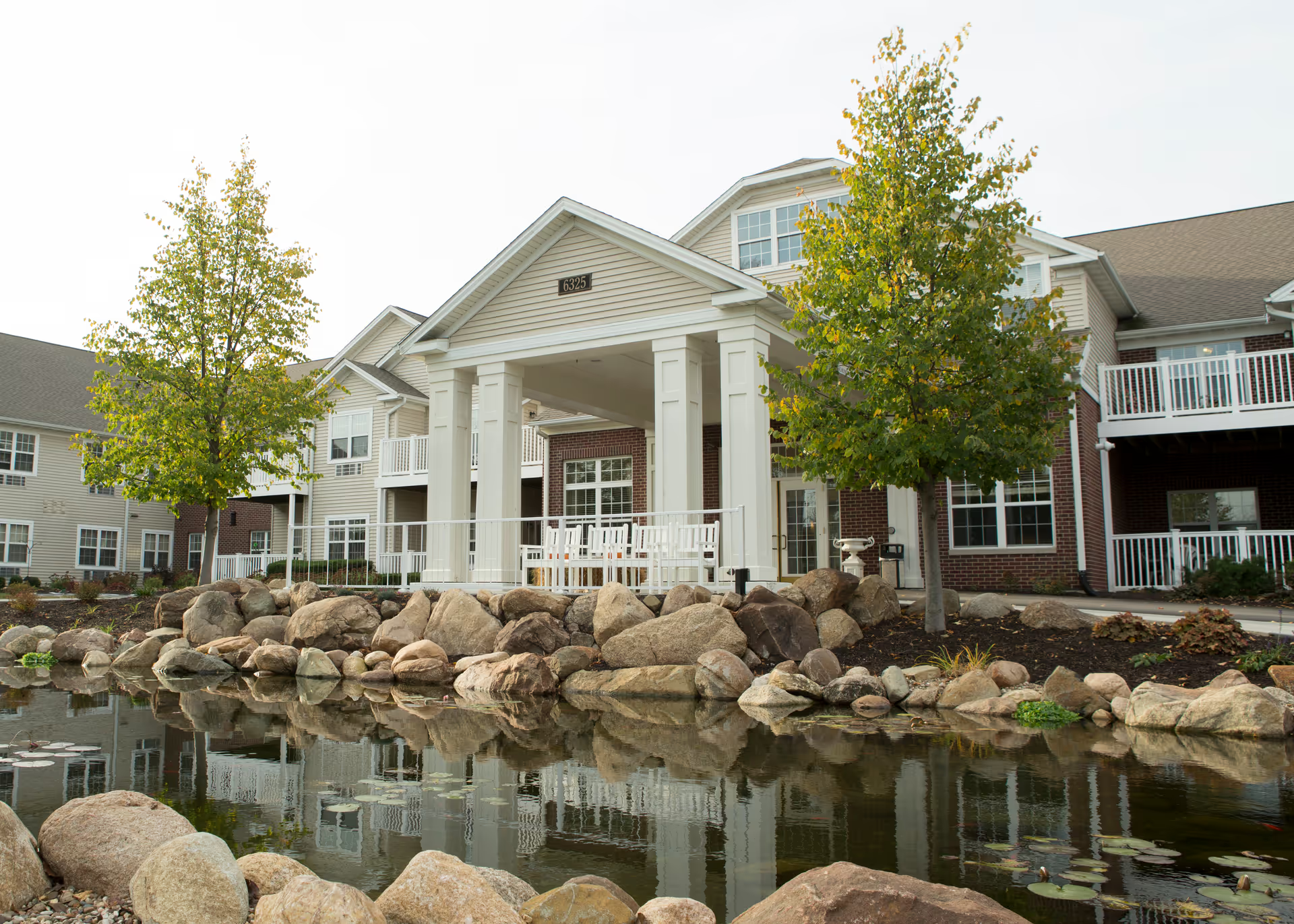
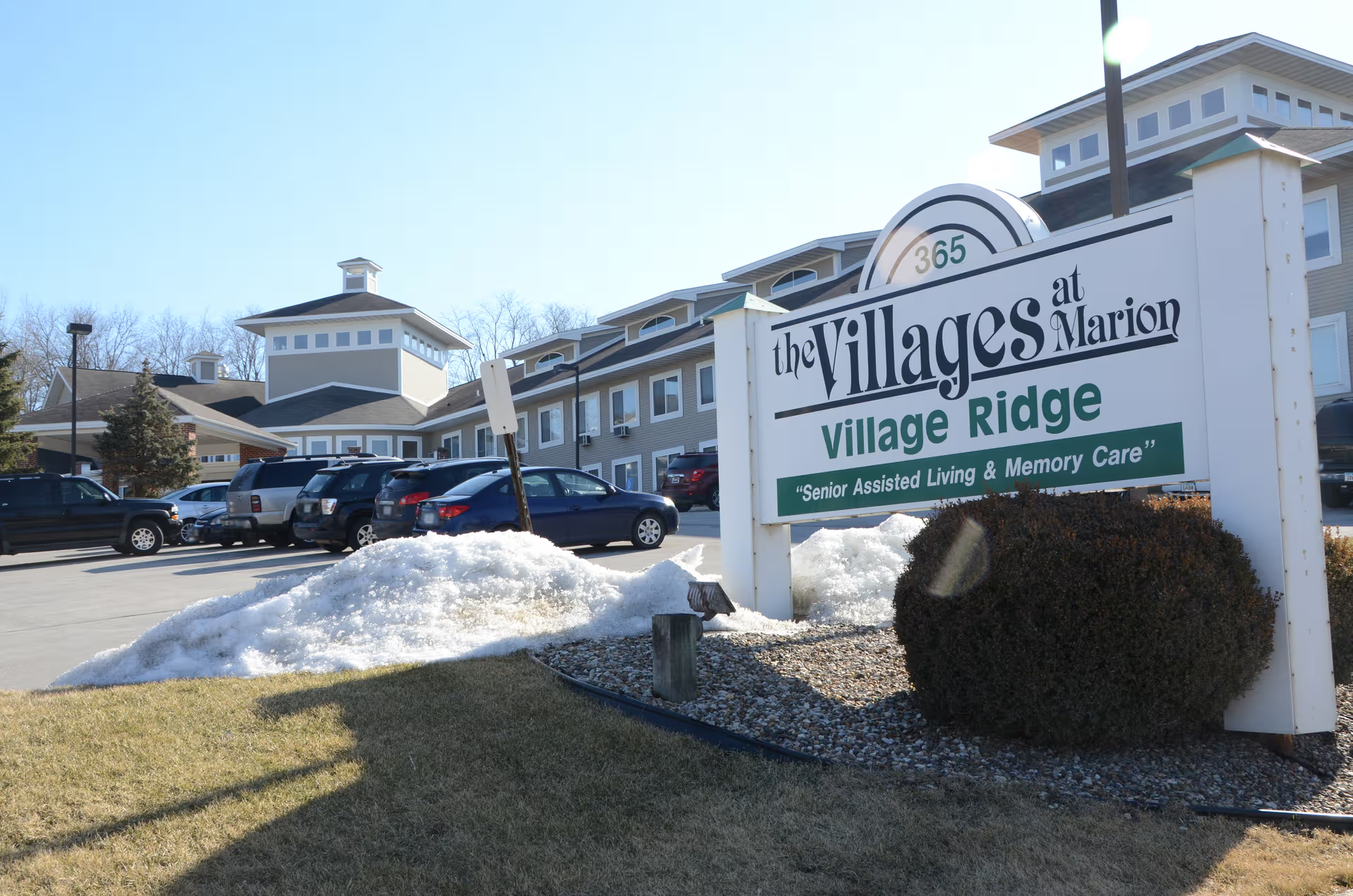
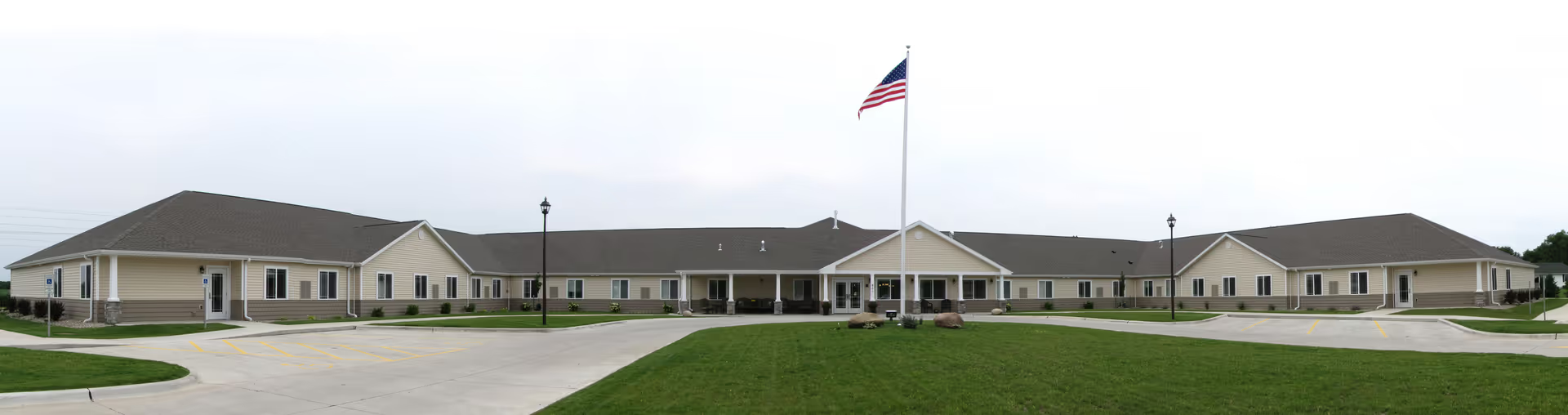
Meth‑Wick Community is described overall as a large, well‑maintained campus with a range of housing types and active programming. Families and residents frequently praise the compassionate, attentive staff, visible leadership, and a memory‑care wing (The Woodlands) with targeted Alzheimer's activities. Multiple comments highlight good clinical coordination, including hospice collaboration and continuity of care from independent living through end‑of‑life, and the facility is often characterized as clean, odor‑free, and set in attractive grounds with pleasant common spaces.
Care quality and staff performance are among the facility's strongest themes. Many narratives emphasize respectful, family‑oriented caregiving and specific positive clinical experiences; leadership engagement and high staff morale are also repeatedly noted. At the same time, there are operational concerns about staff conduct and communication tone in some interactions, and several accounts point to gaps in documentation and follow‑up after incidents — one serious claim included an allegation of theft. Prospective families should ask about incident‑reporting procedures, staff accountability frameworks, and how the community documents and communicates clinical events.
Dining and activities show mixed impressions. The community offers a variety of meal formats (cook‑your‑own, community dining, catered holiday events) and robust programming including musical offerings and social activities. However, day‑to‑day food quality is described as inconsistent by some, and there are recurring concerns about rising meal prices and guest billing practices. Accessibility to dining for residents with mobility limitations is another operational issue noted (for example, uphill walks or long corridors to meal areas); ask how the facility supports residents who need closer or assisted dining options.
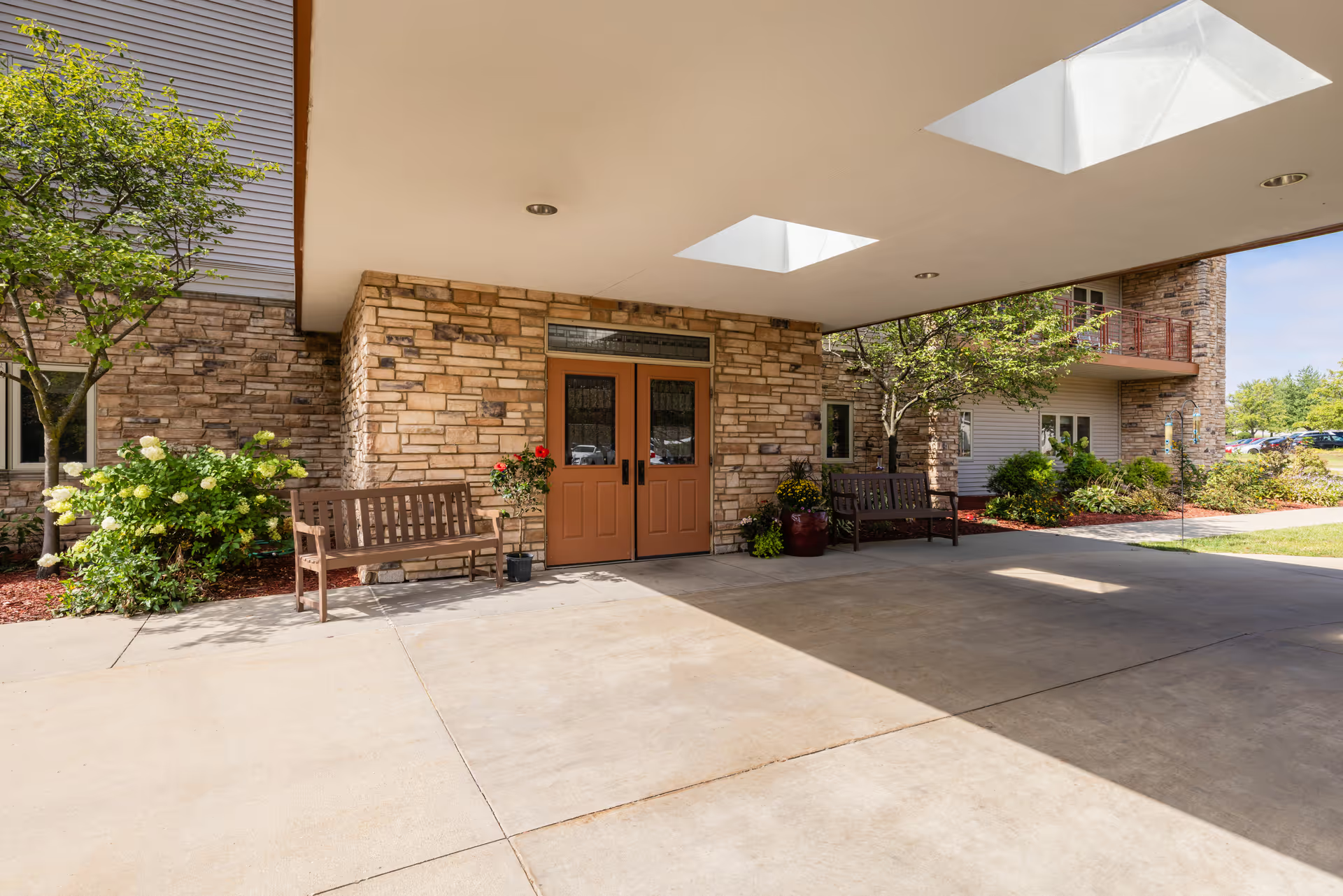
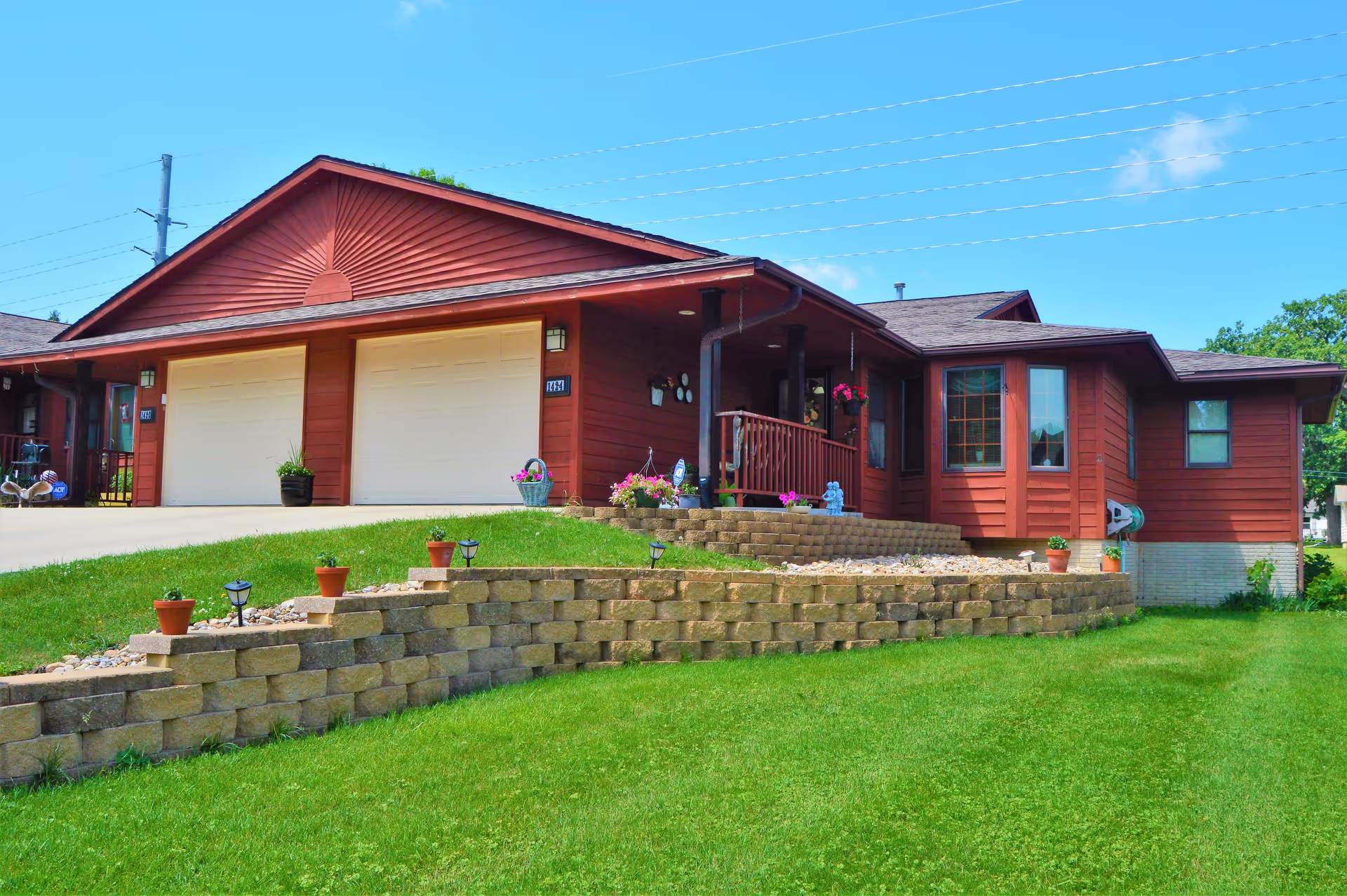
Facilities and amenities receive frequent positive remarks: clean apartments, varied floor plans, convenient on‑site amenities such as a workout center, and well‑kept outdoor spaces. At the same time, a subset of comments point to unit‑level maintenance or environmental comfort issues (leaking sliding doors, cold drafts), which suggests variability in building upkeep across the campus. Admissions and financial processes have drawn criticism in specific instances — examples include difficulties with room availability, deposit handling, and perceived runaround on financial qualification. Clarify the community's admission timelines, deposit/refund policies, and financial‑qualification procedures before committing.
In sum, Meth‑Wick presents as a popular, well‑staffed campus with strong memory‑care offerings, a broad activity program, and generally high marks for cleanliness and caregiver engagement. Key liabilities to investigate further are daily dining consistency and pricing, certain unit maintenance/comfort issues, occasional communication and documentation lapses, and the community's handling of admissions and financial disputes. Families touring the campus should review meal billing practices, maintenance response protocols, incident‑reporting policies, and specific memory‑care programming to align expectations with the level of care needed.