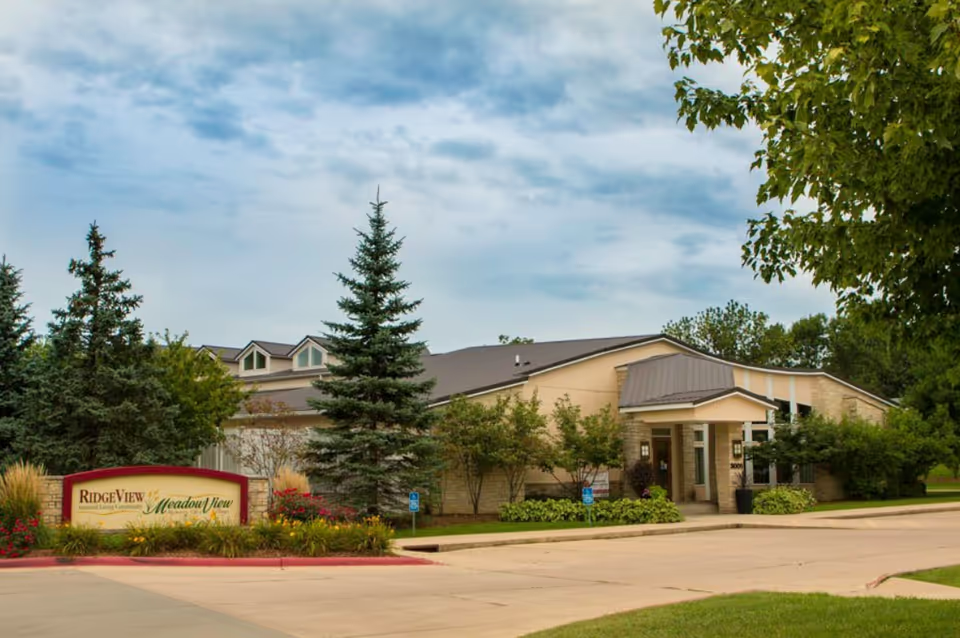
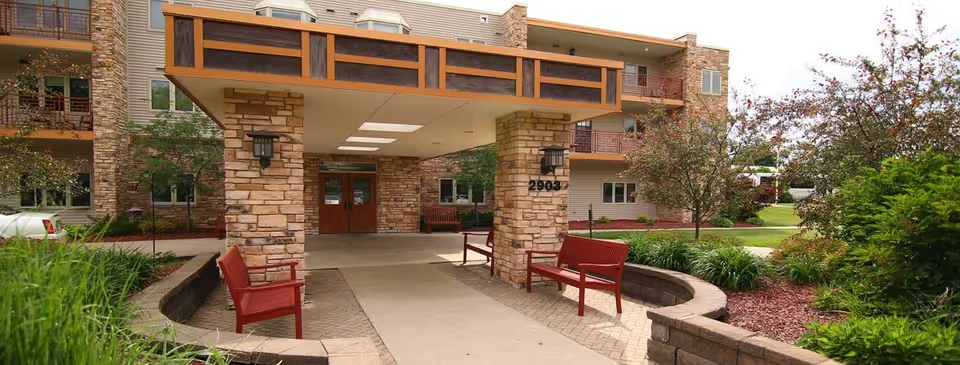
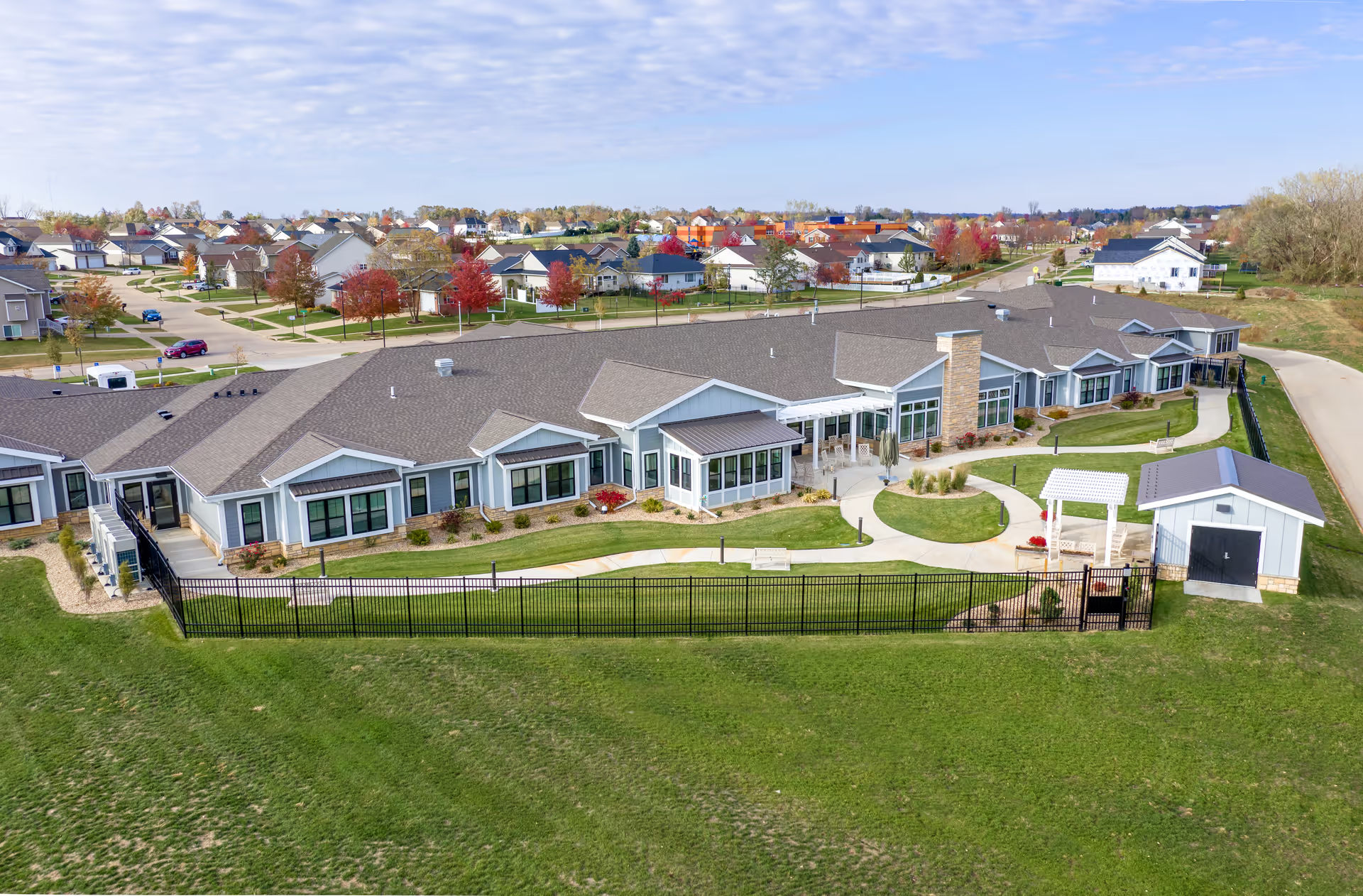
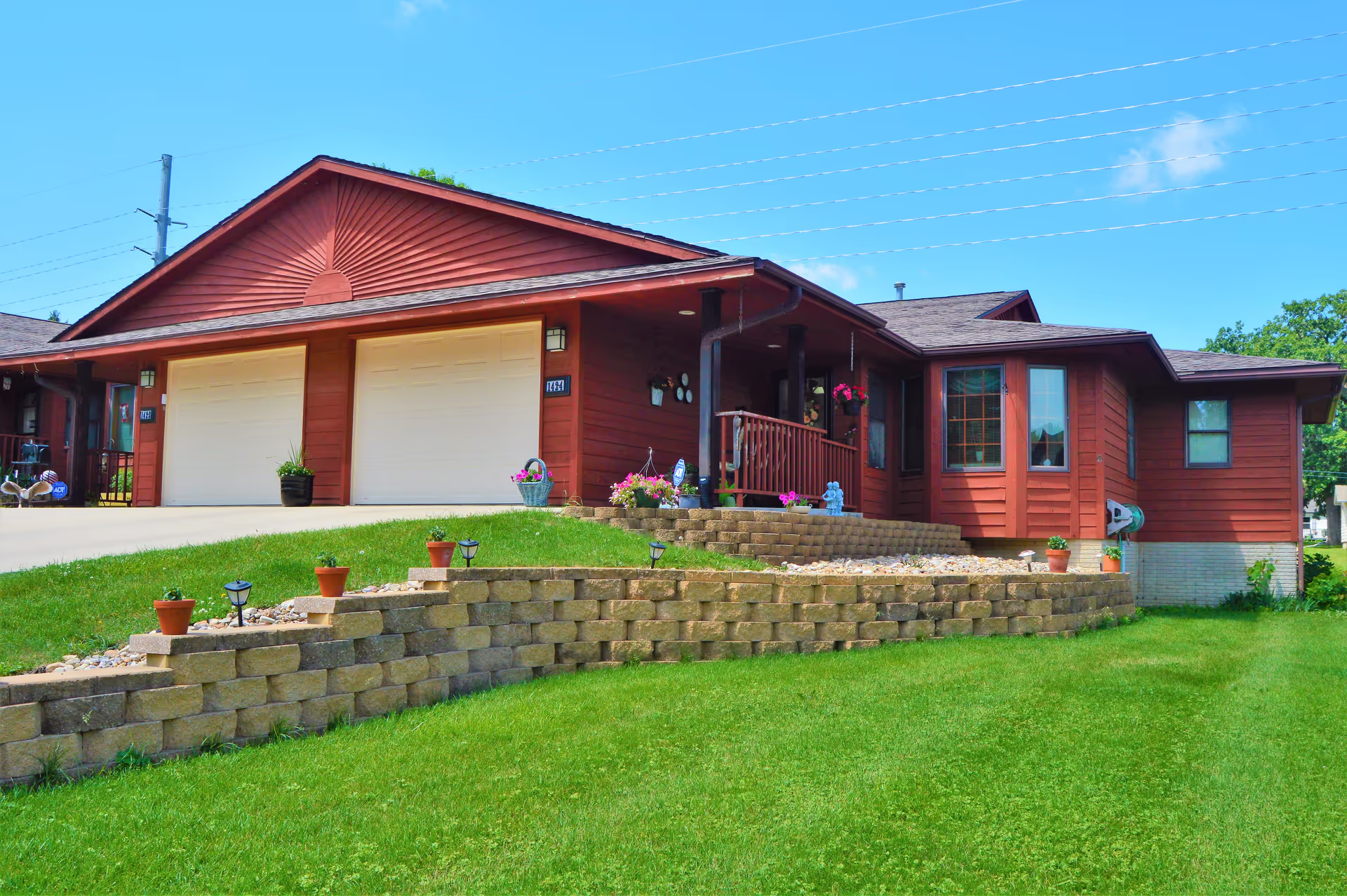
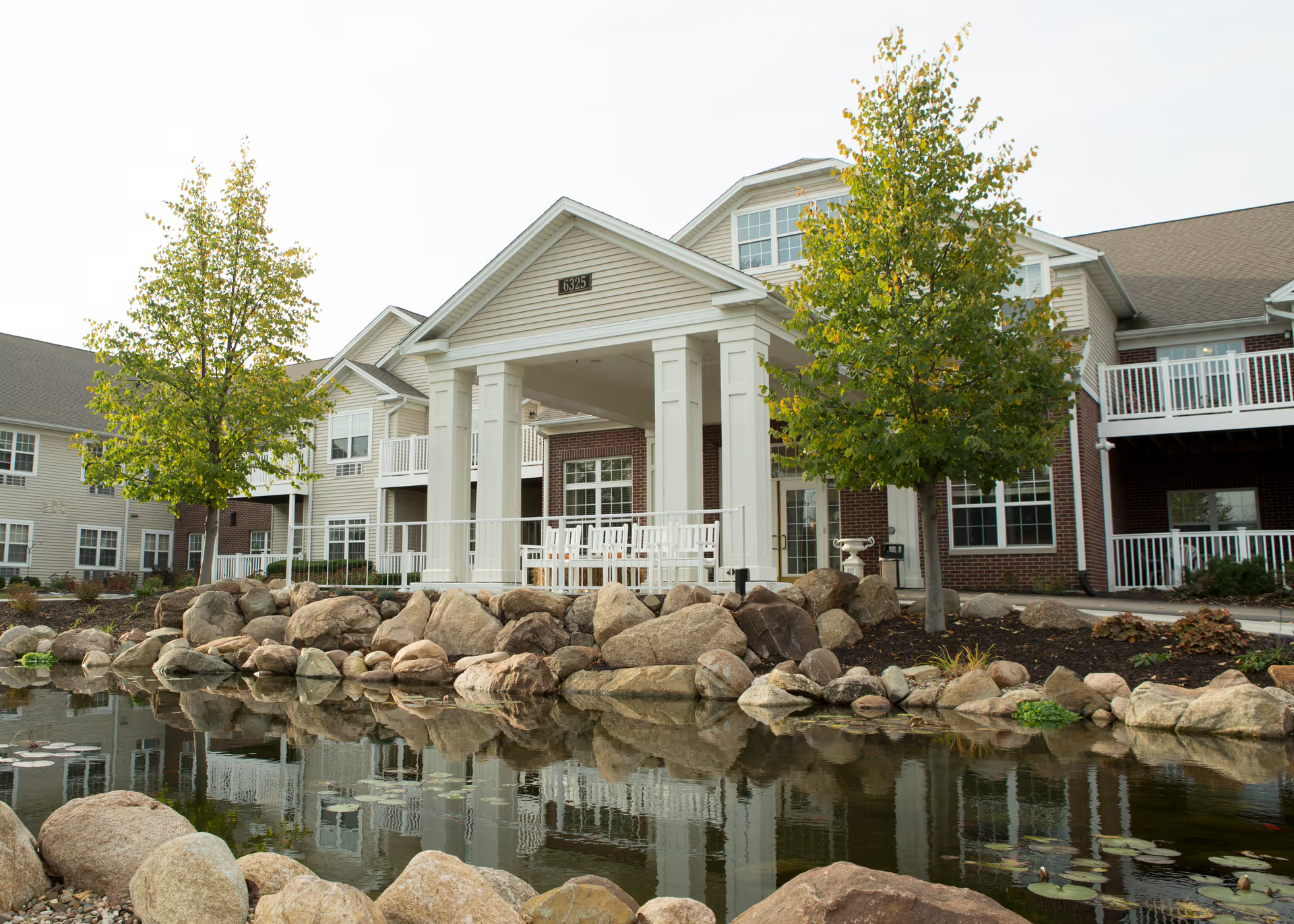
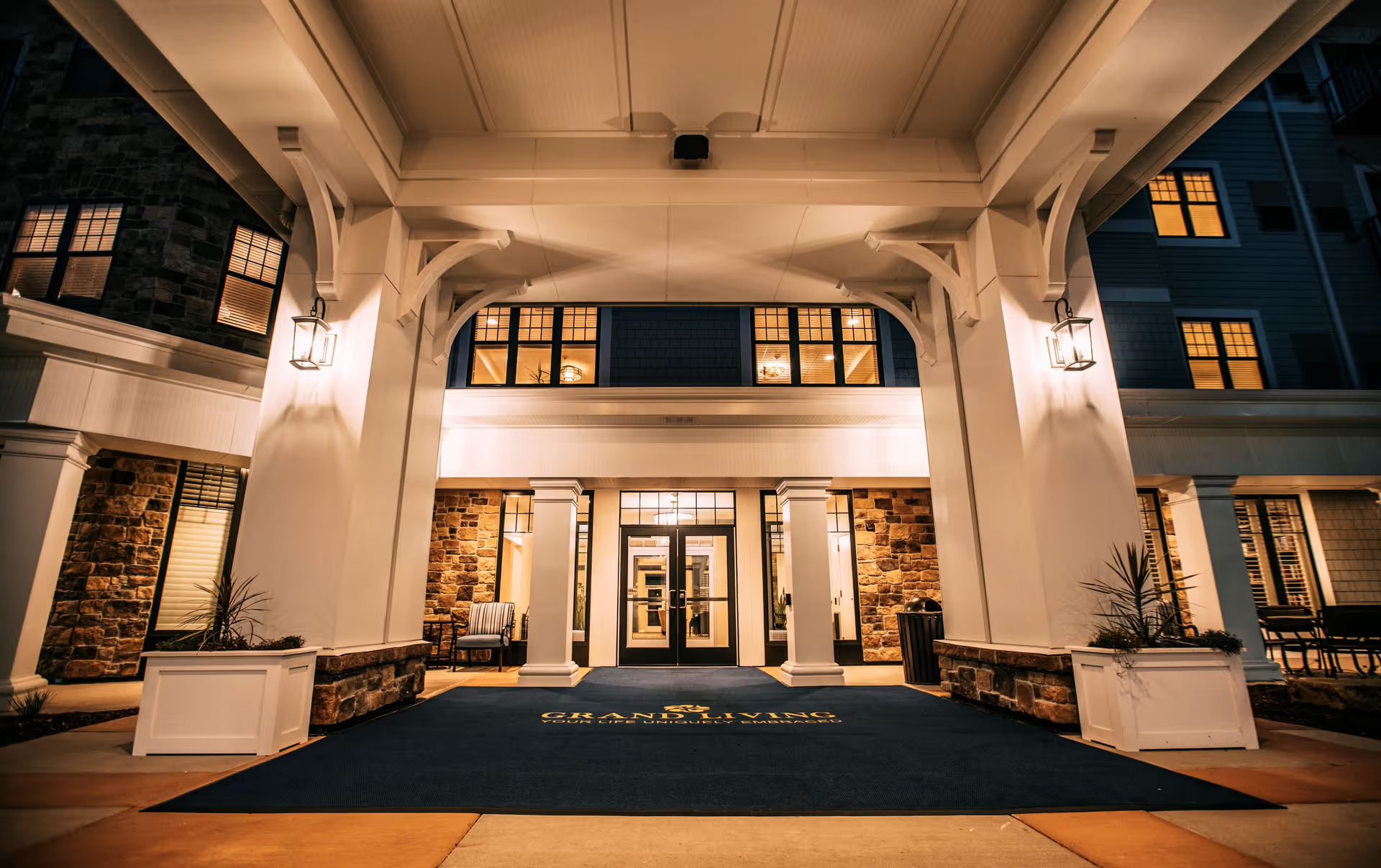
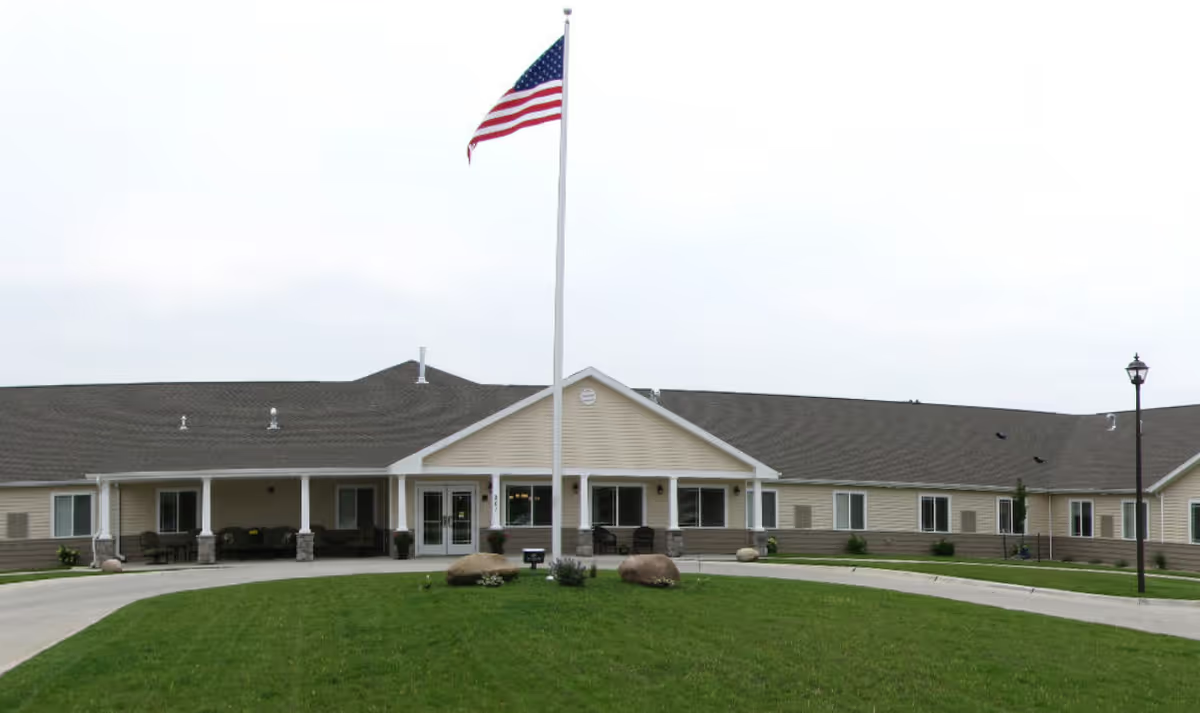
The Gardens of Cedar Rapids presents a mixed but instructive profile. Many families describe a physically attractive, newer facility with well-maintained common areas, apartment-style units, garages, and family spaces that support visits and socializing. On-site nursing oversight, regular clinical visits, and caring nursing assistants are frequently cited as strengths; several reviewers credited staff with improving residents' day-to-day wellbeing. The community offers a broad range of activities and seasonal programming, spa/beauty services by appointment, housekeeping and laundry, cable, and three daily meals that many residents enjoy.
At the same time, a consistent theme across comments is variability in operational performance. Understaffing and elevated staff turnover were commonly noted and are linked to slower response times, inconsistent assistance with activities of daily living, and gaps in transfer safety practices. Reviewers described sanitation concerns in both resident rooms and some common areas and identified equipment and supply-management issues (for example, problems maintaining or supplying clinical devices). These operational weaknesses appear to affect both routine care and families' confidence in the consistency of service.
Administrative and management issues feature prominently in the reviewers' concerns. Families described difficulties obtaining clear, itemized billing, delayed or inconsistent billing communication, and instances of poor communication tone; these issues extend to refund and check-processing delays. There are also specific, serious complaints about how end-of-life logistics and family notification were handled, along with concerns about limited on-site mortuary/post-mortem storage capacity; such issues have led at least one family to move a resident and to reference a state board complaint. In addition, questions about the authenticity or transparency of external ratings and marketing practices were raised by some reviewers.
Dining and social programming are generally regarded as positive aspects, though satisfaction with meals is not uniform. While many residents and visitors praised the quality and variety of food and singled out festive events and happy hour as highlights, others described uneven meal experiences. Communication with families is frequently adequate but inconsistent; several families would like more proactive updates and clearer channels for escalation. In short, prospective residents and families are likely to find strong points in facility environment, social life, and individual staff members, but should balance those strengths against operational variability in staffing, sanitation and equipment management, administrative responsiveness, and end-of-life process clarity. Visiting in person, asking for current staffing ratios, inspecting sanitation and equipment protocols, and reviewing billing practices and end-of-life policies are recommended steps before committing to residency.