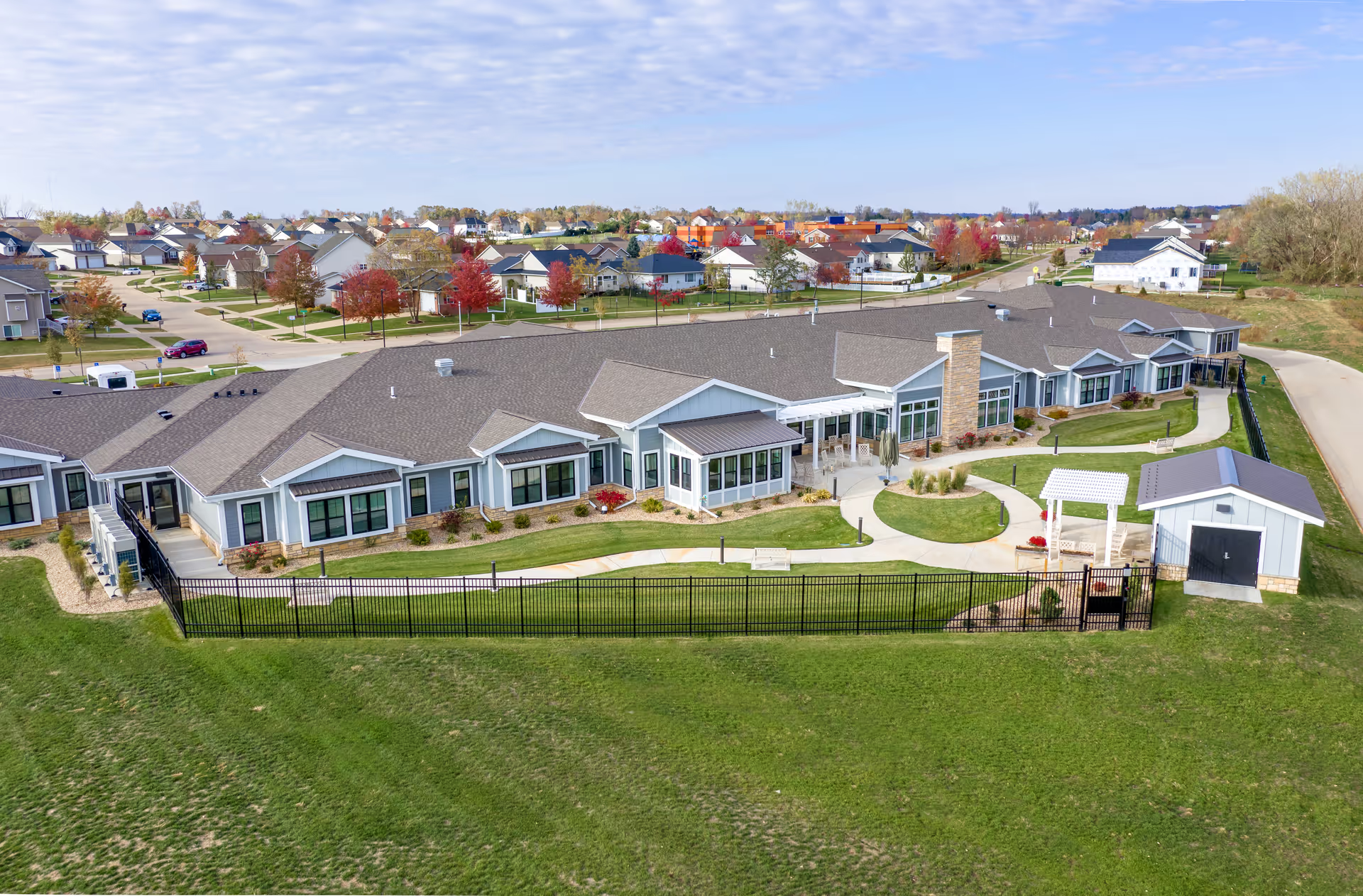
The Views of Cedar Rapids presents as a memory-care–focused community with a distinctive "town-center" interior design intended to provide constant visual cues and opportunities for social engagement. Many families highlight the facility's dementia-specific environment, a separate state-of-the-art memory-care building, and a central village-like area with shops, a theater, coffee shop, and other themed spaces that residents can move through for stimulation. The campus also supports a continuum of care from independent through assisted to nursing, which some families value for long-term planning.
Clinical quality indicators are generally positive: reviewers point to favorable staff-to-resident ratios, an extensive complement of clinical and support staff (nursing, CNAs, DON/ADON, housekeeping, maintenance, laundry, dietary), and a track record of deficiency-free state surveys over multiple years. Caregivers are frequently described as knowledgeable, patient, and personable; many comments note staff longevity and familiarity with residents' names and routines. At the same time, several comments reflect operational strain during high-acuity periods and ongoing transitions, suggesting that staffing adequacy can vary by shift and resident needs.
Dining receives mixed feedback. Some families praise the chef and variety, accommodations for preferences, and overall food quality. Others describe the menu as repetitive and occasionally too spicy for some residents, with requests for more bland or balanced options. The facility accepts Medicare and elderly-waiver funding, and contract terms are family-friendly in some respects (no buy-in fees; month-to-month leases), but multiple reviewers consider the monthly cost relatively high and note additional fees.
Activities are a clear strength: dedicated activity directors provide programming seven days a week, and the community offers a broad range of social, recreational, and therapeutic options (bingo, crafts, music, pet visits, outings, themed events). The town-center layout enhances spontaneous engagement. However, families note variability in how well activities match individual residents' interests and a gap in weekend or late-day staffing that limits activity availability for some residents.
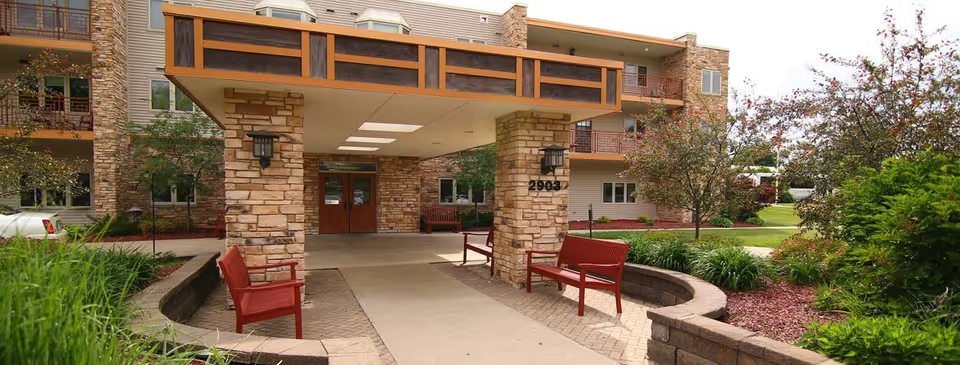
The physical plant and amenities are frequently praised for being clean, bright, and homey, with ongoing renovations to public spaces, updated entryways, gardens, and interior features like a soda fountain and dog-photo area. At the same time, reviewers describe intermittent housekeeping lapses in individual rooms and bathrooms (dusting, cobwebs, periodic sanitation concerns) that suggest inconsistency in room-level cleaning rather than facility-wide neglect. Apartment sizes vary; some unit types are described as smaller than alternatives in the area.
Management and communication generally receive positive comments: families describe responsive staff, clear communication about care, pastoral visits, and an involved administrative team working through growth and renovation-related issues. Reviewers characterize the community as welcoming and safe, with effective security measures in the memory-care area. Notable patterns are consistent praise for staff compassion and engagement, strong activity programming anchored by the facility design, and an overall sense that the provider is continuing to refine operations as the community matures. Prospective residents and families should weigh the appealing dementia-specific environment and active programming against the higher cost, room-size differences, and occasional variability in housekeeping and activity alignment when deciding if this community is the right fit.