Overall impression: Reviews portray Whispering Willow Assisted Living and Memory Wing as a facility with consistently strong interpersonal strengths and solid basic operations. Families frequently highlight staff compassion and competence, steady communication from management, and a generally clean, orderly environment. The tenor of comments suggests a high degree of satisfaction with day-to-day care and social support.
Care quality and staff: The dominant theme is positive staff behavior — described as compassionate, encouraging and competent — and communication practices that keep families informed. Dementia care is repeatedly characterized as personalized, with staff able to provide reassurance and tailored approaches that increase family confidence. This pattern points to staff training and culture that prioritize resident dignity and family engagement.
Dining: Reviewers praise meal variety and taste, indicating the kitchen meets resident preferences and dietary expectations. The dining area itself receives less enthusiastic comment (described as "fine"), which suggests the food service is a strength while dining-room ambiance and presentation are more utilitarian than upscale. Prospective families may want to sample meals and observe service flow to confirm fit with expectations.
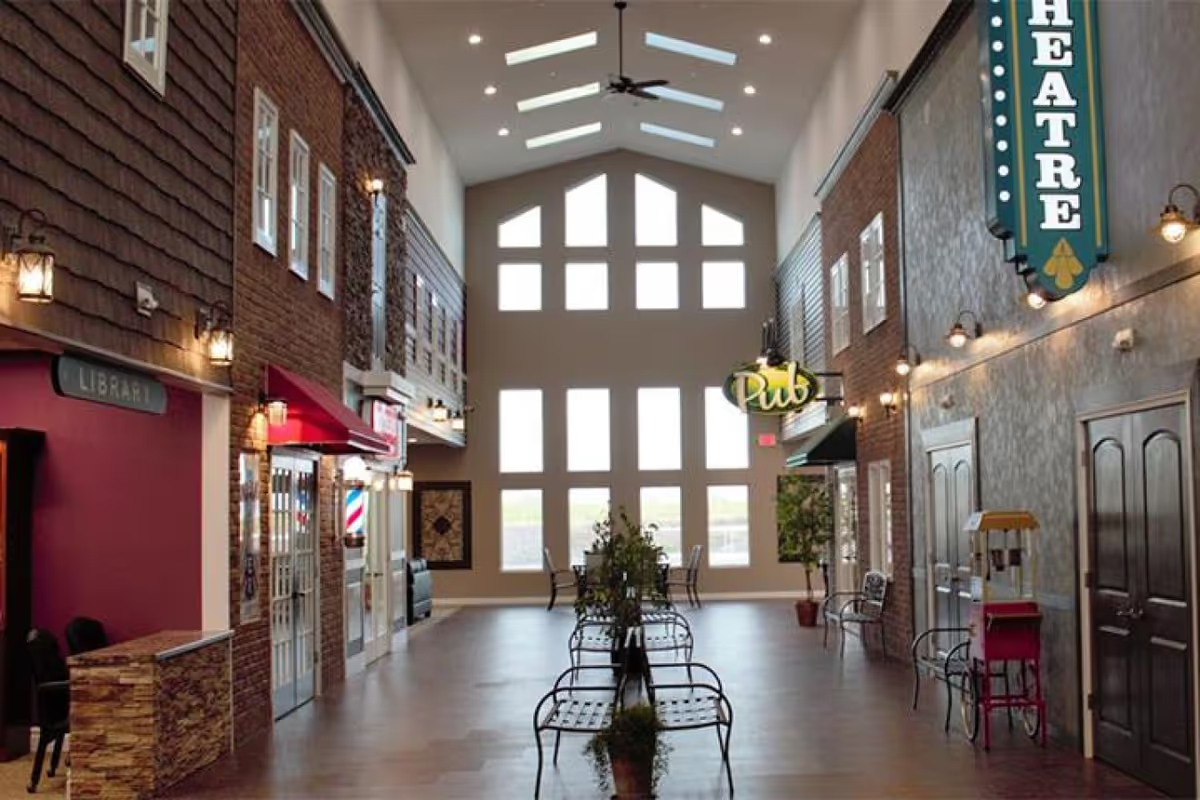
Activities and social life: Activity programming is described as engaging and effective at promoting social reconnections — reviewers specifically note encouragement of friendships and occasions for residents to reestablish prior relationships. These observations suggest a programmatic emphasis on socialization and meaningful engagement, which can be particularly important in assisted living and memory care contexts.
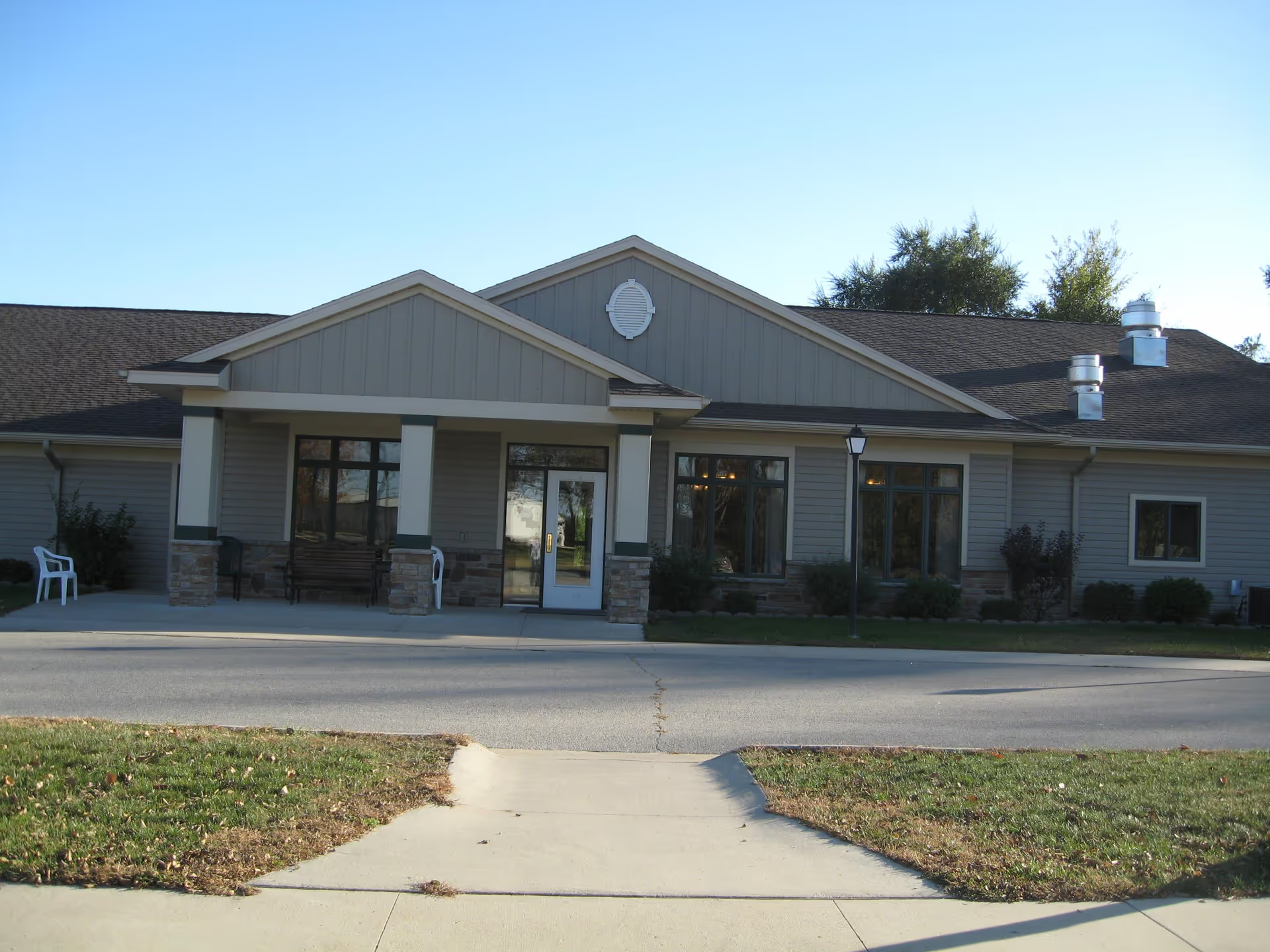
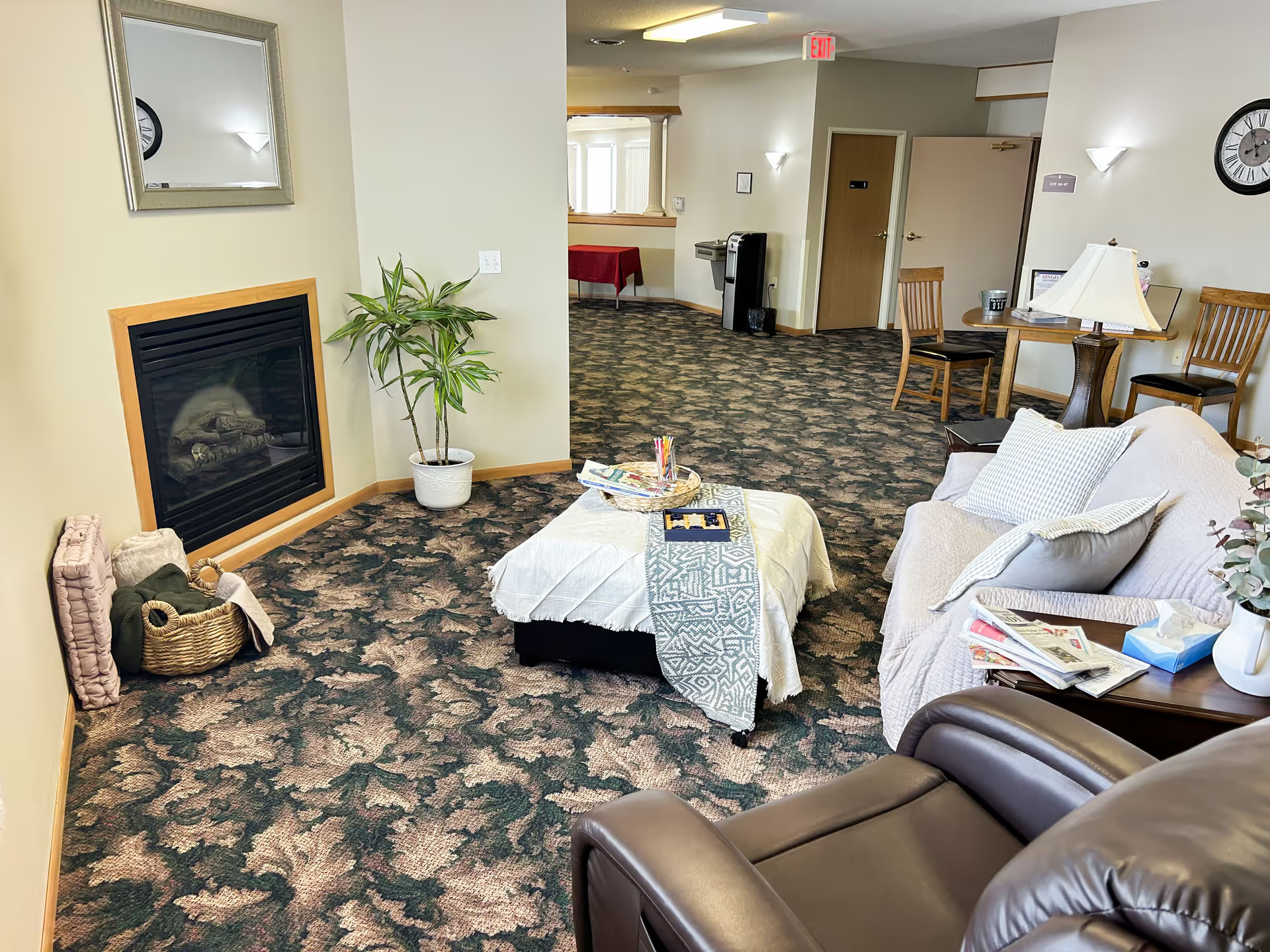
Facilities and management: The facility is reported as clean and well-maintained, and the move-in process is described as smooth and supportive. Families cite a sense of safety and peace of mind, reflecting consistent operational attention to environment and transitional logistics. Regular family updates and approachable staff interactions indicate responsive front-line management and communication protocols.
Notable patterns and considerations: The reviews are uniformly favorable about staff and the everyday resident experience. The few operational weaknesses that can be inferred are relatively mild: the dining-room ambiance may be ordinary rather than distinctive, and public-facing information about clinical staffing ratios or breadth of therapeutic services is limited in the feedback. For prospective residents and families, recommended follow-up items include asking about staffing ratios and clinical oversight, sampling meals and observing mealtimes, reviewing memory-care programming details, and clarifying policies for end-of-life care and family communication so expectations align with facility practice.